How to Document Overnight Sleep Changes Effectively
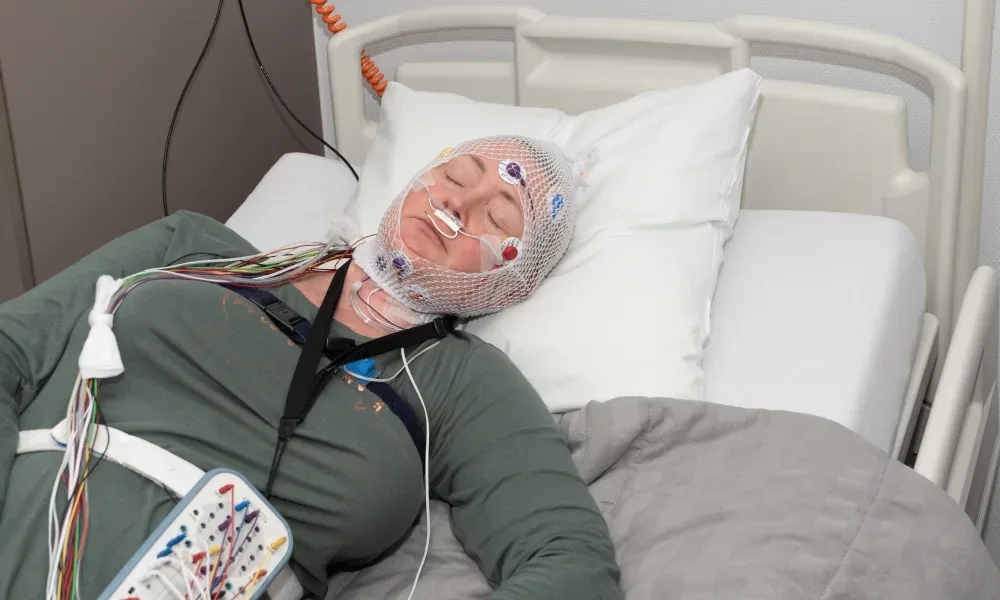
Most people think tracking sleep is just about hitting a button on their watch. It’s not. Learning how to document changes in overnight sleep requires separating what you feel from what your body actually did.
If you mix these up, your doctor gets useless data. You end up chasing ghosts instead of fixing real problems like insomnia or apnea.
We’ve seen too many patients bring in perfect-looking graphs that tell lies. The American Academy of Sleep Medicine (AASM) sets strict standards for scoring sleep stages. Ignoring those nuances leads to misdiagnosis.
As of 2026, wearable tech is better than ever, but it still struggles with context. Here is how to bridge that gap accurately.
Quick Answer
To document changes in overnight sleep, combine a daily paper log with objective wearable data. Record bedtime, wake time, and awakenings immediately upon waking. Note subjective feelings like grogginess or anxiety separately from hard metrics.
Share both datasets with your clinician. This dual approach prevents recall bias from skewing medical interpretation.
Why Your Sleep Diary Might Be Misleading Your Doctor
Your brain plays tricks on you when you’re tired. We call this recall bias. People with chronic insomnia often underestimate how much they slept.
They overestimate the time spent awake. If you only write down what you remember, your doctor sees a patient who barely sleeps. In reality, you might be getting six hours of restful shut-eye.
This discrepancy causes harmful treatment delays. A physician might prescribe stronger sedatives based on your faulty memory. Or they might miss signs of sleep apnea because you didn’t note gasping episodes.
Accurate documentation isn’t just homework. It’s a safety check. You need to capture the difference between perception and physiology.
Without that distinction, clinical decisions become guesswork. Always treat your self-reported notes as one half of the equation. The other half must come from measurable evidence.
The Critical Difference Between Subjective Feel and Objective Data
Subjective data covers how you feel. Did you toss and turn? Were you anxious before bed?
Objective data covers what happened. Did your heart rate drop? Was there movement?
These two streams rarely align perfectly. That mismatch is where the truth lives.
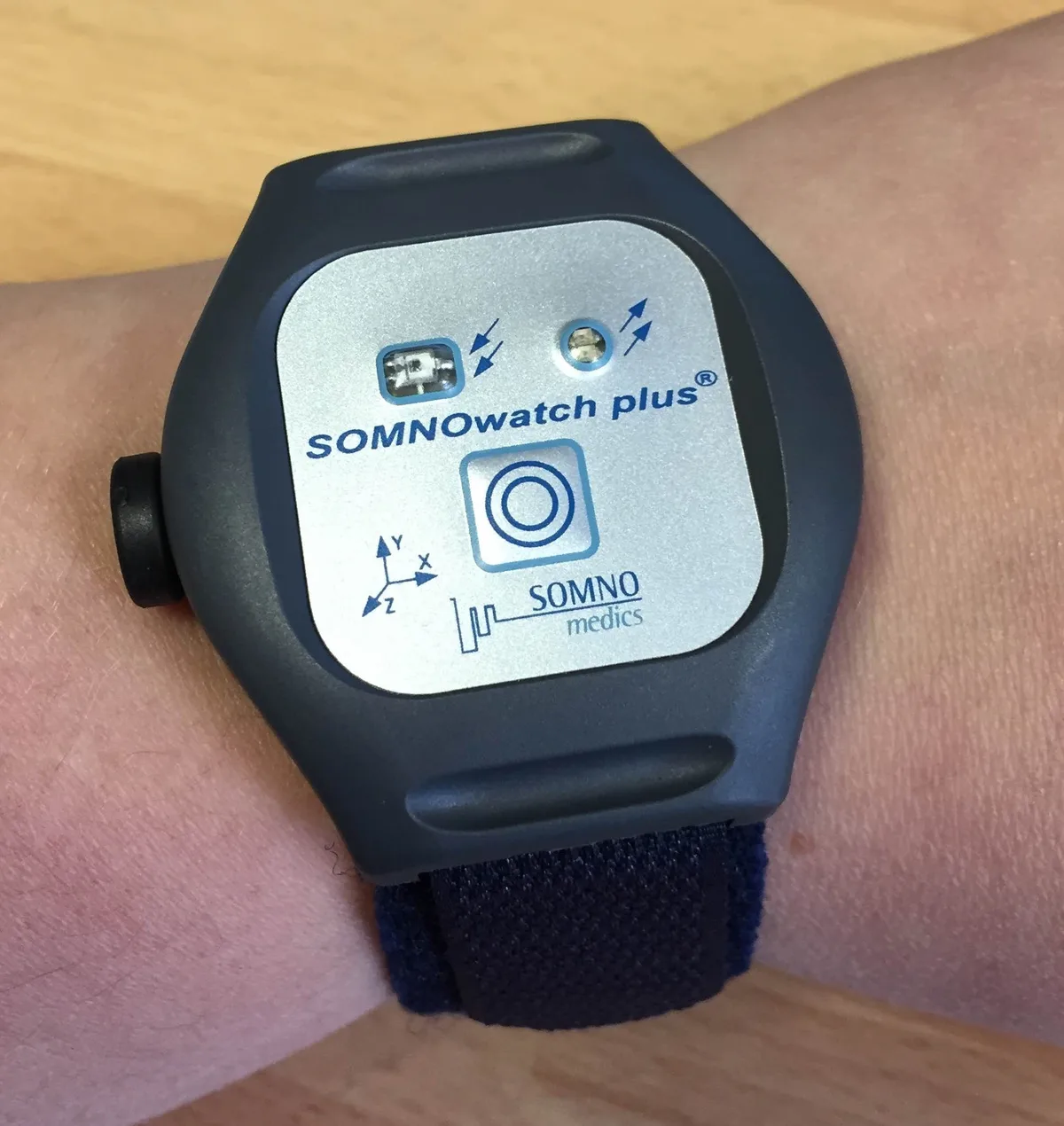
Actigraphy helps here. It uses wrist acceleration to infer sleep-wake cycles. Unlike a diary, it doesn’t care if you felt rested.
It records motion. However, actigraphy can mistake quiet reading for sleep. It lacks brainwave data.
So you must layer your subjective experience on top. Tell your doctor: "I felt wide awake at 3 AM, but my tracker showed zero movement." That specific conflict points toward hyperarousal insomnia. Purely relying on either source leaves blind spots.
How to Structure a Clinically Useful Overnight Log
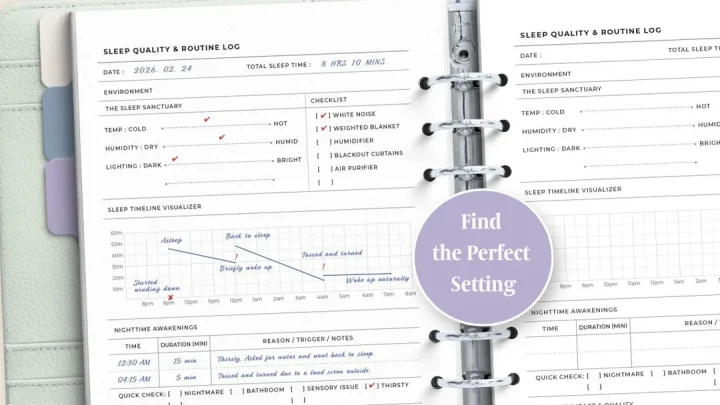
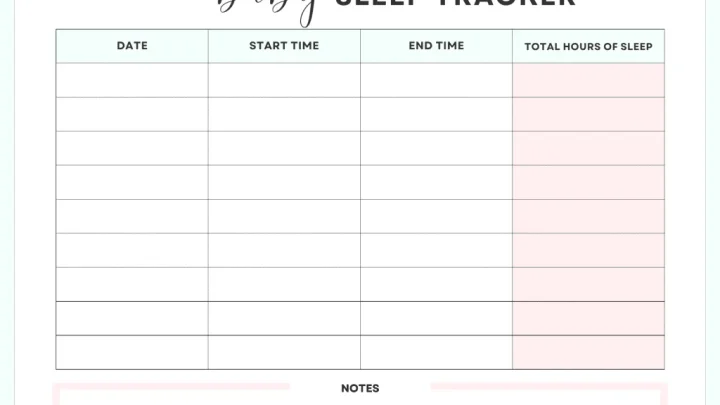
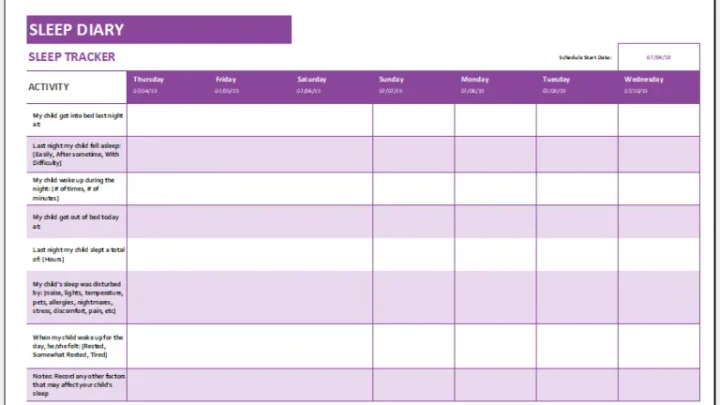
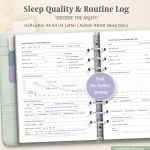
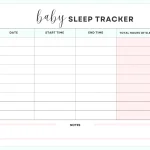
Don’t just scribble numbers. Use a standardized format. The Consensus Sleep Diary is a gold standard tool used in research.
It asks for ten key data points every morning. Copy this structure to ensure consistency.
| Field | What to Record | Why It Matters |
|---|---|---|
| Bedtime | Time lights out | Establishes opportunity for sleep |
| Sleep Onset | Estimated time asleep | Calculates latency (SOL) |
| Awakenings | Number and duration | Tracks fragmentation (WASO) |
| Final Wake | Time eyes open | Defines total time in bed |
| Quality Rating | 1-5 scale | Captures subjective satisfaction |
| Daytime Function | Energy levels | Links night data to day impact |
Fill this out within five minutes of waking. Memory decays fast. If you wait until noon, you’ll forget micro-awakenings.
Keep a physical notebook by your bed. Screens emit blue light that suppresses melatonin. Paper avoids this interference.
Date every entry. Trends emerge over weeks, not single nights.
Interpreting Key Metrics: SOL, WASO, and Sleep Efficiency
Numbers mean nothing without context. Sleep Onset Latency (SOL) is the time it takes to fall asleep. Normal is under 20 minutes.
If yours averages 45 minutes, you have initial insomnia. Wake After Sleep Onset (WASO) measures total time awake during the night. Under 30 minutes is typical.
Over an hour suggests maintenance insomnia.
Sleep Efficiency Ratio (SER) ties it all together. Divide Total Sleep Time by Time in Bed. Multiply by 100.
Aim for above 85%. Low SER means you spend too much time lying awake. This frustrates the brain and worsens anxiety.
Track these three metrics weekly. Look for patterns, not perfection. One bad night doesn’t equal a disorder.
Three consecutive weeks of poor stats do.
When Wearable Data Clashes With Reality (And Which One Wins)
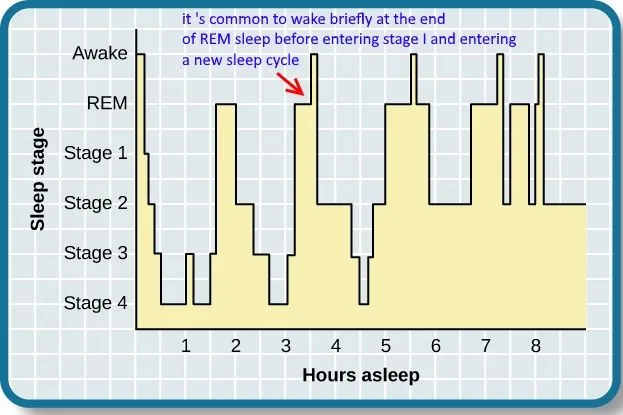
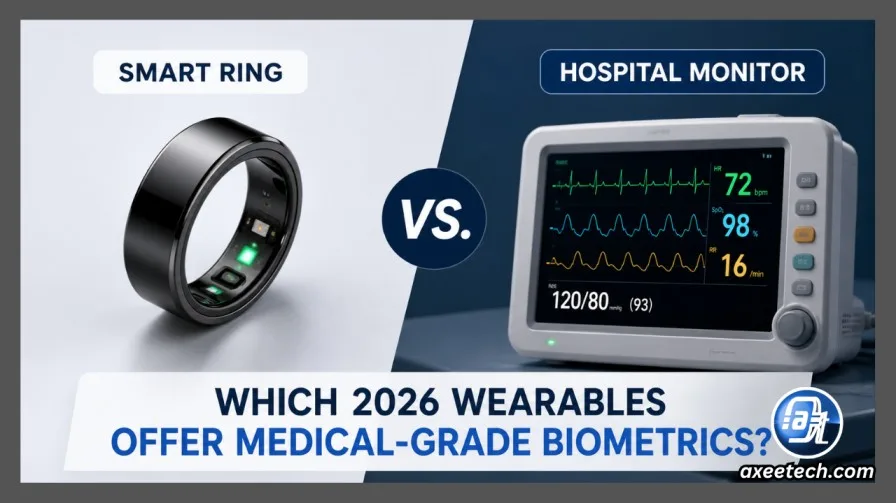
Consumer wearables like Oura or Garmin use algorithms, not direct measurement. They estimate sleep stages using heart rate variability and movement. Medical-grade polysomnography measures brainwaves directly.
Sometimes the wearable says you had deep sleep. Your diary says you felt restless. Trust the feeling first.
Why? Because wearables struggle with artifacts. A loose strap looks like no movement.
It registers as sleep. But you were actually awake, staring at the ceiling. Aggregate reviews indicate that consumer devices overestimate total sleep time by 10-15% on average.
Use them for trend spotting, not diagnosis. If the device shows 7 hours but you feel exhausted, investigate further. Check for sleep apnea signs like snoring or pauses in breathing.
The clash highlights the need for professional evaluation. Don’t dismiss your intuition because a ring gave you a high score.
Red Flags That Require Immediate Professional Intervention
Stop logging and call your doctor if you experience specific symptoms. Gasping for air during sleep is a primary warning sign of obstructive sleep apnea. This condition causes oxygen levels to drop repeatedly throughout the night.
It increases the risk of heart attack and stroke significantly.
Another critical red flag is falling asleep while driving or operating machinery. This indicates severe daytime somnolence that home remedies cannot fix. You might also notice loud, habitual snoring accompanied by witnessed pauses in breathing.
These are classic markers that require a Polysomnography (PSG) study. Do not try to manage these issues with self-help books alone.
Chest pain or palpitations upon waking demand urgent medical attention. While often benign, they can signal underlying cardiac stress linked to poor sleep quality. Similarly, if your mood drops sharply despite adequate rest hours, consult a specialist.
Depression and anxiety frequently mimic insomnia symptoms. Accurate documentation helps clinicians distinguish between psychiatric and physiological causes. Never ignore persistent headaches upon waking.
They may indicate elevated carbon dioxide levels due to hypoventilation. Seek help immediately if these signs appear alongside fragmented sleep logs.
Common Documentation Mistakes That Delay Diagnosis
Many users forget to log contextual factors like caffeine or alcohol intake. A glass of wine at 8 PM can fragment REM sleep later in the night. Without this note, your doctor sees unexplained awakenings.
They might suspect neurological issues instead of dietary triggers. Always tag lifestyle variables next to your sleep metrics.
Another error is inconsistent timing of data entry. Waiting until evening to fill out your morning log leads to memory gaps. You’ll likely underestimate the number of times you woke up.
Recall bias skews the data toward worse outcomes than reality. Fill out your diary within five minutes of opening your eyes. Fresh memories yield accurate timestamps for wake events.
Ignoring weekend variations is also a frequent mistake. Shift workers and students often have drastically different schedules on Saturdays. Averaging all seven days hides these important patterns.
Separate weekday and weekend data streams when reviewing trends. Finally, don’t discard "bad" nights. Outliers provide crucial diagnostic clues.
A sudden spike in Wake After Sleep Onset (WASO) might reveal an emerging infection or stressor. Keep every entry visible for longitudinal analysis.
Frequently Asked Questions About Sleep Tracking Accuracy
How long should I track my sleep before seeing a doctor?
Track consistently for at least two weeks. This period captures normal fluctuations and establishes a reliable baseline. One week is too short to identify circadian rhythm disorders.
Two weeks provides enough data points for statistical significance. Bring both your manual diary and wearable export files to the appointment. Clinicians need to see the correlation between your perception and objective metrics.
Missing even a few days creates gaps in the pattern. Consistency matters more than volume. Ensure you log every single night during this window.
Can smartwatches diagnose sleep apnea?
No, consumer wearables cannot officially diagnose sleep apnea. They lack the respiratory effort belts and airflow sensors required for clinical confirmation. Some newer models offer FDA-cleared features for detecting irregular heart rhythms associated with apnea.
However, these serve as screening tools, not diagnostic instruments. If your watch flags potential issues, seek a Home Sleep Apnea Test (HSAT). Only a licensed sleep specialist can interpret HSAT results accurately.
Relying solely on a wrist device risks missing severe cases. Use tech for awareness, not final judgment.
What if my wearable says I slept well but I feel terrible?
Trust your subjective feeling first. Wearables measure movement and heart rate, not restorative quality. You might be experiencing non-restorative sleep due to micro-arousals.
These brief disruptions prevent deep healing stages without fully waking you. Log this discrepancy explicitly. Tell your provider: "Objective data shows efficiency, but subjective report shows exhaustion." This points toward conditions like upper airway resistance syndrome.
It requires specialized testing beyond standard polysomnography. Your body knows when it hasn’t recovered. Ignore the green score if you feel drained.

Similar Posts