Why Is My Baby More Fussy at Night?

Figuring out why baby becomes more unsettled at night is exhausting. You’re tired, confused, and wondering if something is wrong. Usually, it’s not a single cause but a mix of developmental shifts and environmental factors.
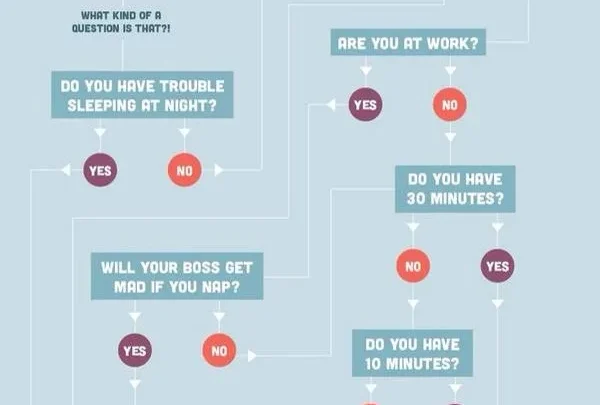
Our research shows that most nighttime fussiness stems from three main branches: biology, environment, or medical issues. Identifying which branch applies to your child saves time and stress. Let’s walk through the decision tree to pinpoint the trigger.
Quick Answer
Why baby becomes more unsettled at night usually involves age-specific sleep regressions. It also includes overtiredness from poor daytime naps. Teething pain often disrupts deep sleep cycles.
Check room temperature and lighting first. If symptoms persist, consult a pediatrician for reflux or ear infections. Most cases resolve with routine adjustments within two weeks.

Image source: Web (Bing) / swaddlesnbottles.com (Web image (fair-use with source credit))
Start Here: The 3-Question Triage for Nighttime Fussiness
Before diving into complex causes, answer these three questions. They act as filters to narrow down the likely culprit quickly. This triage prevents you from chasing ghosts while ignoring obvious signs.
- How old is your baby? Age determines whether this is a normal developmental phase or a new issue. A six-week-old has different needs than an eight-month-old.
- Did anything change recently? Look at travel, illness, or schedule shifts. Sudden changes often trigger temporary disruptions. Consistency is key for infant sleep regulation.
- Are there physical signs of pain? Watch for arching backs, pulling ears, or fever. Pain requires immediate medical attention, not just soothing techniques. Ignoring these signals can worsen the problem.
If the answer to question one points to a known regression window, focus on Branch 1. If recent changes occurred, check Branch 2. Physical pain signs lead directly to Branch 3.
This simple logic stops panic and directs your energy effectively.
Branch 1: Is It Biological? (Age-Specific Sleep Regressions & Teething)
Biological drivers are internal changes in your baby’s brain or body. These aren’t mistakes you made; they’re milestones happening. Understanding them helps you ride out the storm without altering your entire routine unnecessarily.
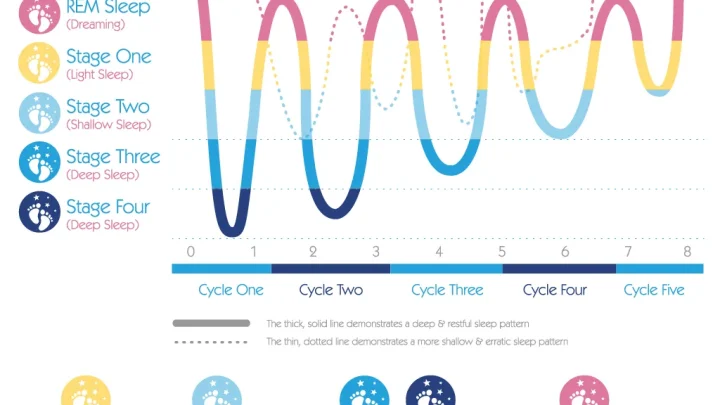
Sleep regressions occur when babies hit major cognitive leaps. Their brains are busy learning new skills like rolling over or crawling. This mental activity spills into sleep, causing frequent wakings.
The 4-month regression is the most famous, linked to permanent sleep cycle changes. As of 2026, pediatric guidelines still highlight this period as a critical adjustment phase for parents.
Teething is another biological factor. Gum inflammation peaks at night when cortisol levels drop. Babies feel pain more acutely during quiet hours.
Look for drooling, chewing on hands, or swollen gums. Unlike regressions, teething pain is sharp and intermittent. It doesn’t last all night but wakes the baby repeatedly.
| Age Range | Likely Biological Cause | Typical Duration | Key Sign |
|---|---|---|---|
| 3–5 Months | Circadian Rhythm Shift | 2–6 Weeks | Awake for long stretches early morning |
| 8–10 Months | Separation Anxiety | 2–4 Weeks | Cries immediately upon waking alone |
| 4–7 Months | Teething Onset | Variable | Excessive drooling, gum rubbing |
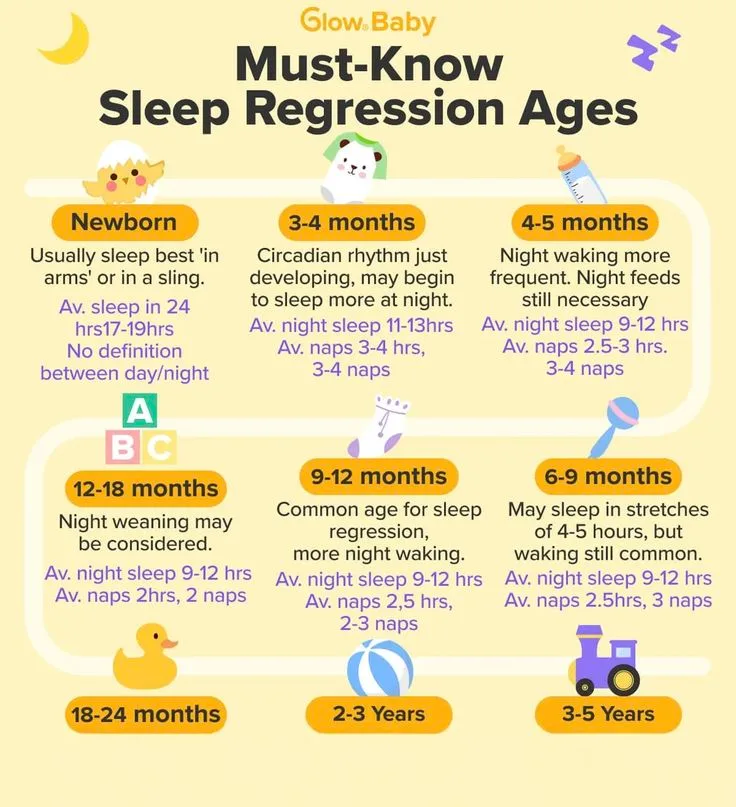
Image source: Web (Bing) / pinterest.com (Web image (fair-use with source credit))
For separation anxiety, object permanence kicks in. Your baby knows you exist but panics when you’re gone. Comforting them teaches trust.
Avoid sneaking out of the room. Stay nearby until they settle. This builds security rather than fear.
Branch 2: Is It Environmental? (Overtiredness, Wake Windows, & Room Conditions)
Environmental factors are external conditions you control. These are the easiest fixes but often overlooked. Overtiredness is the number one enemy of good sleep.
When babies miss their sleep window, cortisol spikes. This hormone acts like adrenaline, making it hard to fall asleep or stay asleep.
Wake windows vary by age. Newborns need sleep every 45, 90 minutes. Older infants can stay awake 2, 3 hours.
Pushing past these limits guarantees nighttime struggles. Watch for sleepy cues like eye rubbing or yawning. Act on them immediately.
Don’t wait for crying, which signals late-stage overtiredness.
Room conditions play a huge role too. Temperature, light, and noise must be optimized. The American Academy of Pediatrics recommends keeping rooms between 68°F and 72°F (20°C, 22°C).
Too hot causes restlessness. Too cold disrupts deep sleep stages. Use a thermometer to verify accuracy, not guesswork.
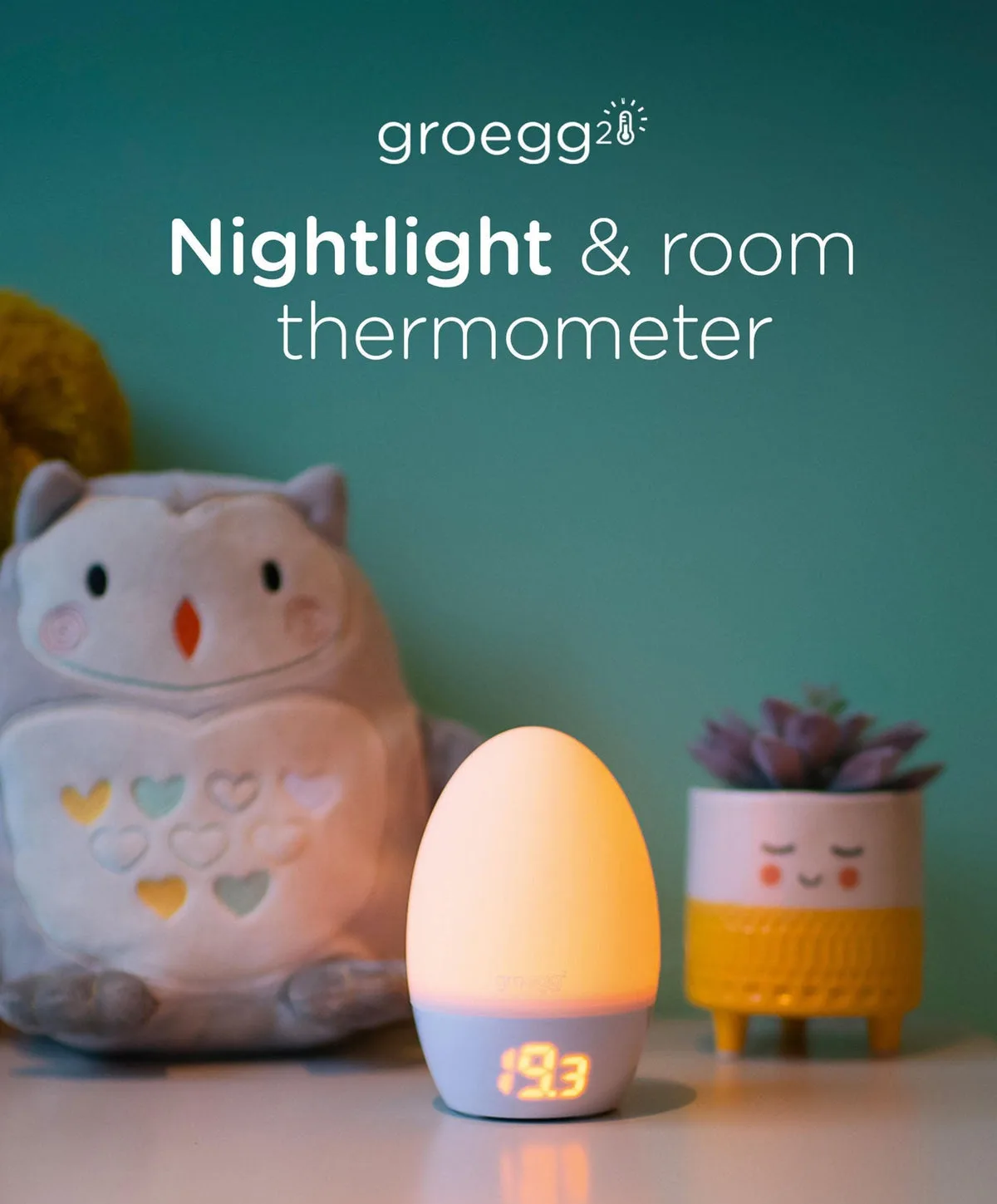
Image source: Web (Bing) / mamasandpapas.com (Web image (fair-use with source credit))
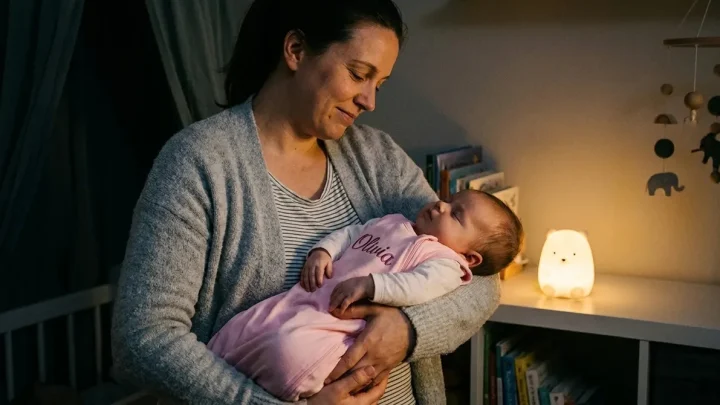
Light exposure matters significantly. Blackout curtains help suppress melatonin disruption from streetlights. However, total darkness isn’t always necessary for older babies.
White noise masks household sounds like doors slamming. Keep volume below 50 decibels. Loud noise can damage hearing over time.
Consistent soundscapes signal sleep time to the brain.
Check your bedtime routine. Is it predictable? Bath, book, bed works for many families.
Rushing this process creates anxiety. Allow ten minutes of calm connection before lights out. This transition helps lower heart rates.
It prepares the nervous system for rest.
Branch 3: Is It Medical? (Reflux, Ear Infections, & Silent Pain Signals)
Medical issues require professional diagnosis. Never assume fussiness is behavioral if physical symptoms exist. Silent reflux (LPR) differs from typical spit-up reflux.
Acid rises without visible vomiting. This burns the esophagus when lying flat. Babies arch their backs or cry during feeds.
They may prefer upright positions for hours.
Ear infections are common culprits. Pressure changes when lying down cause intense pain. Look for tugging at ears or fluid drainage.
Fever often accompanies this. If your baby was fine yesterday but screams tonight, suspect infection. Antibiotics might be needed.
Delaying care risks complications.
Other red flags include urinary tract infections or constipation. Both cause discomfort that worsens at night. Monitor bowel movements and urine output.
Hard stools or foul-smelling urine suggest issues. Consult your pediatrician promptly. Early intervention prevents chronic sleep problems.
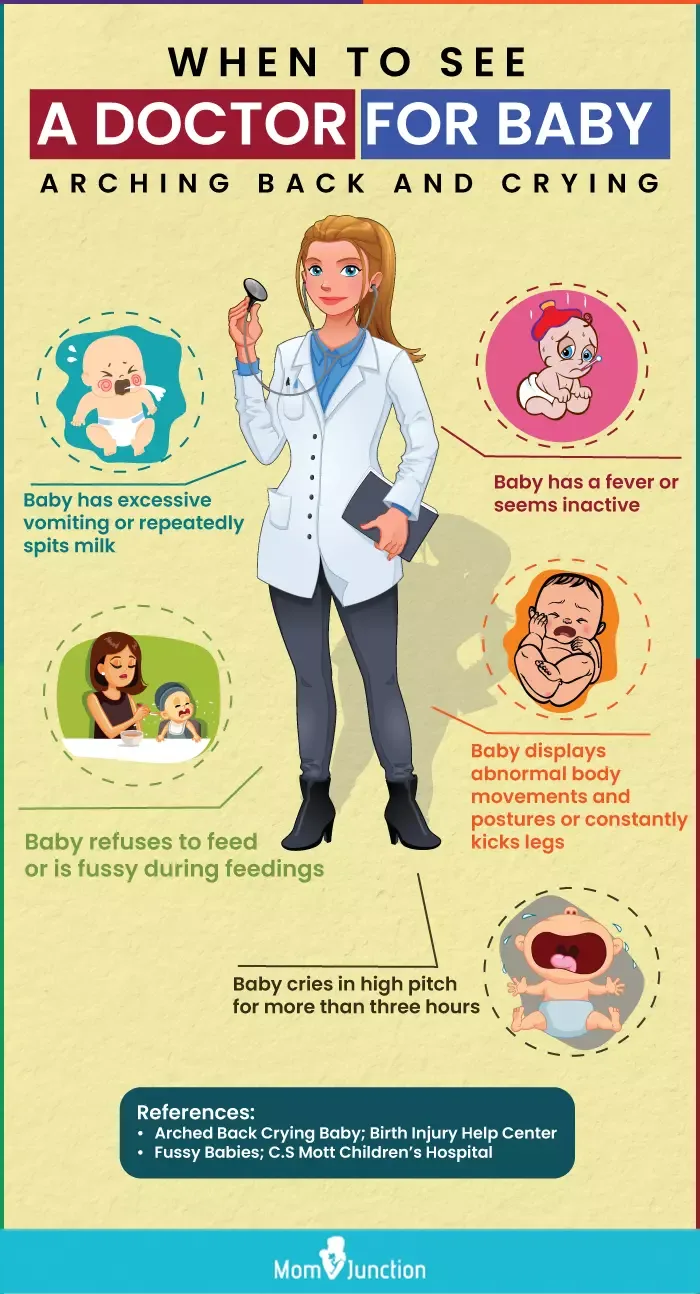
Image source: Web (Bing) / momjunction.com (Web image (fair-use with source credit))
Allergies can also disrupt sleep. Cow’s milk protein allergy affects some breastfed babies via maternal diet. Symptoms include eczema, blood in stool, and excessive gas.
Elimination diets under medical supervision help identify triggers. Do not restrict foods without guidance. Nutritional deficits harm development.
Remember, pain alters behavior. A healthy baby sleeps better. If standard soothing fails, think medically.
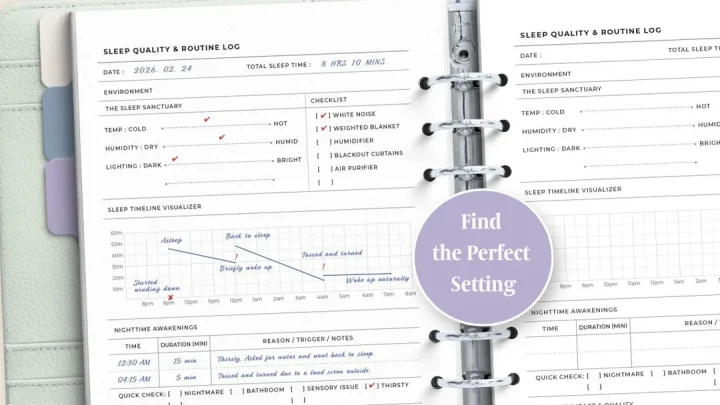
Track symptoms in a log. Note timing relative to feeds or naps. Share this data with your doctor.
Specific patterns aid accurate diagnosis. Trust your instincts. If something feels wrong, it probably is.
The Decision Workflow: How to Diagnose Your Baby’s Specific Trigger
Start with the pause. When your baby stirs or cries, wait two to five minutes before intervening. Many infants settle themselves during brief transitions between sleep cycles.
Jumping in too fast creates dependency on external soothing. If they don’t calm down, check the diaper first. A wet or dirty nappy causes immediate discomfort that disrupts rest.
Next, assess the room environment. Touch their chest or neck to gauge temperature. Sweaty skin means overheating; cool skin suggests chilling.
Adjust clothing layers accordingly rather than cranking up the heat. Ensure blackout curtains are fully drawn. Even small amounts of light can suppress melatonin production in sensitive infants.
Finally, evaluate recent changes. Did you travel or alter bedtime routines? Consistency matters more than perfection.
Revert to familiar sequences if possible. If pain signs like arching persist, skip straight to medical consultation. This linear approach eliminates guesswork and targets the root cause efficiently.
Common Pitfalls That Worsen Night Wakings
Inconsistency is the biggest mistake parents make. Switching between letting them cry and rushing in confuses the baby. They learn that persistence pays off, leading to longer wake periods.
Pick one response strategy and stick with it for at least three nights. Mixed signals create anxiety for both parent and child.
Overfeeding is another frequent error. Not every cry equals hunger. Offering milk when a baby is overtired reinforces negative sleep associations.
It also risks digestive discomfort from excess intake. Watch for true hunger cues like rooting or hand sucking. Distinguish these from stress behaviors like turning away or clenching fists.
Using screens as a calming tool backfires later. Blue light inhibits natural sleep hormones. While tempting during exhaustion, it delays genuine settling.
Instead, use low-stimulation activities like gentle rocking or soft humming. Avoid introducing new toys or gadgets during night wakings. These items become crutches that hinder independent self-soothing skills.
When to Call the Pediatrician vs. Adjust the Routine
Call your doctor immediately if your baby has a fever over 100.4°F (38°C). This applies especially to infants under three months old. Fever indicates infection requiring prompt treatment.
Also seek help for inconsolable crying lasting more than three hours. Persistent screaming without relief suggests severe pain or distress.
Look for physical red flags like vomiting bile or blood. Stools containing mucus or unusual colors warrant investigation. Difficulty breathing or pauses in respiration are emergency signs.
Do not wait for these symptoms to pass. Early detection prevents complications and provides peace of mind. Trust your instincts if something feels fundamentally wrong.
For mild fussiness without acute symptoms, try routine adjustments first. Modify wake windows or optimize bedroom conditions for one week. Track improvements in a simple log.
If no change occurs after seven days, schedule an appointment. Bring your notes to discuss patterns with the specialist. This collaborative approach ensures accurate diagnosis and effective management.

Similar Posts