How to Talk to Your Pediatrician About Night Wakings
Figuring out how to discuss frequent night waking with a pediatrician feels daunting. You’re exhausted, worried, and unsure if your child’s sleep issues are normal or serious. Many parents hesitate to speak up, fearing judgment or dismissal.
But staying silent risks missing treatable medical conditions like reflux or apnea.
The American Academy of Pediatrics notes that consistent night wakings after six months often warrant evaluation. As of 2026, guidelines emphasize ruling out physiological causes before labeling behavior as habitual. Preparation is key.
Here’s how to approach the conversation effectively.
Quick Answer
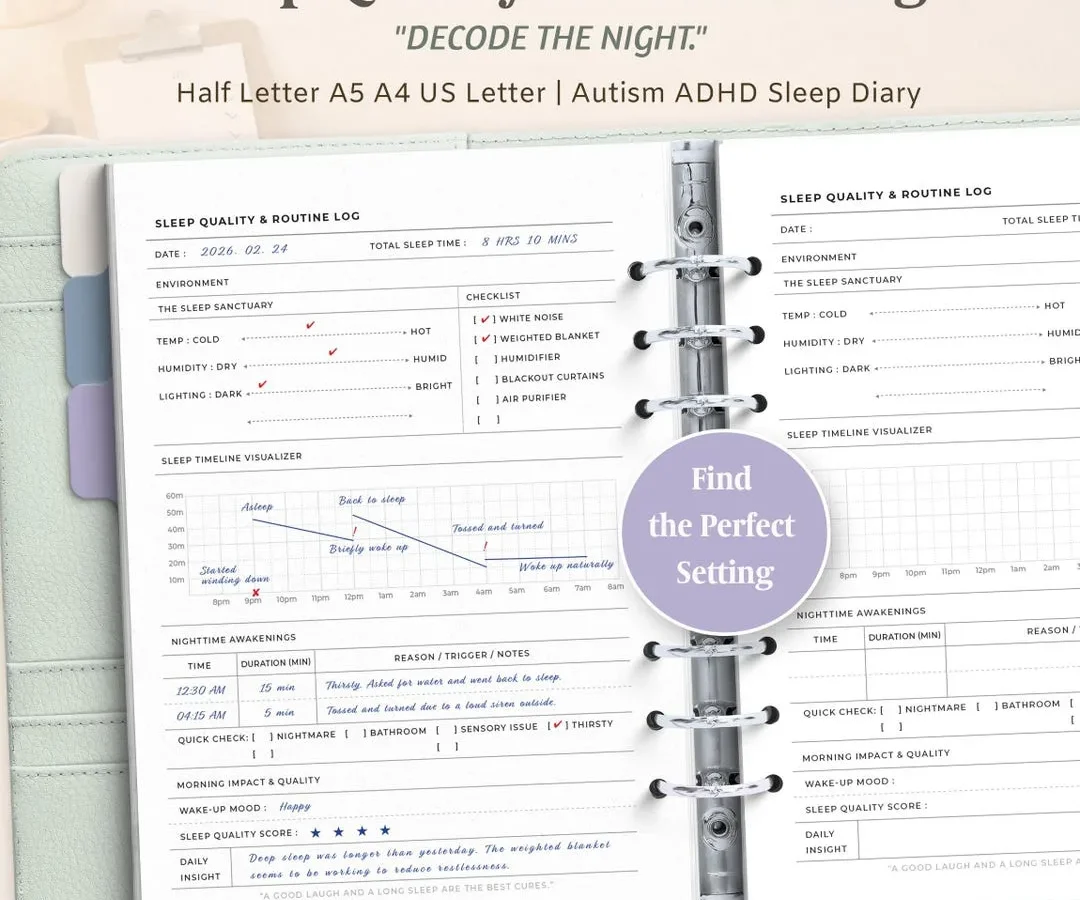
To discuss frequent night waking with a pediatrician, bring a detailed seven-day sleep log. Record wake times, durations, and soothing methods used. Describe any physical symptoms like snoring or arching.
Ask specifically about ruling out medical causes such as GERD or sleep apnea. Stay calm and factual. This data helps the doctor distinguish behavioral habits from clinical disorders efficiently.
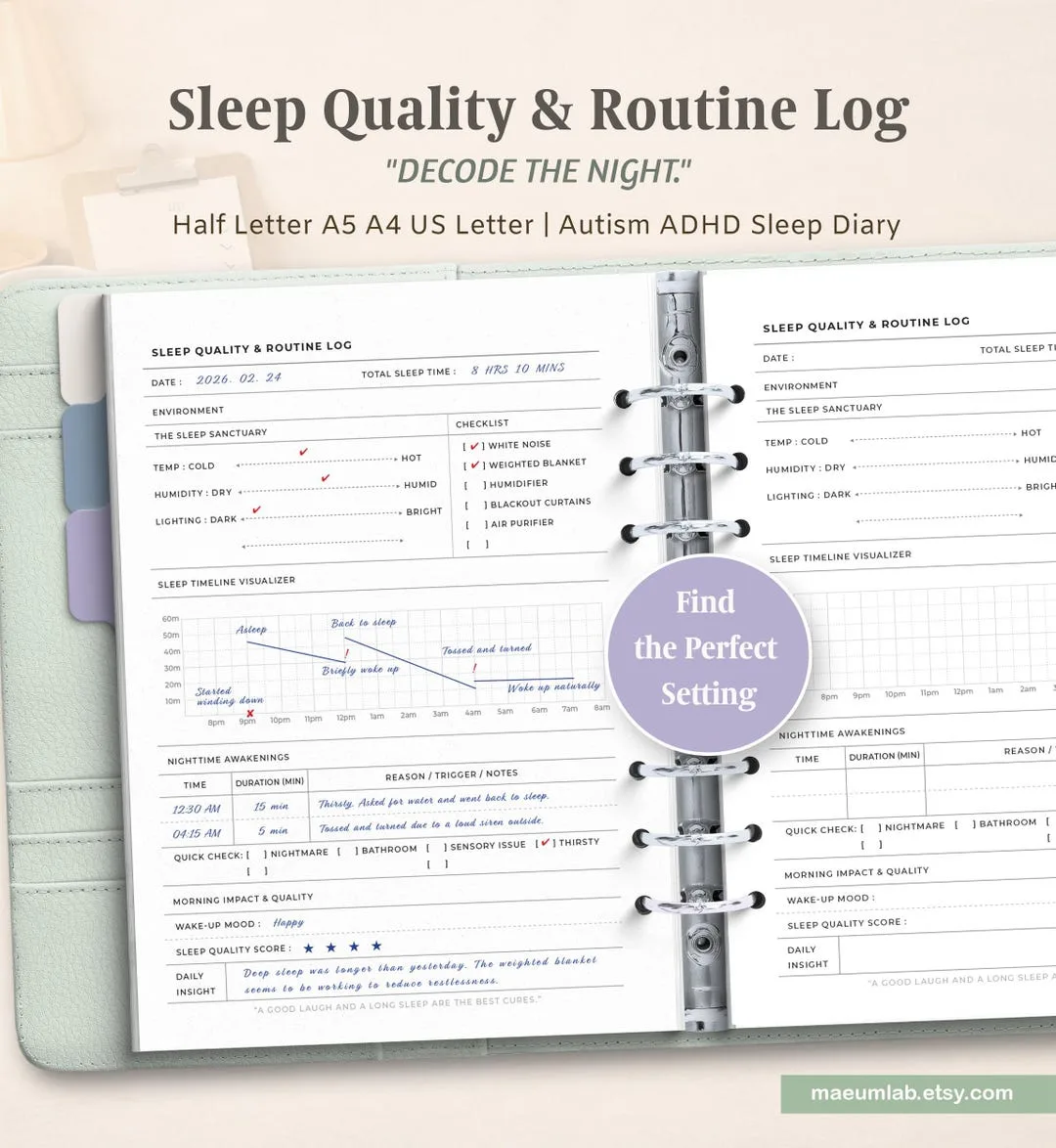
Image source: Web (Bing) / etsy.com (Web image (fair-use with source credit))
Why Your Pediatrician Needs More Than "He Just Wakes Up"
Vague descriptions leave doctors guessing. Saying "she wakes up a lot" provides no diagnostic value. Physicians need patterns, frequencies, and specific behaviors to differentiate between normal development and pathology.
They rely on objective data to determine if intervention is necessary.
Without details, providers default to reassurance. They might suggest waiting it out or offering generic sleep hygiene tips. This delays care for children with underlying issues like iron deficiency or obstructive sleep apnea.
Precision protects your child from unnecessary suffering.
Think of the appointment as a detective scene. The doctor looks for clues. You provide the evidence.
If the evidence is weak, the conclusion will be too. Strong data forces a deeper investigation. It shifts the dynamic from passive observation to active problem-solving.
The Gap Between Parent Observation and Clinical Diagnosis
Parents see chaos. Doctors look for structure. What feels like constant waking might actually be three distinct episodes per night.
Or perhaps those episodes last only thirty seconds. These nuances matter immensely.
Clinical diagnosis requires meeting specific criteria. For instance, insomnia disorder in pediatrics involves difficulty initiating or maintaining sleep despite adequate opportunity. Parents often miss the "adequate opportunity" part.
They may not realize their child’s bedtime is too late for their age.
Your role is to bridge this gap. Translate emotional exhaustion into measurable facts. Instead of saying "it was terrible," say "he woke four times, averaging twenty minutes each." This distinction allows the pediatrician to apply standardized assessment tools accurately.
Before the Appointment: Building a Clinically Useful Sleep Log
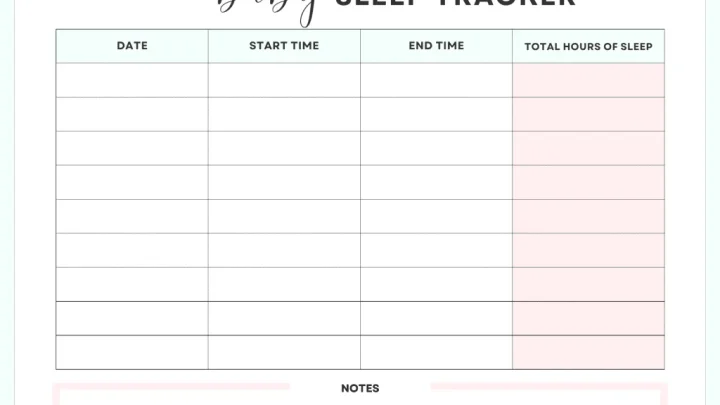
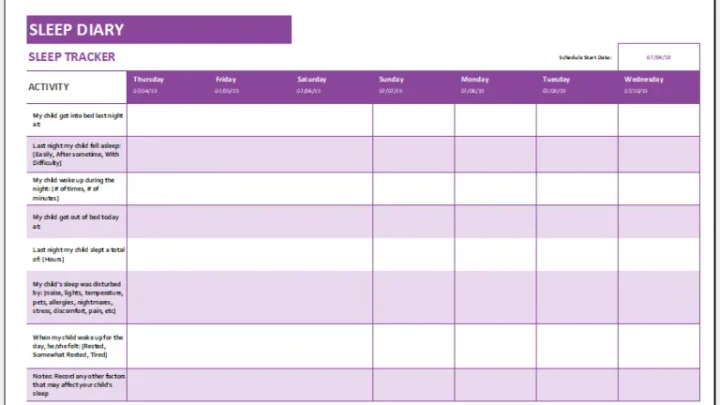
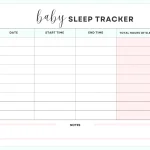
A sleep log is your most powerful tool. It transforms subjective complaints into objective data. Don’t just rely on memory.
Memories fade, especially when you’re sleep-deprived. Write everything down for at least seven consecutive nights.
Start tracking two weeks before the visit. This ensures you have enough data even if one night is an outlier. Include both weekdays and weekends.
Patterns often shift based on schedule consistency.
Focus on these critical metrics:
- Bedtime and actual sleep onset time.
- Number of awakenings per night.
- Duration of each awakening.
- Method used to soothe the child back to sleep.
- Any unusual sounds (snoring, gasping, wheezing).
- Daytime naps and total sleep duration.
Be honest about feeding or rocking. Doctors aren’t judging your parenting style. They need to know what associations exist.
If you always feed to sleep, that’s a behavioral clue. If you don’t, but the child still screams, that’s a medical clue.
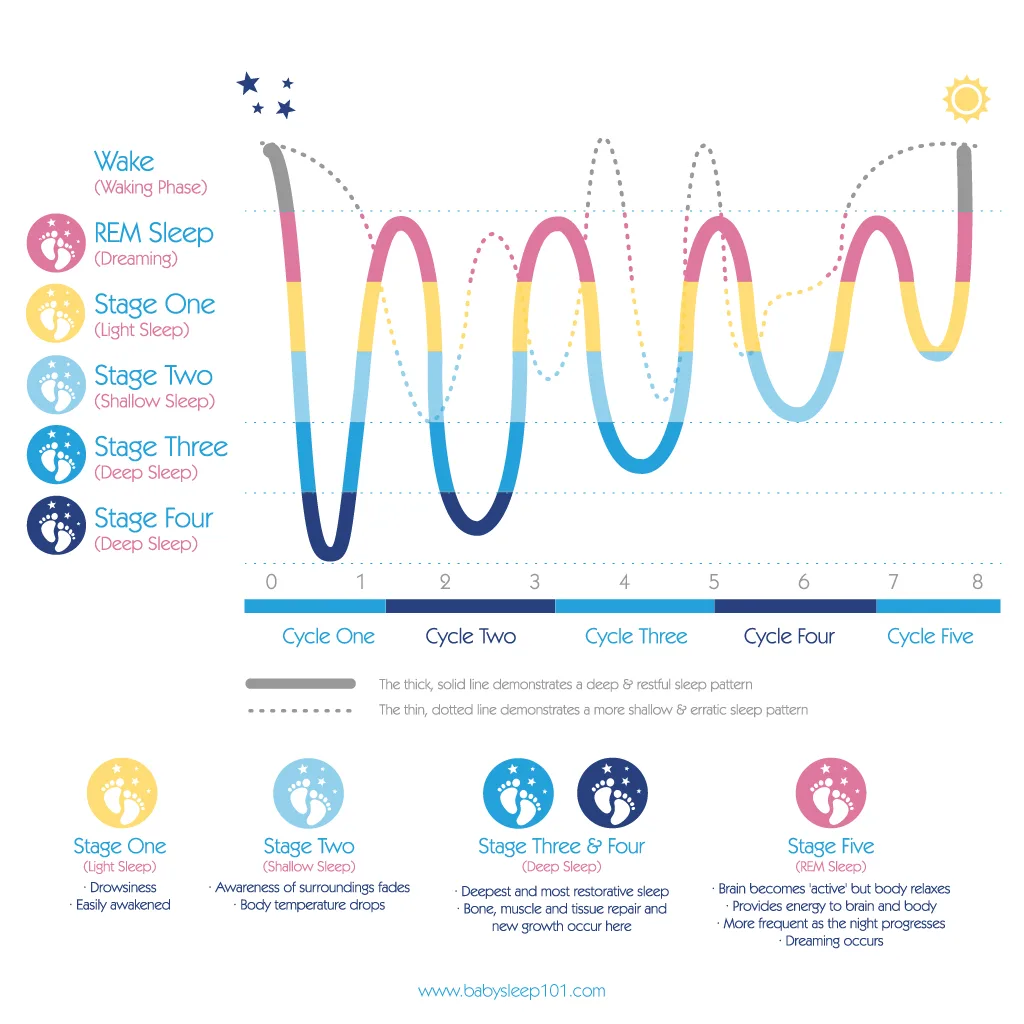
Image source: Web (Bing) / pinterest.com (Web image (fair-use with source credit))
What Data Actually Changes the Doctor’s Mind
Certain data points trigger immediate medical interest. Look for these red flags in your log:
- Snoring: Especially if accompanied by pauses in breathing.
- Mouth Breathing: Indicates nasal obstruction or adenoid hypertrophy.
- Restlessness: Kicking, thrashing, or sitting up during sleep.
- Night Sweats: Excessive sweating unrelated to room temperature.
- Morning Headaches: Rare in toddlers but significant if present.
Aggregate reviews indicate that physicians prioritize cases showing respiratory signs. A child who wakes crying but settles quickly differs vastly from one who gasps for air. The former suggests separation anxiety.
The latter suggests obstructive sleep apnea (OSA).
Include video clips if possible. Ten seconds of snoring or chest retractions speaks louder than words. Ensure the lighting is decent.
Send these securely via the patient portal beforehand. This gives the doctor time to review before you walk in.
Distinguishing Behavioral Habits from Medical Red Flags
Not all night wakings are created equal. Some stem from learned dependencies. Others signal pain or physiological distress.
Knowing the difference helps you ask the right questions.
Behavioral causes usually involve sleep-onset association disorder. The child falls asleep while nursing, rocking, or holding a pacifier. When they naturally arouse during light sleep cycles, they can’t reconnect without that same stimulus.
They cry because the comfort object is gone.
Medical causes present differently. The child may wake screaming in pain. They might arch their back intensely.
This suggests gastroesophageal reflux disease (GERD). Alternatively, they may struggle to breathe. This points to OSA or asthma.
Iron deficiency anemia is another overlooked culprit. Low ferritin levels disrupt dopamine pathways. This leads to restless legs syndrome (RLS) and fragmented sleep.
Standard blood panels often miss low-normal ferritin. Explicitly request a ferritin test if restlessness is prominent.

Image source: Bing (Web (fair-use with source credit))
When Night Wakings Signal Reflux, Apnea, or Iron Deficiency
Reflux pain worsens when lying flat. Infants may spit up frequently. Older toddlers might complain of stomach ache or refuse dinner.
Watch for weight loss or poor growth curves. These align with caloric loss from vomiting.
Sleep apnea manifests through airway obstruction. Enlarged tonsils or adenoids block airflow. The brain senses oxygen drops and triggers arousal.
Parents hear loud snoring. Children may sleep in unusual positions to keep airways open. Neck hyperextension is a classic sign.
Iron deficiency doesn’t always show obvious anemia. Ferritin stores can deplete before hemoglobin drops. Symptoms include pale skin, fatigue, and pica (eating non-food items).
If your child kicks excessively or seems unable to stay still, mention RLS possibilities.
Per American Academy of Sleep Medicine guidelines, screening for these conditions is vital before attempting behavioral modification. Treating behavior alone won’t fix a blocked airway.
Structuring the Conversation: A Script for High-Stakes Clarity
Time is limited. Most well-child visits offer ten to fifteen minutes. You cannot afford rambling.
Prepare a concise summary statement. Start with the impact, then the data, then the question.
Begin by stating the functional impairment. "Our family is exhausted, and my son’s daytime mood has declined." This establishes urgency. Follow with the log highlights.
"He wakes five times nightly, averaging thirty minutes each. He snores loudly every time."
Then pivot to medical inquiry. "Could this be related to his adenoids or iron levels?" Avoid asking for solutions immediately. First, seek diagnosis.
Premature requests for sleep training advice shut down medical exploration.
Use "I" statements to reduce defensiveness. Say "I noticed he gasps" rather than "You didn’t check his breathing." Collaboration works better than accusation. Bring printed copies of your log.
Hand them over physically. Digital files sometimes get lost in portals.
How to Present Symptoms Without Sounding Defensive
Doctors respond well to organized concerns. They dislike vague accusations. Stick to observable facts.
Describe what you saw and heard. Avoid interpreting motives.
Instead of saying "He hates sleeping alone," try "He cries until we pick him up." The first is an opinion. The second is a fact. Facts build credibility.
Opinions invite debate.
If the doctor dismisses your concerns, pause. Take a breath. Ask clarifying questions.
"What specific criteria would lead you to suspect a medical issue?" This invites them to explain their reasoning. It often reveals gaps in their assessment.
Remember, you are the expert on your child. The doctor is the expert on medicine. Combine these insights.
Trust your instincts if something feels off. Second opinions are valid in pediatric sleep medicine.
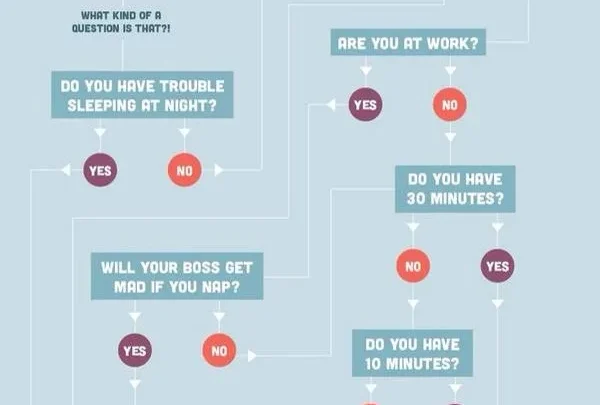
Navigating the Diagnostic Decision Tree
Once you’ve presented your case, the doctor will assess next steps. Understanding this workflow prevents confusion. It also helps you advocate effectively.
The process typically follows three branches: observation, testing, or referral. Simple behavioral issues might just need education. Moderate concerns require lab work.
Severe symptoms demand specialist intervention.
| Scenario | Likely Action | Expected Outcome |
|---|---|---|
| Mild waking, no red flags | Sleep hygiene counseling | Improved routines in 2-4 weeks |
| Snoring, mouth breathing, fatigue | ENT referral or sleep study | Diagnosis of OSA or adenoid hypertrophy |
| Arching, spitting up, weight loss | GI evaluation or pH probe | Confirmation of GERD or eosinophilic esophagitis |
| Restlessness, kicking, pale skin | Ferritin blood test | Identification of iron deficiency anemia |
Ask explicitly which branch applies to your child. "Do we start with lifestyle changes, or do we need labs now?" Clear answers prevent wasted time.
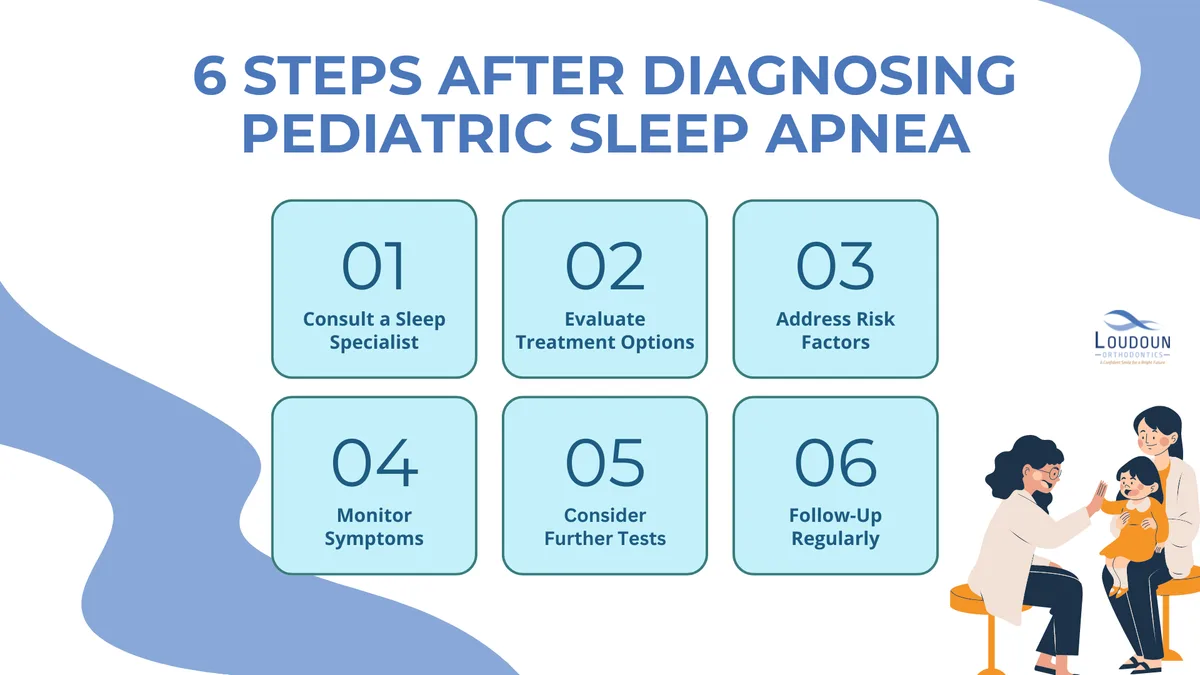
Image source: Web (Bing) / loudounorthodontics.com (Web image (fair-use with source credit))
From Observation to Testing: What to Expect at Each Stage
Observation involves monitoring patterns for two weeks. The doctor may adjust bedtimes or nap schedules. If no improvement occurs, escalate to testing.
Don’t linger in observation mode indefinitely. Set a deadline. "Let’s try this for fourteen days.
If nothing changes, we proceed to labs."
Testing usually starts with blood work. Complete Blood Count (CBC) checks for anemia. Ferritin tests iron stores.
Thyroid function screens rule out metabolic issues. These are simple, low-risk procedures. Insist on them if symptoms persist.
Referrals happen when primary care hits its limit. An Ear, Nose, and Throat (ENT) specialist evaluates airway anatomy. A pulmonologist manages sleep studies.
A gastroenterologist handles reflux complications. Know these pathways ahead of time. It speeds up access.
Insurance coverage varies. Check your policy for polysomnography (sleep study) requirements. Prior authorization is common.
Get the referral letter immediately. Delaying paperwork adds weeks to the process.
Common Pitfalls That Lead to Dismissed Concerns
Many parents inadvertently undermine their case by focusing on solutions too early. Asking "How do I stop this?" before establishing the cause signals a behavioral issue. Doctors then default to sleep training advice.
This bypasses critical medical rule-outs. You must insist on identifying the root problem first.
Another frequent error is minimizing symptoms to appear reasonable. Parents often downplay severity to avoid seeming anxious. They might say, "He only wakes twice," when it’s actually five times.
This false modesty misleads the clinical assessment. Always report the worst-case scenario from your log. Accuracy builds trust.
Exaggeration destroys it.
Mistakes Parents Make During the Consultation
Don’t let guilt dictate your narrative. Many caregivers feel ashamed of co-sleeping or night feeding. They hide these practices from the pediatrician.
This omission blinds the doctor to key associations. Be transparent about your current routine. It helps them tailor realistic interventions.
Secrets prevent effective treatment plans.
Avoid bringing multiple people into the exam room. A crowded space creates noise and distraction. Stick to one primary caregiver for clarity.
If both parents attend, designate one speaker. The other can take notes. This ensures consistent messaging.
Conflicting accounts confuse the diagnostic process.
Finally, don’t accept vague reassurances without follow-up questions. If the doctor says, "It’s just a phase," ask why. Request specific markers that define the end of that phase.
Push for a timeline. "When should we return if no change occurs?" This holds the provider accountable. It prevents indefinite waiting periods.
Document every answer given during the visit.
Frequently Asked Questions About Pediatric Sleep Evaluations
Should I bring video evidence to the appointment?
Yes, short clips are highly valuable. Record ten seconds of snoring, gasping, or unusual movements. Upload them via the patient portal beforehand.
This allows the physician to review details calmly. Live demonstrations in the office are rarely possible. Visual proof eliminates ambiguity about sound descriptions.
How long does a typical sleep consultation take?
Standard well-child visits offer limited time. Dedicated sleep appointments usually last thirty minutes. Schedule a longer slot if possible.
Rushed exams miss subtle clinical signs. Ask the front desk for extended availability. Proper evaluation requires thorough history taking.
Don’t settle for a quick glance at charts.
What if my pediatrician refuses to order tests?
Request a written explanation of their reasoning. Ask specifically what criteria would trigger further investigation. Seek a second opinion if concerns persist.
Trust your instincts regarding your child’s health. Persistent symptoms deserve persistent advocacy. Document all interactions for future reference.
Your diligence drives better outcomes.
Are home sleep trackers accurate enough for diagnosis?
Consumer wearables provide rough estimates only. They lack clinical precision for staging sleep cycles. Use them as supplementary data, not primary evidence.
Focus on manual logs for reliability. Algorithms often misinterpret quiet awake states. Doctors prefer observed behavioral patterns.
Combine tech data with human observation.

Similar Posts