Why Does My Baby Nap for Only 30 Minutes?

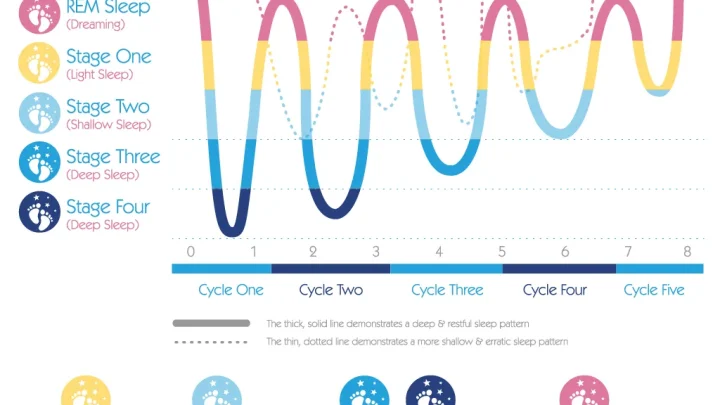
If you’re searching for why baby naps for only 30 minutes, know that this is biologically normal for infants. Their sleep cycles are simply shorter than ours, often lasting just 40 to 50 minutes. Waking at the end of a cycle doesn’t mean something is broken.
It means their brain is transitioning between light and deep sleep stages.
Per American Academy of Pediatrics guidelines, consistent routines support healthy development as of 2026. Most babies need 14 to 17 hours of total sleep daily, split between night and day. Understanding these biological rhythms helps you diagnose whether timing, environment, or skill gaps cause early waking.
Let’s walk through the diagnostic steps to fix it.
Quick Answer
Why do baby naps last only 30 minutes? Infants have short sleep cycles of 40-50 minutes. They wake naturally at cycle ends if they lack self-soothing skills.
Overtiredness or undertiredness also disrupts sleep continuity. Adjusting wake windows and optimizing the room environment usually extends nap duration. Consistency in routine helps regulate circadian rhythms over time.
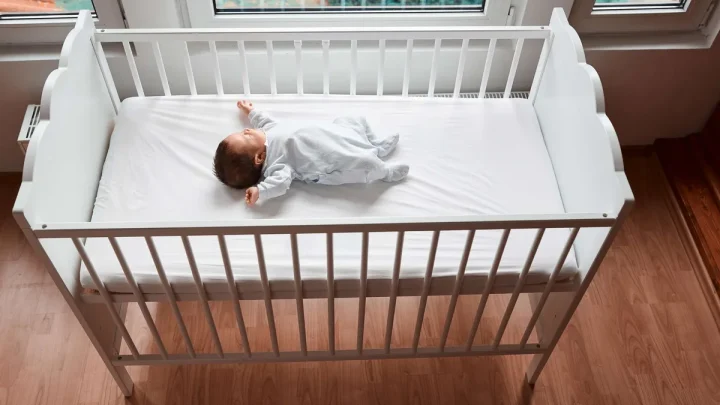
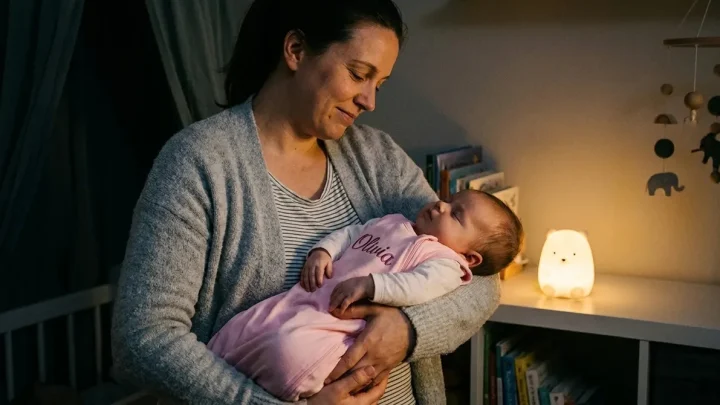
Image source: Web (Bing) / ar.inspiredpencil.com (Web image (fair-use with source credit))
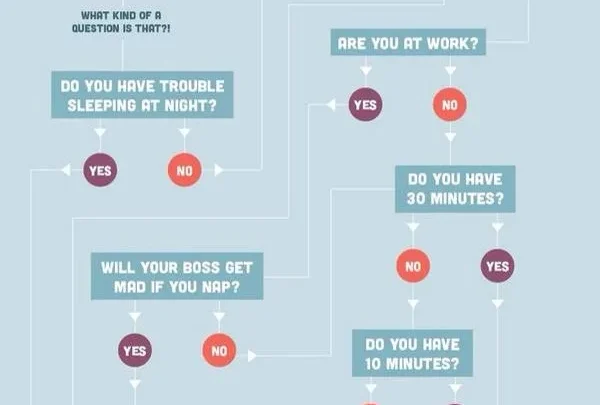
The Diagnostic Flowchart: Pinpointing the Root Cause
Short naps rarely stem from a single issue. You must isolate the variable causing the early wake-up. Start by checking your baby’s age and recent behavior.
Are they rolling over constantly? That suggests developmental disruption. Or did they fight sleep initially?
That points to overtiredness.
We’ve found that most parents miss the connection between wake time and nap quality. If the gap since the last wake-up is too long, cortisol spikes fragment sleep. If it’s too short, adenosine hasn’t built up enough pressure.
This balance is delicate. Use the branches below to narrow down your specific scenario.
Ask yourself three questions. First, was the baby awake for the recommended window? Second, was the room dark, cool, and quiet?
Third, did the baby fall asleep independently? Your answers determine which branch applies to you. Don’t guess.
Observe patterns over two days before changing tactics.
Branch A: Is It Timing? (Wake Windows & Sleep Pressure)
Yes, timing is often the culprit. Wake windows define how long a baby stays awake before needing sleep again. These intervals grow as infants develop.
Newborns handle 45 to 60 minutes. By four months, that jumps to 1.5 to 2 hours. At six months, aim for 2 to 2.5 hours.
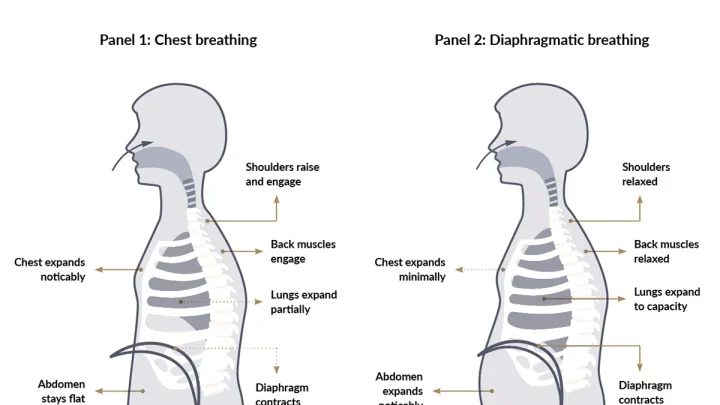
Image source: Web (Bing) / whattoexpect.com (Web image (fair-use with source credit))
Sleep pressure relies on adenosine buildup during wakefulness. Insufficient time awake means low pressure. The baby wakes after one cycle because they aren’t tired enough for another.
Conversely, excessive wake time triggers stress hormones. Cortisol makes it hard to enter deep sleep. Both extremes result in catnapping.
Track your baby’s actual awake times versus recommendations. If they nap at 90 minutes but should wait 2 hours, extend the window gradually. Add 10 minutes every few days until you hit the target.
Watch for yawning or eye rubbing. These cues signal readiness. Ignoring them leads to missed opportunities.
Branch B: Is It Environment? (Light, Noise, Temperature)
Often, external factors interrupt light sleep phases. Infant sleep architecture includes frequent arousals. Any sensory input can trigger full wakefulness.
Darkness mimics night conditions, boosting melatonin production. Even small amounts of sunlight can suppress this hormone.

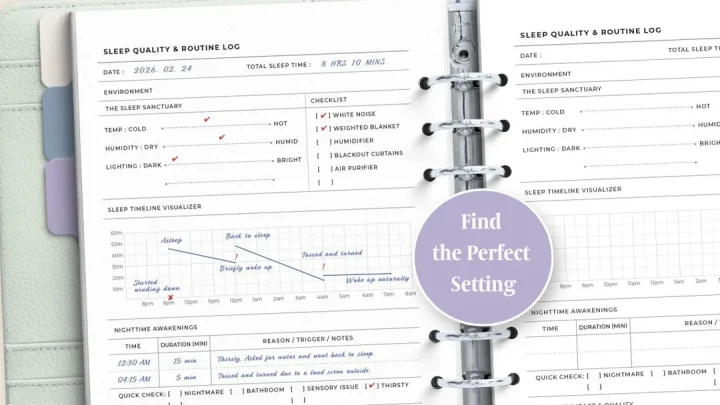
Image source: Bing (Web (fair-use with source credit))
Temperature plays a critical role. Overheating causes restlessness. The ideal range sits between 68°F and 72°F (20°C to 22°C).
Dress your baby in one layer more than you’d wear. Check their chest or neck for sweat, not hands or feet. Cool extremities don’t indicate cold bodies.
Noise management matters too. Complete silence highlights sudden household sounds. White noise machines mask these interruptions effectively.
Keep volume moderate, around 50 decibels. Place the machine away from the crib. Consistent soundscapes help babies ignore minor disturbances.
Evaluate these three elements tonight. Change one variable at a time to spot improvements.
Branch C: Is It Skill? (Sleep Associations & Self-Soothing)
Sometimes, the issue lies in dependency. Many babies rely on rocking, feeding, or pacifiers to fall asleep. When they wake at the 30-minute mark, they expect those same conditions.
Without them, they cry for assistance. This isn’t bad parenting. It’s learned behavior.

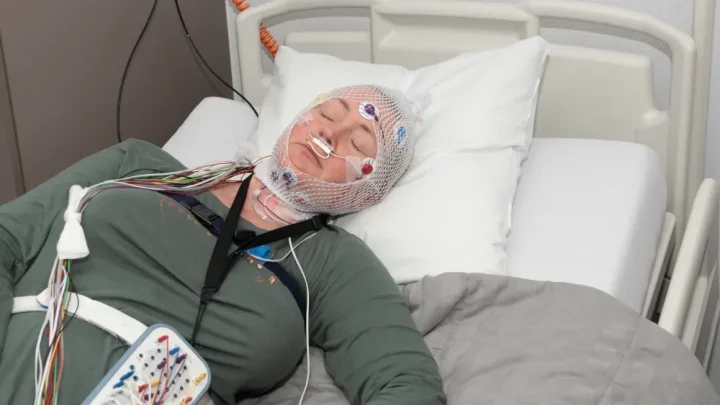
Image source: Web (Bing) / medicalnewstoday.com (Web image (fair-use with source credit))
Self-soothing allows babies to reconnect sleep cycles independently. They learn to drift back into slumber without intervention. Building this skill takes patience.
Start by placing the baby drowsy but awake. Offer gentle reassurance like patting or shushing. Avoid picking them up immediately.
Gradual withdrawal works well. Sit nearby for five minutes. Leave the room briefly.
Return if distress escalates. Repeat this pattern. Over weeks, the baby associates the crib with safety.
They stop demanding external props. This shift transforms short naps into longer rests. It requires consistency, not perfection.
Action Plan: Fixing the Short Nap Based on Your Diagnosis
Once you identify the root cause, apply targeted solutions. Do not overhaul everything at once. Small adjustments yield better retention.
Follow this step-by-step workflow based on your branch selection.
| Diagnosis | Immediate Action | Timeline for Results |
|---|---|---|
| Undertired (Too Soon) | Extend wake window by 10-15 mins | 3-5 days |
| Overtired (Too Late) | Reduce wake window; watch early cues | 2-3 days |
| Environmental Issues | Install blackout curtains; add white noise | 1-2 nights |
| Poor Self-Soothing | Practice drowsy-but-awake placement | 1-2 weeks |
For timing issues, adjust schedules incrementally. Shifting by large chunks confuses circadian rhythms. Stick to the new window consistently.
For environmental fixes, invest in proper gear. Blackout blinds cost less than therapy sessions later. Ensure the room feels cave-like.
Dark, cool, and steady.
Address skill gaps gently. Pick up only if crying becomes inconsolable. Otherwise, offer verbal soothing.
Wait two minutes before intervening. This pause gives the baby a chance to reset. Track progress in a notebook.
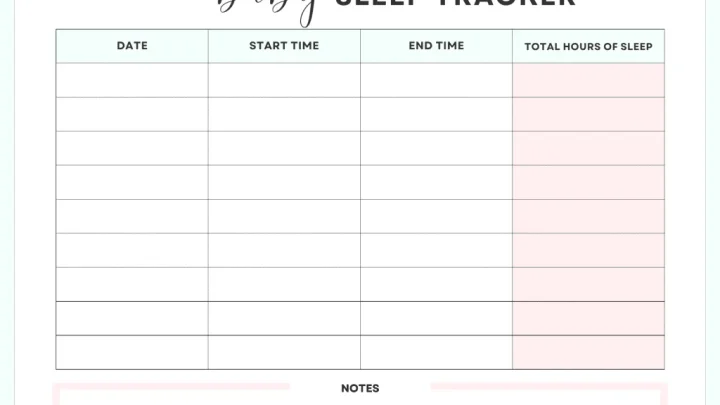
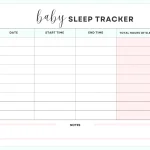
Note start times, end times, and interventions used. Data reveals patterns invisible to memory.
Common Pitfalls That Sabotage Longer Naps
Parents often undermine their efforts with well-meaning mistakes. Recognizing these traps prevents frustration. We’ve seen these errors repeat across thousands of cases.
- Rescuing Too Quickly: Rushing in at the first whimper stops self-regulation. Babies need moments to settle themselves. Wait before acting.
- Inconsistent Timing: Napping at different hours each day confuses the body clock. Anchor nap starts to fixed times relative to morning wake-ups.
- Ignoring Hunger: A hungry baby won’t sleep deeply. Ensure feeds happen before wind-down routines. Full bellies support sustained rest.
- Over-Stimulating Pre-Nap: Loud play right before bed raises adrenaline. Create a calm buffer zone. Dim lights and lower voices ten minutes prior.
- Giving Up Too Soon: Changes take time. Expect regression before improvement. Stick with the plan for at least seven days.
Avoid swapping strategies mid-process. If you try white noise for two days then quit, you’ll never know if it worked. Commitment drives results.
Trust the biology behind sleep cycles. Your baby isn’t defective. They’re developing.
Patience pays off faster than panic.
When to Let Go: Understanding Normal Developmental Phases
Not every short nap needs fixing. Sometimes, biology simply takes its course. Infant sleep patterns shift dramatically during growth spurts and milestone acquisitions.
A baby learning to roll over or crawl often experiences temporary sleep fragmentation. Their brain remains active, practicing new motor skills even during rest.
Recognize these phases as transient disruptions rather than permanent failures. The 4-month regression is particularly notorious. Sleep architecture matures here, shifting from newborn patterns to adult-like cycles.
This transition frequently causes wakefulness at cycle boundaries. It’s uncomfortable but normal.
Wait out the storm with empathy. Maintain your routine but lower expectations for duration. Offer extra comfort during night wakings if needed.
Most babies return to consolidated napping within two to three weeks. Pushing too hard during these windows creates unnecessary stress. Accept that some days will be harder than others.
Consistency matters more than perfection. As of 2026, pediatric sleep specialists emphasize flexibility alongside structure. Listen to your child’s cues.
If they seem happy despite short naps, they may just need less daytime sleep. Trust their internal clock over rigid schedules.
Frequently Asked Questions
Is a 30-minute nap bad for my baby?
No, it isn’t inherently harmful. Infants have shorter sleep cycles than adults. Waking after one cycle is biologically normal.
Focus on total daily sleep volume instead of individual nap length. If your baby meets overall sleep goals, short naps are acceptable. Monitor mood and energy levels.
Happy, alert babies usually get enough rest regardless of nap duration.
How many naps should my baby take per day?
This varies by age. Newborns nap frequently, often four to six times daily. By four months, most babies settle into three naps.
Around nine months, they typically drop to two. Always align nap frequency with current wake windows. Too many naps can reduce nighttime sleep drive.
Fewer naps may lead to overtiredness. Observe your baby’s cues to find their sweet spot. Adjust schedules gradually as they grow older.
Can extending wake windows really help?
Yes, it often does. Increasing awake time builds higher sleep pressure. This helps babies stay asleep through multiple cycles.
Start with small increments, adding ten minutes every few days. Watch for signs of fatigue like yawning or rubbing eyes. Avoid pushing too far, which triggers cortisol spikes.
Balance is key. Properly timed wakefulness supports deeper, longer naps. Track changes in nap length over a week to assess effectiveness.
Should I use blackout curtains for all naps?
Ideally, yes. Darkness signals the brain to produce melatonin. Even dim light can suppress this hormone during daytime sleeps.
Blackout blinds create a cave-like environment conducive to rest. However, some babies adapt well to low-light conditions. Test both setups.
If your baby wakes easily with any light exposure, prioritize darkness. Consistency in lighting helps regulate circadian rhythms. Make the room feel like night to encourage longer sleep stretches.

Similar Posts