Why Baby Wakes After One Sleep Cycle

You’re exhausted, staring at the clock, wondering why your baby wakes after one sleep cycle instead of sleeping through the night. It’s not a mystery or a sign you’ve failed. It’s biology meeting behavior in a messy, predictable collision that most parents face but few understand deeply enough to fix quickly.
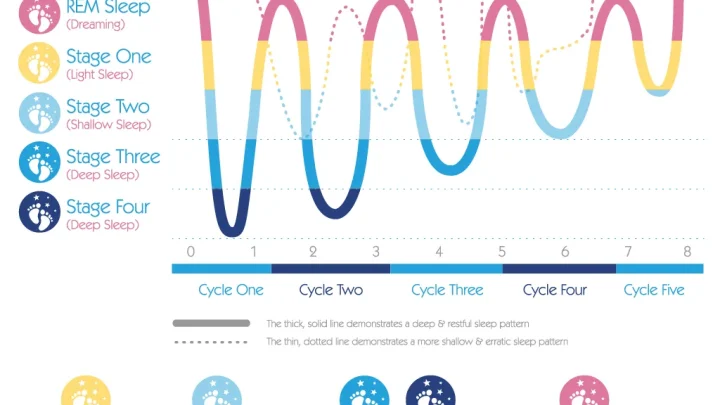
Infant sleep cycles are short, lasting just 40 to 50 minutes for newborns, according to data from the American Academy of Pediatrics. As babies grow, these cycles lengthen, but the transition points remain fragile wake-up triggers. Let’s break down exactly what’s happening in those critical moments so you can stop guessing and start solving.
Image source: Web (Bing) / ar.inspiredpencil.com (Web image (fair-use with source credit))
Quick Answer
Why does baby wake after one sleep cycle? Their brain hits a light-sleep transition point. They lack self-soothing skills to bridge the gap.
Hunger, discomfort, or habit then pulls them fully awake. Fixing this requires identifying the specific trigger first. You cannot solve it without knowing the cause.
Most wakings stem from sleep associations, not medical issues. Address the root cause, not the symptom.
Your Baby Isn’t Broken: The Biology of Sleep Cycles
Your baby isn’t broken; their brain is simply immature. Adults have robust deep-sleep stages that act as buffers against waking. Infants don’t.
Their architecture is different.
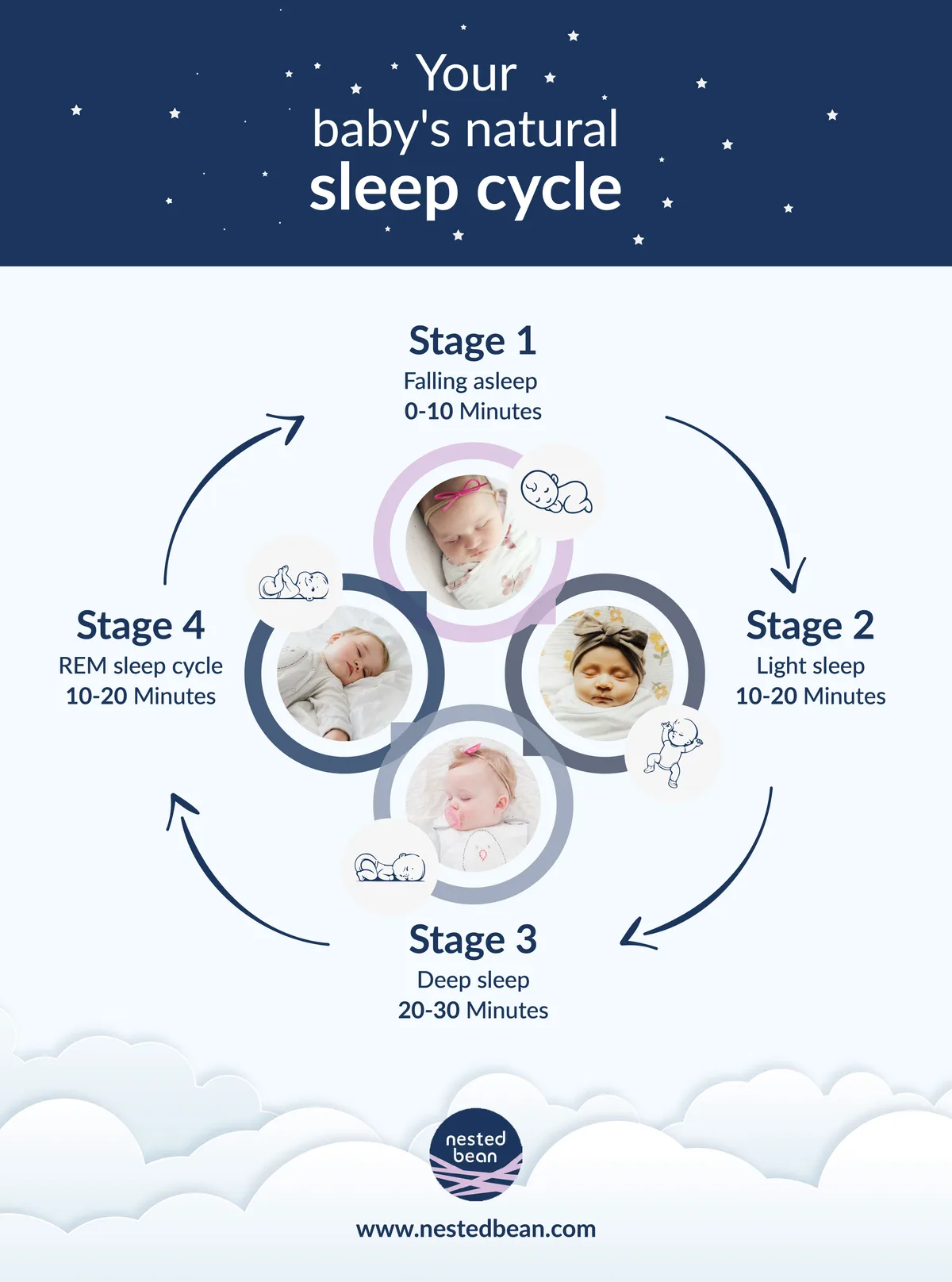
Image source: Web (Bing) / storage.googleapis.com (Web image (fair-use with source credit))
Newborns spend nearly half their time in Active Sleep. This looks like REM sleep in adults. It’s lighter, dreamier, and easier to disrupt.
Quiet Sleep follows, which is deeper but still brief.
The transition between these stages is the danger zone. When a baby shifts from Active to Quiet Sleep, or vice versa, arousal thresholds drop. Any small disturbance can pull them up.
Think of it like changing gears in a manual car. If you jerk the clutch, the engine stalls.
By four months, the pattern solidifies into distinct NREM and REM phases. But the cycles remain short. A six-month-old might have 60-minute cycles.
An eighteen-month-old may reach 90 minutes. Until they learn to stitch these together independently, every cycle end is a potential wake-up call. This is normal physiology, not a defect.
The Diagnostic Flowchart: Is It Hunger, Habit, or Heat?
Stop treating every waking the same way. That’s how you create chaos. You need to diagnose the trigger before you intervene.
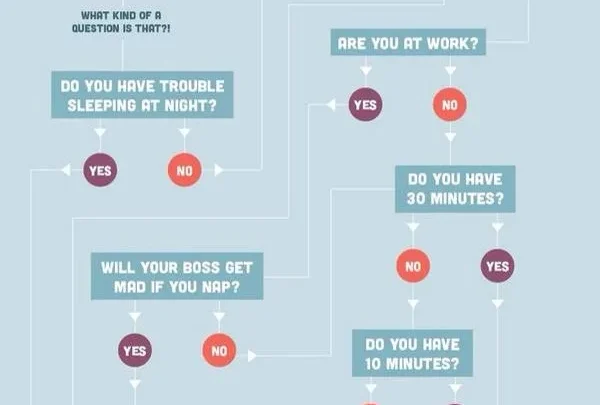
Use this simple flowchart logic to pinpoint the cause.
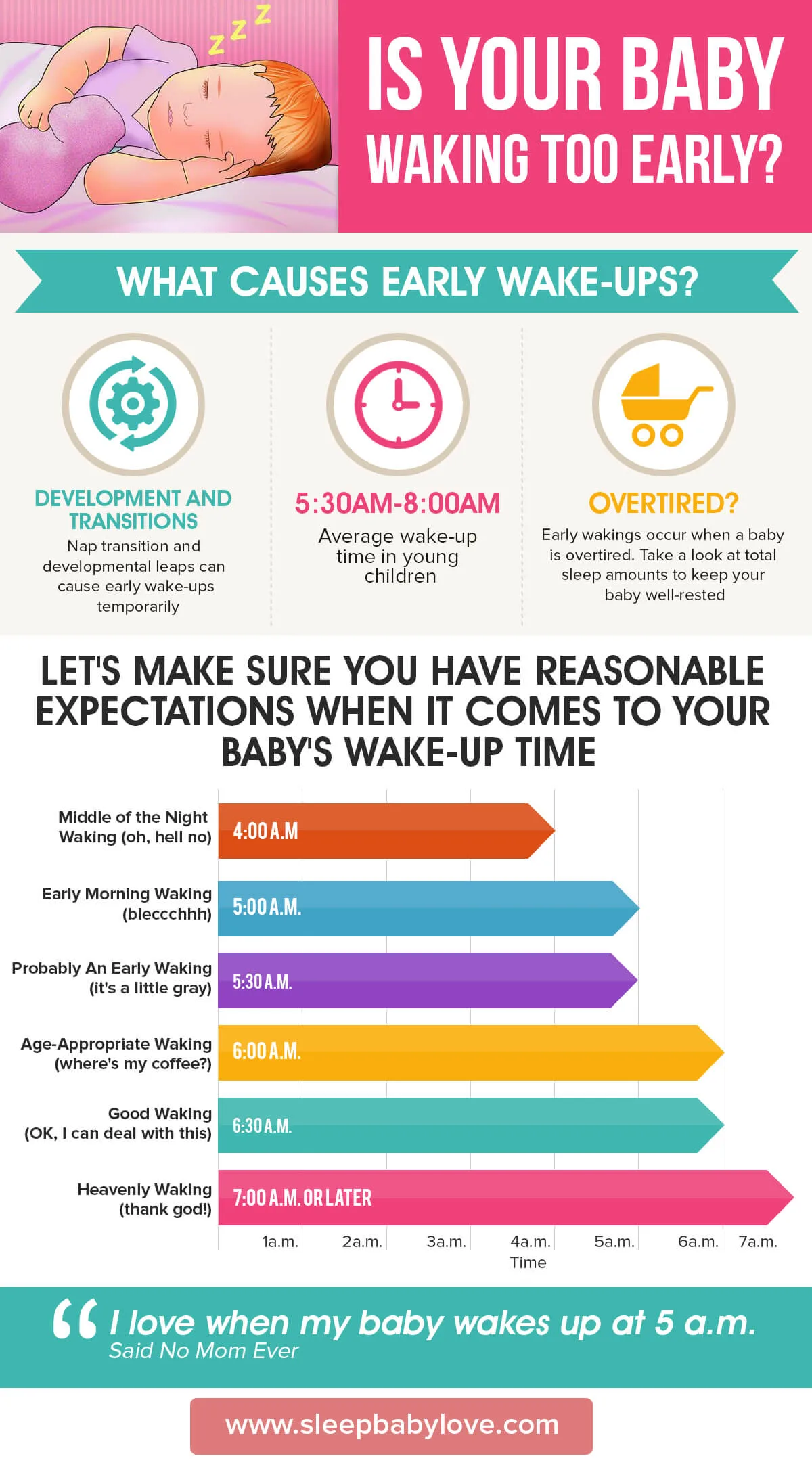
Image source: Web (Bing) / sleepbabylove.com (Web image (fair-use with source credit))
First, check the timing. Did they wake exactly 30 to 45 minutes after falling asleep? If yes, it’s likely a cycle transition issue, not hunger.
True hunger usually presents earlier or later, depending on the last feed.
Next, assess the environment. Is the room too hot? Overheating is a top cause of fragmented sleep.
Check their neck or chest. Sweaty means cool it down. Dry and warm is ideal.
Also, listen for noise. Sudden sounds during light sleep will always wake an infant.
Finally, observe the response. Do they settle instantly if you pat them? Or do they scream until fed?
Immediate settling suggests a need for reassurance (habit). Persistent screaming despite comfort suggests genuine distress (pain, hunger, or diaper).
| Symptom | Likely Cause | Immediate Action |
|---|---|---|
| Wakes at 40 mins, cries hard | Sleep Association/Habit | Pause, wait 2 mins, minimal touch |
| Wakes hungry, feeds well | Genuine Hunger | Increase day calories, adjust schedule |
| Wakes sweating/kicking | Overheating | Lower temp, change clothing |
| Wakes arching back | Reflux/Pain | Consult pediatrician, upright hold |
This triage saves hours of trial and error. You aren’t fixing "bad sleep"; you’re fixing a specific variable.
Branch 1: The Physiological Wake-Up (0–4 Months)
In the first four months, you can’t really "train" sleep. The brain isn’t ready. Focus on comfort and biological needs.
These babies wake because their bodies demand it.
Hunger is the primary driver. Newborns have tiny stomachs. They digest breast milk or formula quickly.
Expect to feed every two to three hours. Don’t try to stretch this artificially. It leads to stress hormones that worsen sleep.
Diaper changes also play a role. A wet diaper feels cold and uncomfortable during light sleep transitions. Change proactively before bed if possible, but avoid full wake-ups if they’re just fussing.
Sometimes a quick wipe is enough.
Colic and gas are major culprits here. Immature digestive systems struggle to process air swallowed during feeding. Burping thoroughly helps.
Bicycle legs can relieve trapped gas. If your baby wakes screaming, pulling knees to chest, suspect pain rather than tiredness.
White noise is your best friend in this phase. It mimics the womb environment. It masks sudden household sounds that trigger arousals.
Keep it consistent throughout the night. Volume should be moderate, around 50 decibels, placed away from the crib.
Remember, frequent wakings are normal. Aim for responsive care. Feed, soothe, and return to sleep.
You’re building trust, not independence yet. This foundation matters for later stages.
Branch 2: The Association Trap (4–8 Months+)
Around four months, sleep architecture matures. This is where habits form. If your baby relies on you to fall asleep, they’ll rely on you to stay asleep.

Image source: Web (Bing) / storage.googleapis.com (Web image (fair-use with source credit))
Consider rocking. If you rock your baby to sleep, they associate motion with drowsiness. When they hit a light sleep phase at the end of a cycle, the motion stops.
Panic sets in. They cry to restore the condition they fell asleep with.
Feeding to sleep creates a similar loop. The suckling reflex is soothing. If it’s the only way they drift off, they need it again at each transition.
This isn’t hunger. It’s a crutch.
Pacifiers work similarly. If it falls out during sleep, the baby wakes to find it. They haven’t lost the ability to sleep.
They’ve lost the tool they used to initiate it.
Breaking this trap requires gradual detachment. Start by removing one element. If you rock, stop when they’re drowsy but awake.
Place them in the crib. Pat gently. Let them finish the journey to sleep alone.
It will be tough. They’ll protest. But consistency teaches them that the crib is safe.
They learn to self-soothe. This skill bridges the gap between cycles. Without it, every wake-up becomes a negotiation.
With it, they roll over and drift back into the next cycle seamlessly.
Branch 3: The Over-Tired Cortisol Spike
You might think a tired baby sleeps better. That’s rarely true. Overtiredness triggers a stress response that fragments sleep further.
When wake windows exceed age-appropriate limits, cortisol levels rise. This hormone acts as a stimulant. It raises the arousal threshold just when you need it low.
Your baby enters a hyper-alert state. They fight sleep instead of surrendering to it.
Watch for early cues. Rubbing eyes, yawning, or glazed stares signal readiness. Ignore them, and you’ll miss the window.
By the time they cry, the damage is done. You’re now battling chemistry, not habit.
Adjust your schedule immediately. Shorten daytime naps if necessary. Ensure consistent bedtimes within 15 minutes each night.
Predictability lowers anxiety. It helps the circadian rhythm lock in.
If your child wakes screaming after 40 minutes, check their last nap. Was it too long? Too short?
An overtired baby often wakes from light sleep phases unable to settle. They lack the calm required to bridge cycles. Restoring balance takes days, not hours.
Be patient but firm with timing.
The Action Plan: Bridging the Gap Without Rocking
Once you’ve diagnosed the cause, pick your intervention. If it’s hunger, feed more during the day. If it’s heat, adjust the thermostat.
But if it’s association, you need a strategy change.
Start with the "pause." When your baby stirs at a cycle transition, don’t rush in. Wait two to three minutes. Many infants resettle on their own if given space.
Rushing reinforces the dependency. Letting them try builds confidence.
If they escalate, use minimal intervention. Place a hand on their chest. Shush softly.
Avoid picking them up unless distress peaks. This provides reassurance without resetting the sleep state. You’re teaching them that comfort exists in the crib.
For persistent wakers, consider fading. Reduce assistance gradually over several nights. Move from holding to patting.
Then from patting to verbal soothing. Finally, to silent presence. This slow withdrawal prevents panic.
It allows neural pathways for self-soothing to form.
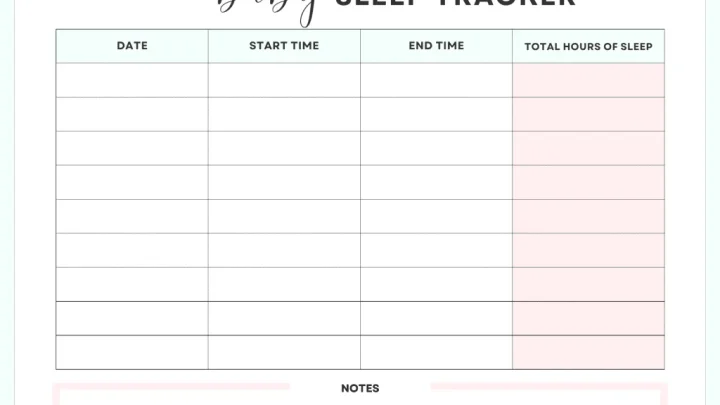
Track your progress. Note wake times relative to sleep onset. Are gaps increasing?
Even five extra minutes matter. Small wins compound into consolidated rest. Stick to the plan for at least three nights before judging efficacy.
Consistency beats intensity every time.
Common Pitfalls That Reset the Clock
Parents often sabotage their own efforts unknowingly. Recognizing these traps saves weeks of frustration.
Inconsistency is the biggest offender. One night you pause; the next you rock. Mixed signals confuse the baby.
They learn that crying eventually works. Pick one method and stick to it. Switching tactics mid-process resets learning.
Overstimulation before bed also hurts. Loud play or screens raise alertness. A calm wind-down routine is essential.
Dim lights. Lower voices. Read books.
Prepare the brain for shutdown. Skipping this step makes falling asleep harder. Falling asleep poorly guarantees waking badly.
Don’t mistake noise for waking. Grunting, squirming, and brief cries are normal. Intervening too soon interrupts natural sleep progression.
Learn to distinguish between fussing and full awakening. Only respond to sustained distress. Otherwise, let biology do its job.
Finally, avoid creating new crutches. Don’t introduce a swing or car ride to fix night wakings. These solve immediate problems but create long-term dependencies.
Address the root cause directly. Sustainable solutions require patience, not shortcuts. Trust the process, even when it feels slow.

Similar Posts