Why Baby Sleeps Longer in Stroller: The Science Explained

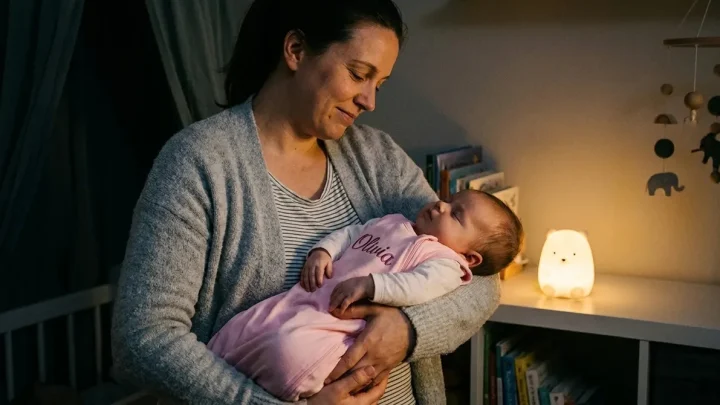
You’ve probably noticed your baby sleeps for two hours in the stroller but only twenty minutes in their crib. You’re wondering why baby naps longer in a stroller and if it’s actually safe. The answer lies in how motion affects the vestibular system, triggering a deep sleep response that static environments simply don’t replicate.
However, this convenience comes with significant physiological risks. Per American Academy of Pediatrics guidelines as of 2026, infants under four months require a flat surface to maintain airway patency. We need to unpack the science behind the soothe versus the safety hazard before you rely on the stroller for extended rest.

Image source: Web (Bing) / cuddle-baby.com (Web image (fair-use with source credit))
Why the Stroller Nap Feels Deeper (But Isn’t Always Safer)
The rhythmic rocking of a stroller mimics the intrauterine environment. This constant motion stimulates the inner ear, known as the vestibular system. For many infants, this sensory input acts as a powerful sedative.
It lowers heart rate and eases muscle tension more effectively than stillness alone.
Consequently, babies enter non-REM deep sleep stages faster. They stay there longer because the brain associates movement with safety. This is an evolutionary holdover from when carrying meant protection from predators.
Static cribs lack this dynamic cue, making transitions harder for some infants.
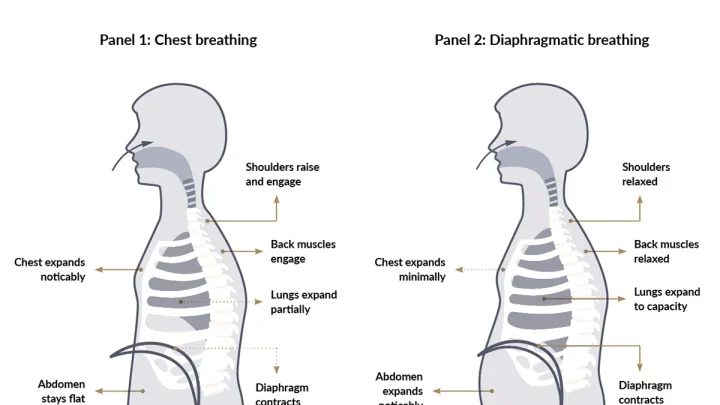
Yet, depth does not equal quality or safety. A long nap in a semi-upright position restricts chest expansion. The diaphragm cannot move freely, leading to shallow breathing despite closed eyes.
Parents often mistake this quiet, motion-induced stupor for healthy rest. It is frequently a state of fatigue rather than rejuvenation.
The Vestibular Connection and Sleep Architecture
Vestibular stimulation triggers the release of calming neurotransmitters. GABA levels rise, suppressing arousal centers in the brainstem. This creates a temporary "sleep lock" that feels restorative to the observer.
However, the architecture of this sleep is fragmented compared to crib sleep.
Micro-arousals occur when the stroller stops or hits a bump. These interruptions prevent the consolidation of memory and growth hormone release. Your baby might look asleep, but their brain isn’t processing information efficiently.
This explains why they wake cranky after a "long" stroller nap.
The Hidden Danger: Positional Asphyxia in Semi-Upright Seats
Positional asphyxia happens when the head falls forward. The chin presses against the chest, kinking the trachea. In a stroller seat angled at 150 degrees or less, gravity pulls the heavy infant head down.
Newborns lack the neck strength to lift their heads back up.
This obstruction reduces oxygen intake silently. There is no struggle or noise initially. The baby simply becomes hypoxic and then unconscious.
Aggregate reviews of safety incidents highlight this as a primary cause of suffocation in car seats and upright strollers.
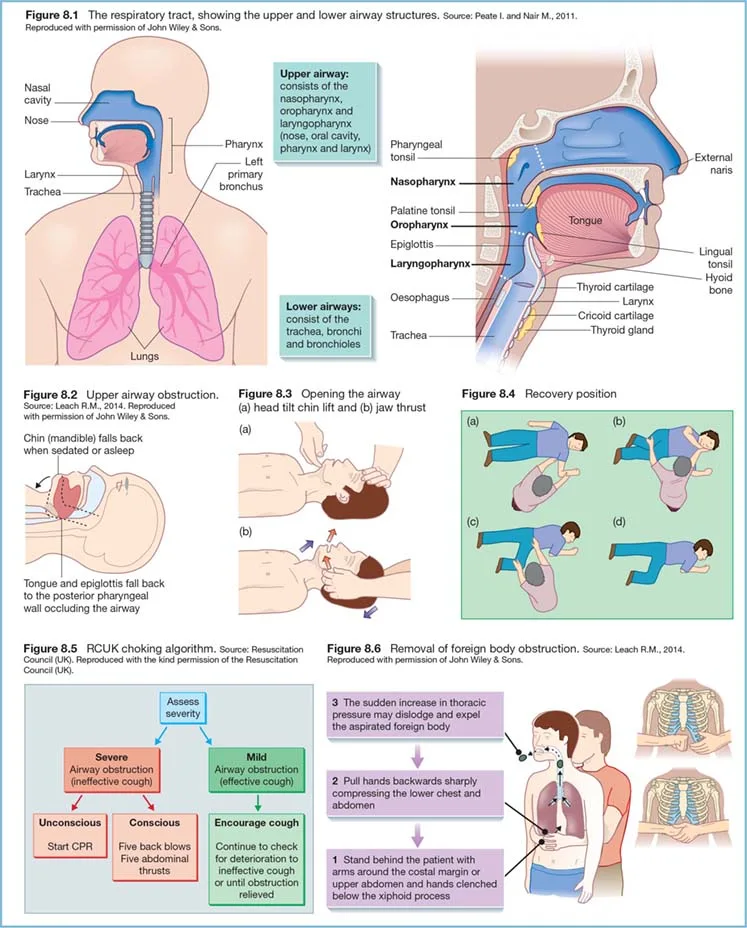
Image source: Web (Bing) / ar.inspiredpencil.com (Web image (fair-use with source credit))
Manufacturers design strollers for transport, not prolonged sleep. The recline angles are optimized for visibility and interaction, not airway alignment. Assuming a stroller is safe for sleeping because the baby looks peaceful is a dangerous gamble.
Always verify the angle before leaving an infant unattended.
How to Tell If Your Baby’s Airway Is Actually Open
Checking the airway requires visual confirmation every few minutes. Look for the "chin-to-chest" gap. Ideally, two fingers should fit between the baby’s chin and collarbone.
If the gap is smaller, the airway is compromised.
Observe the chest rise and fall. It should be smooth and symmetrical. Shallow, rapid, or irregular movements signal respiratory distress.
Blue tint around the lips or fingernails indicates severe hypoxia. Call emergency services immediately if you see cyanosis.
The Chin-to-Chest Check
Gently tilt the stroller handle back to increase the recline angle. Watch if the baby’s head drops further. If it does, the seat is too upright.
Use a rolled towel only if approved by the manufacturer to prop the base. Never place loose bedding inside the stroller.
Loose items pose strangulation risks. They also obscure your view of the baby’s face. Keep the canopy open enough to monitor breathing continuously.
Visibility is your best defense against silent suffocation. Trust your instincts if something looks wrong.
Identifying Silent Struggle Signs
Silent struggle involves subtle body language. Look for grunting noises during exhalation. This effort tries to keep alveoli open against collapsing lungs.
Nasal flaring is another red flag indicating increased work of breathing.
Retractions show skin pulling between ribs or at the neck. These signs mean the baby is fighting for air. Stop moving the stroller immediately.
Sit down and assess the situation calmly. Do not assume fussiness is just tiredness.
Safe Stroller Napping Protocols by Age and Recline Angle
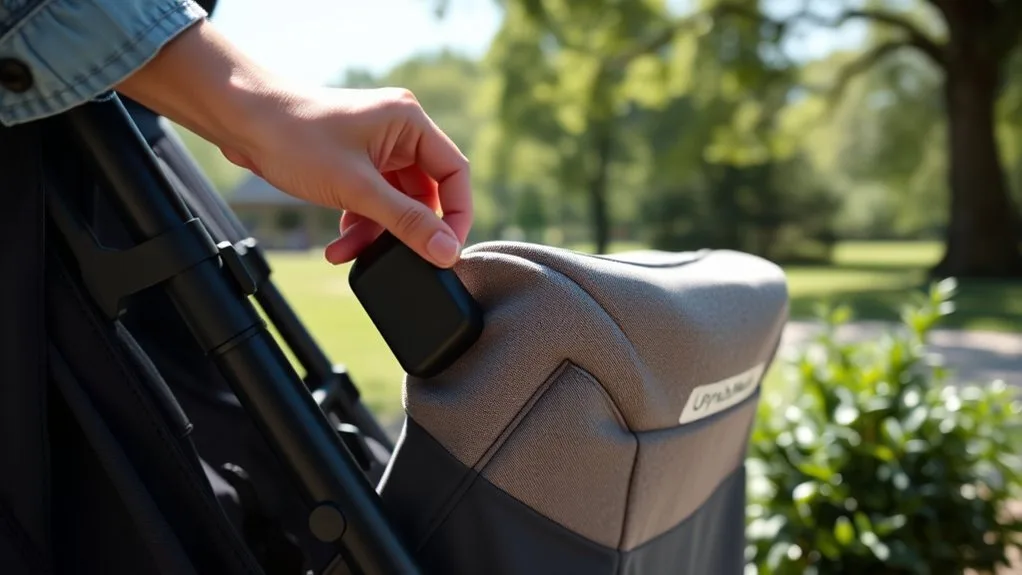
Image source: Web (Bing) / gomyreview.com (Web image (fair-use with source credit))
Age dictates safety parameters strictly. Newborns have weak neck muscles and large heads relative to bodies. Their airways are soft and easily compressed.
Older infants gain motor control, allowing them to adjust their posture.
Recline angle is the critical variable. Most standard strollers offer 170-degree maximum recline. This is still not flat enough for newborns.
Bassinet attachments provide the necessary horizontal surface for safe sleep.
| Age Group | Recommended Surface | Max Continuous Time | Key Safety Requirement |
|---|---|---|---|
| 0–4 Months | Flat Bassinet Only | 30 Minutes | Horizontal spine alignment |
| 4–6 Months | Fully Reclined Seat | 45 Minutes | Head support intact |
| 6+ Months | Standard Seat | 60 Minutes | Independent head control |
Data from consumer safety reports suggests limiting any seated nap to under an hour. Beyond this, the risk of positional strain increases exponentially. Rotate positions frequently if longer travel is unavoidable.
Newborns (<4 Months): The Flat Surface Requirement
Newborns must lie flat to breathe optimally. The diaphragm works hardest in vertical positions. Gravity pulls abdominal organs upward, restricting lung capacity.
A bassinet mode eliminates this pressure gradient entirely.
If your stroller lacks a bassinet, do not use it for naps. Carry the baby in a sling instead. Slings allow close monitoring of breathing and posture.
Ensure the baby’s face remains visible and uncovered at all times.
Older Infants (4-6+ Months): Managing Head Control and Harness Fit
By four months, most babies can hold their heads steady. They can actively resist slouching. However, fatigue overrides this ability during deep sleep.
Monitor the harness straps closely.
Straps should be snug but not constricting. Two fingers should fit between strap and shoulder. Loose straps allow the baby to slide down.
Tight straps restrict chest expansion during breathing. Adjust accordingly as the baby grows.
Toddler Transition: When Motion Dependency Becomes a Problem
Toddlers may refuse cribs due to motion dependency. Breaking this habit requires gradual weaning. Start with short walks where the stroller stops frequently.
Encourage self-soothing without continuous rocking.
Replace the stroller with a stationary swing eventually. Then transition to a bed. Consistency helps reset circadian rhythms.
Expect resistance during the first week. Stay firm but gentle throughout the process.
Common Mistakes That Turn Comfort into Risk
Parents often prioritize convenience over protocol. Adding pillows to "help" the baby sleep is a fatal error. Pillows shift and cover faces unexpectedly.
They also elevate the head, worsening the chin-to-chest angle.
Over-bundling causes overheating. Strollers trap heat under canopies. Babies cannot regulate temperature well.
Dress them in one layer less than you wear. Check for sweaty backs or hot chests regularly.
Relying on Car Seat Inserts Outside of Vehicles
Car seat inserts are designed for crash protection. They compress foam to secure the torso. Used outside cars, they force the head forward.
This creates a permanent flexion posture.
Never transfer a baby from stroller to car seat for naps. Both devices induce similar airway risks. Move the baby to a crib or playpen instead.
Let them decompress in a neutral position.
Over-bundling in Enclosed Canopies
Canopies block airflow significantly. Heat accumulates rapidly in sunny weather. Even cool days can become stifling if layers are excessive.
Touch the baby’s neck to gauge temperature.
Cool hands do not mean cool core. Warm, damp skin signals overheating. Remove layers immediately if detected.
Ventilate the area by lowering the canopy partially. Fresh air circulation prevents hyperthermia.
Ignoring Time Limits for Continuous Sleep
Time limits exist for physiological reasons. Prolonged immobility stresses developing hips. It also fatigues respiratory muscles.
Set a timer for every stroller nap.
Wake the baby gently after the limit. Transfer them to a safer surface. Do not let them sleep through the night in a stroller.
Nighttime sleep belongs in a crib. Daytime rests are exceptions, not rules.
Comparing Stroller Sleep vs. Crib, Carrier, and Car Seat
Each sleep environment offers distinct trade-offs. Cribs provide optimal safety and air quality. Carriers offer bonding and mobility.
Strollers balance both but fail in stability.
Car seats are the least suitable for routine sleep. Their rigid shells restrict natural movement. Strollers are slightly better due to adjustable reclines.
Yet neither matches the crib’s neutrality.
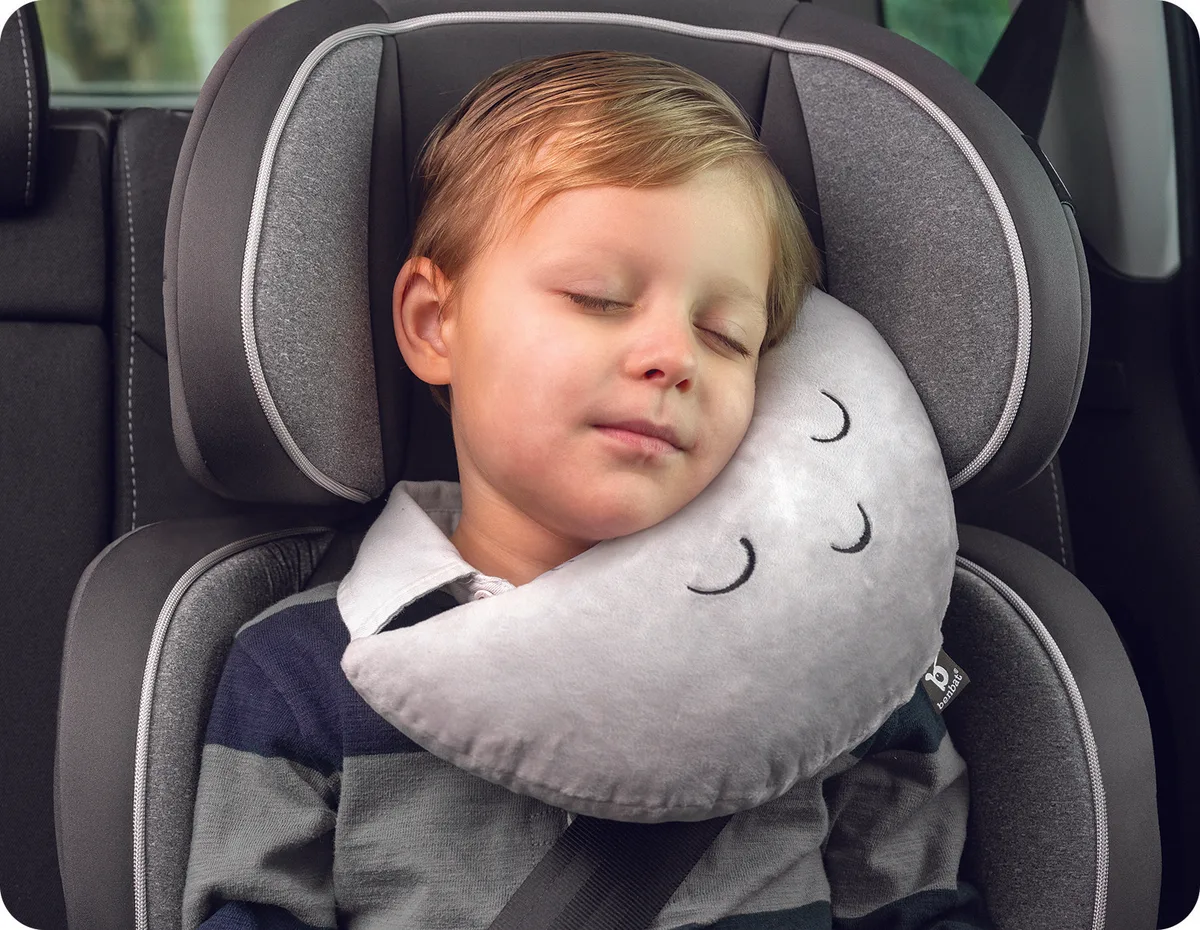
Image source: Bing (Web (fair-use with source credit))
Choose based on duration and context. Short trips justify stroller use. Long periods demand alternative solutions.
Always prioritize airway openness above all else.
Why the Crib Remains the Gold Standard for Nighttime
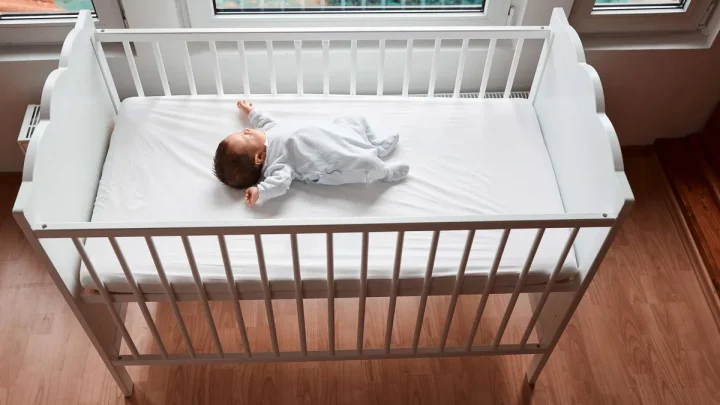
Cribs feature firm, flat mattresses. Breathability is maximized with mesh sides. No mechanical parts can malfunction.
Gravity aligns the spine naturally.
Nighttime sleep requires uninterrupted cycles. Motion interrupts these cycles. Therefore, cribs support healthier development.
Reserve strollers for daytime emergencies only. Establish clear boundaries early on.
The Specific Risks of Prolonged Car Seat Naps
Car seats create a "C-shape" spine curve. This strains ligaments and discs. Oxygen saturation drops measurably in seated positions.
Studies link this to apnea events in preemies.
Avoid using car seats as beds. Install them correctly in vehicles only. If a nap occurs during transit, monitor closely.
Transfer to a flat surface upon arrival. Never leave a child sleeping in a parked car seat indoors.
Carrier Napping: Close Contact but Limited Ventilation
Carriers keep babies warm and secure. Heart rates sync with caregivers. This promotes calmness and quick settling.
However, fabric can obstruct noses accidentally.
Ensure proper "M-position" legs and high carry. Face must remain visible. Avoid thick winter coats underneath carriers.
Bulk reduces airflow and increases suffocation risk. Check breathing every five minutes diligently.
Actionable Checklist for Every Stroller Nap
Pre-ride safety scans prevent accidents before they happen. Check the brake locks first. Ensure wheels are fully engaged and stable.
Verify the harness buckles click securely into place. Loose straps allow sliding, which compromises airway alignment.
Inspect the canopy ventilation next. Mesh panels must remain clear of debris or fabric folds. Blocked airflow leads to rapid heat buildup.
Confirm the recline mechanism is locked at the correct angle for your baby’s age. Never rely on a loose lever holding position.
Pre-Ride Safety Scan
Look for sharp edges or pinch points near the seat unit. These can injure curious fingers or toes. Ensure no small toys or accessories are within reach.
Choking hazards don’t belong in strollers during sleep. Keep the area strictly bare except for approved infant inserts.
Check tire pressure if applicable. Under-inflated tires cause excessive jarring. This disrupts sleep cycles and stresses the spine.
Proper inflation ensures smoother rides and fewer micro-arousals. Regular maintenance extends the life of your gear significantly.
During-Nap Monitoring Schedule
Set a timer for every fifteen minutes initially. Visual checks should be quick but thorough. Look for color changes in skin tone.
Pale or blue lips signal immediate danger. Adjust position instantly if breathing appears labored.
Listen for unusual sounds like wheezing or grunting. These indicate respiratory effort beyond normal levels. If you hear them, stop walking immediately.
Sit down and assess the situation calmly. Do not resume motion until the issue resolves.
Post-Nap Transfer Strategy
Transferring a sleeping baby requires patience. Wake them slightly by adjusting light or sound. Lift with one hand under the head and neck.
Support the bottom firmly to avoid spinal twisting. Move slowly to minimize startle reflexes.
Place them gently onto a flat crib mattress. Ensure the transition surface is firm and breathable. Avoid soft sofas or adult beds entirely.
These surfaces pose suffocation risks similar to upright seating. Consistency builds better long-term sleep habits.
Frequently Asked Questions
Is it safe for newborns to nap in strollers?
No, newborns under four months should not nap in standard stroller seats. Their heads are too heavy relative to their neck strength. This causes chin-to-chest positioning that restricts airflow.
Use a bassinet attachment or carry them instead. Flat surfaces are mandatory for optimal oxygenation.
How long can a baby safely sleep in a stroller?
Limit continuous sleep to thirty to sixty minutes maximum. Prolonged immobility strains developing hips and spines. It also increases the risk of positional asphyxia over time.
Rotate positions frequently if travel exceeds this window. Always transfer to a crib for longer rests.
Why does my baby wake up when I stop the stroller?
Motion provides vestibular stimulation that suppresses arousal centers. When movement stops, the brain loses this sedative input. The sudden silence triggers alertness and potential crying.
Gradual slowing helps ease the transition. Try rocking gently while stationary to mimic the sensation briefly.
Can I use car seat inserts in my stroller?
Only if the manufacturer explicitly approves it for dual use. Most inserts are designed specifically for crash dynamics. Using them elsewhere alters fit and safety margins.
Incorrect sizing can push the head forward dangerously. Stick to products rated for both applications only.
What temperature is too hot for stroller naps?
Ambient temperatures above seventy-five degrees Fahrenheit require caution. Direct sunlight amplifies heat under canopies rapidly. Overheating raises metabolic demand and stress hormones.
Dress babies lightly and monitor skin moisture. Cool hands do not guarantee a cool core body temperature.

Similar Posts