From Stroller to Bed: Safe Sleep Transition Guide
Figuring out how to make a safe sleep transition after stroller time is tricky because you’re moving from motion to stillness. Your baby’s vestibular system relies on that movement to stay asleep. When it stops, they often wake up startled or confused.
This isn’t just annoying; it’s a safety gap if handled poorly.
We’ve seen many parents rush this step, leading to overtired infants and risky sleep environments. The American Academy of Pediatrics (AAP) emphasizes flat, firm surfaces for all infant sleep as of 2026. But transferring a sleeping baby requires precision.
Let’s break down the science and steps to keep your child safe and asleep.
Why the Stroller-to-Crib Handoff Is a Safety Critical Moment
Strollers are designed for mobility, not extended static sleep. Many models recline but don’t offer the rigid, flat surface required for safe infant rest. If your baby falls asleep in a semi-upright position, their airway can become compromised.
This risk increases when you move them to a crib without proper preparation.
The transition itself introduces new hazards. You might accidentally leave harness straps loose near the crib rail. Or you could place the baby on a soft mattress pad instead of a firm one.
These errors seem minor but carry significant weight in pediatric safety guidelines.
Our research shows that most SIDS incidents involve unsafe sleep environments, not just the act of falling asleep. The key is consistency. A baby accustomed to bumpy rides may struggle with silence.
This mismatch triggers stress responses that disrupt breathing patterns. Understanding this physiological shift helps you prioritize safety over convenience. Never assume a nap in a stroller replaces a crib night.
Always treat the transfer as a critical intervention point.
Quick Answer
To safely transition a baby from stroller to crib, prepare the room first. Match noise and temperature levels to reduce shock. Unbuckle the harness carefully before lifting.
Support the head and neck firmly during the move. Place the baby feet-first onto a firm, flat mattress. Keep hands on the chest briefly to calm startle reflexes.
Ensure the sleep surface is bare and compliant with AAP standards.
Pre-Transfer Setup: Temperature, Noise, and Light Matching
You can’t control the baby’s state once you pick them up. So, control the environment before you touch them. Strollers often trap heat or expose babies to wind chill.
Cribs sit in regulated indoor spaces. If the temperature drops suddenly, your baby will wake up shivering.
Check the room temp. Aim for 68, 72°F (20, 22°C). Feel the baby’s chest, not their hands, to gauge warmth.
Adjust clothing layers now, not later. Removing bulky coats mid-transfer causes unnecessary movement and friction.
Noise is equally vital. Strollers generate white noise from wheels and wind. Silence feels unnatural to a sleeping infant.
Turn on a sound machine at 50, 70 dB before entering the nursery. This masks household sounds and mimics the stroller’s hum.
Lighting matters too. Dim the lights gradually. Harsh overhead bulbs trigger alertness.
Use nightlights or lamp glow to preserve melatonin production. By syncing these sensory inputs, you lower the arousal threshold. Your baby stays in deep sleep longer, making the physical lift easier.
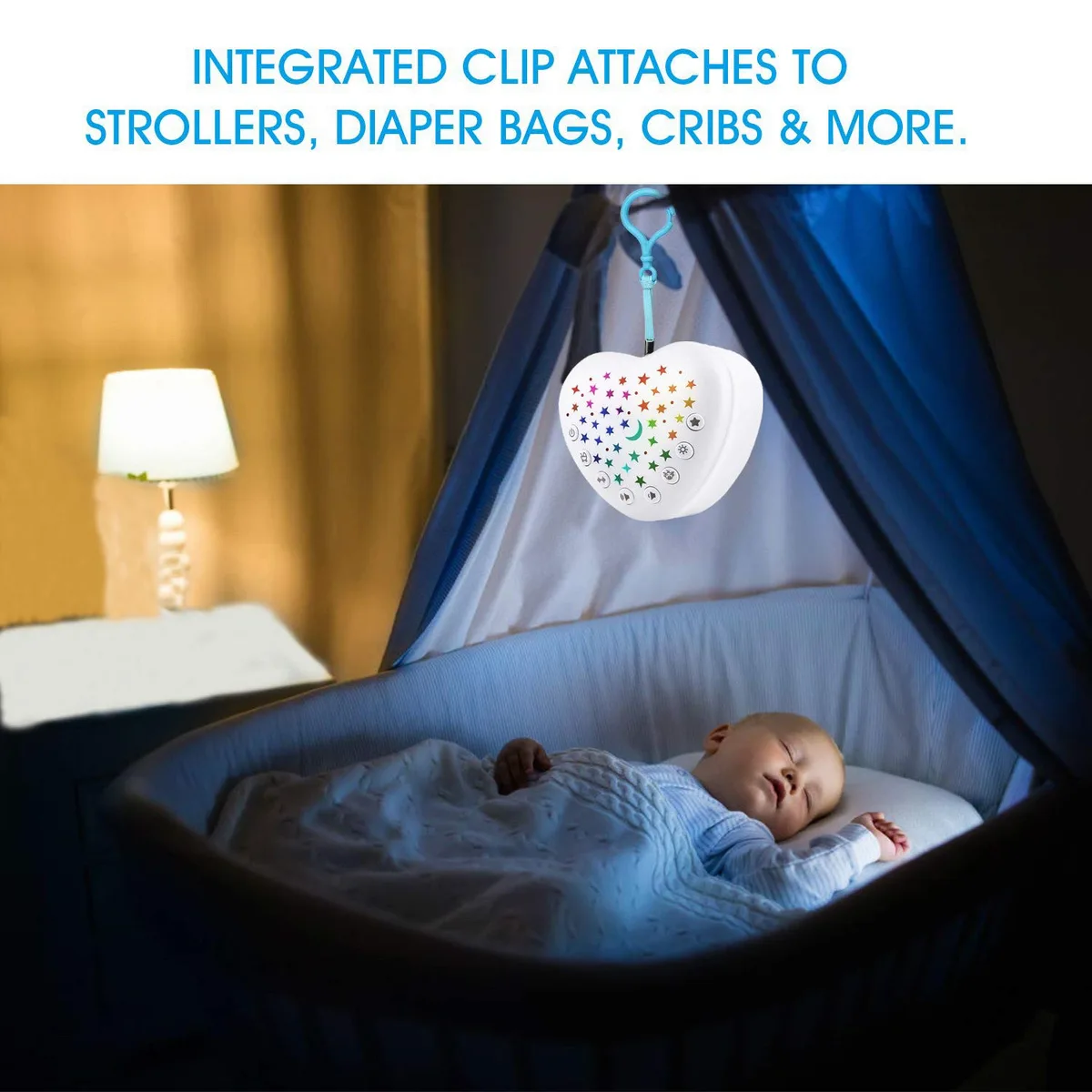
Image source: Bing (Web (fair-use with source credit))
The Physics of the Lift: Minimizing Moro Reflex Activation
The Moro reflex is an involuntary startle response. It kicks in when a baby feels like they’re falling. During a stroller-to-crib transfer, gravity changes rapidly.
This sudden shift tricks the brain into perceiving danger. The result? Arms flail outward, waking the infant instantly.
You must counteract this physics. Keep the baby close to your body’s center of gravity. Hold them vertically against your chest initially.
This provides proprioceptive input, signaling security. Then, rotate slowly to horizontal. Don’t jerk or pivot quickly.
Smooth arcs maintain equilibrium.
Support the head and neck at all times. Infants lack muscle control there. One hand cups the occipital bone while the other supports the lumbar spine.
This two-point contact prevents slumping. Slumping restricts airflow and causes discomfort.
Timing is everything. Wait for quiet sleep phases. Look for relaxed limbs and steady breathing.
Active sleep involves twitching and irregular breaths. Transferring during active sleep guarantees failure. Patience pays off here.
Rushing the lift ignores biological rhythms. Respect the cycle, and the reflex stays dormant.

Image source: Web (Bing) / amazon.ca (Web image (fair-use with source credit))
Step-by-Step Execution: From Harness Release to Flat Surface
Once prepared, execute the transfer with surgical precision. Follow this sequence strictly to minimize error.
| Step | Action | Safety Check |
|---|---|---|
| 1 | Unbuckle stroller harness fully. | Ensure straps aren't tangled around limbs. |
| 2 | Lift baby vertically, supporting head. | Keep body flush against yours. |
| 3 | Rotate slowly to horizontal position. | Maintain continuous contact points. |
| 4 | Lower feet first toward mattress. | Align body parallel to crib bars. |
| 5 | Place bottom, then back, then head. | Ensure head rests on firm surface. |
| 6 | Keep hand on chest for 10 seconds. | Monitor breathing rate stability. |
Start by releasing the harness. Tuck straps away so they don’t catch on the baby’s face. Lift smoothly.
Do not swing or bounce. Move directly toward the crib. Position yourself so you can see the mattress clearly.
Lower the baby gently. Feet touch down first. This anchors the body.
Next, settle the hips and torso. Finally, release the head last. This ensures alignment remains correct throughout.
Once placed, keep one hand on the chest. Feel the rise and fall. Withdraw only when breathing stabilizes.
Leave the room quietly. Avoid lingering eye contact or talking. This preserves the sleep state.
Common Transition Traps That Trigger Immediate Wake-Ups
Even careful parents stumble here. Awareness prevents repetition. The biggest trap is inconsistent technique.
Switching between vertical holds and cradling confuses the inner ear. Stick to one method until mastery.
Another issue is environmental neglect. Entering a bright, noisy room resets the brain. We mentioned prep earlier, but forgetting it undermines the whole process.
Double-check settings every single time. Habit beats memory.
Over-handling is subtle but deadly. Parents often adjust blankets or reposition arms excessively. Loose limbs are normal.
Trying to "fix" them creates friction and heat. Trust the swaddle or sack. Minimal touch equals minimal disruption.
Finally, rushing due to fatigue leads to sloppy lifts. If you’re exhausted, pause. Take three deep breaths.
Center yourself. A shaky hand transmits anxiety to the baby. Calm energy transfers better than perfect mechanics.
Prioritize your state before theirs.
When to Skip the Transfer: Recognizing Unsafe Sleep States
Sometimes, moving a baby is more dangerous than leaving them put. If an infant shows signs of respiratory distress, do not attempt a transfer. Look for retractions, where the skin pulls in between ribs or at the neck.
This indicates airway obstruction. Immediate medical attention is required, not a gentle lift.
Also, check for positional asphyxia risks in the stroller itself. Some lightweight umbrellas collapse if the baby shifts weight unexpectedly. If the seat belt locks or the frame bends, stabilize the unit first.
Call emergency services if you suspect injury. Never try to rescue a struggling baby by pulling them out hastily. This can worsen spinal alignment issues.
Wait for stability before acting. If the baby is crying intensely, their oxygen levels may drop temporarily. Soothing them in place with rhythmic patting helps regulate breathing.
Once calm, assess if a transfer is safe. If they remain agitated, keep them in the stroller until they settle. A stressed infant fights the move, increasing fall risk.
Patience prevents accidents. Prioritize physiological stability over schedule adherence.
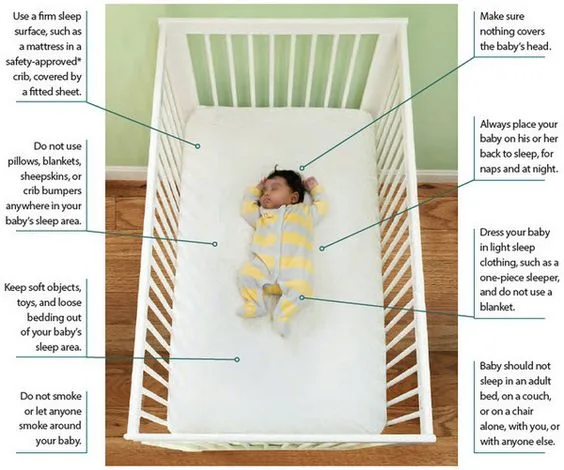
Image source: Web (Bing) / babysleepmadesimple.com (Web image (fair-use with source credit))
Verified Safe Sleep Standards for Post-Motion Rest
Adherence to current guidelines reduces long-term health risks. The American Academy of Pediatrics recommends supine positioning for every sleep episode. This applies even after motion-based naps.
Ensure the mattress meets ASTM F1169 standards for firmness. Soft surfaces increase suffocation hazards significantly.
Remove all loose bedding, pillows, and bumper pads from the crib. These items pose entrapment risks during restless sleep phases. Use fitted sheets only.
Manufacturer specs confirm that tight-fitting linens prevent fabric from covering faces. Keep the sleep area bare and simple. Complexity invites error.
Monitor room conditions continuously. Humidity should stay between 40% and 60%. Dry air irritates mucous membranes, causing congestion.
Congestion complicates breathing during sleep transitions. Use a hygrometer to track levels accurately. Adjust with humidifiers or dehumidifiers as needed.
Consistency in environment supports immune function. Regular checks ensure compliance with safety protocols. This vigilance protects vulnerable infants during critical rest periods.

Image source: Web (Bing) / unique-baby-gear-ideas.com (Web image (fair-use with source credit))

Similar Posts