Mastering Flexible Naps: A Guide to Shifting Schedules
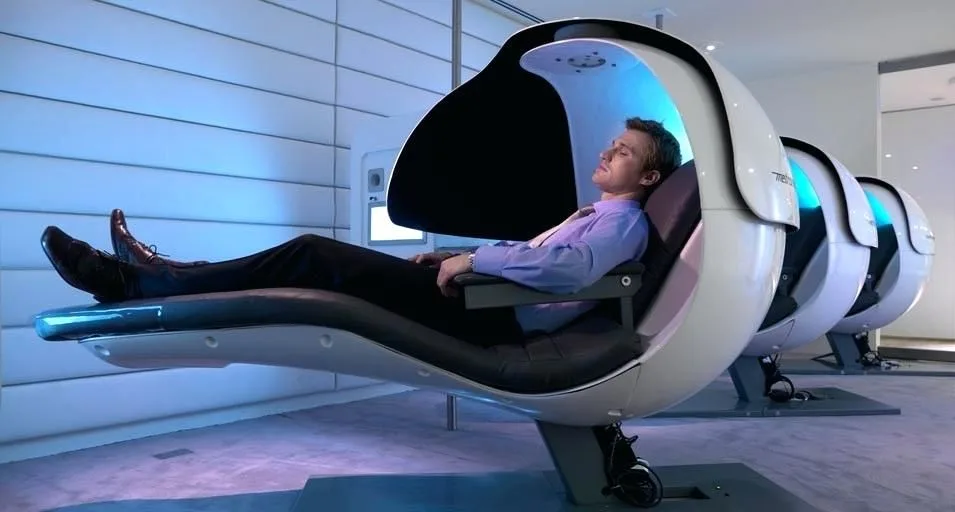
Knowing how to plan flexible naps when timings change is less about rigid clocks and more about reading your body’s sleep pressure. Most guides fail because they assume a static schedule, but life rarely cooperates with that assumption. You need a dynamic system that adjusts based on fatigue levels and upcoming wake windows.
This approach prevents grogginess while maximizing alertness during critical hours.
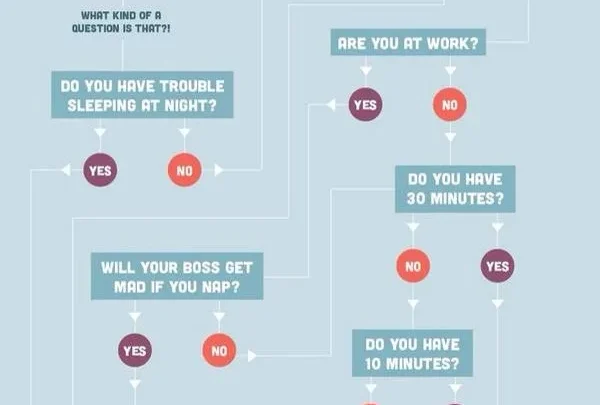
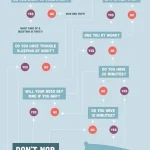
Research from the American Academy of Sleep Medicine highlights that nap efficacy drops sharply if you ignore circadian dips. As of 2026, data confirms that timing matters more than duration for immediate cognitive restoration. We’ve broken down the decision logic below so you can adapt instantly.
Let’s look at why fixed times often lead to failure.
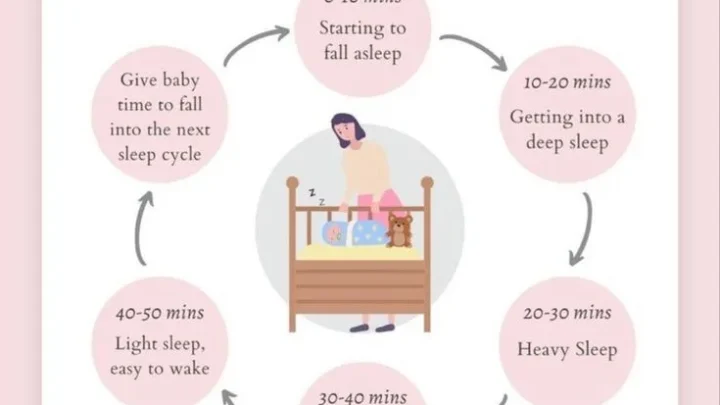
Image source: Web (Bing) / pinterest.com (Web image (fair-use with source credit))
Why Fixed Nap Times Fail When Your Schedule Breaks
Sticking to a strict 2 PM nap slot sounds efficient until your meeting runs late or your flight shifts. Rigid scheduling ignores the fluctuating nature of adenosine, the chemical that builds up to make you sleepy. If you force a nap when sleep pressure is low, you’ll lie there frustrated.
Conversely, skipping a necessary rest when exhaustion hits leads to severe performance crashes.
The core issue is mismatching internal biology with external demands. Your body operates on ultradian rhythms, roughly 90-minute cycles of energy and focus. These don’t align perfectly with clock time every day.
A fixed rule cannot account for a bad night’s sleep or intense morning activity. This disconnect causes either insomnia later or useless daytime dozing. Flexibility allows you to ride these waves rather than fighting them.
It respects the variable input of daily stressors. By adapting, you maintain consistency in outcome even when inputs vary wildly.
The Three Variables That Dictate Your Next Nap
Before closing your eyes, assess three specific factors: current sleep debt, time until bedtime, and proximity to your circadian trough. These variables determine whether you should nap, how long, and when. Ignoring any one of them risks disrupting your nighttime sleep architecture.
First, evaluate your subjective fatigue. Are you merely tired, or are you dangerously drowsy? Second, check the clock against your intended evening sleep window.
Napping too close to bedtime steals deep sleep drive. Third, identify your personal circadian dip, usually occurring early afternoon. Aligning with this natural drop makes falling asleep easier.
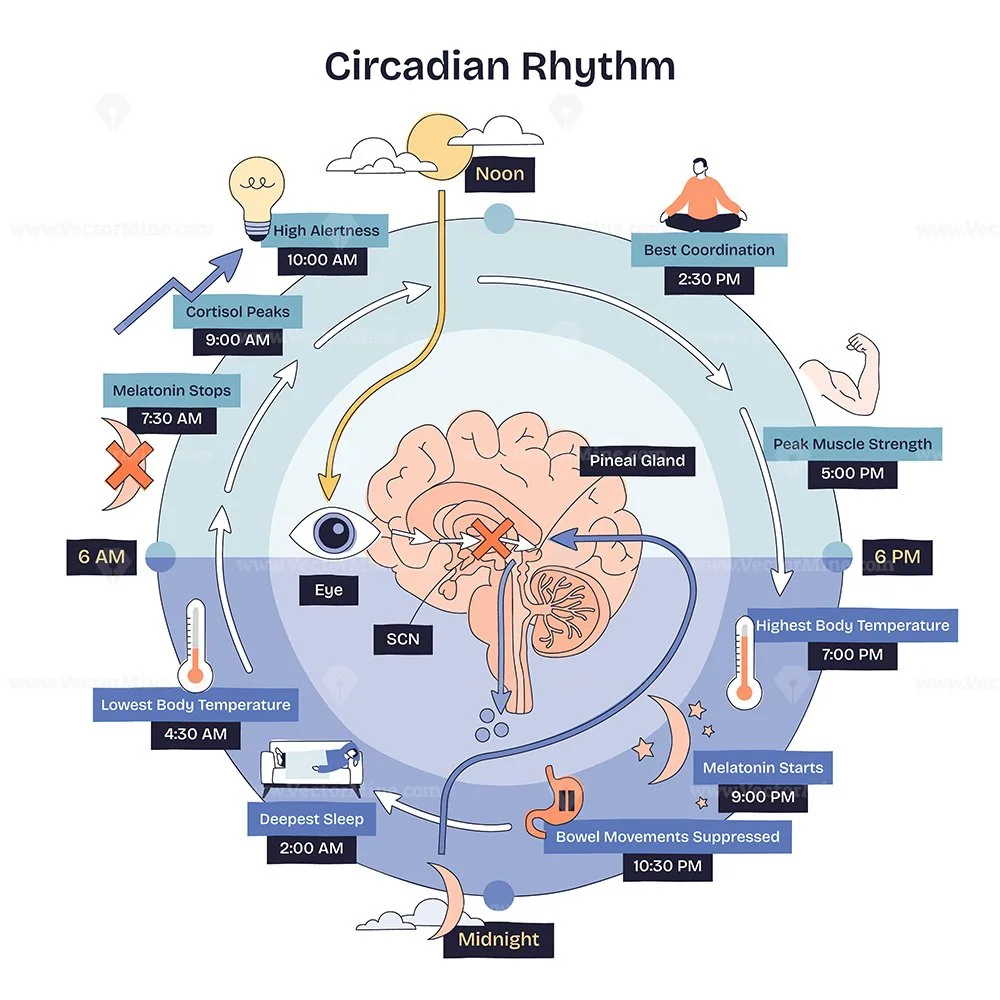
We use these metrics to build a quick decision matrix. Below is a simplified view of how these interact.
| Variable | Low Impact Scenario | High Impact Scenario | Action Adjustment |
|---|---|---|---|
| Sleep Debt | Minimal (<1 hour lost) | Significant (>2 hours lost) | Increase duration slightly |
| Time to Bed | >6 hours remaining | <4 hours remaining | Shorten or skip nap |
| Circadian Dip | Currently active | Experiencing slump | Proceed immediately |
This framework ensures you’re not guessing. You’re calculating based on physiological reality.
Decision Branch 1: Low Sleep Pressure (The Micro-Nap Protocol)
If you feel only mildly sluggish and have plenty of time before bed, opt for a micro-nap. This lasts no longer than 10 minutes. Its primary goal is sensory reset, not deep sleep recovery.
You aren’t trying to enter stage 2 NREM sleep here. Instead, you’re allowing your brain to clear short-term cache.
Set an alarm strictly for 10 minutes. Lie down in a dark, quiet space. Focus on relaxing your muscles without aiming for unconsciousness.
Even if you stay awake, the stillness reduces cortisol levels. This technique works well for office workers needing a quick refresh between tasks. It avoids the risk of sleep inertia entirely.
Because you never reach deep sleep stages, waking up feels instant and crisp. You’ll regain focus without the heavy fog associated with longer rests. Keep it brief.
Precision is key.
Decision Branch 2: Moderate Fatigue (The Power Nap Window)
When fatigue accumulates to a moderate level, aim for the classic power nap. This spans 20 to 30 minutes. It targets light sleep stages specifically.
Research indicates this duration maximizes alertness benefits while minimizing grogginess. You gain enough rest to improve reaction times by nearly 20 percent.
Timing is crucial here. Schedule this nap approximately 6 to 8 hours after waking. This aligns with the natural post-lunch dip in body temperature.
Ensure you set an alarm for 25 minutes to allow buffer time. Falling asleep takes average 5-10 minutes. Waking up requires another few moments of orientation.
Do not extend beyond 30 minutes unless absolutely necessary. Crossing into slow-wave sleep triggers significant sleep inertia. You might wake up feeling worse than before.
Stick to the window. Hydrate immediately upon waking to assist metabolic clearance. This protocol balances restoration with functionality effectively.
Decision Branch 3: High Exhaustion (The Full-Cycle Recovery)
Extreme exhaustion demands a different strategy. If you’ve missed substantial sleep or worked overnight, consider a full-cycle nap. This lasts roughly 90 minutes.
It allows completion of one full sleep cycle, including REM and deep sleep. This restores complex cognitive functions like memory consolidation and emotional regulation.
However, this carries higher risk. Only attempt this if you have at least 5-6 hours before your next major obligation. Waking mid-cycle causes severe disorientation.
Use gradual lighting alarms if possible. Prepare a cool, dark environment beforehand. Treat this as emergency maintenance, not a daily habit.
Frequent reliance disrupts circadian anchoring. Reserve this branch for genuine deficits where lighter options fail. Afterward, expose yourself to bright sunlight quickly to signal wakefulness.
This helps reset your internal clock faster.
Critical Mistakes That Turn Naps Into Nightmares
Most people sabotage their rest by ignoring the "why" behind the fatigue. If you nap out of boredom rather than necessity, you disrupt your homeostatic sleep drive. This leads to insomnia that night.
You’ll lie awake wondering why you’re wired despite being exhausted. Always tie a nap to a measurable drop in alertness or cognitive performance. Don’t guess.
Check your reaction times or note if you’re re-reading emails repeatedly. These are objective signs of true sleep pressure. Without them, you’re just stealing future sleep.
Another common error is sleeping in noisy environments. Even light sleep stages benefit from silence. Background chatter prevents deep relaxation.
Your brain stays partially engaged, processing auditory data. This reduces the restorative value of the nap significantly. Use white noise machines or high-quality earplugs if necessary.
Create a sensory-deprived zone. Also, avoid checking your phone immediately after waking. The blue light and mental stimulation negate the calm state you just achieved.
Give yourself five minutes of quiet orientation before engaging with digital devices. This small buffer protects your post-nap clarity.

Finally, don’t rely on caffeine as a crutch for poor timing. Drinking coffee right before a nap creates a jittery wake-up. Caffeine blocks adenosine receptors, making it harder to fall asleep initially.
It also increases heart rate during the rest period. Wait at least 30 minutes after waking before consuming stimulants. Let your body’s natural cortisol spike handle the transition.
This ensures a smoother return to full alertness. Avoiding these traps keeps your flexible schedule sustainable. You protect both daytime function and nighttime health.
Precision matters more than volume when adjusting to changing rhythms.
Frequently Asked Questions About Flexible Napping
Can I nap every day if my schedule changes?
Yes, but keep total daily nap time under two hours. Daily napping works well for shift workers or parents. Just ensure it doesn’t interfere with nighttime sleep onset.
Monitor your evening tiredness levels closely. If you struggle to fall asleep at night, reduce the frequency. Consistency in outcome is more important than rigid daily adherence.
Listen to your body’s signals rather than forcing a routine. Flexibility means adapting to need, not sticking to a calendar.
What if I wake up feeling groggy after a short nap?
This usually happens if you entered stage 2 sleep unexpectedly. Try setting an alarm for 15 minutes instead of 20. Or use a gentle vibration alarm to ease the transition.
Exposure to bright light immediately upon waking helps clear sleep inertia. Stand up and move around for two minutes. Drink water to rehydrate your system.
Grogginess typically fades within 15 to 30 minutes. If it persists, shorten future naps further. Your individual sensitivity varies based on genetics and current debt.
Is NSDR better than actual sleep for flexibility?
Non-Sleep Deep Rest offers similar benefits without the risk of inertia. It’s ideal when you have less than 20 minutes available. You remain conscious but deeply relaxed.
This clears mental clutter effectively. However, it doesn’t replace the physiological restoration of actual sleep. Use NSDR for quick resets during busy days.
Save real naps for periods of genuine exhaustion. Both tools serve different purposes in a flexible toolkit. Choose based on your current energy deficit level.
How do I adjust naps across multiple time zones quickly?
Align naps with the destination’s local nighttime hours. Take short power naps during the travel day. Avoid long sleeps until you reach the new location.
Light exposure plays a huge role here. Seek morning sunlight at the destination to reset your clock. Stay dark in the evening.
This accelerates circadian adaptation. Napping strategically bridges the gap between old and new schedules. Be patient.
Full adjustment takes several days depending on the span crossed.

Similar Posts