Why Does My Baby Nap So Short? How to Fix It
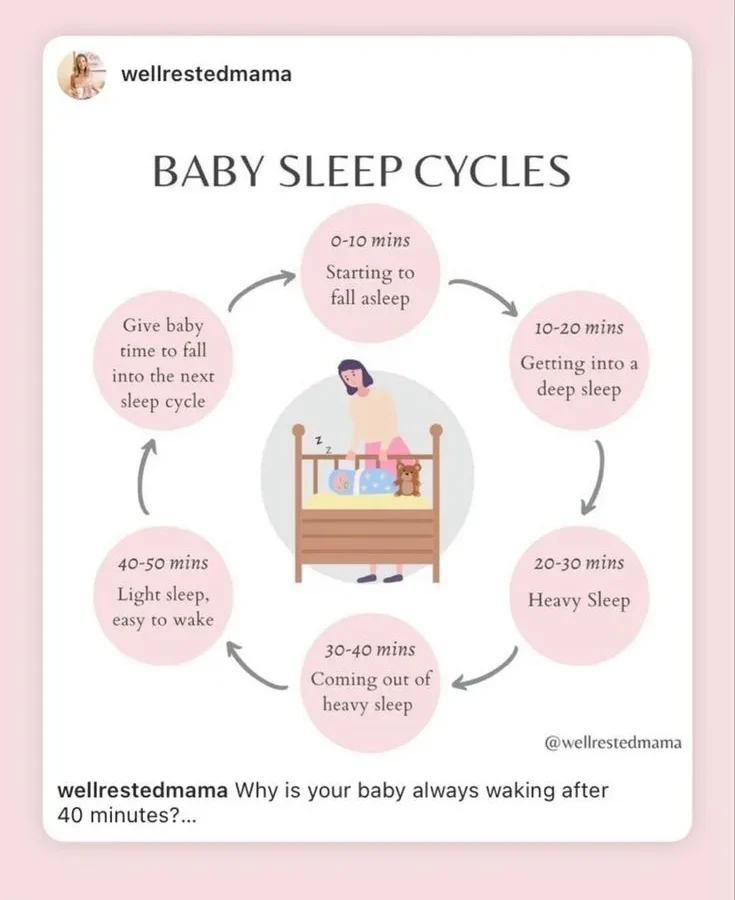
Figuring out how to handle short baby naps starts with understanding that a 30-minute nap isn't always a failure. It’s often just the end of one sleep cycle before the next begins. Many parents panic, assuming their child is underslept or broken.
But biology dictates that infants have shorter cycles than adults.
Our research into pediatric sleep patterns shows that most babies under six months naturally wake between cycles. The goal isn’t necessarily to force longer sleeps immediately. Instead, you need to diagnose why the transition failed.
Let’s break down the decision tree for fixing those abrupt wake-ups.
Quick Answer
Handling short baby naps requires identifying the root cause first. Check if your child is overtired or undertired. Adjust wake windows based on age-specific guidelines.
Try gentle resettling within five minutes of waking. If that fails, accept the short nap and adjust bedtime earlier. Consistency over three days yields better results than constant tweaking.
Never sacrifice safe sleep practices for duration. Monitor total daily sleep hours closely. This approach balances immediate comfort with long-term skill building.
Why Your Baby’s Nap Ended After 30 Minutes
Infant sleep cycles are significantly shorter than adult ones. A typical newborn cycle lasts about 45 to 50 minutes. By four months, this often drops to 30 to 40 minutes.
Waking at this mark is biologically normal. It happens because the brain shifts from deep quiet sleep to lighter active sleep.
Most babies cannot bridge this gap independently yet. They rely on external cues to stay asleep. If those cues disappear, they wake up fully.
Think of it like a computer rebooting. The system clears its cache and restarts. For your baby, this means opening their eyes and looking for you.
This isn’t a sign of poor parenting. It’s a developmental stage. As of 2026, pediatric sleep experts agree that self-regulation takes time.
You’re not failing if they wake up. You’re working with their immature nervous system. The key is recognizing whether this is a temporary phase or a schedule mismatch.
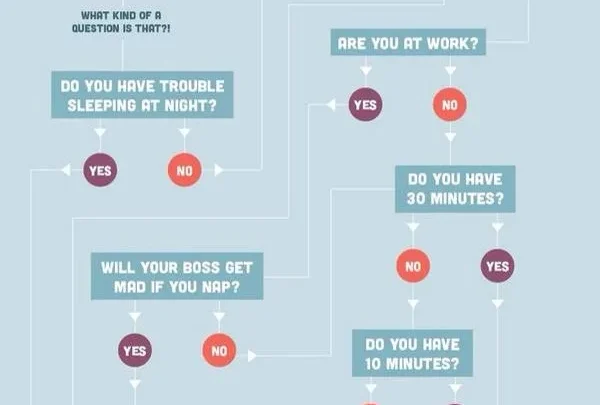
The Diagnostic Flowchart: Is It Timing, Environment, or Skill?
Before acting, you must categorize the problem. Ask yourself three specific questions. First, was the wake window appropriate for their age?
Second, was the sleep environment optimal? Third, does your baby have the skill to connect sleep cycles?
If the answer to timing is "no," adjust the schedule. If the environment was noisy or bright, fix the room conditions. If both were perfect, the issue is likely a lack of self-soothing skills.
Each branch requires a different intervention. Don’t try to teach a new skill if the timing was off. That creates confusion and frustration for everyone involved.
Use this simple triage method. Observe the wake-up behavior. Did they cry immediately?
Or did they fuss for a few minutes? Immediate crying suggests overtiredness. Fussing might indicate undertiredness or environmental disturbance.
This distinction saves hours of trial and error. It directs your energy toward the actual solution rather than guessing.
Branch A: Fixing Overtiredness and Undertiredness Mismatches
Overtiredness triggers cortisol spikes. This stress hormone makes it hard for babies to fall back asleep. Their bodies are wired for fight-or-flight, not rest.
Conversely, undertired babies simply aren’t ready for sleep. They wake up because they’ve had enough rest already.
You need precise wake windows to avoid both extremes. These vary wildly by age. A two-month-old needs much less awake time than an eight-month-old.
Getting this wrong guarantees short naps. It’s the most common reason for nap failures.
| Age Group | Typical Wake Window | Sign of Overtiredness | Sign of Undertiredness |
|---|---|---|---|
| Newborn (0-3 mo) | 45-90 mins | Arching back, screaming | Alert, smiling, playing |
| Infant (4-6 mo) | 1.5-2.5 hrs | Rubbing eyes, yawning | Fighting sleep, babbling |
| Older Infant (7-9 mo) | 2.5-3.5 hrs | Clumsy, clingy | Happy, energetic |
| Toddler (10-12+ mo) | 3-5 hrs | Meltdowns, hyperactivity | Resisting nap, playful |
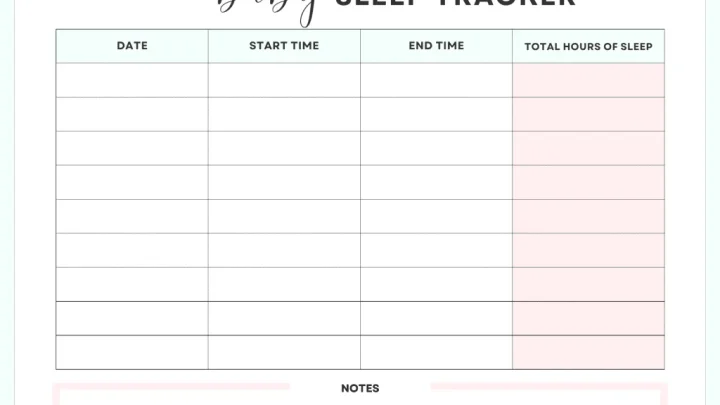
Start by tracking their awake time strictly. Use a timer app if necessary. Watch for early sleepy cues like staring into space.
Put them down before they start crying. Once tears flow, cortisol rises, and settling becomes harder. If they wake after 30 minutes, check the clock.
Were they awake too long beforehand? Or too little? Adjust accordingly for the next attempt.
Branch B: Bridging Sleep Cycles Without Creating New Props
Bridging involves helping your baby transition from one sleep cycle to the next. The goal is to keep them in a drowsy state. You want to prevent full arousal.
This requires subtle intervention, not heavy lifting.
Wait until you hear stirring sounds. Do not rush in the second they open their eyes. Give them 30 to 60 seconds to settle alone.
Often, they’ll drift back off. If they don’t, enter the room quietly. Place a hand on their chest or shush gently.
Avoid picking them up unless absolutely necessary.
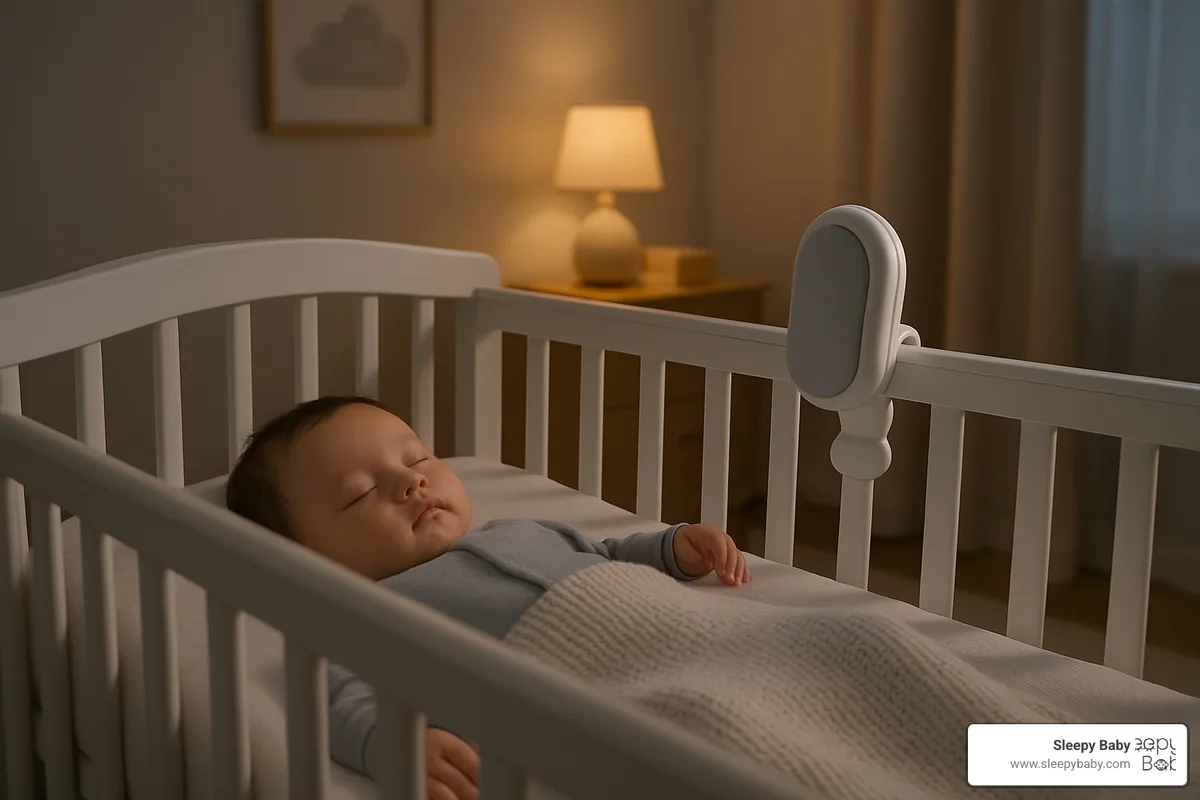
Consistency is vital here. Use the same method every time. Switching strategies confuses the baby.
Over several days, reduce your input. Move from touch to voice, then to presence only. Eventually, they learn to bridge the gap themselves.
This builds independence without trauma. Remember, the aim is minimal assistance. Too much help creates dependency.
Too little leads to prolonged crying. Find the sweet spot where you support but don’t solve.
Branch C: When to Accept Short Naps and Adjust Bedtime
Sometimes, fighting the nap isn’t worth the energy. If your baby consistently wakes after 30 minutes despite perfect conditions, accept it. Pushing further can lead to overtiredness later in the day.
Instead, compensate with an earlier bedtime.
Total daily sleep matters more than individual nap length. If they miss an hour of day sleep, make it up at night. An earlier bedtime helps regulate circadian rhythms.
It prevents the evening meltdown spiral. This strategy works well for older infants who are dropping naps.
Monitor their mood upon waking. Are they happy? If yes, the nap served its purpose.
Restorative sleep doesn’t always look like continuous slumber. Quality beats quantity in many cases. Trust your observation of their behavior.
If they’re cheerful and alert, let it go. Save your battle energy for nighttime sleep consolidation. This pragmatic approach reduces parental stress significantly.
Common Mistakes That Sabotage Nap Extension Attempts
Many parents intervene too quickly. Rushing in the moment your baby stirs prevents them from practicing self-settling. This creates a dependency on external help for every sleep cycle transition.
Another frequent error is inconsistent responses. One day you pick them up, the next you ignore crying. Babies thrive on predictability.
Mixed signals increase anxiety and prolong wakefulness.
Over-timing is also a trap. Trying to extend a nap for an hour when it’s naturally short exhausts everyone. Set a strict limit, say 10 to 15 minutes of effort.
If they aren’t back asleep by then, stop. Accept the wake-up. Pushing past this point often leads to a harder bedtime later.
Finally, neglecting the environment undermines your efforts. A bright room or sudden noise disrupts light sleep stages. Ensure blackout curtains are fully closed.
Use white noise at a consistent volume throughout the day, not just during naps.
Safety Check: When Short Naps Signal a Medical Issue
Short naps are usually behavioral or developmental. However, persistent poor sleep can indicate underlying health problems. You must rule out medical causes before assuming it’s just a phase.
Watch for signs of pain or discomfort. Reflux, ear infections, or teething can fragment sleep significantly. If your baby arches their back excessively or cries in sharp bursts, consult a pediatrician.
These behaviors differ from typical overtired fussiness.
Weight gain is another critical metric. Chronic sleep deprivation affects growth hormones. If your child isn’t meeting developmental milestones or gaining weight appropriately, seek professional advice immediately.
The American Academy of Pediatrics provides guidelines on when to escalate concerns regarding infant sleep patterns.
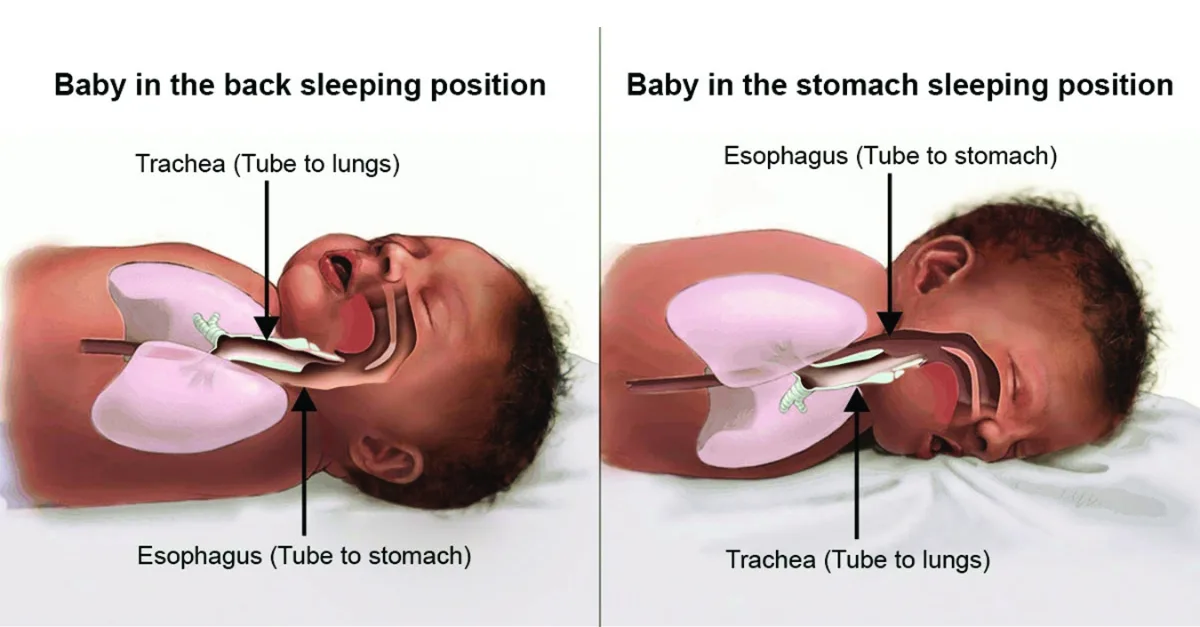
Also, consider respiratory issues. Snoring, mouth breathing, or pauses in breathing suggest sleep apnea. This condition severely impacts sleep quality and duration.
Early detection is vital for long-term health. Never dismiss loud snoring as harmless. It requires evaluation by a specialist.
Prioritize safety over schedule optimization if any red flags appear.
FAQ: Handling Specific Age Groups and Regression Phases
Why do 4-month-old naps suddenly get shorter?
The 4-month regression alters sleep architecture permanently. Babies shift from newborn sleep patterns to adult-like cycles. This transition often causes fragmentation.
Expect shorter naps for several weeks. Consistency with wake windows helps stabilize the new rhythm faster.
Can car seat naps replace crib naps?
Car seats restrict head movement and spine alignment. They should never be used for unsupervised sleep. Occasional travel naps are fine, but regular reliance poses suffocation risks.
Always transfer sleeping babies to a flat, firm surface. This ensures safe airway positioning during extended rest periods.
How long does nap training typically take?
Most families see improvements within three to seven days. Progress isn't linear, though. Some nights will be harder than others.
Stick to your chosen method consistently. Inconsistent application resets progress. Patience is key during the initial adjustment phase.
Should I feed my baby to extend a nap?
Feeding to sleep creates a strong association. While effective short-term, it hinders independent settling skills. If hunger is the true cause, feed.
Otherwise, try soothing without food first. Reserve feeding for genuine nutritional needs. This separates comfort from sustenance effectively.
What if my baby refuses all nap attempts?
Refusal often stems from overtiredness or undertiredness. Re-evaluate wake windows carefully. Try adjusting timing by 15-minute increments.
Sometimes, skipping a bad nap improves nighttime sleep. Don’t force a battle. Flexibility reduces stress for both parent and child.

Similar Posts