Why Baby Sleeps More During the Day Than at Night

Why baby sleeps more during the day than at night? It’s rarely a sign of illness. Instead, it reflects immature biological clocks in newborns.
Their brains haven’t yet learned to distinguish daylight from darkness. This confusion is normal for the first few months.
In our research, we’ve seen this pattern affect nearly all infants under three months old. The suprachiasmatic nucleus (SCN), which controls circadian rhythms, isn’t fully developed until around 12 weeks. As of 2026, pediatric guidelines emphasize patience over intervention during this phase.
Understanding the science helps reduce parental anxiety. Let’s break down what’s happening inside your baby’s brain.
Quick Answer
Newborns lack mature circadian rhythms. Their internal clocks aren't synced with daylight. Melatonin production starts late, often after six weeks.
Day-night reversal is temporary and physiological. Most babies self-correct by four months.
Why Your Newborn’s Clock Isn’t Set Yet
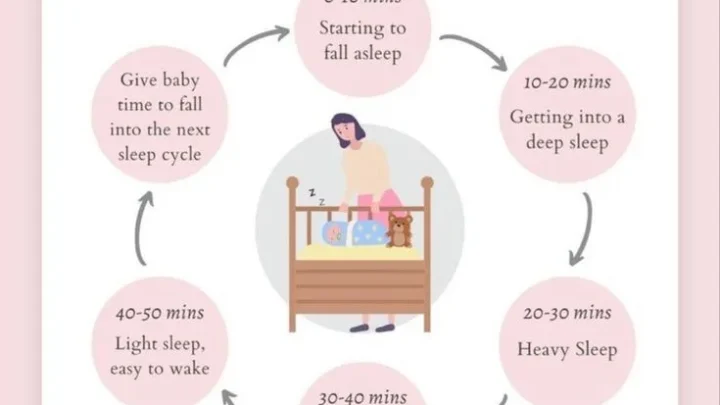
Your baby doesn’t know what "night" means yet. They live in a world without temporal boundaries. At birth, their sleep-wake cycles are driven by hunger, not light.
This is called ultradian rhythm. It consists of short bursts of activity followed by rest.
Unlike adults, who have a single long sleep period, newborns wake every two to three hours. This frequency ensures they get enough calories for rapid growth. Their stomachs are tiny, so frequent feeding is necessary.
Sleep becomes secondary to survival needs.
The concept of "daytime" requires external cues. Babies rely on parents to provide these signals. Without consistent lighting or noise levels, their brains default to random sleeping patterns.
This explains why they might nap for three hours at noon and stay awake until midnight. It’s not defiance. It’s biology.
Image source: Web (Bing) / heloa.app (Web image (fair-use with source credit))
Parents often feel guilty thinking they’ve created bad habits. But you haven’t. You’re simply dealing with an undeveloped neurological system.
The goal isn’t to force sleep. It’s to gently introduce structure as the baby matures. Recognizing this distinction reduces stress significantly.
How Circadian Rhythms Actually Develop in Infants
The master clock sits in the hypothalamus. Specifically, it’s the suprachiasmatic nucleus (SCN). This cluster of neurons receives input directly from the eyes.
Light exposure triggers chemical changes that regulate alertness.
At birth, the SCN is functional but disconnected. It doesn’t effectively communicate with melatonin-producing glands. Consequently, babies don’t produce significant amounts of melatonin naturally.
This hormone signals the body to prepare for sleep. Without it, nighttime feels indistinguishable from daytime.
Research indicates that melatonin secretion begins around six to nine weeks. By twelve weeks, the connection strengthens. The baby starts responding to light-dark cycles more predictably.
This gradual maturation is key. You can’t rush genetic development.
| Age Range | Circadian Status | Primary Driver | Expected Behavior |
|---|---|---|---|
| 0–6 Weeks | Immature SCN | Hunger/Comfort | Random naps, frequent waking |
| 6–12 Weeks | Developing Connection | Early Light Response | Longer night stretches possible |
| 3–4 Months | Established Rhythm | Social/Light Cues | Predictable schedule emerges |
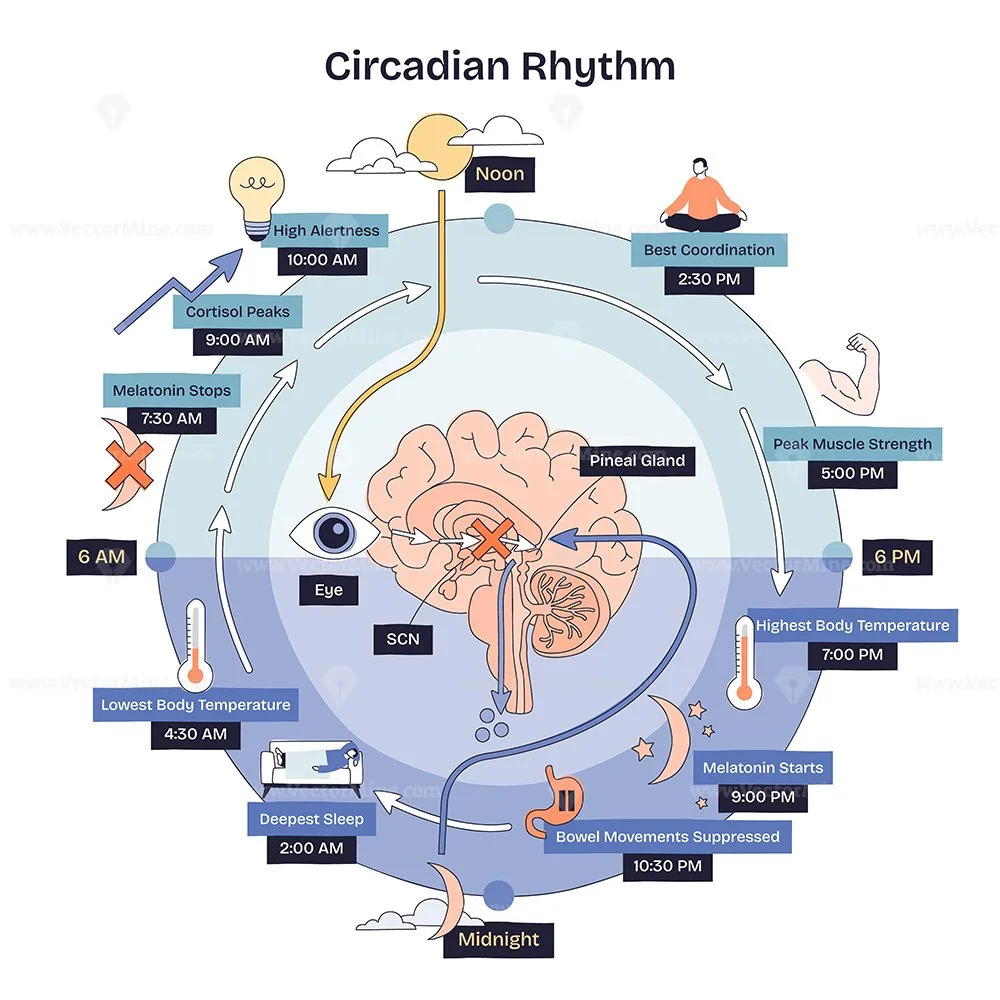
Image source: Web (Bing) / vectormine.com (Web image (fair-use with source credit))
Understanding this timeline helps set realistic expectations. If your ten-week-old still wakes hourly, it’s within normal variance. Some babies develop faster than others.
Genetics play a role here too. Don’t compare your infant to peers online. Focus on their individual trajectory.
When to Worry: Distinguishing Normal from Dangerous
Most sleep issues are developmental. However, certain signs warrant immediate medical attention. We need to separate benign reversals from potential health crises.
Accuracy here protects both child and parent peace of mind.
Watch for respiratory distress. Labored breathing, grunting, or blue lips indicate oxygen deprivation. These symptoms require emergency care.
Similarly, if your baby refuses feeds entirely for several consecutive sessions, dehydration becomes a risk. Check for wet diapers. Fewer than six per day suggests inadequate intake.
Another red flag is lethargy. A healthy sleepy baby rouses easily for feeding. An ill baby may remain unresponsive despite stimulation.
Fever in infants under three months is always urgent. Call your pediatrician immediately if temperature exceeds 100.4°F (38°C).
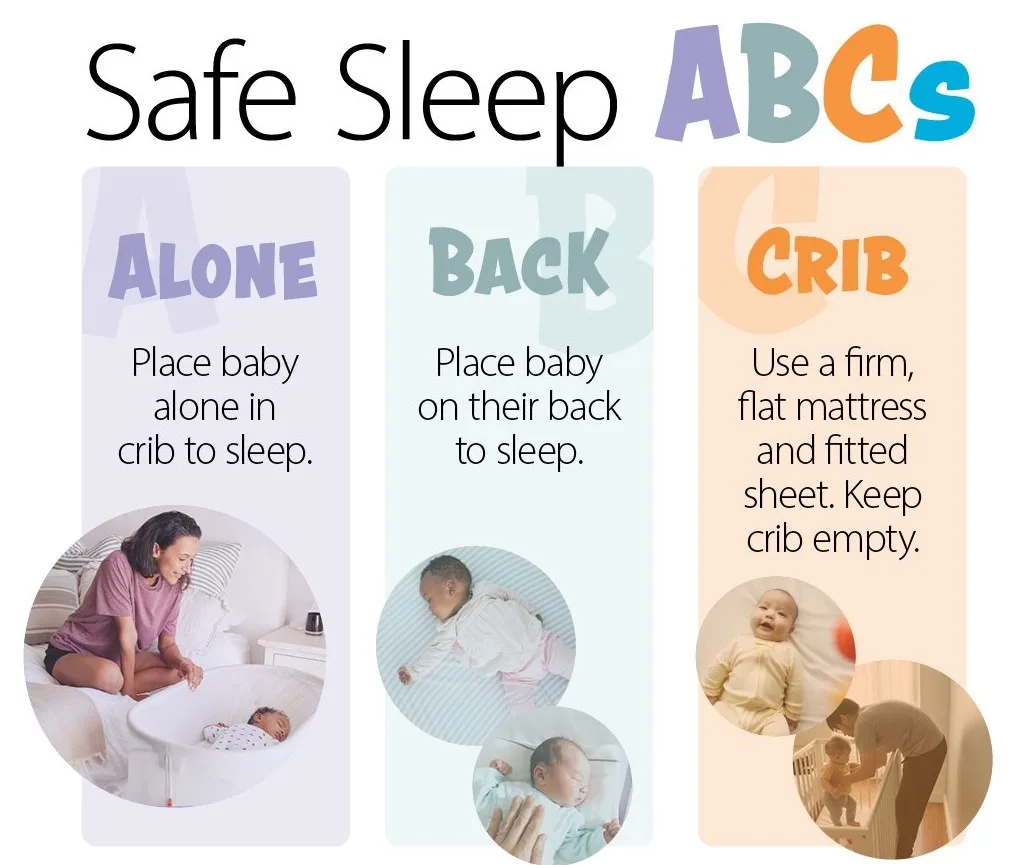
Image source: Web (Bing) / unique-baby-gear-ideas.com (Web image (fair-use with source credit))
Safe sleep practices also mitigate risks. The American Academy of Pediatrics recommends placing babies on their backs for every sleep. Soft bedding increases SIDS risk.
Ensure the crib mattress is firm and flat. Remove pillows, blankets, and toys. Adherence to these standards saves lives.
If you suspect pain or discomfort, look for behavioral changes. Arching the back, crying during feeds, or pulling legs up may signal reflux or colic. These conditions disrupt sleep but aren’t life-threatening.
Consult your doctor for management strategies. Never ignore persistent inconsolable crying. Trust your instincts when something feels wrong.
Practical Steps to Reset Baby’s Internal Clock
You can accelerate circadian alignment through environmental manipulation. Consistency is crucial. Start by managing light exposure aggressively.
During the day, keep curtains open. Expose your baby to natural sunlight whenever possible. This suppresses melatonin and boosts alertness.
At night, dim everything. Use blackout shades if streetlights intrude. Keep interactions quiet and boring during feedings.
Avoid eye contact or playful voices. Show them clearly that night is for rest, not engagement. This reinforces the psychological boundary between day and night.
Establish predictable routines early. Even simple sequences help. For example, bathe, massage, dress, then feed.
Doing this at the same time each evening creates associative learning. Over weeks, the baby anticipates sleep after these cues.

Image source: Web (Bing) / stockcake.com (Web image (fair-use with source credit))
Monitor wake windows closely. Overtired babies struggle to settle. For newborns, aim for 45 to 60 minutes of awake time.
Watch for tired cues like yawning or rubbing eyes. Put them down before they become fussy. This prevents cortisol spikes that hinder sleep onset.
Nap training isn’t necessary yet. Allow flexible daytime rest. The focus should be on protecting nighttime sleep pressure.
If they nap too long during the day, gently wake them after two hours. This preserves appetite for evening feeds and extends night duration gradually. Patience yields results.
Stick with it for at least two weeks to see shifts.
Common Mistakes That Prolong Day-Night Reversal
Many well-intentioned parents inadvertently worsen the cycle. One major error is inconsistent lighting. Using bright overhead lights during night feeds confuses the SCN.
Switch to low-level amber bulbs instead. Blue light specifically inhibits melatonin production even in small doses.
Another mistake is treating every cry as an emergency. Sometimes babies fuss while transitioning between sleep states. Rushing in immediately prevents them from learning self-soothing skills.
Wait a minute or two to see if they settle independently. This builds confidence in their own abilities.
Over-stimulation during the day also backfires. Loud music, excessive visitors, or chaotic environments raise arousal levels. High adrenaline makes falling asleep harder later.
Create calm zones for daytime rests. Limit screen time near infants entirely. Visual noise adds cognitive load they can’t process.
Finally, relying solely on rocking or feeding to sleep creates dependencies. While acceptable for newborns, prolonged reliance delays independent sleep onset. Gradually introduce other soothing methods.
Shushing, patting, or white noise machines offer alternatives. Diversifying comfort tools prepares them for future transitions. Remember, flexibility matters more than perfection.
Adjust approaches based on your specific household dynamics and baby temperament.
Navigating the 4-Month Sleep Regression
Around sixteen weeks, your baby’s sleep architecture undergoes a massive shift. They stop cycling like newborns and start sleeping more like adults. This transition often disrupts previously established patterns.
You might see frequent wakings return just when you thought things were settling down.
This isn’t a setback. It’s developmental progress. The brain is pruning neural connections to solidify longer sleep blocks.
During this phase, self-soothing skills become critical. Babies who relied heavily on rocking or feeding may struggle more here.
We recommend adjusting expectations rather than forcing strict training. Offer brief pauses before intervening. Let them try to reconnect their sleep cycles independently.
If they cry, provide minimal comfort. Avoid picking them up unless necessary.
Consistency remains key during this regression. Stick to your bedtime routine even if nights get chaotic. Track wake windows carefully, as overtiredness exacerbates fragmentation.
Most families find stability returns within two to four weeks. Patience is your best tool right now. Don’t panic if old habits resurface temporarily.
Frequently Asked Questions
Is day-night confusion permanent?
No, it’s temporary. Most infants resolve this by four months. Their circadian rhythms mature with age and light exposure.
Consistent routines accelerate this natural process significantly. You don’t need medication or extreme interventions. Time and gentle guidance are sufficient for nearly all healthy babies.
Should I wake my baby for feeds?
For newborns under three months, yes. Doctors often advise waking every three hours to ensure adequate nutrition. Once weight gain stabilizes, let hunger drive the schedule.
Always follow your pediatrician’s specific advice regarding your child’s growth curve and health status. Never restrict calories without medical supervision.
Does swaddling help reset sleep?
Swaddling can soothe reflexive movements that wake babies. However, it doesn’t fix circadian misalignment directly. Use it as part of a broader strategy involving light control.
Stop swaddling once rolling begins to prevent suffocation risks. Combine it with dark, quiet environments for nighttime effectiveness.
When should I consult a specialist?
Seek help if sleep issues persist beyond six months. Also contact a doctor if you suspect apnea or severe reflux. Chronic insomnia affecting daily function warrants professional evaluation.
Rule out underlying medical conditions first. Pediatric sleep specialists can offer tailored assessments for complex cases requiring further investigation.

Similar Posts