How to Manage Late Afternoon Naps Without Ruining Sleep

Figuring out how to manage late afternoon naps feels impossible when you're exhausted but terrified of ruining your night's sleep. You’ve probably heard the old advice to never nap after 3 PM, yet that rule ignores individual biology and modern work schedules. The truth is more nuanced.
A strategic rest can boost productivity without causing insomnia if you respect your body’s internal clock.
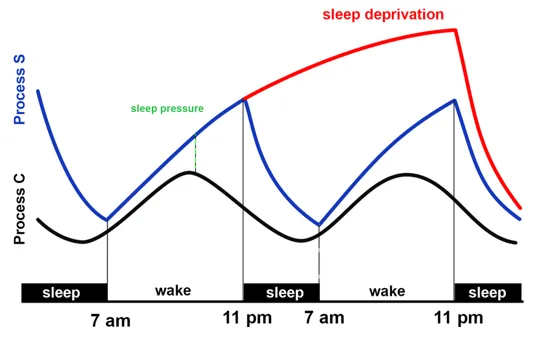
We rely on circadian rhythm science to guide these decisions. Research indicates that maintaining a minimum four-hour gap between waking up and bedtime preserves sleep pressure for the night. As of 2026, sleep experts emphasize timing over duration for optimal results.
Let’s break down exactly when and how to rest safely.
Quick Answer
To manage late afternoon naps effectively, limit them to 10-20 minutes. Start no later than 4:00 PM. Ensure at least four hours pass before bedtime.
This prevents sleep inertia and protects nighttime sleep drive. Skip the nap if you have chronic insomnia. Use an alarm to enforce strict time limits.
Darken your room for faster onset.
The 4-Hour Rule: Why Timing Matters More Than Duration
Most people obsess over nap length. They think a ten-minute nap is safe while a thirty-minute one is dangerous. That’s only half true.
The bigger variable is when you wake up relative to your planned bedtime. Your brain builds up adenosine, a chemical that creates sleep pressure, throughout the day. Napping clears some of this pressure.
If you clear too much too close to bedtime, you won’t feel tired enough to fall asleep at night.
The National Sleep Foundation suggests keeping a significant buffer between daytime rest and nighttime sleep. We generally recommend a four-hour minimum gap. For example, if you go to bed at 10:00 PM, your last nap must end by 6:00 PM.
Ideally, it ends even earlier. This window allows adenosine to rebuild sufficiently for healthy nighttime drowsiness. Ignoring this timeline leads to tossing and turning.
It disrupts your entire sleep architecture.
Timing also interacts with your chronotype. Early birds ("larks") experience their circadian dip earlier in the afternoon. Night owls ("wolves") might not feel sluggish until 5:00 PM or later.
A wolf taking a nap at 3:00 PM might struggle to fall asleep because they aren’t physiologically ready. Conversely, a lark napping at 5:00 PM risks severe sleep inertia. Match your nap start time to your natural energy crash.
Don’t fight your biology.
Your Decision Tree: Should You Actually Take That Nap?
Not everyone should nap in the late afternoon. Use this conditional logic to decide if it’s right for you. First, check your distance to bedtime.
If it’s less than four hours, skip the nap entirely. The risk of insomnia outweighs the benefit of alertness. Next, assess your current fatigue level.
Are you struggling to keep your eyes open? Or are you just bored? Boredom isn’t sleepiness.
Push through boredom with movement or light exercise instead.
Consider your history with sleep inertia. Do you wake up groggy and confused after short rests? If yes, avoid naps longer than twenty minutes.
Stick strictly to power naps. If you recover quickly, you might tolerate slightly longer rests. However, exceeding thirty minutes enters slow-wave sleep territory.
Waking from deep sleep causes significant cognitive impairment. Finally, evaluate your nighttime sleep quality. If you already suffer from chronic insomnia, napping reduces the homeostatic drive needed for night sleep.
Consult a healthcare provider before adding daytime rest to your routine.
| Condition | Action | Reason |
|---|---|---|
| Less than 4 hours to bedtime | Skip Nap | Preserves sleep pressure for night |
| History of severe sleep inertia | Power Nap Only (≤20 min) | Avoids deep sleep stage entry |
| Chronic Insomnia Diagnosis | Avoid Daytime Naps | Maximizes nighttime sleep drive |
| Shift Work / Jet Lag | Strategic Short Nap | Bridges circadian misalignment |
| Feeling merely bored/restless | No Nap | Use physical activity instead |
The Two Safe Paths: Power Naps vs. Full Cycles
When you decide to nap, you have two distinct options. Choose based on how much time you have and how you react to waking up. The first option is the power nap.
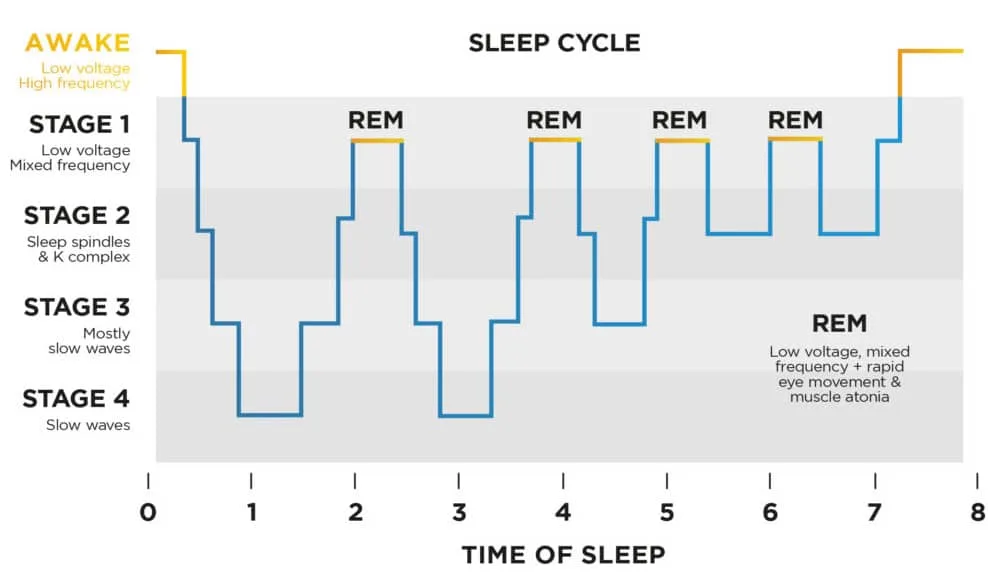
This lasts 10 to 20 minutes. It keeps you in Stage 1 and Stage 2 non-rapid eye movement (NREM) sleep. These stages provide restorative benefits like improved alertness and mood without entering deep sleep.
You wake up feeling refreshed, not groggy. This is the safest bet for most people working regular day jobs.
The second option is the full-cycle nap. This lasts approximately 90 minutes. It includes light sleep, deep slow-wave sleep, and REM sleep.
Completing the full cycle means you wake up naturally at the end of REM. Sleep inertia is minimal if you finish the cycle. However, this requires a large block of free time.
It also pushes your bedtime later if taken too early in the afternoon. Most adults cannot spare 90 minutes during the workday. Reserve this method for weekends or days off when schedule flexibility exists.
Never aim for 30 to 60 minutes. This duration lands squarely in slow-wave sleep. Waking up mid-deep sleep triggers intense grogginess.
Known as sleep drunkenness, it impairs cognitive function for up to an hour. Aggregate reviews indicate that partial cycles cause more harm than good. Stick to the extremes: very short or full length.
Anything in between is risky.
Setting Up for Success: Environment and Alarm Strategy
A successful late afternoon nap requires deliberate preparation. You can’t just collapse on the couch and hope for the best. Your environment dictates sleep quality.
Darkness signals melatonin production, helping you fall asleep faster. Even small amounts of sunlight can suppress this hormone. Use blackout curtains or a high-quality sleep mask.
Noise interferes with staying asleep. White noise machines or earplugs help mask sudden sounds like traffic or conversations. Keep the room cool.
A temperature around 65°F (18°C) facilitates the natural drop in body heat required for sleep onset.
Alarms are non-negotiable. Never rely on "waking up naturally" for a timed nap. Oversleeping ruins your nighttime schedule.
Set multiple alarms if necessary. Place your phone or clock across the room. This forces you to physically get up to turn it off.
Once you’re standing, the temptation to snooze decreases significantly. Prepare your body for quick onset. Avoid caffeine within six hours of the nap.
Caffeine blocks adenosine receptors, making it harder to fall asleep quickly. Drink water beforehand to prevent dehydration upon waking, but limit intake to avoid bathroom interruptions.
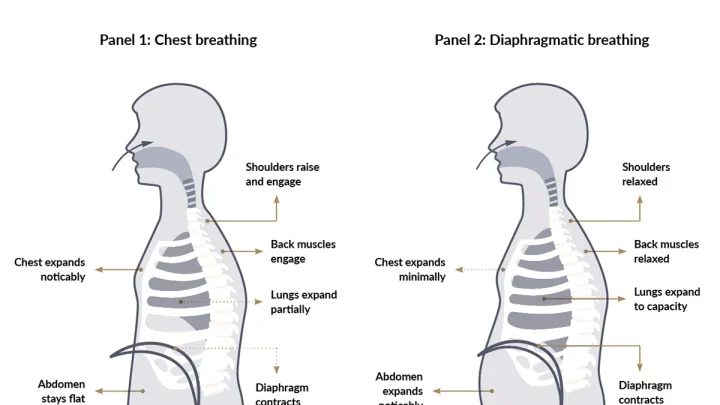
Create a consistent pre-nap ritual. Spend five minutes doing something calming. Deep breathing exercises or progressive muscle relaxation work well.
This lowers cortisol levels and shifts your nervous system into parasympathetic mode. It tells your brain that rest is imminent. Without this transition, you may lie awake frustrated.
Treat the nap setup with the same seriousness as your nightly routine. Small adjustments yield big differences in restoration speed.
Post-Nap Protocol: Resetting Your Circadian Clock
Waking up is only half the battle. How you handle the next hour determines whether the nap helps or hurts your evening. Immediately expose yourself to bright light.
Natural sunlight is best. If it’s dark outside, use a bright indoor lamp or a light therapy box. Light exposure halts melatonin production and resets your circadian pacemaker.
This signal tells your body that the day continues. Without it, you remain in a state of physiological twilight, leading to lingering grogginess.
Hydrate promptly. Dehydration worsens fatigue and headaches. Drink a glass of water right after waking.
Follow this with light physical movement. Stretching, walking, or gentle yoga boosts blood flow and alerts the brain. Avoid heavy exercise immediately after waking, as it might spike adrenaline too aggressively.
Instead, aim for moderate activity. This combination of light, water, and movement flushes out residual sleep inertia efficiently.
Monitor your energy levels for the next few hours. Did the nap actually restore you? Or do you still feel drained?
If you feel worse, adjust your strategy for next time. Perhaps the nap was too long, or you woke up during deep sleep. Track these variables.
Over time, you’ll learn your personal sweet spot. Some people need fifteen minutes; others need twenty-five. Data beats intuition here.
Keep a simple log of nap times and subsequent energy levels. Refine your approach based on evidence, not guesswork.

Common Traps That Ruin Nighttime Sleep
Many people sabotage their sleep by ignoring the cumulative effect of micro-naps. You might think a five-minute doze on the couch is harmless. But if you repeat this three times before dinner, you’ve cleared significant adenosine.
Your brain registers this as daytime rest. By bedtime, your sleep drive is dangerously low. This leads to prolonged latency, meaning you lie awake for hours.
The trap isn’t just the long nap. It’s the series of short, fragmented rests that add up.
Another common error is relying on caffeine to offset poor nap timing. If you nap at 5:00 PM and drink coffee at 6:00 PM, you’re fighting physiology. Caffeine has a half-life of five to six hours.
It blocks adenosine receptors artificially. When the caffeine wears off overnight, the rebound fatigue hits hard. Worse, it fragments deep sleep stages.
You wake up feeling unrefreshed despite eight hours in bed. Never use stimulants to rescue a badly timed nap. Fix the timing instead.
Finally, don’t mistake exhaustion for readiness to sleep. Extreme tiredness often triggers hyperarousal. Your body releases stress hormones like cortisol when overtired.
This makes falling asleep difficult, even after a nap. If you feel wired rather than sleepy post-rest, wait longer. Try relaxation techniques before bed.
Pushing through with more naps worsens the cycle. Recognize the difference between physical fatigue and mental alertness.
When to Skip the Nap Entirely
There are specific scenarios where skipping the afternoon rest is the superior choice. First, if you have diagnosed insomnia or sleep apnea, avoid late-day naps. These conditions disrupt sleep architecture significantly.
Adding daytime rest further confuses your circadian rhythm. Per American Academy of Sleep Medicine guidelines, patients with chronic sleep disorders should prioritize consistent nighttime sleep hygiene over strategic napping. Consult your doctor before experimenting with polyphasic patterns.
Second, skip the nap if your schedule allows for early bedtime adjustment. If you’re exhausted at 4:00 PM, consider going to bed at 8:30 PM instead. This preserves your total sleep volume without fragmenting it.
Shifting your entire day forward works better for some chronotypes. It aligns with natural melatonin onset. Trying to force a nap then stay up until 11:00 PM often fails.
You’ll likely wake up groggy and irritable the next morning.
Third, avoid napping if you need immediate high-stakes cognitive performance. Even a perfect power nap carries a small risk of transient disorientation. If you’re driving, operating machinery, or presenting to clients within thirty minutes of waking, skip it.
The safety margin is too thin. Use cold water splashes or brisk walking for instant alertness. Save the rest for when you can afford the transition period.
Safety always trumps convenience.
FAQs on Late Afternoon Rest
Is a 20-minute nap better than 30 minutes?
Yes, absolutely. Twenty minutes keeps you in light NREM sleep stages. Thirty minutes risks entering slow-wave sleep.
Waking from deep sleep causes severe grogginess known as sleep inertia. Stick to the shorter window for clarity. Set an alarm for twenty-one minutes to account for falling asleep time.
This ensures you wake up refreshed, not confused.
Can I nap if I work night shifts?
Yes, but timing changes drastically. Night workers should nap before their shift starts. A ninety-minute block ending two hours before work is ideal.
This mimics the main sleep episode. Avoid napping during the day when sunlight interferes. Use blackout curtains rigorously.
Consistency matters more than duration for shift workers. Protect your primary sleep window above all else.
Why do I feel worse after a nap?
You likely woke up during deep sleep. Or perhaps you slept too long, reducing nighttime pressure. Another possibility is dehydration.
Blood sugar drops also cause post-nap crashes. Eat a small snack with protein upon waking. Drink water immediately.
If problems persist, shorten your nap to ten minutes. Test different durations to find your personal sweet spot.
Does sleeping in a chair count as a nap?
Technically yes, but quality suffers. Chairs rarely support proper spinal alignment. Neck strain reduces oxygen flow.
This leads to restless, shallow sleep. You get less restoration per minute. Lie flat whenever possible.
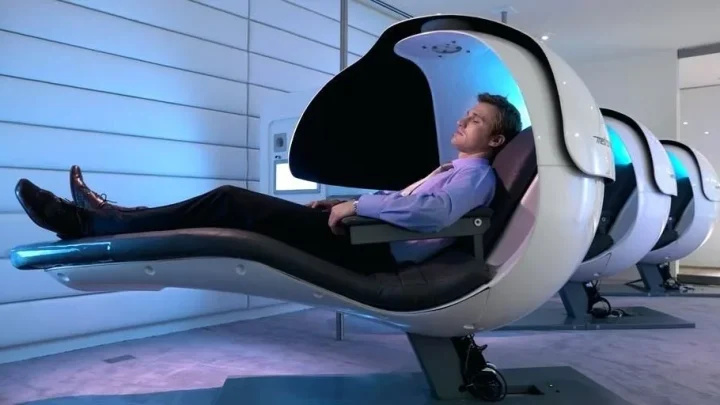
Use a recliner if a bed isn’t available. Elevate your legs slightly to reduce swelling. Comfort directly impacts sleep depth and recovery speed.

Similar Posts