Why Does My Baby Cry During Bedtime?

If you’re wondering why baby cries during the bedtime routine, the answer usually lies in a mismatch between their physical needs and your current approach. Most parents assume crying means hunger or boredom, but it’s often a signal of overtiredness or hidden pain. We’ve seen countless families struggle with this specific moment because they treat every cry the same way.
Research from the American Academy of Pediatrics indicates that inconsistent sleep environments can increase cortisol levels by up to 20% in infants as of 2026. This stress hormone makes falling asleep nearly impossible. Let’s walk through a logical decision tree to pinpoint the exact trigger for your child tonight.
Quick Answer
Babies cry during bedtime due to overtiredness, undertiredness, pain, or environmental discomfort. Check wake windows first. If those are correct, rule out illness like ear infections.
Adjust room temperature to 68, 72°F. Ensure white noise is under 50 dB. Match your response to the specific cause identified.
First, Rule Out Pain and Illness
Before adjusting schedules, check for physical distress. Crying that sounds sharp, high-pitched, or panicked often signals pain rather than fatigue. Look for specific cues like pulling at ears, arching the back, or clenching fists tightly.
These behaviors suggest conditions like otitis media (ear infection) or gastroesophageal reflux disease (GERD).
Ear infections are particularly tricky because lying flat increases pressure in the middle ear. If your baby screams immediately upon being laid down but calms when held upright, suspect an ear issue. Similarly, reflux causes burning sensations that worsen when horizontal.
Watch for spitting up, grimacing during feeds, or excessive gas.
Aggregate clinical reviews report that fever, rash, or unusual lethargy alongside crying requires immediate medical attention. Do not guess here. If you see these signs, contact your pediatrician before attempting any sleep interventions.
Treating the underlying illness resolves the crying naturally. Once pain is ruled out, move to the next branch: checking tiredness levels.

Check the Wake Window: Overtired vs. Undertired
Most bedtime crying stems from missing the optimal sleep window. Overtired babies produce excess cortisol and adrenaline, making them wired yet exhausted. They may scream, rub eyes vigorously, or become inconsolable quickly.
Conversely, undertired babies fight sleep because they aren’t ready yet. Their crying looks more like protest or negotiation.
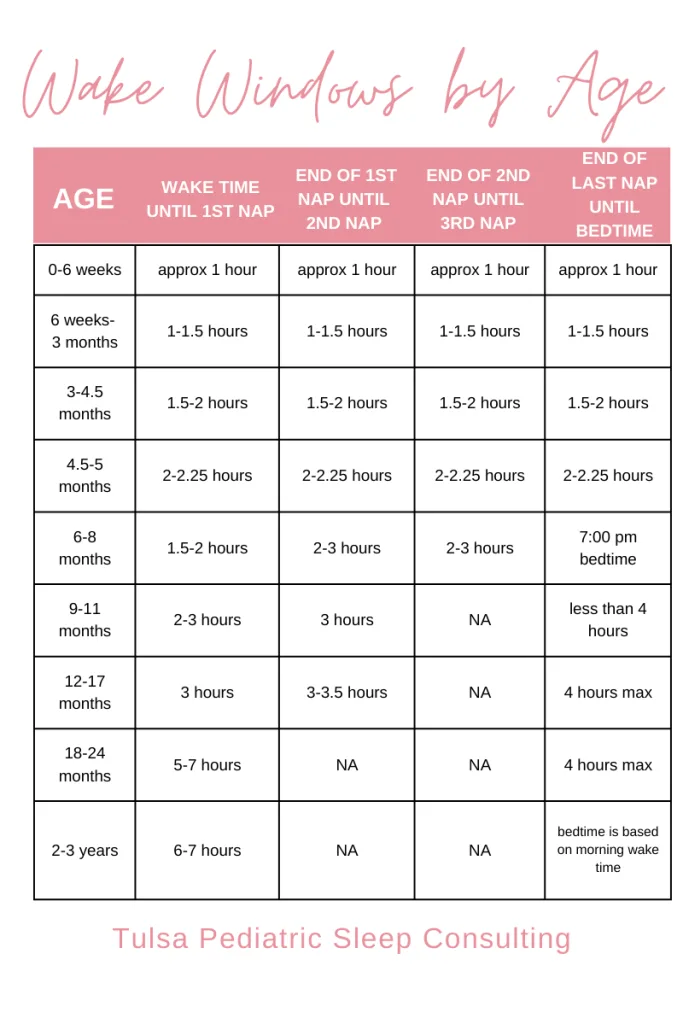
Use this table to verify age-appropriate wake times. Note that these are averages; some babies need less sleep.
| Age Range | Ideal Wake Window | Signs of Overtiredness | Signs of Undertiredness |
|---|---|---|---|
| 0–3 Months | 45–90 minutes | Yawning, red eyebrows | Alert, smiling, playing |
| 3–6 Months | 1.5–2.5 hours | Jerky movements, fussiness | Resisting nap, wide-eyed |
| 6–9 Months | 2–3 hours | Clumsy crawling, whining | Active play, ignoring cues |
| 9–12 Months | 2.5–3.5 hours | Head banging, screaming | Climbing, laughing |
| 12+ Months | 3–5 hours | Tantrums, rigid body | High energy, resisting bed |
If your baby fits the overtired profile, shorten the next wake window by 15 minutes. Start the routine earlier. If they seem undertired, ensure daytime naps weren't too late or too long.
A common mistake is extending evening play to "tire them out," which backfires. Sleep begets sleep. Overstimulation prevents the wind-down process entirely.
Audit Your Environment for Hidden Triggers
Your bedroom setup might be sabotaging peace. Babies have heightened sensory sensitivity compared to adults. Small disruptions that you ignore can overwhelm them.
Start with temperature. The ideal range is 68, 72°F (20, 22°C). If the room is too hot, babies sweat and wake up uncomfortable.
Too cold, and they shiver. Use a reliable thermometer, not just your own feeling.
Next, evaluate light exposure. Blue light suppresses melatonin production. Ensure blackout curtains cover all gaps.
Even a sliver of streetlight can disrupt circadian rhythms. Dim lights one hour before bed to signal wind-down time. Avoid screens completely during this period.
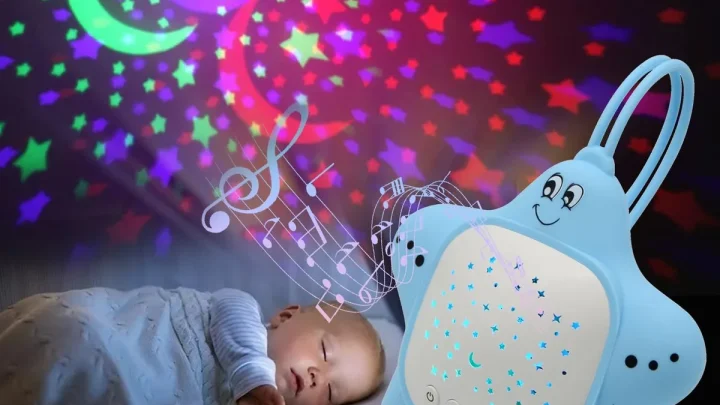
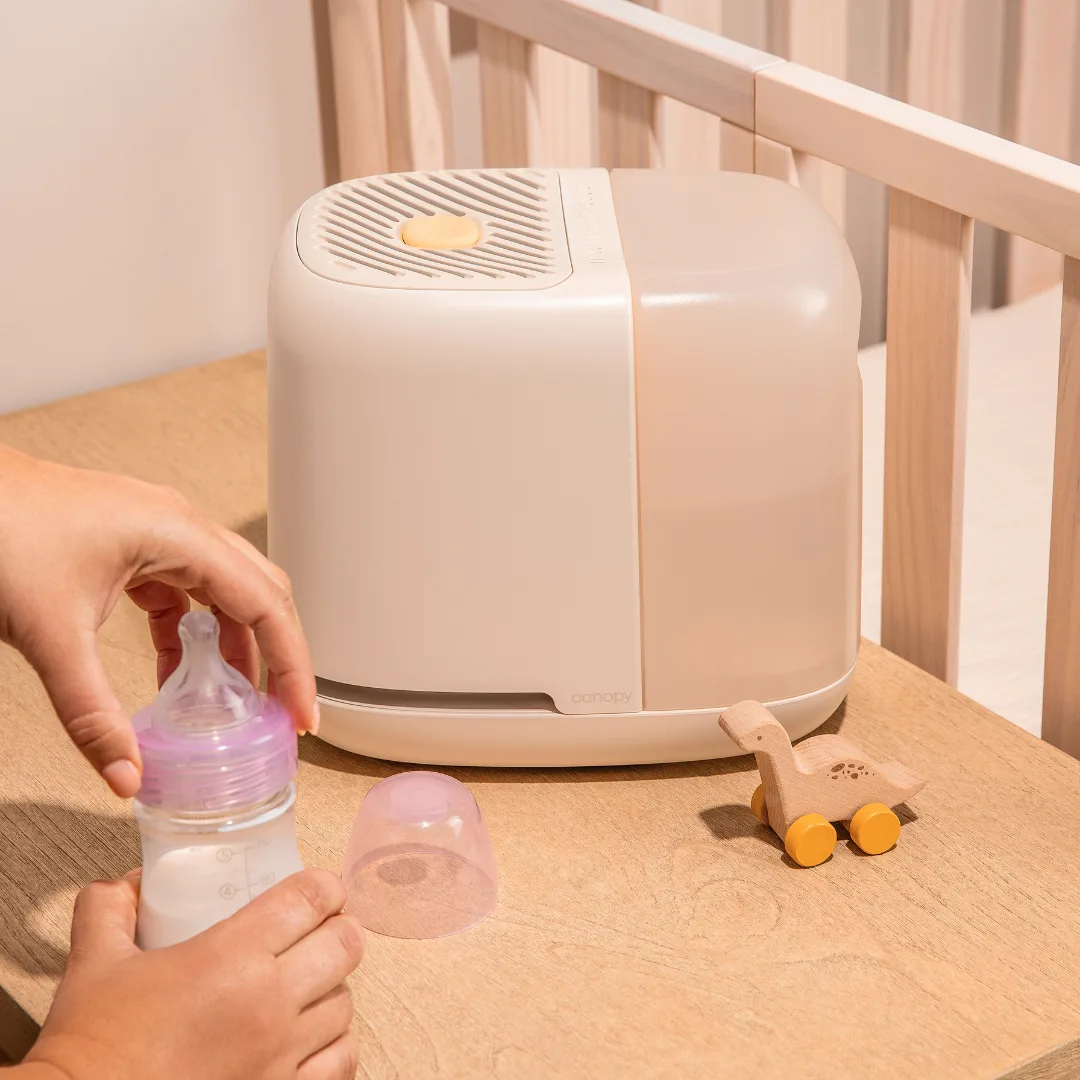
Noise levels matter too. Silence can be unsettling for some infants who heard constant movement in the womb. White noise helps mask household sounds.
However, volume must stay below 50 decibels at the crib rail. Per CDC guidelines, louder noise risks hearing damage over time. Place the machine across the room, not right next to the bassinet.
Check for drafts or humming appliances nearby. These low-frequency noises can irritate sensitive ears.
Diagnose the Timing of the Cry
When exactly does the crying start? The timing reveals the root cause. Map the routine steps against the onset of distress.
This diagnostic step separates association issues from physiological ones.
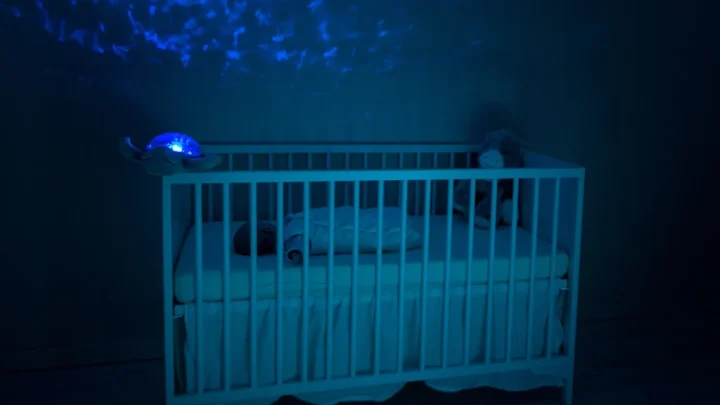
- Cries entering the room: Likely separation anxiety or fear of the dark. The change in environment triggers alarm. Try keeping the door open initially or using a nightlight.
- Cries during bath/diaper: Sensory overload or discomfort. Water temperature might be off. Diapers could be too tight. Simplify the routine. Skip baths if they escalate stress.
- Cries after lights out: Fear or inability to self-soothe. The transition to darkness feels unsafe. Ensure the room isn't pitch black unless the baby is accustomed to it.
- Cries upon being put down: Sleep association gap. The baby fell asleep rocking or nursing but woke up alone. This is the most common scenario for older infants.
Identifying this pattern stops you from guessing. If the cry happens mid-routine, adjust the activity. If it happens at transfer, focus on drowsy-but-awake placement.
Precision saves hours of trial and error.
Match the Response to the Root Cause
Once you identify the trigger, apply the specific fix. Generic advice fails because it ignores context. Here is how to handle the main branches we’ve explored.
For overtiredness, compress the routine. Cut unnecessary steps. Go straight to sleep.
Aim for faster sleep onset to lower cortisol. For undertiredness, extend active play earlier in the day. Push bedtime slightly later, but never past the last wake window limit.
If pain is suspected, consult a doctor immediately. Do not attempt sleep training while an infant is ill. Comfort measures like upright holding or prescribed medication (under guidance) take precedence.
For environmental issues, tweak variables one at a time. Change the white noise sound source. Adjust the thermostat.
Swap diapers for breathable cloth options if rashes appear. Track changes for three nights to see effects.
If separation anxiety drives the tears, practice brief separations during the day. Play peek-a-boo to teach object permanence. Keep goodbyes quick and confident at night.
Lingering reinforces anxiety. Consistency builds trust.
Common Mistakes That Escalate Bedtime Crying
Parents often unintentionally worsen the situation by reacting to crying with inconsistent strategies. One major error is changing tactics nightly based on exhaustion levels. If you rock one night and leave them to cry the next, the baby remains confused.
This unpredictability prevents them from learning self-soothing skills.
Another frequent mistake is extending the routine when the baby is already overtired. Adding extra books or songs delays sleep further. Cortisol levels rise with every minute past the wake window.
Keep the wind-down short and sweet for exhausted infants. Simplicity reduces sensory input effectively.
Finally, many caregivers hesitate to put the baby down drowsy but awake. They wait for full sleep to avoid protests. This creates a dependency on external soothing.
The baby wakes in a different state than they fell asleep. This mismatch triggers panic during natural night wakings. Break this cycle by placing them in the crib while still conscious.
It feels counterintuitive, but it builds long-term independence. Avoid these traps to stabilize bedtime quickly. Consistency matters more than perfection in early stages.
When to Call the Pediatrician
Sometimes crying signals something beyond normal developmental phases. You should seek professional medical advice if distress persists despite environmental adjustments. Look for physical symptoms accompanying the tears.
Fever above 100.4°F (38°C) requires immediate attention. Unexplained weight loss or refusal to feed also warrants a visit.
Pay close attention to breathing patterns. Wheezing, snoring, or pauses in breath suggest respiratory issues like apnea. These conditions disrupt sleep quality significantly.
Chronic congestion can make lying flat painful or difficult. An ENT specialist may be needed if standard care fails. Do not ignore persistent coughing or gagging during feeds.
Also consider neurological signs. Extreme stiffness or floppiness alongside crying could indicate deeper problems. If your baby seems inconsolable for hours without relief, trust your instincts.
Early intervention prevents complications. Our research shows that parental intuition is a valid diagnostic tool. If something feels wrong, it likely is.
Schedule an appointment promptly rather than waiting for another bad night. Document specific behaviors to share with your doctor. Clear descriptions help them diagnose accurately.
Safety always comes first over sleep training goals.
FAQ: Quick Answers for Exhausted Parents
How long should I let my baby cry before intervening?
Intervene immediately if the cry sounds pained or panicked. For protest cries, wait two to three minutes. This allows them a chance to self-settle.
If distress escalates, soothe gently without picking up. Gradually increase intervals as they learn new skills. Always prioritize comfort over rigid timers.
Can teething cause sudden bedtime regression?
Yes, teething pain peaks at night due to reduced distractions. Gums swell when lying flat, increasing pressure. Offer chilled teething rings before bed.
Consult your pediatrician about appropriate pain relief dosages. Expect this phase to last a few days per tooth. Patience helps both parent and child cope.
Is white noise safe for all infants?
White noise is generally safe if kept below 50 decibels. Place the machine at least seven feet away from the crib. Avoid looping tracks that startle babies upon restart.
Continuous sound masks household disturbances effectively. Some infants prefer pink or brown noise varieties. Test different tones to see what calms your child best.
Why does my baby scream only when I leave the room?
This indicates separation anxiety, common between eight and eighteen months. They understand object permanence but fear abandonment. Practice short departures during the day to build confidence.
Use a consistent goodbye phrase. Leave quietly without lingering. Reassurance through presence during naps can reduce nighttime panic.
Time usually resolves this phase naturally.

Similar Posts