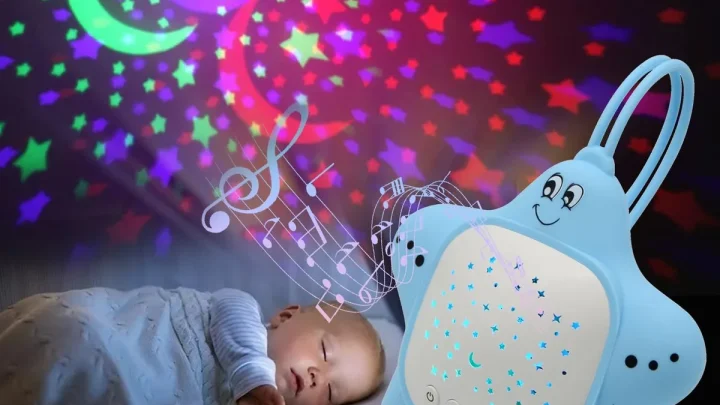
Why Baby Suddenly Resists Bedtime: Causes & Fixes

You’re staring at a wide-eyed baby who was sleeping like a champ yesterday, but tonight they’re screaming. Figuring out why baby resists bedtime suddenly feels impossible when you’re exhausted. It’s usually not one big mystery.
Instead, it’s a specific trigger hitting all at once.
Most parents miss the obvious clues because they’re looking for complex solutions. The truth is simpler. Your child’s body or brain changed something recently.
We’ve mapped the most common culprits based on pediatric guidelines as of 2026. Let’s walk through the diagnostic steps to find your fix.
Image source: Bing (Web (fair-use with source credit))
Quick Answer
Why baby resists bedtime suddenly? Usually due to teething pain, developmental leaps, or schedule mismatches. Check for fever or ear tugging first.
If healthy, assess recent motor skill changes. Adjust wake windows accordingly. Most regressions last 2-6 weeks.
Consistency helps resolve behavioral resistance faster than waiting it out.
The First 5 Minutes: Rule Out Pain and Illness Immediately
Before you tweak routines, check the body. Physical discomfort is the number one cause of abrupt sleep refusal. Babies don’t verbalize pain well.
They scream instead. Start with a quick physical scan. Look for red flags that need medical attention right away.
Run through this checklist before touching the crib sheets.
- Fever: Take their temperature. Anything over 100.4°F (38°C) means illness. Stop sleep training. Focus on comfort and hydration. Call your pediatrician if it persists.
- Ear Infection: Watch for head shaking or pulling at ears. Lying down increases pressure in inflamed ears. This causes sharp pain. A doctor can diagnose this quickly.
- Teething: Check gums for swelling or white spots. Molars hurt more than incisors. Pain peaks when lying flat. Offer a cold teether or approved pain relief if needed.
- Digestive Distress: Feel their belly. Is it hard or bloated? Gas pain worsens at night. Gentle bicycle legs can help release trapped air.
- Skin Irritation: Scan for rashes, eczema flare-ups, or diaper rash. Heat makes itching worse. Cool the room slightly and apply barrier cream.

If any of these are present, treat the symptom first. Sleep will return once the pain stops. Don’t force a routine during acute illness.
Your job is comfort, not correction. Wait until they are fully recovered. Then resume normal patterns.
If the baby seems physically fine, move to the next layer. Sometimes low-grade issues hide in plain sight. Reflux can flare up without visible spit-up.
Silent reflux causes burning sensations when horizontal. Try holding them upright for 20 minutes after feeds. See if resistance decreases.
This simple test rules out gastrointestinal triggers.
Map the Developmental Leap: Why Your Baby’s Brain is Rewiring
Developmental leaps disrupt sleep more than almost anything else. As of 2026, research confirms that new skills compete with sleep consolidation. Your baby’s brain is busy practicing crawling, standing, or talking.
They resist bedtimes because they want to keep learning.
Identify which leap matches your child’s age. Use this guide to spot the signs.
| Age Range | Common Leap | Sleep Behavior Sign |
|---|---|---|
| 4 Months | Vision/Social Smiling | Frequent wakings, less deep sleep |
| 6 Months | Sitting/Rolling | Standing in crib, refusing to lie down |
| 8-9 Months | Crawling/Object Permanence | Separation anxiety, crying when left alone |
| 10-12 Months | Pulling Up/Walking | Practicing moves at bedtime, high energy |
| 18 Months | Language Explosion | Negotiating bedtime, asking for water/toys |
Notice the pattern? Motor skills lead to physical resistance. Cognitive skills lead to emotional resistance.
At eight months, object permanence kicks in. Your baby knows you exist even when you leave the room. This triggers separation anxiety.
They cry to bring you back. It’s not manipulation. It’s development.
For older babies, language leaps cause negotiation. An eighteen-month-old might ask for “one more book” repeatedly. They are testing boundaries while mastering words.
Stay calm and consistent. Acknowledge their new skill but hold the boundary. Practice the new skill during the day.
Save nighttime for rest.
Don’t mistake regression for permanent damage. These phases typically last two to six weeks. Once the brain masters the skill, sleep often improves.
Patience is key here. You aren’t failing. Their biology is changing fast.
Support them through the transition without giving up structure.
Audit the Schedule: Are They Overtired or Undertired?
Schedule mismatches are silent killers of good sleep. Most parents guess wake windows. Wrong guesses create chaos.
Overtired babies produce excess cortisol. This stress hormone blocks melatonin. They fight sleep despite being exhausted.
Undertired babies simply aren’t ready. They stall and play.
Check your baby’s current age against standard recommendations.
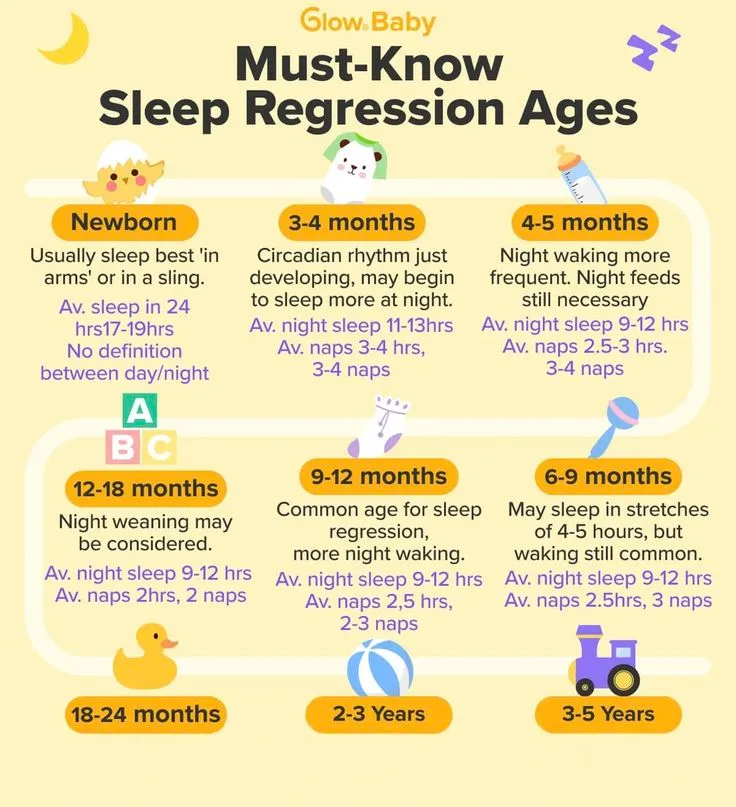
Use this table to verify timing. Adjust naps if necessary.
| Age | Total Daily Sleep | Number of Naps | Ideal Wake Window |
|---|---|---|---|
| Newborn | 14-17 hours | 4-6+ | 45-60 mins |
| 4 Months | 12-15 hours | 3-4 | 1.5-2 hours |
| 6 Months | 12-14 hours | 2-3 | 2-2.5 hours |
| 9 Months | 12-14 hours | 2 | 2.5-3 hours |
| 12 Months | 11-14 hours | 1-2 | 3-4 hours |
| 18 Months | 11-14 hours | 1 | 4-5 hours |
Look closely at the last nap. Did it end too late? If the gap between waking and bedtime exceeds the ideal window, overtiredness sets in.
Conversely, if the gap is too short, undertiredness occurs. Both result in resistance.
Track three days of sleep logs. Note exact times of waking and falling asleep. Patterns emerge quickly.
Maybe the morning nap is too long. Or perhaps bedtime is consistently too early for their current rhythm. Small tweaks yield big results.
Move bedtime by fifteen-minute increments. Observe reactions for three nights each.
Remember that quality matters as much as quantity. Broken naps reduce total daytime sleep. This increases night drive.
But if naps are too restorative, night sleep suffers. Balance is delicate. Prioritize consistent start times over perfect durations.
Stability regulates circadian rhythms better than flexibility.
Check the Environment: Hidden Triggers in the Nursery
Your bedroom setup might be working against you. External factors disrupt internal clocks. Light, sound, and temperature play huge roles.
Even small changes trigger sudden resistance. Audit the space objectively. Remove distractions that stimulate rather than soothe.
Start with lighting. Blue light suppresses melatonin production. Ensure no screens are active within an hour of bed.
Check for streetlights leaking through curtains. Blackout blinds are essential for infants. Even dim ambient light can signal "daytime" to sensitive eyes.
Test darkness levels at night. You shouldn’t see your hand held six inches from your face.
Next, evaluate noise. Silence isn’t always golden. Sudden sounds wake light sleepers.
White noise machines mask household noises. Keep volume below 50 decibels at the crib rail. Higher volumes risk hearing damage.
Consistent sound aids self-soothing. If you stopped using white noise abruptly, restart it. Gradual fades work best.
Temperature control is critical. Overheating causes restless tossing. Undercooling leads to waking from shivering.
Aim for 68-72°F (20-22°C). Dress your baby appropriately. One extra layer compared to adults is sufficient.
Check their chest or neck for sweat. Cold hands and feet are normal. Warm chests mean comfortable bodies.
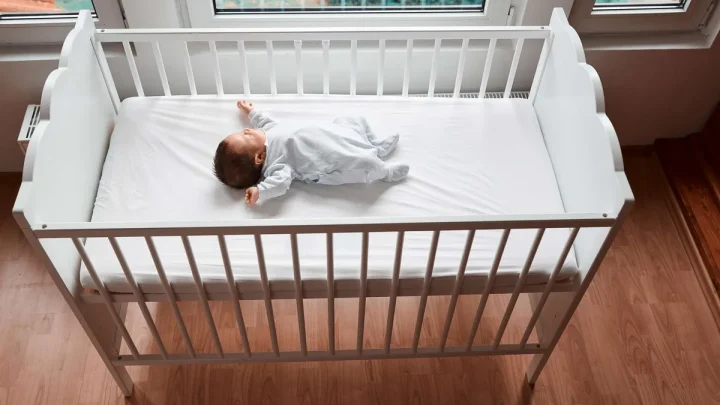
Finally, inspect the crib itself. Is it bare? Loose bedding poses suffocation risks.
Remove pillows, blankets, and stuffed animals for babies under twelve months. Teething toys attached to rails can become hazards. Keep the space empty except for a fitted sheet.
Safety drives confidence. Confident babies sleep better.
Link to AAP Safe Sleep Guidelines provides detailed safety standards worth reviewing annually.
The Decision Flowchart: Matching Symptoms to Solutions
Now combine the data. Use this logic tree to pinpoint the root cause. Follow the branches based on observations from previous sections.
This workflow prevents guessing games. It directs action efficiently.
Step 1: Is there physical pain?
- Yes: Treat illness or teething. Pause sleep training. Resume when healed.
- No: Proceed to Step 2.
Step 2: Did a new skill appear recently?
- Yes: Practice skill during day. Keep bedtime boring. Expect 2-6 week duration. Stick to routine.
- No: Proceed to Step 3.
Step 3: Is the schedule off?
- Overtired: Shorten wake window earlier. Add a catnap if needed. Go to bed 15-30 mins sooner.
- Undertired: Lengthen wake window. Delay bedtime by 15 mins. Increase daytime activity.
- Correct: Proceed to Step 4.
Step 4: Has the environment changed?
- Yes: Restore blackout, white noise, or temp. Check for new noises/light leaks.
- No: Proceed to Step 5.
Step 5: Is there separation anxiety?
- Yes: Use brief, predictable goodbyes. Consider a lovey if over 12 months. Reassure without lingering.
- No: Review consistency gaps. Are caregivers responding differently? Align approaches across all providers.
This flowchart isolates variables. You tackle one issue at a time. Changing five things simultaneously confuses both parent and baby.
Pick the highest probability branch. Implement the fix for three to five nights. Evaluate progress.
If no change, move to the next branch.
Often, multiple factors overlap. Teething plus overtiredness creates severe resistance. Address pain first.
Then adjust schedule. Layered problems require layered solutions. Don’t expect overnight miracles.
Steady, logical adjustments restore balance fastest.
Common Mistakes That Extend the Resistance
Parents often sabotage their own efforts by reacting inconsistently. The biggest error is switching strategies mid-night. If you start with gentle fading, then give in and pick them up, you teach persistence.
Babies learn that crying harder yields results. Stick to one method for at least three nights. Mixed signals confuse infants and prolong sleep protests.
Another trap is ignoring daytime cues. Many families focus solely on bedtime. Yet, poor naps directly impact night sleep quality.
If your baby skips a nap, they become overtired by evening. This leads to meltdowns that mimic behavioral resistance. Ensure adequate daytime rest before expecting smooth nights.
You cannot fix night issues without addressing day patterns.
Overstimulation right before bed also backfires. High-energy play raises cortisol levels. It takes time for bodies to wind down.
Ending roughhousing five minutes before lights out doesn’t allow transition. Create a buffer zone of calm activities. Dim lights and quiet books help lower arousal.
Rushing this process guarantees struggle. Slow down to speed up sleep onset.
Finally, don’t underestimate partner disagreement. When Mom follows one rule and Dad breaks it, chaos ensues. Babies exploit these gaps quickly.
Align on approach beforehand. Discuss methods during the day, not in the heat of the moment. Unified fronts work faster than solo battles.
Consistency across caregivers accelerates resolution significantly.
When to Call the Pediatrician (Red Flags)
Most bedtime resistance resolves with routine adjustments. However, certain signs demand professional evaluation. Do not wait if symptoms persist beyond two weeks.
Persistent refusal may indicate underlying medical issues. Early diagnosis prevents chronic sleep debt. Trust your instincts when something feels off.
Seek immediate care if you notice breathing irregularities. Snoring, gasping, or pauses suggest sleep apnea. This condition disrupts oxygen flow and fragments sleep.
Untreated apnea affects development and behavior. A pediatrician can order a sleep study if needed. Never assume snoring is harmless.
It requires clinical attention.
Also watch for extreme lethargy during the day. If your baby struggles to stay awake despite napping, consult a doctor. This could signal anemia or thyroid issues.
Blood tests provide clarity. Don’t dismiss unusual tiredness as just a phase. Medical causes need treatment, not just schedule tweaks.
Consider referral if growth curves drop unexpectedly. Poor sleep impacts appetite and metabolism. Significant weight loss alongside insomnia warrants investigation.
Gastrointestinal disorders like GERD often coexist with sleep trouble. Specialists can manage reflux effectively. Getting ahead of health scares reduces parental anxiety.
Professional guidance offers peace of mind.
FAQs
How long does sudden bedtime resistance last?
Typical regressions last two to six weeks. Developmental leaps dictate the timeline. Once the new skill is mastered, sleep stabilizes.
Environmental fixes work faster, often within three days. Illness-related resistance ends when recovery completes. Patience matters more than perfection.
Track progress weekly rather than nightly. Most families see improvement by week four.
Should I change my baby’s bedtime?
Adjust only if wake windows are mismatched. Overtired babies need earlier beds. Undertired ones benefit from later starts.
Shift by fifteen-minute increments every three nights. Avoid drastic changes. Small tweaks preserve circadian rhythm stability.
Monitor reactions closely. If resistance continues, revert to previous timing. Data beats intuition here.
Log sleep times accurately.
Is separation anxiety normal at bedtime?
Yes, especially between eight and ten months. Object permanence develops rapidly then. Babies fear losing contact with caregivers.
Brief, predictable goodbyes reassure them. Lingering increases distress. Use a consistent phrase and exit calmly.
Return promptly if needed initially. Confidence builds with repetition. This phase passes naturally.
Support doesn’t mean surrender.
Can teething really stop sleep?
Absolutely. Pain intensifies when lying flat. Pressure builds in inflamed gums.
Nighttime becomes unbearable without relief. Cold teethers or approved medication help. Sleep returns once inflammation subsides.
Expect disruption for three to five days per tooth. Comfort measures bridge the gap. Hydration supports healing too.
Pain management is key.

Similar Posts