Baby Day-Night Reversal: When It Signals Health Issues

Most parents assume irregular sleep is just a phase. But when a baby's day night pattern raises health concerns, it often signals something deeper than behavioral issues. You might notice your infant sleeping too much or struggling to stay awake for feeds.
These shifts can indicate metabolic or neurological problems that need immediate attention.
The American Academy of Pediatrics notes that newborns typically sleep 14 to 17 hours daily. Deviations from this norm, especially combined with poor weight gain, warrant medical review. We’ve seen cases where simple "sleep training" advice delayed critical diagnoses.
Understanding the difference between normal development and pathology saves lives. Let’s break down exactly what to watch for.
Why Your Baby’s Sleep Pattern Is More Than Just Exhaustion
The Critical Difference Between "Normal" Chaos and Medical Red Flags
Sleep disruption in infants isn't always about bad habits. Sometimes, it’s the body’s way of screaming for help. Normal newborn sleep is fragmented because their circadian rhythms aren’t established yet.
They wake frequently to feed and clear their stomachs. This is expected behavior for the first few months.
However, pathological sleep patterns look different. If your baby seems lethargic, difficult to rouse, or excessively irritable despite soothing, take note. These signs suggest underlying pain, infection, or oxygen deprivation.
Parents often mistake these symptoms for colic or overtiredness. That assumption can be dangerous if left unchecked.
We must distinguish between developmental noise and clinical warning signs. Developmental changes happen gradually and align with age milestones. Medical red flags appear suddenly or persist despite optimal care.
For example, a baby who stops gaining weight while sleeping unusually long periods needs evaluation. Ignoring these cues delays treatment for conditions like hypothyroidism or heart defects. Trust your instincts.
If something feels wrong, it probably is. Seek professional guidance rather than relying solely on online forums. Early detection leads to better outcomes for neurodevelopment and physical health.
Image source: Web (Bing) / ar.inspiredpencil.com (Web image (fair-use with source credit))
Decoding the Circadian Rhythm: When to Expect Day-Night Confusion
Newborn Biology vs. Older Infant Developmental Milestones
Newborns don’t have a functioning internal clock at birth. Their melatonin production starts around six to eight weeks of age. Until then, they operate on a basic hunger-satiety cycle.
This means they sleep in short bursts regardless of daylight. It’s biologically normal for them to be active at night and sleepy during the day.
By three to four months, light exposure begins shaping their rhythm. Morning sunlight helps reset their biological clock. This process, called entrainment, stabilizes over several weeks.
Most babies establish a clearer day-night distinction by six months. If confusion persists beyond nine months, investigate environmental factors. Lack of daytime stimulation or excessive nighttime lighting can delay this progress.
Premature infants may experience this timeline differently. Their corrected age determines when to expect rhythm consolidation. Always account for prematurity when assessing sleep maturity.
Persistent inversion after twelve months could signal sensory processing issues. Consult a pediatrician if standard sleep hygiene doesn’t improve patterns. Remember, consistency is key for healthy rhythm development.
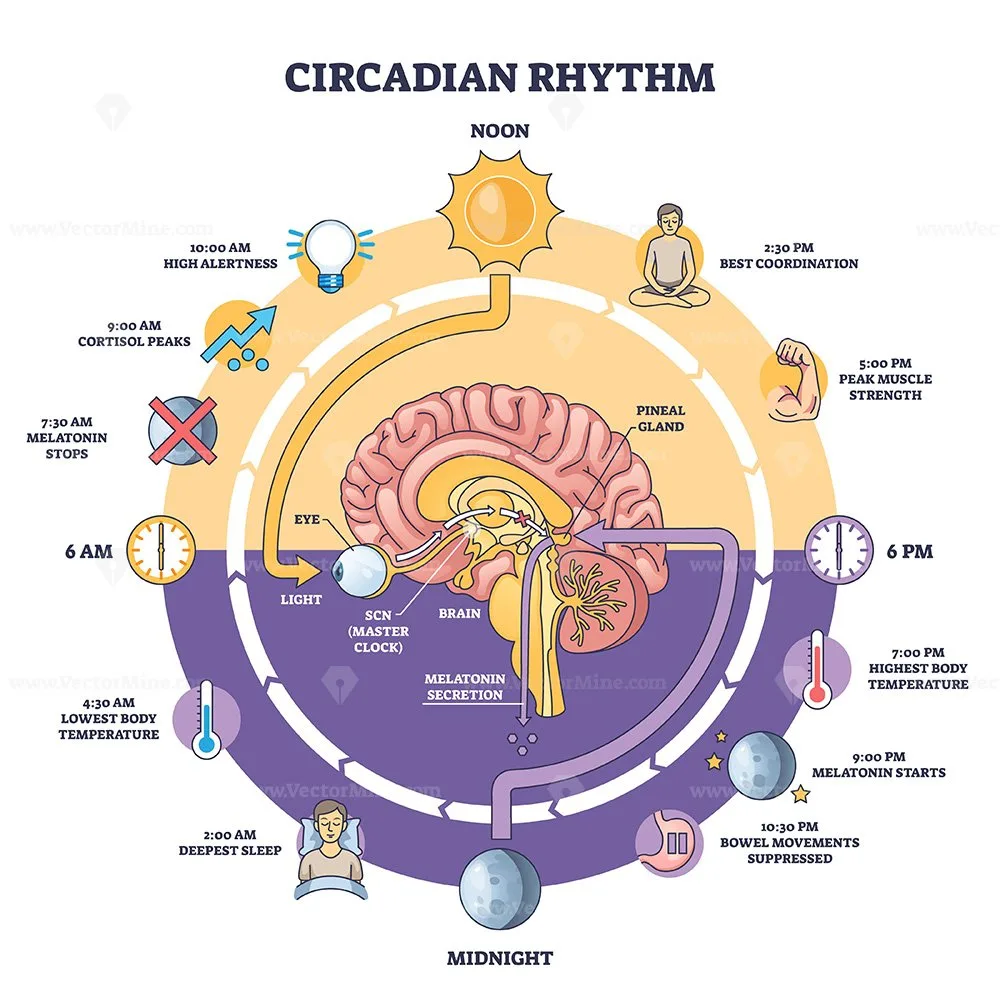
Image source: Web (Bing) / vectormine.com (Web image (fair-use with source credit))
The Five Major Health Concerns Hidden in Poor Sleep Patterns
Respiratory Distress, GERD, Neurological Issues, Metabolic Imbalances, and Infection Signs
Abnormal sleep often masks serious medical conditions. Respiratory issues like Obstructive Sleep Apnea cause frequent awakenings due to airway blockage. Look for snoring, gasping, or pauses in breathing longer than twenty seconds.
These interruptions prevent deep restorative sleep and strain the heart.
Gastroesophageal Reflux Disease creates discomfort that wakes infants repeatedly. Unlike simple spit-up, pathological reflux causes arching, crying, and feeding refusal. Acid irritation disrupts sleep cycles significantly.
Neurological disorders, including early-onset epilepsy, may present as subtle jerking movements during sleep. These are not normal startle reflexes but seizure activity requiring EEG confirmation.
Metabolic imbalances like hypoglycemia lead to lethargy and excessive sleeping. The brain lacks fuel, causing reduced arousal thresholds. Infections, particularly urinary tract infections or meningitis, alter sleep architecture.
Fever and inflammation make rest elusive or dangerously deep. Each condition demands specific diagnostic tests. Blood work, pH monitoring, or polysomnography reveals the root cause.
Don’t guess; get data-driven answers from specialists.
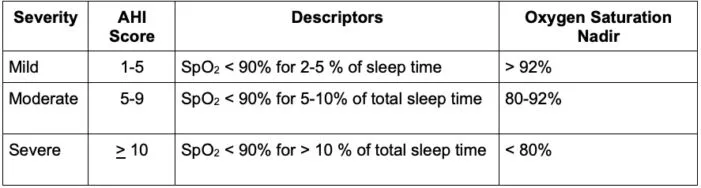
Image source: Web (Bing) / openanesthesia.org (Web image (fair-use with source credit))
How to Spot Pathological Crying and Breathing Irregularities
Distinguishing Colic from Intussusception, Apnea from Normal Pauses, and Seizures from Twitches
Colic involves inconsolable crying lasting more than three hours a day. It usually peaks around six weeks and resolves by three months. However, intussusception causes intermittent, severe abdominal pain with drawing up of legs.
This emergency presents with currant jelly stools and requires immediate surgery. Know the difference in cry quality and accompanying symptoms.
Breathing irregularities also vary widely. Periodic breathing, common in preemies, involves brief pauses under ten seconds. True apnea lasts longer and may cause color changes like cyanosis.
Central apnea stems from brainstem signaling errors, while obstructive types involve physical blockages. Watch for retractions, where skin pulls in between ribs during breaths.
Seizure-like twitching differs from benign sleep myoclonus. Myoclonus happens only during sleep and stops upon waking. Seizures can occur while awake and may include eye deviation or lip smacking.
Record videos of these events for your doctor. Visual evidence speeds up diagnosis far more than verbal descriptions alone. Accurate identification prevents unnecessary treatments or missed emergencies.
Practical Assessment Tools for Parents: Logs, Video, and Vital Checks
Using Growth Charts, Diaper Counts, and Capillary Refill Tests Effectively
Keep a detailed log of sleep, feeding, and diaper output. Note times, durations, and any unusual behaviors. This data helps doctors spot trends invisible in memory.
Use standardized growth charts from the Centers for Disease Control and Prevention to track weight percentiles. Crossing two major percentile lines downward indicates failure to thrive.
Video recording is invaluable for capturing episodic events. Film breathing patterns, limb movements, and facial expressions during disturbances. Ensure good lighting and audio clarity.
Share these clips securely with healthcare providers. They provide objective context that subjective reports lack.
Perform basic vital checks at home safely. Count wet diapers; fewer than six heavy ones daily suggests dehydration. Check capillary refill time by pressing gently on the forehead or chest.
Color should return within two seconds. Slower refill times indicate poor circulation or shock. Monitor temperature regularly, especially if the baby feels warm or cool to touch.
These simple tools empower you to advocate effectively for your child’s health.
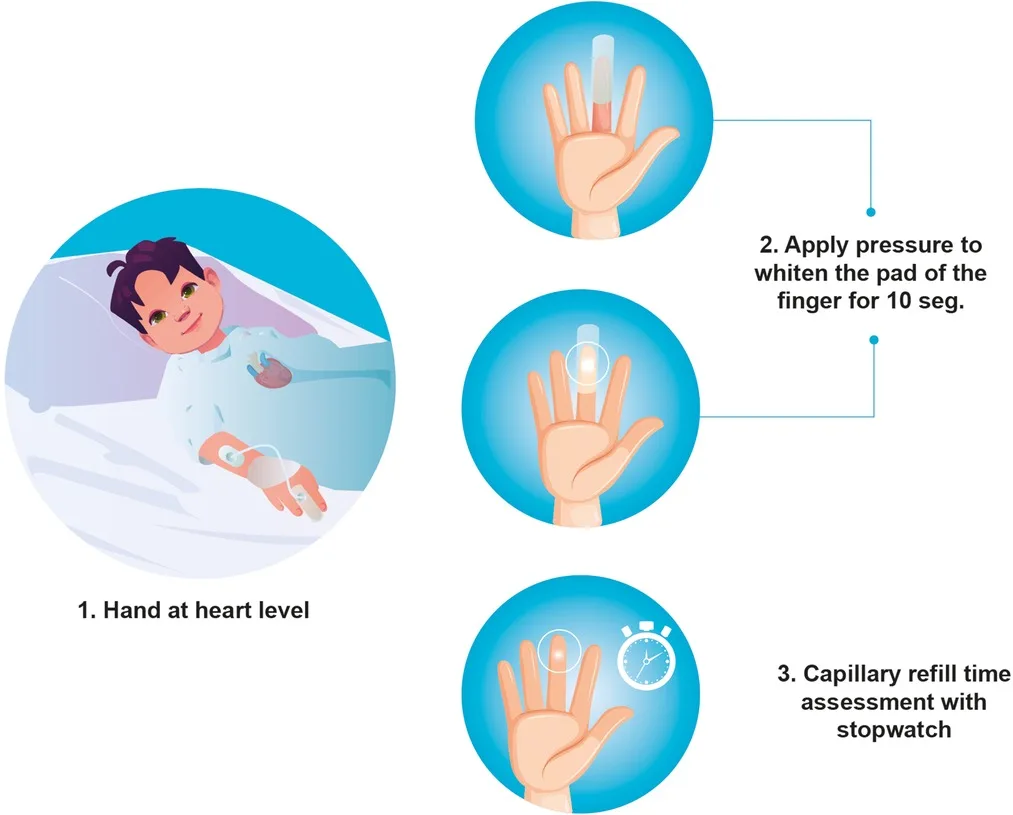
Image source: Web (Bing) / frontiersin.org (Web image (fair-use with source credit))
Immediate Action Steps: When to Call the Pediatrician vs. Wait-and-See
Triage Guide Based on Age, Symptoms, and Severity Indicators
Deciding whether to wait or act immediately can feel overwhelming. Use this triage logic to guide your next move. If your baby is under three months old and has a rectal temperature above 100.4°F (38°C), call emergency services or go to the ER right away.
This is never a "wait and see" situation. Fever in young infants signals potential serious bacterial infection.
For older babies, assess severity based on breathing and responsiveness. If you see retractions, grunting, or nasal flaring during sleep, seek urgent care. These are signs of respiratory distress that won’t resolve with home remedies.
Similarly, if your infant is difficult to wake for feeds or seems unusually limp, don’t delay evaluation. Lethargy combined with poor feeding suggests metabolic or neurological issues.
On the other hand, mild fussiness without physical symptoms often warrants observation. Try adjusting room temperature, checking for wet diapers, or offering a pacifier. If the pattern persists beyond 24 hours despite these interventions, schedule a routine pediatric appointment.
Document the timeline clearly. This helps your doctor distinguish between transient behavioral phases and emerging medical concerns. Trust the data you’ve collected in your logs.
It provides the context needed for accurate diagnosis.
Common Mistakes That Delay Diagnosis or Worsen Outcomes
Over-Relying on Sleep Training Apps, Ignoring Subtle Weight Loss, and Misinterpreting Lethargy
Many parents fall into traps that obscure critical health signals. One major error is applying rigid sleep training methods too early. Techniques like "cry it out" assume the issue is behavioral.
If the root cause is pain from reflux or ear infection, this approach increases stress hormones. Elevated cortisol worsens inflammation and disrupts healing. Always rule out medical causes before starting any formal training program.
Another frequent mistake is ignoring small changes in weight gain trajectories. Parents often focus on absolute weight rather than percentile curves. A drop from the 50th to the 25th percentile over two weeks is significant.
It indicates caloric deficit or malabsorption. Regularly plot weights on CDC growth charts. Don’t dismiss minor dips as "normal fluctuations." Consistent tracking reveals trends that single measurements miss.
Misinterpreting lethargy is also dangerous. Some caregivers view quiet, sleepy babies as "good sleepers." However, excessive drowsiness can mask hypoglycemia or sepsis. Compare your baby’s alertness levels against their usual baseline.
If they’re harder to rouse than normal, treat it as a red flag. Avoid relying solely on anecdotal advice from friends or social media groups. Individual biology varies wildly.
What works for one child may hide symptoms in another. Professional assessment remains the gold standard for safety.
Frequently Asked Questions About Infant Sleep and Health Risks
How much sleep variation is considered abnormal?
Variation becomes concerning when it deviates significantly from age-specific norms. Newborns need 14 to 17 hours daily. Persistent totals below 9 hours or above 20 hours warrant review.
Also watch for sudden shifts in consolidation patterns. Frequent awakenings paired with crying suggest pain or discomfort rather than habit. Track these metrics consistently to identify true abnormalities versus temporary regressions.
Can teething cause day-night confusion?
Teething rarely causes severe circadian inversion on its own. Mild discomfort might lead to fragmented naps or night wakings. However, high fever, diarrhea, or extreme irritability point to illness, not teeth.
If sleep disruption coincides with these systemic symptoms, suspect an infection. Teething should not prevent a baby from sleeping through longer stretches once established. Rule out medical causes before attributing sleep loss to gums.
Is white noise safe for infants with sleep issues?
White noise can help mask household sounds and soothe babies. Keep volume below 50 decibels at the crib edge. Place the machine at least seven feet away.
While generally safe, it shouldn’t replace medical evaluation for pathological sleep patterns. If your baby still wakes frequently despite consistent white noise use, investigate underlying health factors. Noise aids comfort but doesn’t fix physiological problems like apnea or reflux.
When should I worry about my baby snoring?
Occasional light snoring is common due to narrow airways. Loud, chronic snoring with pauses in breathing signals obstructive sleep apnea. Watch for mouth breathing, restless positioning, or daytime fatigue.
These symptoms affect growth and cognitive development. Schedule a pediatric ENT referral if snoring persists beyond a few days. Early intervention prevents long-term cardiovascular and developmental complications associated with untreated sleep-disordered breathing.

Similar Posts