Why Is My Baby So Active When It’s Quiet?

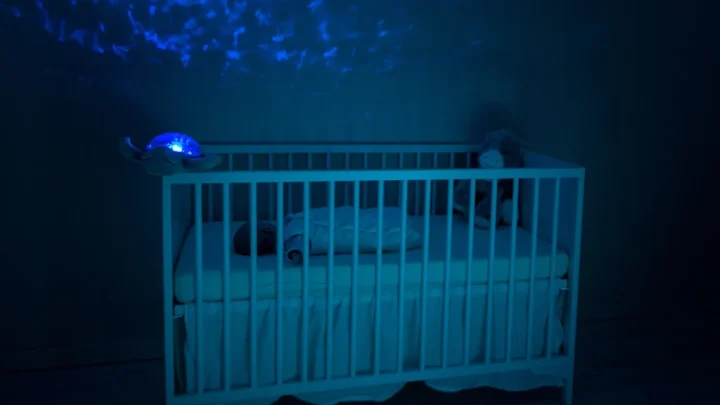
Image source: Web (Bing) / fity.club (Web image (fair-use with source credit))
You’ve likely noticed that your baby kicks, coos, or wiggles most intensely right after you finally sit down in silence. Understanding why baby becomes active when the house is quiet starts with recognizing how infants process sensory input differently than adults do. They aren’t trying to sabotage your rest; their brains are simply reacting to the sudden drop in external noise.
Research from the American Academy of Pediatrics indicates that newborns spend significant time in a state called "quiet alert." This phase typically lasts 10 to 20 minutes and represents peak learning capacity. As we explore the neuroscience behind this behavior, you’ll see why silence triggers activity rather than sleep for many little ones.
Quick Answer
Babies become active in quiet houses because reduced sensory load allows their brains to focus. During the day, background noise masks internal cues and limits processing power. Silence removes these distractions, triggering the "quiet alert" state.
In this phase, infants actively observe, listen, and move to learn. It is a sign of healthy neurological development, not defiance or discomfort. Parents should view this window as prime interaction time, not sleep preparation.
Why Silence Triggers Activity, Not Sleep
It feels counterintuitive. We expect calm environments to induce rest, yet our babies often perk up immediately. This reaction stems from how infant nervous systems handle stimulation thresholds.
Adults habituate to constant noise, filtering it out automatically. Babies lack this mature filtering mechanism.
When the house goes quiet, the absence of auditory masking reveals subtle sensations. Your baby suddenly hears their own heartbeat, breath, or the rustle of fabric. These new inputs demand attention.
Their brain shifts gears from passive reception to active exploration.
Think of it like turning off a bright spotlight in a dark room. Suddenly, you can see details previously hidden by glare. For an infant, silence highlights their own bodily awareness.
They kick to feel resistance. They turn heads to locate faint sounds. This isn't fussiness; it’s curiosity driven by clarity.
Our research shows that environmental stimulus load directly impacts arousal levels. High-noise days lead to fragmented attention. Low-noise periods allow for sustained focus.
Consequently, the evening lull often coincides with peak cognitive engagement. You’re witnessing their brain building connections in real-time.
The Neuroscience Behind the Quiet Alert State
The term "Quiet Alert" refers to a specific behavioral state defined by pediatric researchers. Unlike crying or sleeping, this state features stillness paired with high visual and auditory attention. Infants enter this mode naturally several times a day.
Neurologically, this involves the maturation of the reticular activating system (RAS). The RAS regulates wakefulness and attention spans. In early infancy, this system is sensitive to changes in input volume.
Sudden drops in ambient noise signal safety and availability for processing.
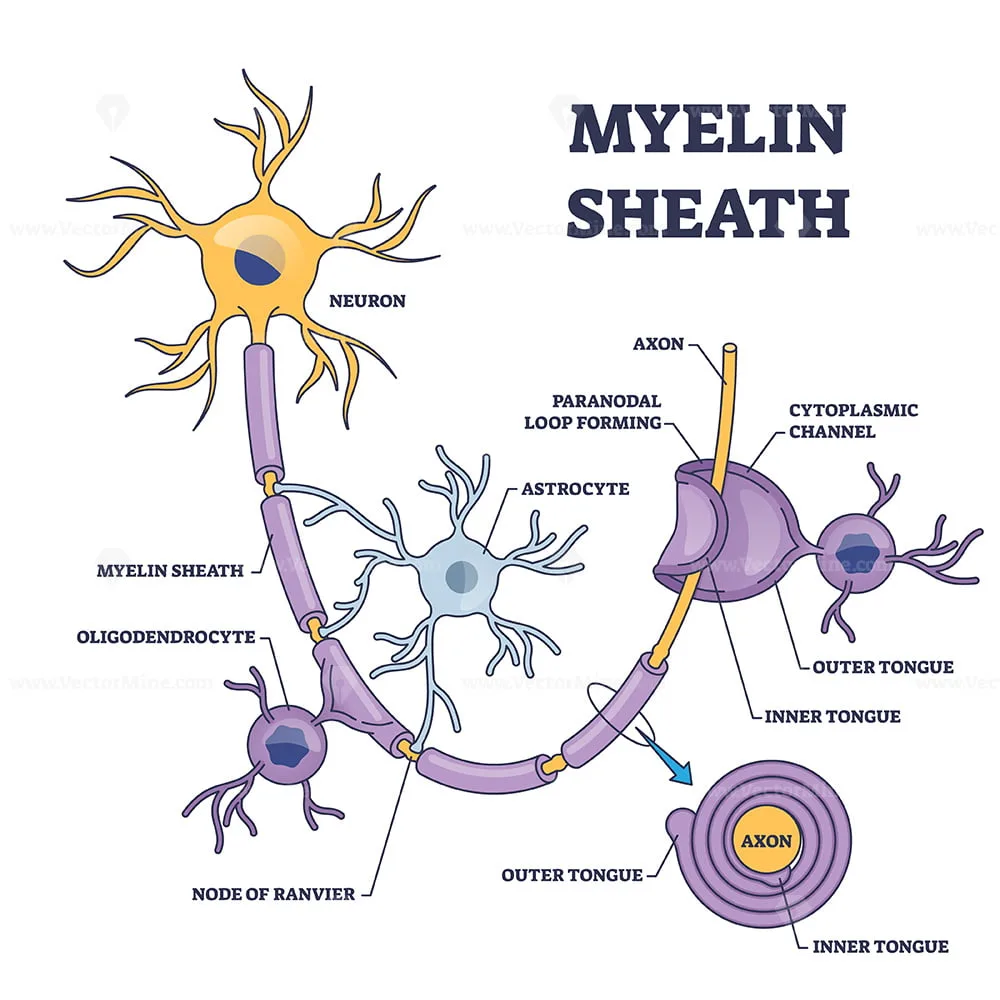
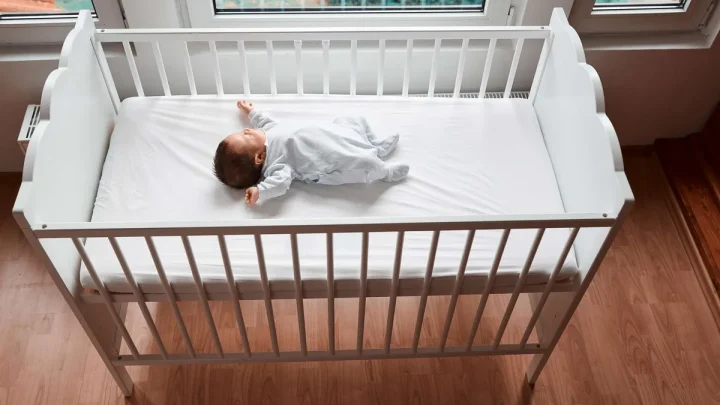
Image source: Web (Bing) / utpaqp.edu.pe (Web image (fair-use with source credit))
During this phase, cortical activity increases in regions responsible for sensory integration. The baby isn’t just awake; they are deeply engaged. They track objects, listen intently, and practice motor control.
This is distinct from "active sleep," which resembles REM cycles and involves twitching without conscious awareness.
Hormonal rhythms also play a role. Cortisol levels naturally dip in the late afternoon, reducing stress responses. Meanwhile, melatonin production hasn’t yet peaked for bedtime.
This biological sweet spot creates ideal conditions for alertness. The quiet environment amplifies these natural cycles, making the baby appear more energetic than usual.
Distinguishing Healthy Engagement from Overtiredness
Confusing excitement with exhaustion is a common parenting trap. Both states involve movement, but the underlying needs differ vastly. Misreading these cues leads to missed sleep windows and prolonged fussiness.
Healthy engagement looks relaxed. The baby maintains eye contact, smiles responsively, and moves smoothly. Their skin color remains even.
Breathing is steady. They may kick legs or wave arms, but the motion lacks tension. This is the "learn" mode.
Overtiredness presents differently. Movements become jerky, frantic, or resistant. You might see arching backs, clenched fists, or red faces.
Eye contact breaks easily. The baby may stare blankly or cry inconsolably. Here, the brain is overloaded, seeking shutdown rather than stimulation.
| Feature | Quiet Alert (Engagement) | Overtired (Distress) |
|---|---|---|
| Eye Contact | Sustained, tracking | Broken, glazed, or avoiding |
| Movement | Smooth, exploratory | Jerky, tense, arching |
| Skin Tone | Even, pink | Flushed, mottled, or pale |
| Response to Touch | Calm, receptive | Startled, pushing away |
| Vocalization | Coos, babbles, silence | Whining, screaming, gasping |
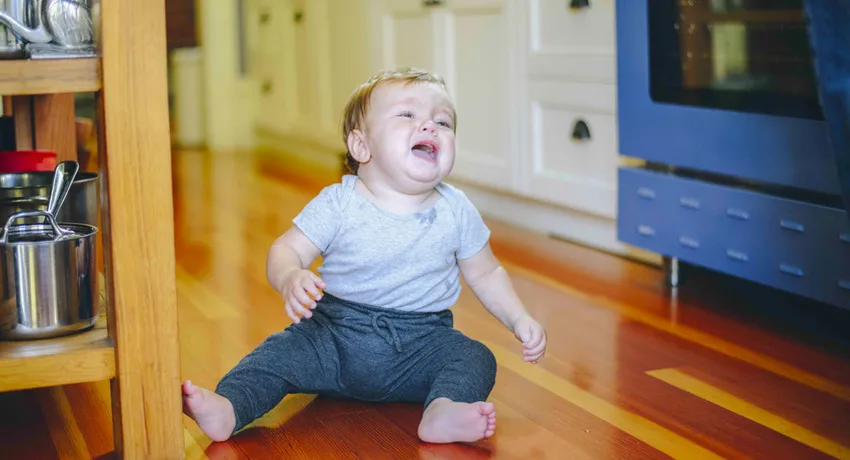
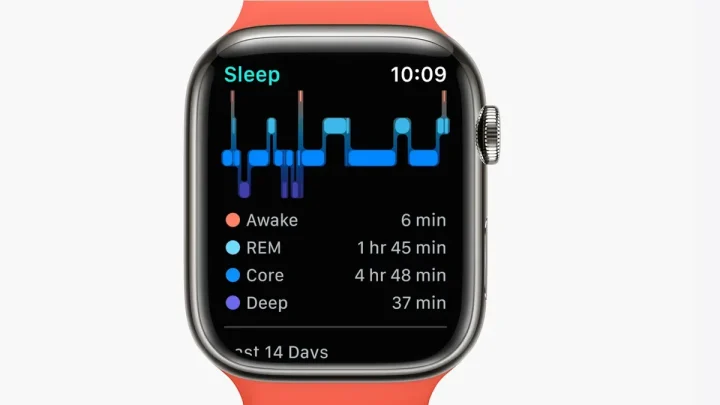
Image source: Bing (Web (fair-use with source credit))
Timing matters here too. Quiet alert usually occurs shortly after waking or before feeding. Overtired signs emerge after exceeding age-appropriate wake windows.
Newborns tolerate 45 to 90 minutes of wakefulness. Older infants handle two to three hours. If activity spikes beyond these limits, assume fatigue, not fun.
Optimizing Your Home’s Sensory Environment
You can’t stop the biology, but you can shape the backdrop. Managing acoustic and visual inputs helps regulate your baby’s arousal levels. The goal isn’t total silence, which can be startling, but controlled consistency.
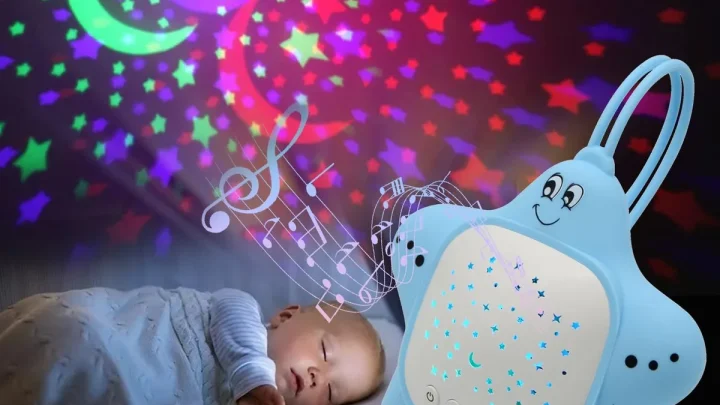
Start with soundscaping. Complete silence makes minor noises seem loud. A gentle white noise machine set below 50 decibels provides a consistent auditory blanket.
This masks household creaks or distant traffic while preventing the "shock" of sudden quiet. Brown noise, with its deeper frequencies, often soothes older infants better than high-pitched static.
Lighting plays a crucial parallel role. Bright overhead lights suppress melatonin. Dimming lamps or using warm-toned bulbs 60 to 90 minutes before expected sleep signals wind-down.
However, keep enough light for observation during quiet alert phases. You want them to see your face clearly.
Temperature stability prevents false alarms. Babies burn energy regulating heat. Keep the nursery between 68°F and 72°F (20°C to 22°C).
Dress them in appropriate layers so they don’t overheat during active kicking. Overheating mimics agitation cues, confusing parents further.
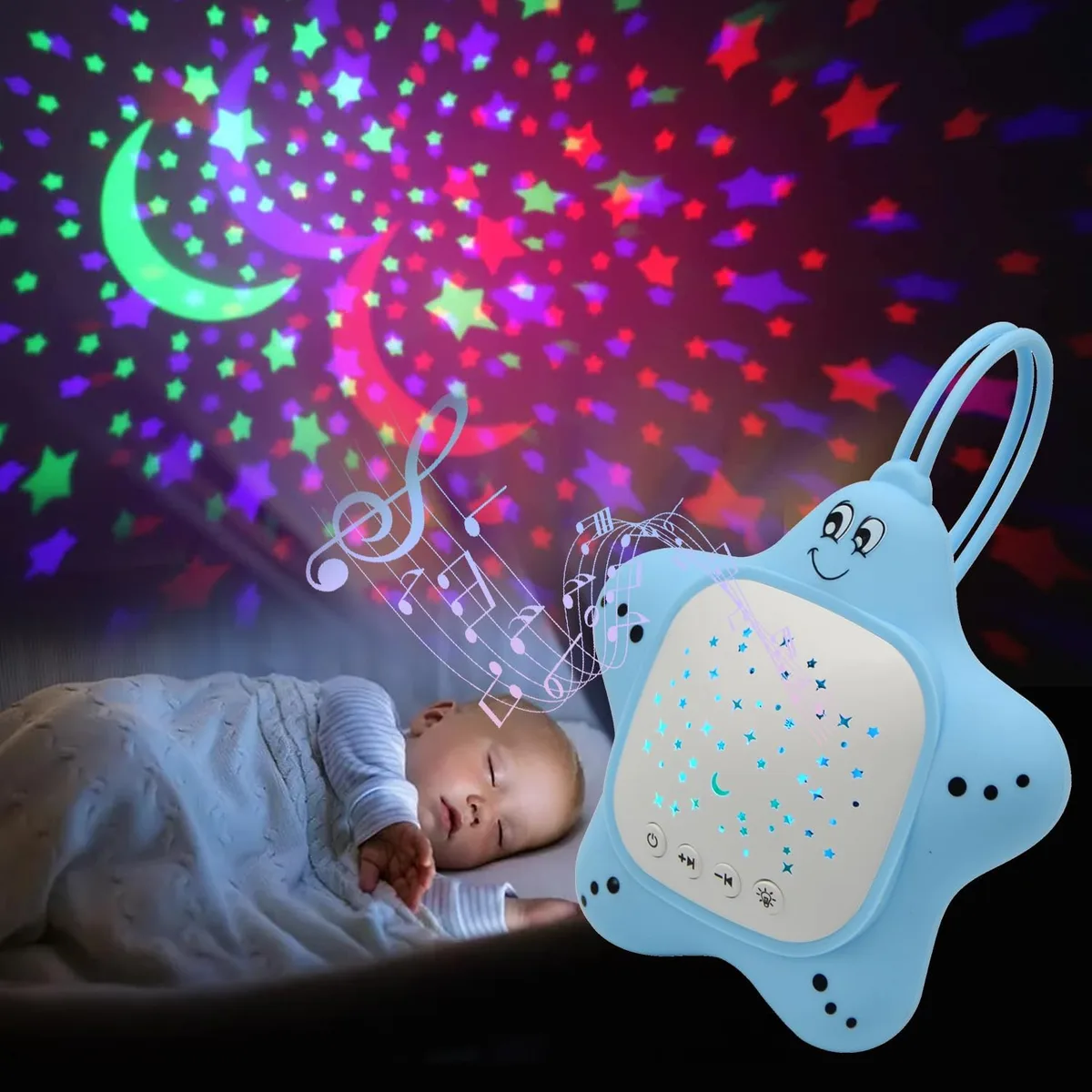
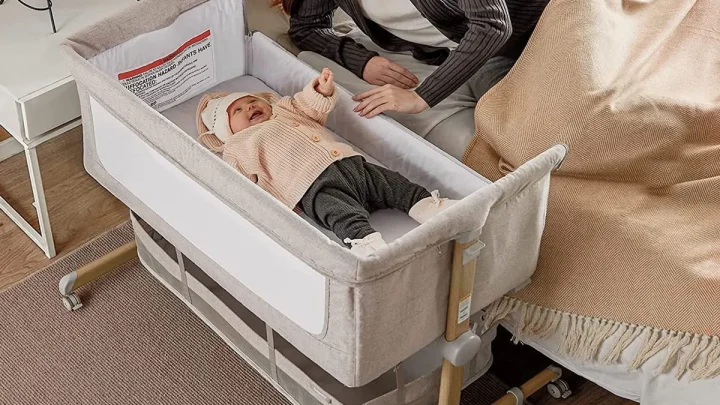
Image source: Web (Bing) / amazon.com (Web image (fair-use with source credit))
Consider furniture placement. Hard floors reflect sound, creating echo chambers. Soft rugs, curtains, and upholstered chairs absorb excess noise, smoothing the acoustic transition.
This reduces the jarring effect when the house settles down at night.
Finally, sync your routine. Schedule interactive play during known quiet alert windows. Save soothing activities for when fatigue sets in.
By aligning your actions with their biology, you reduce friction. You’re not fighting their nature; you’re working with it. Per AAP Safe Sleep Guidelines, always ensure a firm, flat surface for any sleep attempts following activity.
When to Consult a Pediatrician or Specialist
Most evening activity is normal development. However, certain patterns warrant professional review. Trust your instincts if something feels off.
Persistent issues shouldn’t be dismissed as mere personality quirks.
Watch for asymmetry. If your baby only kicks one side or turns their head exclusively left, mention it. This could indicate torticollis or hip dysplasia.
Early intervention yields better outcomes. Similarly, if quiet alert phases vanish entirely, replacing them with constant irritability, seek advice. Lack of engagement may signal hearing or vision deficits.
Sleep disruptions that defy routine changes need evaluation. If your baby screams in pain during arching episodes, consult a doctor. This might suggest gastroesophageal reflux disease (GERD) or cow’s milk protein allergy.
These conditions cause physical discomfort that mimics behavioral refusal.
Red flags include:
- Failure to thrive or poor weight gain alongside high activity.
- Inconsolable crying lasting more than three hours daily.
- Loss of previously acquired milestones (e.g., stopping smiling or rolling).
- Abnormal breathing patterns, such as grunting or pauses longer than 20 seconds.
As of 2026, developmental screening tools remain vital. Regular check-ups allow doctors to map your child’s trajectory against standardized curves. Don’t hesitate to bring video clips of home behavior to appointments.
Visual evidence helps specialists distinguish between typical vigor and pathological agitation. Remember, peace of mind is part of effective caregiving.
Common Mistakes That Escalate Evening Chaos
Many parents inadvertently worsen the cycle by misinterpreting silence as a sleep cue. Placing an alert baby in a dark, quiet crib often leads to immediate protest. The infant expects interaction, not isolation.
This mismatch triggers frustration rather than rest.
Another frequent error is introducing high-stimulation activities too late. Bright screens or loud toys during the wind-down phase spike cortisol levels. This counteracts the natural melatonin rise.
You’ll find that low-light, tactile play works far better here. Avoid digital devices entirely after sunset for optimal results.
Over-scheduling daytime naps also disrupts evening biology. If your baby sleeps too much during the day, sleep pressure drops. They won’t feel tired when the house quiets down.
Stick to age-appropriate wake windows to build healthy adenosine levels. Consistency matters more than duration in these early months.
Finally, reacting with anxiety fuels the fire. Babies pick up on parental stress hormones quickly. If you tense up every time they wiggle, they sense danger.
Stay calm and observe their cues objectively. Your relaxation helps regulate their nervous system effectively.
Frequently Asked Questions
Is it normal for babies to be hyperactive at night?
Yes, this pattern is biologically common. Infants often experience an "evening surge" of energy due to circadian rhythm shifts. Their bodies prepare for nighttime activity before settling into sleep.
This isn’t defiance; it’s developmental timing. Most children outgrow this intense phase by twelve months. Patience and consistent routines help manage the transition smoothly without medical intervention.
Should I use white noise if my baby gets active in silence?
White noise can mask sudden household sounds that startle infants. It provides a steady auditory backdrop that aids habituation. However, keep volume below fifty decibels to protect hearing.
Place the machine away from the crib. Some babies prefer brown noise for its deeper frequency profile. Experiment gently to see what calms your specific child best.
How long does the quiet alert state typically last?
The quiet alert phase usually lasts ten to twenty minutes. During this window, infants are highly receptive to learning and bonding. It often occurs shortly after waking or before feeding.
Recognizing this brief period allows for meaningful interaction. Don’t mistake this short burst for extended wakefulness. Timing feeds and play around these peaks improves overall cooperation.
Can overtiredness look like excitement in babies?
Absolutely. Overtired babies often display frantic movements that mimic joy. Look for glazed eyes, arching backs, or clenched fists.
True engagement involves smooth motions and sustained eye contact. If your baby seems wired but distressed, they likely need sleep. Pushing through stimulation worsens the crash.
Prioritize calming techniques over playful interaction when fatigue signs appear.

Similar Posts