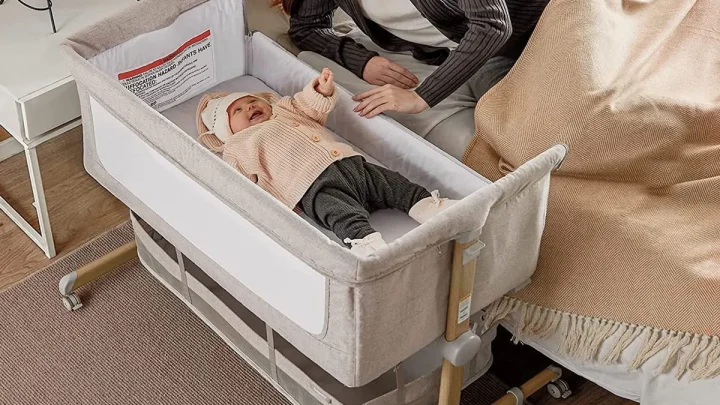
Bedtime Resistance in Older Babies: How to Fix It

Figuring out how to handle bedtime resistance in older babies feels less like a science and more like guesswork. You’ve likely tried adjusting the schedule, dimming lights, or soothing longer, yet the protests continue. The truth is that random fixes rarely stick because they don’t address the specific trigger behind the tears.
Most parents miss the critical distinction between genuine distress and behavioral testing. Research indicates that misidentifying the cause can extend sleep issues by weeks. We’ll walk through a diagnostic workflow to pinpoint the root problem as of 2026 standards.
First, you need to categorize the resistance correctly before acting.
Image source: Web (Bing) / blisslights.com (Web image (fair-use with source credit))
Quick Answer
To handle bedtime resistance in older babies, first identify the trigger: anxiety, fatigue, or boundary testing. If overtired, shorten wake windows by 15-30 minutes immediately. If anxious, offer brief, boring reassurance without picking up.
Consistency matters most. Stick to one response method for three nights. Avoid introducing new props during this window.
Track sleep logs daily to adjust timing accurately. This approach reduces night wakings significantly within five days for most infants aged six to twelve months.
Diagnose the Root Cause Before You Intervene
Bedtime resistance isn't a single problem. It’s a symptom with multiple potential causes. Treating separation anxiety as a hunger issue will fail.
Conversely, ignoring genuine pain signals leads to prolonged crying. You must act as a detective before becoming a disciplinarian.
Start by observing the context of the resistance. Did it start suddenly after a stable period? Or has it been gradual?
Sudden onset often points to illness or teething. Gradual escalation usually signals a missed nap or too-long wake window.
Is It Anxiety, Fatigue, or Boundary Testing?
Separation anxiety peaks around eight to ten months. Babies realize you exist even when unseen. They cry because they fear abandonment, not because they are tired.
Look for clinging behavior earlier in the day.
Overtiredness presents differently. These babies are wired but exhausted. They may arch their backs, scream inconsolably, or refuse all comfort.
Their cortisol levels are spiked, making self-soothing impossible.
Boundary testing emerges closer to twelve months. Toddlers understand cause and effect. They stall to see if you’ll break rules.
The crying is intermittent, often stopping when you leave the room.

This visual aid helps distinguish typical developmental leaps from chronic sleep disorders. Note the correlation between motor milestones and temporary setbacks. Crawling or pulling to stand often disrupts sleep architecture temporarily.
Use this checklist to categorize tonight's struggle:
- Anxiety: Clinging, wide eyes, stops crying when held.
- Fatigue: Red face, frantic kicking, rejects holding.
- Testing: Strategic pauses, watching your reaction, calm when ignored.
Correct diagnosis saves hours of ineffective soothing. If you’re unsure, err on the side of assuming fatigue. An overtired baby needs less stimulation, not more engagement.
The Decision Tree: Matching Strategy to Trigger
Once you’ve identified the cause, apply the corresponding strategy. A generic "cry it out" approach fails for anxious babies. Gentle fading doesn't work for overtired ones who need immediate environmental changes.
Follow this logical flow to determine your next move. Each branch addresses a specific physiological or psychological state. Do not deviate until you’ve tested the primary hypothesis for three nights.
Flowchart for Immediate Action Based on Cues
If the baby shows signs of separation anxiety (clinging, fear):
- Stay nearby but boring. Sit in a chair facing away.
- Offer verbal reassurance only ("I'm here").
- Do not pick up unless distress escalates to panic.
- Reduce interaction time each night.
If the baby appears overtired (frantic, red-faced):
- Skip the full routine. Go straight to dark, quiet crib.
- Check last nap duration. Was it under 45 minutes?
- Shorten tomorrow’s wake window by 20 minutes.
- Consider an early bedtime (6:30 PM) for two nights.
If the baby is testing boundaries (strategic crying, pausing):
- Confirm safety and basic needs (dry diaper, fed).
- Leave the room immediately after placing down.
- Wait 5, 10 minutes before checking.
- Keep checks silent and under 30 seconds.
| Trigger | Primary Sign | Immediate Action | Duration of Trial |
|---|---|---|---|
| Anxiety | Clinging/Fear | Boring Presence | 3 Nights |
| Overtired | Frantic/Red Face | Early Bedtime | 2 Nights |
| Testing | Pauses/Watching | Controlled Ignoring | 5 Nights |
Consistency is non-negotiable. Switching methods mid-night confuses the infant. Pick one branch and commit fully.
Mixed messages prolong the protest phase.
Resetting Wake Windows and Daytime Rhythms
Nighttime resistance often starts in the morning. Poor daytime naps create a debt that manifests at bedtime. Older babies need precise timing to regulate melatonin production.
Wake windows define the time between sleeping periods. For six-to-nine-month-olds, aim for 2.5 to 3.5 hours. Nine-to-twelve-month-olds tolerate 3 to 4 hours.
Missing these targets triggers cortisol spikes.
Why Overtiredness Drives Nighttime Resistance
Cortisol is a stress hormone that inhibits sleep. When a baby misses a nap, their body produces excess cortisol to stay awake. This chemical fight-or-flight response makes settling nearly impossible.
You might think keeping them up later tires them out. In reality, it creates a "wired-but-tired" state. They fall asleep quickly but wake frequently due to shallow sleep cycles.
Adjust your schedule proactively. Watch for early tired cues like eye rubbing or zoning out. Don't wait for screaming.
Screaming means you're already too late.
Track these metrics for three days:
- Time of final morning wake-up.
- Duration of each nap.
- Exact start time of nighttime sleep.
If total daytime sleep falls below 2.5 hours, prioritize naps over activities. Cancel outings if necessary. Sleep deprivation affects mood and immunity more than social exposure benefits development.
Consider dream feeds cautiously. Some experts suggest a feed between 10 PM and 11 PM. However, recent data implies this can reinforce night waking habits.
Only use it if weight gain is a concern. Otherwise, focus on robust daytime calories.
Implementing a Consistent Wind-Down Protocol
A predictable sequence signals safety to the brain. It lowers arousal levels gradually. Random routines increase anxiety because the baby cannot predict what comes next.
Keep the protocol short. Fifteen to twenty minutes maximum. Longer routines become stimulating rather than calming.
Focus on low-light, low-noise, and low-interaction activities.
Specific Steps for 6–12 Month Olds
Begin exactly 20 minutes before target sleep time. Dim household lights to mimic sunset. Turn off screens completely.
Blue light suppresses melatonin production effectively.
Choose two or three static elements. For example: Bath, book, song. Do not change these items weekly.
Familiarity breeds comfort.

Visual consistency helps caregivers maintain the same energy level. Notice the neutral lighting and minimal clutter in ideal setups. Distractions compete for attention during critical transition moments.
Here is a sample workflow:
- Diaper Change: Quiet, efficient, no play.
- Pajamas: Dress while singing a specific lullaby.
- Feeding: Brief nursing or bottle session in dim light.
- Book: One short board book, read softly.
- Crib Transfer: Place drowsy but awake.
Avoid rocking to sleep during this phase. The goal is independent entry into sleep. If they fall asleep in arms, gently rouse them before placing in the crib.
This breaks the association between motion and unconsciousness.
Temperature matters too. Keep the room between 68°F and 72°F (20°C, 22°C). Overheating causes restlessness.
Use a wearable blanket instead of loose bedding for safety.
White noise should run continuously. Set volume below 50 decibels. It masks household sounds that might startle a light sleeper.
Ensure the machine is placed outside the crib reach.
Choosing Your Response Method: Gentle vs. Structured
Parents often debate which method is "better." Neither is universally superior. Effectiveness depends on parental temperament and baby’s sensitivity. Choose the style you can sustain consistently.
Structured methods yield faster results but require emotional detachment. Gentle approaches preserve attachment bonds but take longer. Both work if applied correctly.
Comparing Chair Method, Ferber, and Pick-Up/Put-Down
The Ferber Method (Graduated Extinction) involves timed check-ins. You leave the room and return at increasing intervals. This teaches self-soothing efficiently.
It typically resolves issues in 3, 7 nights.
Best for: Parents who struggle with hearing crying. Babies with mild separation anxiety.
The Chair Method offers intermediate support. You sit next to the crib, then move farther away each night. No physical contact, just presence.
It fades slowly over 1, 2 weeks.
Best for: Highly sensitive babies. Parents uncomfortable with leaving the room entirely.
Pick-Up/Put-Down (PUPD) is intensive. You pick up the baby whenever they cry, soothe until calm, then put down. Repeat endlessly.
It requires immense patience and stamina.
Best for: Younger end of the spectrum (6, 8 months). Parents who reject any crying.
| Method | Cry Level | Speed | Parent Effort | Best Age Range |
|---|---|---|---|---|
| Ferber | Moderate | Fast | Low/Medium | 6–12 Months |
| Chair | Low | Medium | High | 6–18 Months |
| PUPD | None/Low | Slow | Very High | 4–9 Months |
Do not mix methods. Starting with PUPD then switching to Ferber midway resets progress. Commit to one lane.
If PUPD becomes unsustainable after four nights, pivot to Chair Method explicitly. Explain the change to yourself, not the baby.
Remember that extinction bursts occur. Behavior worsens before improving. This is normal.
Push through the peak intensity. Giving in reinforces the escalation tactic.
Handling Regressions Without Starting Over
Regressions are inevitable. Teething, illness, or new milestones will disrupt progress. The key is distinguishing temporary setbacks from permanent failures.
Don’t abandon your method because of one bad night.
If a baby gets sick, pause training. Resume only after symptoms clear for 48 hours. Trying to train during fever confuses the infant and stresses parents.
Treat illness as a reset button, not a failure.
Adjusting for Teething, Illness, and Milestones
Teething pain peaks at night. Extra comfort is warranted here. Offer a cold teether before bed.
You might need to soothe more actively than usual. Return to standard protocol once gums heal.
Motor leaps like crawling cause excitement. Babies practice skills in the crib. This isn’t resistance; it’s development.
Ensure the crib is safe for standing. Ignore playful noises. Only respond to distress cries.
Track patterns in a sleep log. Note if disruptions align with growth spurts. Aggregate data shows most regressions last three to five days.
Consistency during these windows prevents habit formation. Stick to your chosen response style even when exhausted.
Safety Checks and When to Call the Pediatrician
Behavioral strategies fail if medical issues persist. Rule out physical causes first. Chronic ear infections, reflux, or allergies can mimic bedtime resistance.
Never assume crying is purely behavioral without a checkup.
Watch for red flags. Fever, vomiting, or difficulty breathing require immediate care. Persistent arching during feeds suggests gastroesophageal reflux disease (GERD).
These conditions need medical management, not sleep training.
Ruling Out Medical Causes Like Reflux or Ear Infections
Consult your pediatrician if resistance lasts over two weeks. Describe specific behaviors clearly. Mention any daytime symptoms like irritability or poor feeding.
They may recommend an examination for ear fluid or throat inflammation.
Safe sleep remains non-negotiable. Always place babies on their backs. Keep the crib bare.
No pillows, blankets, or stuffed animals. These items pose suffocation risks regardless of sleep training status.
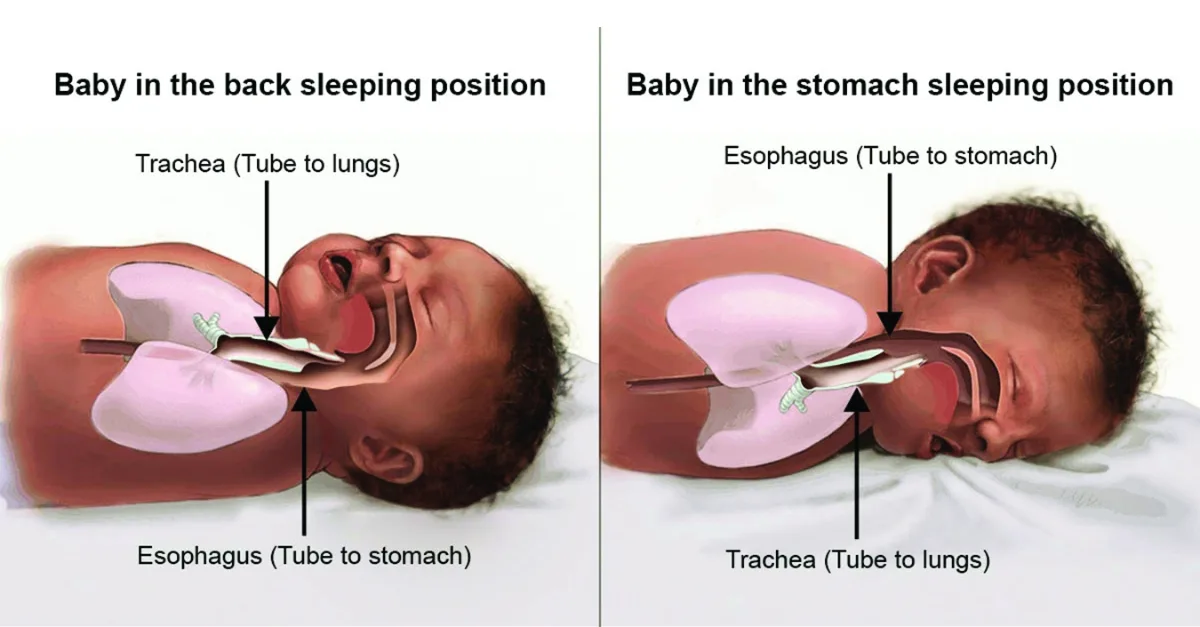
This image highlights critical environmental factors. Note the firm mattress and fitted sheet alone. Loose bedding increases SIDS risk significantly.
Adherence to American Academy of Pediatrics guidelines protects your child while you address behavioral issues.
Avoid medications unless prescribed. Melatonin is not recommended for infants under twelve months. Dosage errors can harm developing systems.
Focus on environmental and routine adjustments instead. If anxiety persists, discuss options with your doctor.
Frequently Asked Questions
How long does sleep training take for older babies?
Most families see improvement within three to seven nights. Initial protest peaks on night two or three. By day five, settling times typically drop by half.
Full consolidation may take two weeks. Consistency accelerates results. Inconsistent responses prolong the process indefinitely.
Patience pays off quickly with steady application.
Can I sleep train if my baby has separation anxiety?
Yes, but adapt your approach. Avoid leaving the room completely. Use the Chair Method instead.
Stay visible but boring. Reassure verbally without picking up. This builds confidence gradually.
Direct extinction may increase distress. Gentle fading respects emotional needs while encouraging independence. Monitor intensity closely.
What if both partners disagree on the method?
Conflict undermines success. Agree on one strategy beforehand. Write it down.
Stick to it jointly. Mixed signals confuse the baby. Decide who handles which nights.
Support each other emotionally. Review progress weekly together. Unity creates a secure environment for change.
Compromise on timing, not technique.
Should I stop night feeds during bedtime resistance?
Not always. At six to nine months, some night hunger is normal. Assess calorie intake during the day.
Increase solids if needed. Drop feeds only if weight gain is healthy. Abrupt removal causes stress.
Phase them out slowly over weeks. Consult your pediatrician for personalized advice on nutrition timing.

Similar Posts