Newborn Sleep: How to Adjust Your Household Routine

Figuring out how to adjust household routines around newborn sleep feels less like planning and more like improvisation. You’re exhausted, the baby is unpredictable, and your old habits simply don’t fit anymore. Trying to force a rigid schedule onto an infant who lacks circadian rhythm leads only to frustration and missed cues.
Instead, successful families treat this phase as a series of conditional responses rather than fixed appointments. They anchor their day with consistent wake times while remaining flexible about when tasks get done. According to the American Academy of Pediatrics (AAP), room-sharing for at least six months significantly reduces SIDS risk, which dictates where you place the bassinet and how you move through the night.
Here’s how we’ve seen experienced parents structure their days to survive these first few weeks without burning out.

Image source: Web (Bing) / nellisauction.com (Web image (fair-use with source credit))
Quick Answer
Adjusting household routines around newborn sleep requires anchoring wake times, not bedtimes. Keep morning light exposure high to set circadian rhythms. Batch chores during predictable nap windows.
Use minimal interaction during night feeds to preserve sleep states. Rotate partner shifts clearly to prevent burnout. Prioritize safe sleep environments over convenience.
This approach respects the infant’s biological limits while maintaining household functionality.
The Newborn Reality: Why Standard Schedules Don’t Apply Yet
Newborns operate on biology, not clocks. In the first eight weeks, infants lack the melatonin production necessary for distinct day-night cycles. Their sleep comes in short bursts of 45 to 90 minutes, driven by hunger and comfort needs rather than fatigue alone.
Expecting them to follow a "eat-play-sleep" routine strictly often fails because they cannot self-regulate yet.
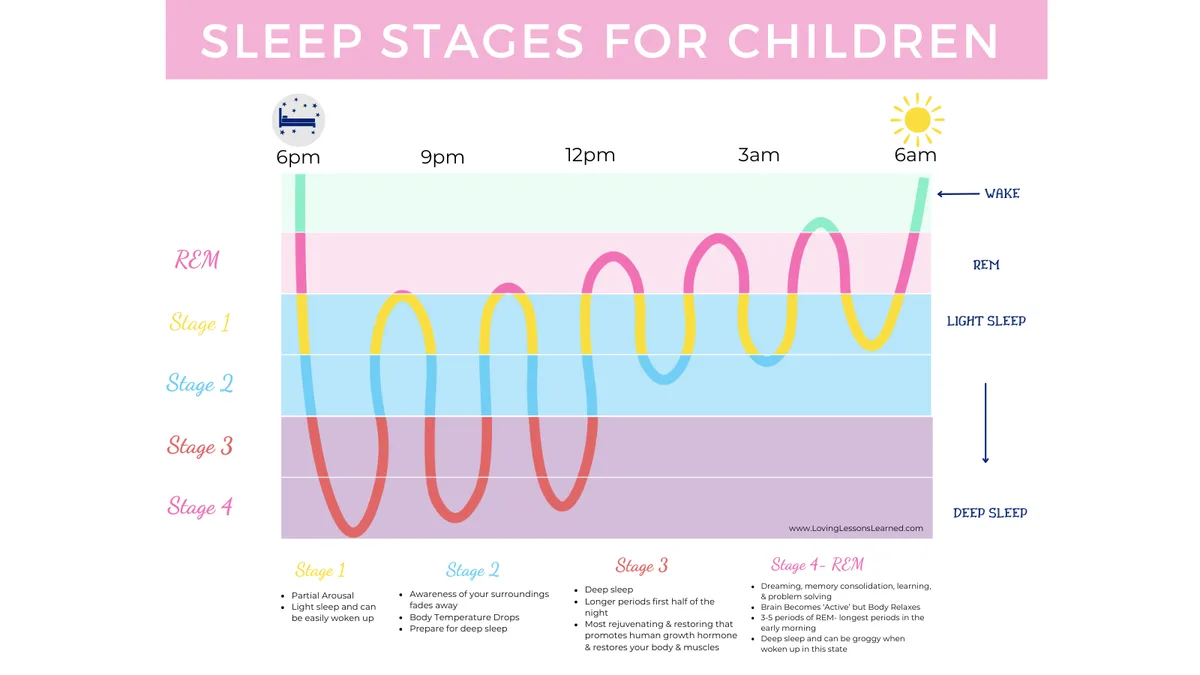
Image source: Web (Bing) / lovinglessonslearned.com (Web image (fair-use with source credit))
You must adapt to their internal clock instead of imposing yours. Watch for early tiredness cues like yawning or glazed eyes. If you miss these, the baby becomes overtired, releasing cortisol that makes settling difficult.
Our research indicates that responsive parenting works best here. Feed when hungry, soothe when distressed, and let sleep happen naturally. Rigid timetables create stress for both parent and child.
Flexibility builds trust and regulates the infant’s nervous system effectively.
Your Daily Workflow: Anchoring the Household Around Sleep Cycles
Start every day with a fixed wake window. Aim to open curtains or turn on bright lights within thirty minutes of the earliest possible rise time. This anchors the circadian rhythm even if the previous night was chaotic.
A consistent morning signal helps distinguish day from night faster than any evening ritual can.
Next, batch your household tasks. Identify the longest sleep stretch of the day, usually occurring mid-morning or late afternoon. Use this block for laundry, meal prep, or deep cleaning.
Do not try to multitask care with heavy labor. Focus entirely on one category at a time. When the baby wakes for feeding, stop all other activities immediately.
This separation prevents cognitive overload and ensures quality bonding time. As of 2026, most pediatric sleep consultants recommend keeping playtime low-stimulation until three months to avoid over-arousal.

Image source: Bing (Web (fair-use with source credit))
Finally, establish a predictable wind-down sequence starting sixty minutes before bed. Dim the lights, lower noise levels, and perform a final feed. This sensory bridge signals that nighttime is approaching.
Consistency matters more than perfection. Even if the timing shifts slightly, the order of events should remain stable. This predictability helps the infant transition into longer sleep stretches over time.
Decision Branches: Handling Night Feeds and Unexpected Wakes
Nighttime management relies on quick decisions. Follow this logic tree when the baby stirs after midnight. First, check if it has been at least two hours since the last feed.
If yes, proceed to feeding. If no, assess for discomfort signs like a wet diaper or gas pain.
| Scenario | Action | Reason |
|---|---|---|
| Hungry (<2 hrs since last feed) | Wait & Soothe | Likely active sleep or minor fussiness |
| Hungry (>2 hrs since last feed) | Feed Immediately | Physiological need for nutrition |
| Wet/Dirty Diaper | Change Quietly | Prevent rash; maintain hygiene |
| Crying Persistently | Check Temperature/Hold | Rule out physical distress |
For night feeds, keep interactions minimal. Use a dim red-light bulb, which preserves melatonin production better than blue-white light. Avoid talking or playing.
Speak softly only if necessary for soothing. The goal is to reinforce that night is for eating and sleeping, not socializing. This distinction accelerates the development of consolidated night sleep.
If cluster feeding occurs in the evening, accept it as normal behavior. Babies often eat frequently between 6 PM and 10 PM to boost milk supply or calm down. Adjust dinner plans accordingly.
Prepare easy meals ahead of time. Do not fight the pattern. Instead, rotate partners so one person handles the bulk of the cluster session while the other rests.
This strategic division prevents exhaustion spirals.

Image source: Web (Bing) / craiyon.com (Web image (fair-use with source credit))
Remember that waking is part of the process. Respond promptly to cries to build security. Ignoring newborn distress does not teach independence; it increases stress hormones.
Trust your instincts and prioritize responsiveness over strict adherence to any external method.
Partner Coordination: Splitting Shifts Without Losing Sanity
Sleep deprivation impairs judgment and emotional regulation. To mitigate this, divide the night into clear shifts. For example, Parent A covers 8 PM to 2 AM, while Parent B covers 2 AM to 8 AM.
This allows each adult to get a solid four-hour block of uninterrupted rest. Uninterrupted sleep is crucial for hormonal balance and mood stability.
Define handoff rituals explicitly. Write down feeding times, diaper changes, and any anomalies observed during the shift. This communication reduces anxiety for the incoming partner.
It also validates the effort of the outgoing partner. Transparency prevents resentment, which commonly arises when one parent feels they are doing more invisible labor.
Consider weekend recovery strategies. If weekdays are chaotic, use Saturday mornings to catch up on sleep. However, do not shift wake times drastically.
Wake up within an hour of your weekday time to protect the circadian anchor. Nap later in the day if needed. Balance restoration with consistency.
Both parents should have designated "off-duty" hours where they are completely free from childcare duties. Protect these boundaries fiercely. Mental health is as important as physical health during this demanding period.
Common Pitfalls That Derail Newborn Routines
Many families stumble by trying to enforce adult schedules too early. Pushing bedtime earlier might seem logical, but if the baby isn't tired, it creates resistance. Observe natural sleep pressure instead.
Look for yawns or eye-rubbing. Act on those cues immediately. Waiting for crying means missing the optimal window for settling.
Another error is inconsistent lighting. Leaving overhead lights on during night feeds confuses the brain’s clock. Switch to lamps or specialized nursery lights.
Darkness promotes melatonin; light inhibits it. Be ruthless about environmental controls. Also, avoid over-stimulating play during daytime naps.
While some activity is good, excessive noise or bright screens disrupts fragile sleep states. Keep daytime interactions calm and focused.
Finally, neglecting parental self-care sabotages the entire system. Exhausted parents make poorer decisions. They may snap at partners or ignore safety guidelines due to fatigue.
Schedule breaks. Accept help from family or friends for non-infant tasks like cooking or cleaning. Preserving your energy ensures you can respond sensitively to your baby’s needs.
Remember, a regulated caregiver helps regulate the infant. Your well-being is foundational to their success.
Safety Non-Negotiables in Your Routine Design
Routine adjustments must never compromise safe sleep standards. The American Academy of Pediatrics mandates that infants sleep on their backs, on a firm, flat surface, free of soft bedding or toys. This guideline remains critical regardless of how tired you are or how convenient a different position seems.
Temperature control is another vital factor. Keep the room between 68 and 72 degrees Fahrenheit. Overheating increases SIDS risk significantly.
Dress your baby in one more layer than an adult would wear comfortably. If the house feels warm to you, it’s likely too hot for them. Check for sweating or damp hair as signs of excess heat.
Noise masking helps maintain sleep continuity amidst household activity. Use white noise machines set below 50 decibels. Place the device at least seven feet from the crib to protect developing hearing.
This steady sound masks sudden noises like doors slamming or siblings shouting. It creates a consistent auditory environment that supports longer naps and deeper night rest without relying on silence, which is rarely achievable in a busy home.
Frequently Asked Questions About Newborn Sleep Adjustments
How long does it take to establish a routine?
Most families see improved predictability by eight to twelve weeks. This timeline aligns with the natural onset of melatonin production. Before this window, focus on responsive care rather than strict scheduling.
Patience during these early weeks builds the foundation for later consistency. You aren’t failing if there’s no pattern yet; you’re supporting biological development.
Should I wake my baby for feeds?
Yes, if they sleep longer than four hours during the day or five hours at night. Newborns need frequent nutrition for growth and milk supply regulation. Gently rouse them by changing diapers or unwrapping swaddles.
Missing feeds can lead to weight loss issues or jaundice complications. Always consult your pediatrician for specific weight gain targets before altering feeding intervals.
What if older siblings disrupt the newborn’s sleep?
Create designated quiet zones away from the bassinet. Use visual barriers like room dividers to signal “sleep time” to toddlers. Establish clear rules about entering the nursery only when invited.
Consistent enforcement helps siblings understand boundaries. Consider shifting nap times slightly if external noise peaks at certain hours. Flexibility protects the infant’s rest while managing family dynamics effectively.
Is co-sleeping safe for nighttime feeds?
Bed-sharing carries significant risks unless strictly supervised and following specific safety protocols. The AAP recommends room-sharing instead. Keep the bassinet within arm’s reach for easy access.
This setup allows quick feeding without the hazards of adult mattresses, pillows, or blankets. It balances convenience with safety, ensuring the infant remains on a compliant sleep surface throughout the night.

Similar Posts