Why Your Baby Gets Overstimulated Before Sleep

If you’re wondering why baby becomes overstimulated before sleep, it’s usually because their developing brain can’t filter out the day’s accumulated sensory input. Unlike adults, infants lack the neurological maturity to shut down background noise or visual clutter on command. As evening approaches, this unprocessed data floods their system, triggering a stress response that makes settling nearly impossible.
We see this pattern consistently in pediatric research. The American Academy of Pediatrics notes that consistent, low-stimulation routines are critical for healthy sleep development in infants under 12 months. Understanding the biological mechanism behind this crash helps you intervene earlier.
Let’s look at what’s actually happening inside your baby’s head when they seem "wired but tired."
Quick Answer
Why baby becomes overstimulated before sleep? Their immature nervous systems cannot process cumulative daily sensory input. By evening, auditory and visual loads exceed their gating capacity.
This triggers a cortisol spike, blocking melatonin release. The result is a hyper-aroused state incompatible with rest. Early reduction of stimuli prevents this neurological flood.
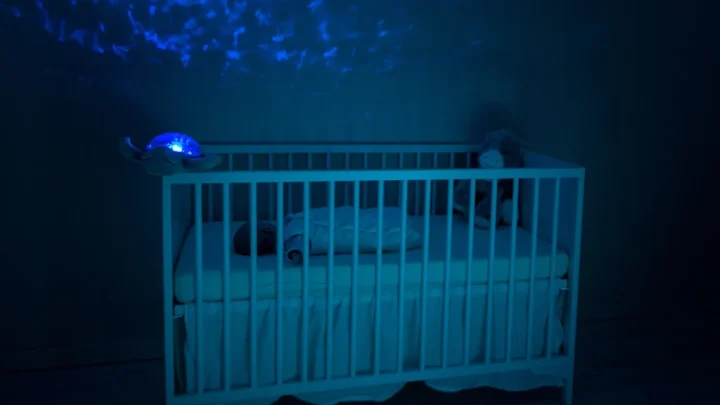
Image source: Web (Bing) / pixels.com (Web image (fair-use with source credit))
Why Overstimulation Isn’t Just “Being Tired”
Many parents confuse overtiredness with overstimulation. They aren’t the same thing. Overtiredness stems from insufficient sleep duration.
Overstimulation comes from excessive sensory intake relative to processing ability. An overtired baby might rub their eyes and yawn. An overstimulated baby often appears alert, wide-eyed, or frantic.
The distinction matters for your response strategy. If you treat overstimulation like fatigue, you might try to soothe with more movement or sound. This adds fuel to the fire.
Research published in Pediatrics highlights that the infant prefrontal cortex, responsible for impulse control and emotional regulation, is largely undeveloped. Your baby literally lacks the hardware to self-regulate once the threshold is crossed.
Think of it as a bucket filling up. Every interaction, noise, and light adds water. Once full, any further input spills over.
This spill isn't just sadness; it's physiological distress. We need to respect this limit rather than pushing past it. Recognizing the difference saves hours of frustrated rocking later in the night.
The Invisible Trigger: How Baby’s Brain Processes Evening Input
Your baby’s sensory gates are open all day. Newborns have minimal filtering capability. By three months, some selectivity develops, but it remains fragile.
In the late afternoon, household activity typically peaks. Phones ring. Siblings shout.
Lights remain bright. Each stimulus registers individually but accumulates neurologically.
Auditory sensitivity plays a huge role here. Infants hear higher frequencies better than adults. Background hums from appliances or distant traffic add constant low-level load.
Visual tracking also demands significant cognitive energy. Following a moving object or face requires focus that tires the brain quickly.
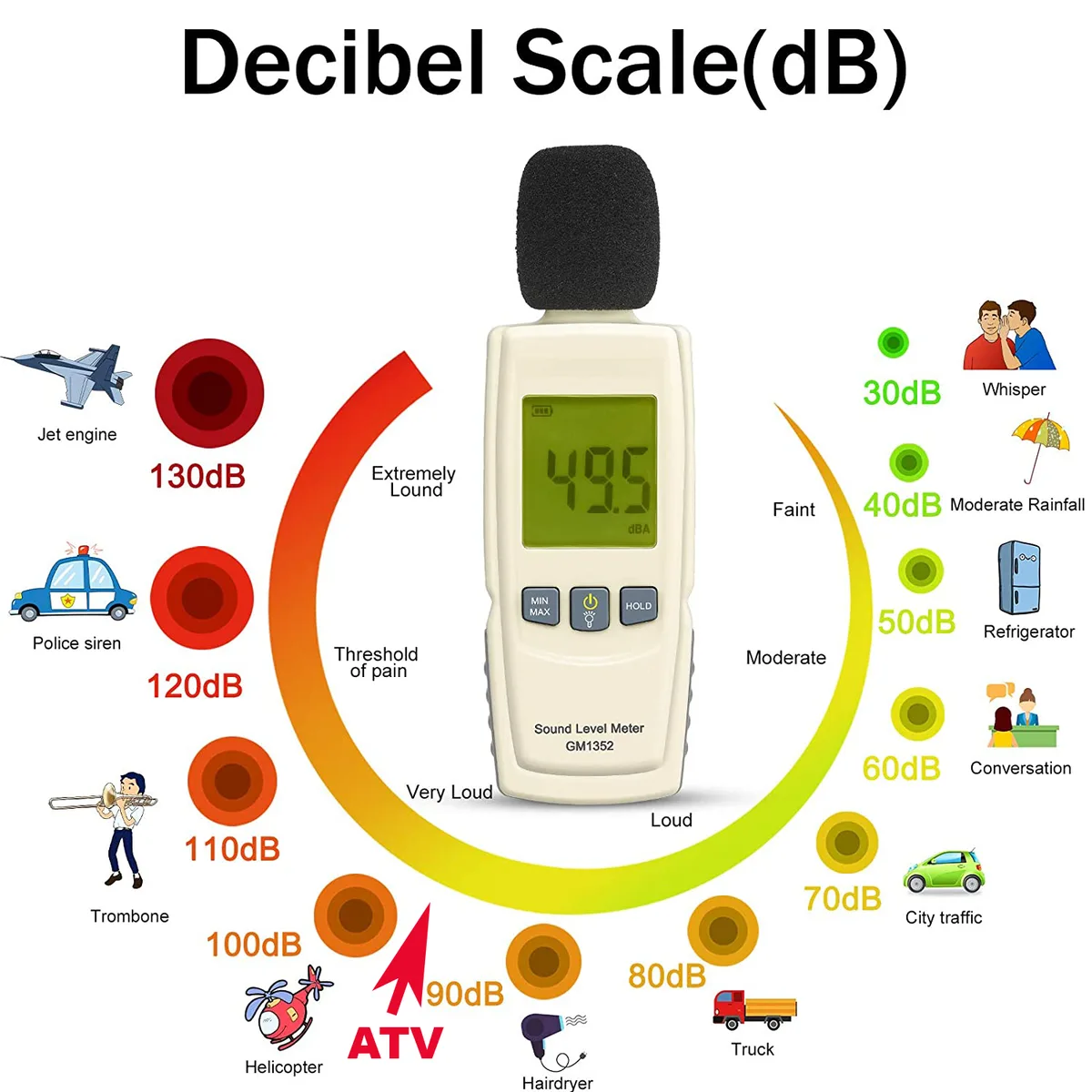
Image source: Web (Bing) / ar.inspiredpencil.com (Web image (fair-use with source credit))
Social engagement compounds the issue. Eye contact and smiling are high-effort interactions for an infant. While beneficial, they consume regulatory resources.
By 5 PM, most babies have exhausted their daily quota. The brain shifts into survival mode. It stops prioritizing learning and starts prioritizing immediate threat detection.
This heightened vigilance looks like anxiety, but it’s simply an overloaded system trying to cope.
Decoding the Signs: Early Cues vs. Late-Stage Meltdowns
Catching the signs early is your best defense. Most parents miss the subtle precursors to the meltdown. We categorize these cues into two stages: the warning phase and the crisis phase.
Acting during the warning phase takes minutes. Acting during the crisis phase can take hours.
| Stage | Physical Signs | Behavioral Signs | Action Required |
|---|---|---|---|
| Warning | Glazed eyes, staring blankly, turning head away | Quieter play, less interest in toys, slight fussiness | Dim lights, reduce noise, start wind-down |
| Crisis | Arched back, clenched fists, flushed skin | Screaming, inconsolable crying, rigid body posture | Immediate containment, dark room, zero input |
Look for the "thousand-yard stare." This glazed expression indicates the brain has stopped processing new information. Another key sign is tactile withdrawal. If your baby pulls away from gentle touches or pushes objects aside, they are signaling saturation.
Don’t interpret this as rejection. It’s a protective reflex.
Once the cry escalates to a scream, the parasympathetic nervous system has disengaged. The fight-or-flight response is fully active. At this point, soothing techniques like singing or bouncing often fail.
You must first de-escalate the physiology before addressing the behavior. Missing these micro-cues leads directly to the dreaded witching hour battles.
The Vicious Cycle: Why Pushing Through Makes It Worse
When a baby cries, our instinct is to fix it. We rock harder. We offer food.
We turn up the TV to distract them. For an overstimulated infant, these responses increase the sensory load. Rocking adds vestibular input.
Food adds gustatory and oral motor demand. Distraction adds visual and auditory noise.
This creates a feedback loop. The baby screams louder due to increased input. The parent responds with even more intensity.
Cortisol levels rise sharply. High cortisol suppresses melatonin production, making sleep physically difficult. The baby becomes trapped in a state of hyperarousal.
They want to sleep but cannot access the calm required to do so.
Studies on infant stress hormones show that prolonged elevation affects sleep architecture. Babies who experience frequent overstimulation crashes may have fragmented sleep cycles. They wake more often at night.
This exhaustion lowers their threshold for the next day’s stimulation. The cycle repeats and intensifies. Breaking this pattern requires resisting the urge to "do more." Sometimes, doing less is the only effective intervention.
Immediate De-escalation Protocol: Calming an Overwhelmed Infant
If you’ve missed the early cues, switch to emergency mode. Your goal is rapid sensory reduction. First, remove the baby from the current environment.
Move them to a dim, quiet room. Turn off all screens and loud noises immediately. Keep the temperature cool, ideally between 68, 72°F (20, 22°C).
Next, provide physical containment. Use a snug swaddle if age-appropriate, or hold the baby firmly against your chest. Deep pressure activates the parasympathetic nervous system.
Avoid rhythmic motion initially. Stillness is powerful here. Hold the baby upright or slightly reclined, supporting their head.
Speak in a low, monotone voice or use silence entirely.
Monitor their breathing. Wait for heart rate to slow. This can take 10 to 20 minutes.
Do not rush this process. Placing them in the crib too soon often restarts the alarm. Only introduce soothing sounds like white noise after the acute panic subsides.
Keep volume below 50 decibels at ear level. Consistency in this protocol teaches the baby that overwhelm is temporary and manageable.
Preventing the Crash: Structuring Your Wind-Down Routine
A solid wind-down routine works by systematically lowering sensory input before your baby reaches their limit. You aren't just signaling that sleep is coming. You are actively reducing the neurological load on their developing brain.
This shift must happen well before you expect them to close their eyes.
Timing depends entirely on age-specific awake windows. A newborn might only handle 45 to 90 minutes of wakefulness. An older infant closer to 12 months can manage three or four hours.
If you wait until they yawn, you have likely waited too long. Start the transition when they still seem content but have been awake for their maximum window.
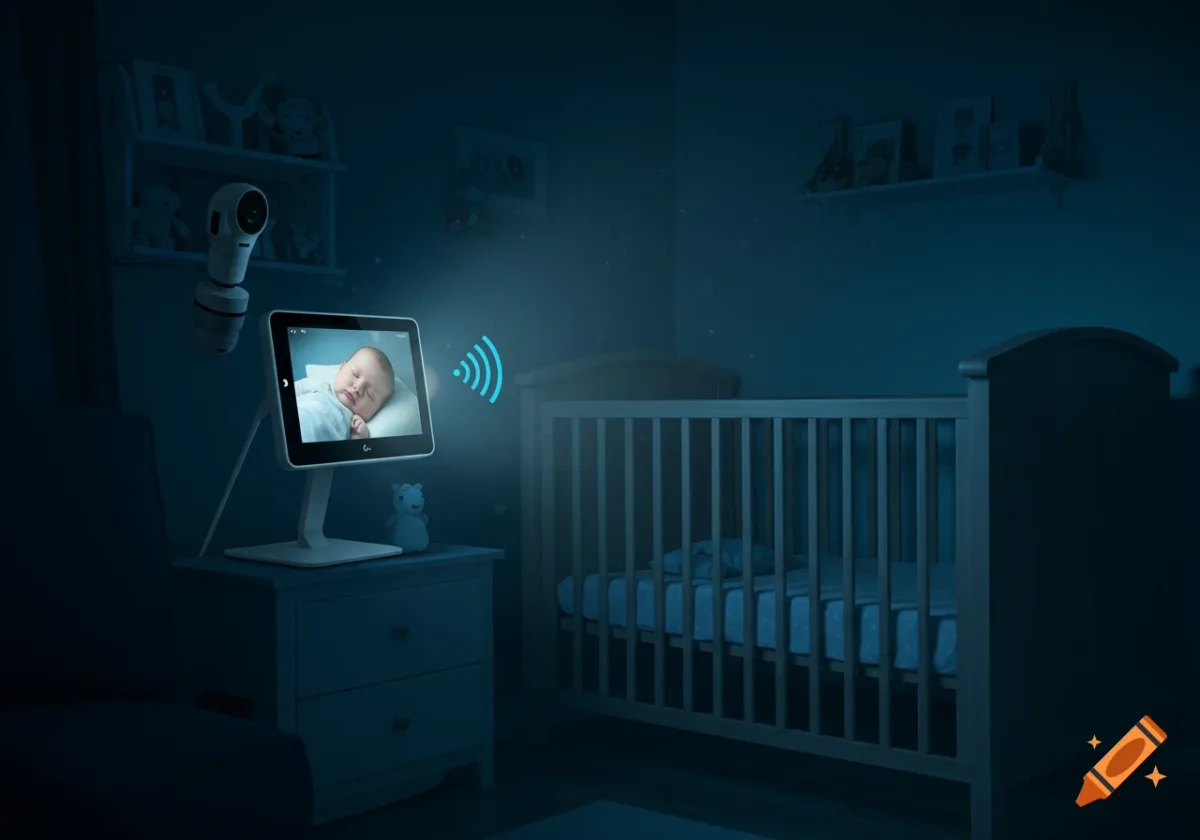
Image source: Web (Bing) / craiyon.com (Web image (fair-use with source credit))
The environment needs strict control during this phase. Drop light levels below 50 lux in the room where you prepare for bed. Bright overhead lights suppress melatonin production instantly.
Switch to dim, warm-toned lamps at least 30 minutes before sleep.
Keep sounds predictable and low. Turn off televisions and put phones away. If you use white noise, set it under 50 decibels measured at the crib mattress level.
The goal is a boring, repetitive atmosphere that tells the autonomic nervous system it is safe to power down. Consistency here builds the circadian rhythm development infants rely on as they grow.
What does an effective routine look like?
- Move to a dimly lit room 30 minutes before target sleep time.
- Change into comfortable sleep clothing using slow, deliberate movements.
- Offer a feed in a quiet space without screens or bright toys.
- Read one short book or sing one specific song in a low voice.
- Place the baby in the crib while drowsy but still awake.
When to Call the Pediatrician: Ruling Out Medical Issues
Sometimes what looks like standard overstimulation is actually a medical problem in disguise. If your baby cries inconsolably for more than three hours daily, that crosses into clinical territory. Normal fussiness resolves with environmental changes.
True pain or illness does not respond to dim lights or swaddling.
Watch for physical red flags during these episodes. A fever, persistent vomiting, or unusual lethargy requires immediate evaluation. Pulling at the ears might indicate an ear infection rather than general overwhelm.
Arching the back severely after feeds could point to acid reflux causing genuine pain.
Sensory integration dysfunction also mimics typical overstimulation. Some babies have nervous systems that process touch or sound at extreme volumes. If your child reacts violently to soft fabrics or normal speaking voices past six months of age, mention it to your doctor.
Early intervention makes a massive difference in how these children regulate later.
Trust your instincts if something feels wrong. Pediatric guidelines from organizations like the CDC emphasize tracking behavioral patterns over time. Keep a brief log of crying duration, feeding times, and triggers for a few days.
Handing this data to your pediatrician speeds up the diagnostic process significantly. Don't accept "they are just tired" if the intensity terrifies you.
Frequently Asked Questions About Infant Overstimulation
How long does it take to calm an overstimulated baby?
Recovery typically takes 10 to 20 minutes of zero sensory input. You must remove all light, noise, and movement during this window. Rushing the process resets the stress response.
Wait until their breathing slows and muscles relax completely before attempting sleep again.
Can screen time cause overstimulation before bed?
Yes, screens are a primary trigger for evening dysregulation. Blue light directly suppresses melatonin production in the infant brain. Fast-moving images also overload visual processing capacity.
Avoid all digital screens at least two hours before your baby's intended sleep time.
Is the witching hour always caused by overstimulation?
Not always, but sensory overload is the most common driver. The late afternoon brings peak household noise and accumulated fatigue. Babies simply run out of processing power by 5 PM.
Lowering environmental chaos during this specific window prevents most evening meltdowns.
Does swaddling help with sensory overload?
Swaddling provides deep pressure that calms the nervous system. It limits the startle reflex, which often wakes an already stressed baby. Use snug swaddles for infants who cannot yet roll over.
Stop swaddling immediately once your baby shows signs of rolling to follow AAP safe sleep guidelines.
Why does my baby fight sleep even when exhausted?
Exhaustion triggers cortisol release, which acts as a stimulant. High cortisol blocks the sleep hormone melatonin from doing its job. Your baby physically wants to rest but chemically cannot shut down.
Catching tired cues earlier prevents this hormonal conflict from starting.

Similar Posts