Wind Down: How to Reduce Noise Before Bed
Figuring out how to reduce noise and activity before bedtime starts with diagnosing the real culprit. Is it the street outside, or is it your racing mind? Most people treat both issues with the same blunt tools, which rarely works.
You need a targeted approach that separates environmental interference from physiological arousal.
The World Health Organization recommends keeping bedroom noise below 30 decibels for optimal rest. Yet, many urban dwellers face levels exceeding 45 dB regularly. We’ll walk through a decision-based workflow to help you identify your specific barriers.
This ensures you apply the right fix without wasting time on irrelevant tactics.
Quick Answer
To reduce noise and activity before bedtime, first mask external sounds using white or pink noise machines. Next, lower internal arousal by dimming lights and avoiding screens sixty minutes prior. Finally, engage in cognitive offloading by writing down tomorrow’s tasks.
This combination lowers cortisol and blocks auditory distractions effectively.
Start Here: Is Your Barrier Noise, Activity, or Both?
Most sleep disruptions stem from one of two sources: external acoustic intrusion or internal hyperarousal. Identifying which one dominates your night changes the entire strategy. If you wake up to a siren or neighbor’s footsteps, your issue is primarily environmental noise.
If you lie awake feeling wired despite a quiet room, the problem is physiological or psychological activity.
We’ve found that many users misdiagnose their struggles. They buy expensive earplugs when they actually need to calm their nervous system. Conversely, some try meditation while living next to a busy highway, which feels futile.
The first step in this workflow is honest self-assessment. Ask yourself if silence alone would let you sleep. If the answer is no, noise isn’t your main enemy.
Consider the timing of your awakenings. Do you wake during loud events? That points to noise sensitivity.
Do you wake at random times with a racing heart? That suggests stress-induced arousal. As of 2026, clinical guidelines emphasize treating these as distinct conditions.
You might need both solutions, but prioritizing the wrong one wastes effort. Let’s break down the specific signs for each category so you can pick the right branch in our decision tree.
Signs It’s Mostly Environmental Noise
- You hear distinct conversations, traffic, or appliances clearly.
- Sudden sharp sounds (doors slamming) jolt you awake.
- Your partner snores loudly, disrupting your cycle.
- You live in an apartment with thin walls or near a road.
Signs It’s Mostly Internal Activity
- Your mind races with worries or plans when lying still.
- You feel physically restless or tense in your muscles.
- The room is silent, yet you cannot relax.
- You rely on alcohol or meds to “shut off” your brain.
If you checked boxes in both lists, start with noise reduction. It’s easier to control your environment than your biology initially. Once the external chaos is managed, you can focus on calming the internal storm.
This sequential approach prevents overwhelm and builds confidence in your new routine.
Fixing External Noise: Masking vs. Blocking Strategies
Once you’ve identified noise as a primary disruptor, you have two main paths: blocking sound or masking it. Blocking involves physical barriers like earplugs or heavy curtains. Masking introduces a consistent, soothing background sound to smooth out dynamic audio spikes.
Our research shows that masking is often more effective for intermittent noises like traffic or neighbors.
Earplugs work well for constant drones, such as HVAC systems. However, they can create a sense of isolation that increases anxiety for some light sleepers. Also, cheap foam plugs may not filter high-frequency voices effectively.
Sound masking devices, on the other hand, raise the ambient noise floor. This makes sudden loud sounds less startling by reducing the contrast between silence and noise.
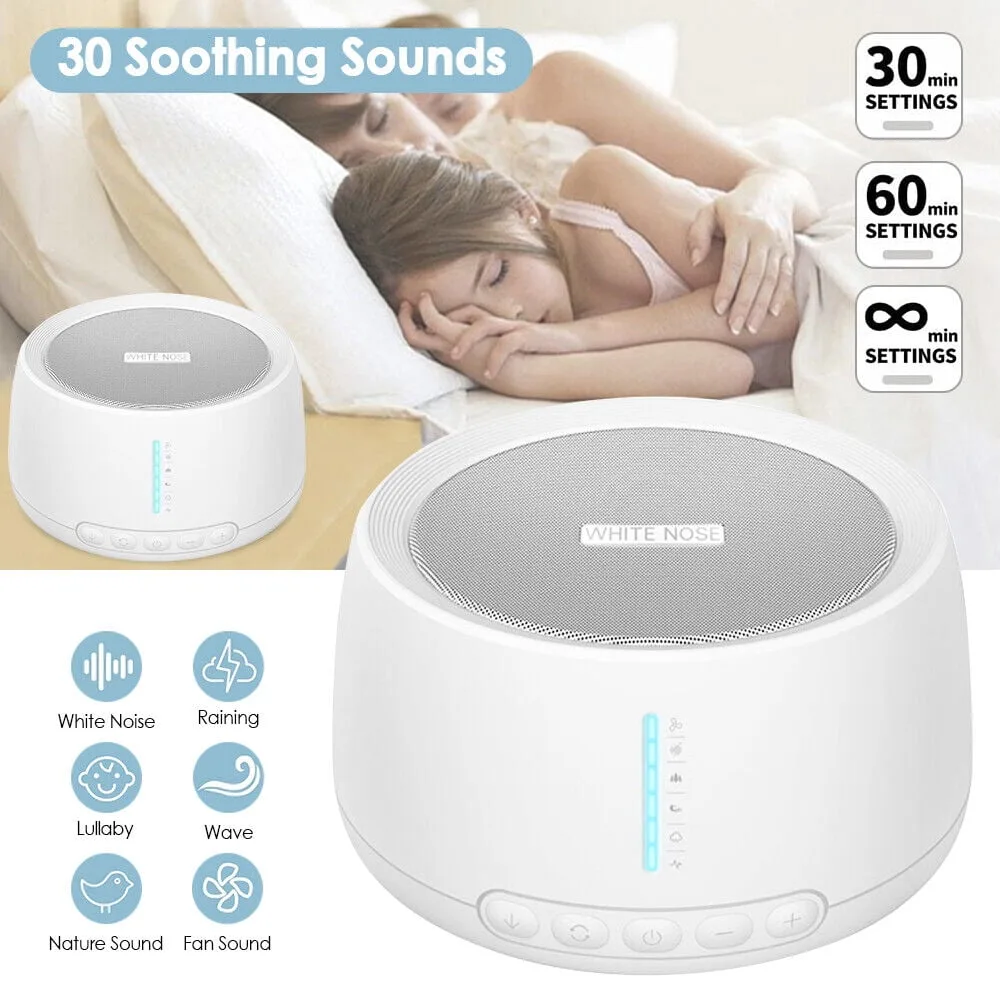
Choosing the right method depends on the type of noise you face. Low-frequency rumbles are harder to block with standard earplugs. Pink noise, which has equal energy per octave, is particularly good at masking these deep sounds.
White noise covers all frequencies evenly but can sound harsh to some ears. Brown noise focuses on lower frequencies, resembling a distant waterfall or strong wind.
| Strategy | Best For | Pros | Cons |
|---|---|---|---|
| Earplugs | Constant low hums, snoring partners | Portable, inexpensive, passive | Can cause earwax buildup, feels isolating |
| White Noise Machine | General household sounds, varied frequency | Smooths out audio spikes, aids tinnitus | Can be too bright/high-pitched for some |
| Pink/Brown Noise App | Traffic, deep rumbles, sensitive ears | More natural sounding, better low-end masking | Requires phone/device nearby, battery drain |
For urban apartments, combining strategies often yields the best results. Use thick blackout curtains to dampen street noise slightly. Then, run a fan or sound machine set to brown noise.
This dual approach addresses both airborne transmission and perceptual annoyance. Remember to keep volume moderate. The CDC warns against prolonged exposure to sounds above 70 dB, though most sleep machines operate safely below 50 dB.
Always prioritize hearing safety over maximum suppression.
Calming Internal Activity: Breaking the Hyperarousal Loop
If your bedroom is quiet but your mind is loud, you’re dealing with hyperarousal. This state keeps your sympathetic nervous system active, preventing the shift to rest-and-digest mode. Cognitive offloading is the most effective tool here.
It involves moving unfinished thoughts from your head to paper. This simple act signals to your brain that it’s safe to let go.
Try a "brain dump" journaling session twenty minutes before bed. Write down every worry, task, or idea cluttering your mind. Don’t edit or organize; just get it out.
Studies published in Journal of Experimental Psychology suggest this reduces sleep onset latency significantly. By externalizing your concerns, you free up mental bandwidth for relaxation.

Physical tension also fuels mental activity. Progressive Muscle Relaxation (PMR) helps break this cycle. Tense each muscle group for five seconds, then release completely.
Start with your toes and work up to your forehead. This technique highlights the difference between tension and relaxation, training your body to drop into calmness. Pair this with slow, diaphragmatic breathing.
The 4-7-8 method (inhale for 4, hold for 7, exhale for 8) acts as a natural tranquilizer for the nervous system.
Avoid relying on sedatives like alcohol to force shutdown. While alcohol may help you fall asleep faster, it fragments REM sleep later in the night. This leads to poor quality rest and increased arousal upon waking.
Instead, focus on behavioral conditioning. Make your bed a place for sleep only. If you’re anxious, leave the room.
Return only when you feel sleepy. This stimulus control therapy strengthens the mental association between bed and rest, weakening the link to worry.
The 60-Minute Wind-Down Workflow
Creating a consistent pre-sleep ritual trains your body to expect rest. This workflow should begin exactly sixty minutes before your target sleep time. Think of it as a gradual ramp-down rather than an abrupt stop.
Each step reduces stimulation, lowering both noise exposure and internal activity levels.
Start with a digital sunset. Turn off phones, tablets, and computers. Blue light suppresses melatonin production, delaying your circadian rhythm.
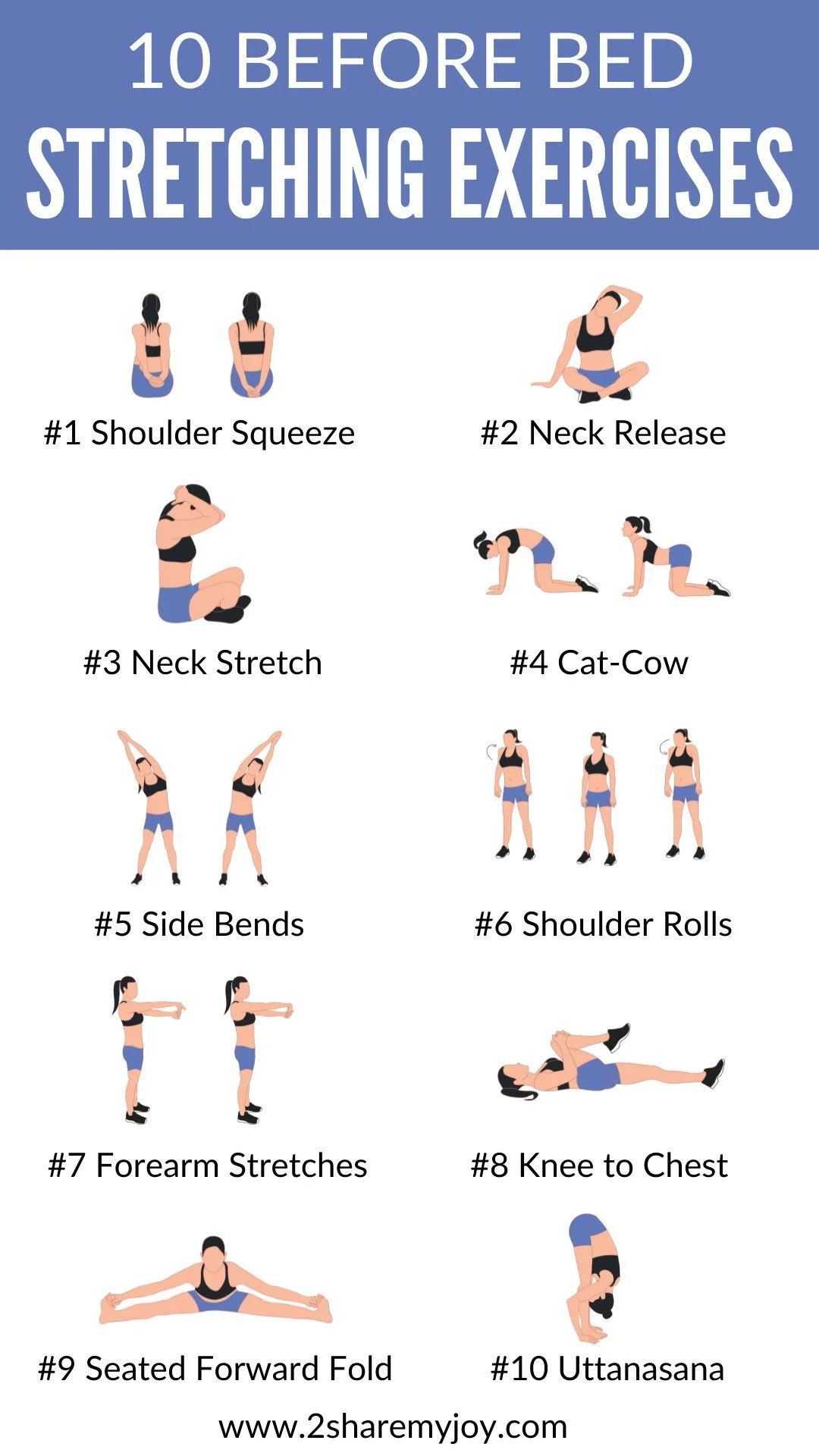
If you must use devices, enable strict night modes or wear blue-light-blocking glasses. Replace screen time with analog activities. Reading a physical book, listening to calm music, or gentle stretching are excellent alternatives.
These activities engage the brain without triggering the dopamine loops associated with social media.
Next, optimize your environment. Dim the lights to mimic twilight. Lower the thermostat to between 60 and 67°F (15, 19°C).
A cooler room facilitates the drop in core body temperature required for sleep onset. Prepare your sound masking device now, ensuring it’s set to a comfortable volume. Check that earplugs are clean if you use them.
This preparation phase removes morning friction and evening decision fatigue.
Finally, engage in your chosen calming practice. Spend the last fifteen minutes doing cognitive offloading or PMR. Avoid intense exercise or stressful conversations during this window.
The goal is to reach a state of mild drowsiness before getting into bed. If you aren’t sleepy after the hour, don’t force it. Extend the routine or read until tired.
Consistency matters more than perfection. Over time, this sequence becomes automatic, signaling your brain that it’s time to power down.
Common Mistakes That Sabotage Sleep Hygiene
Even with a solid plan, certain habits can undermine your progress. One major error is seeking absolute silence. Many people think total quiet is ideal, but for those with tinnitus or anxiety, silence amplifies internal noise.
Using a sound machine provides a neutral backdrop that masks intrusive thoughts and minor disturbances. Embrace controlled sound rather than fighting for vacuum-like quiet.
Another pitfall is inconsistency. Doing your wind-down routine only on weekends or when you’re exhausted fails to build conditioned responses. Your brain learns patterns through repetition.
If you skip steps frequently, the association weakens. Stick to the timeline even on nights when you feel fine. Prevention is key.
Waiting until you’re desperate to sleep often means the hyperarousal loop has already tightened its grip.
Alcohol consumption close to bedtime is a frequent mistake. It seems like a quick fix for winding down, but it disrupts sleep architecture. You may fall asleep quickly, but you’ll likely wake up in the second half of the night.
This fragmentation increases overall activity levels the next day, creating a vicious cycle. Opt for herbal teas like chamomile or valerian root instead. These offer mild relaxation without the rebound effects of depressants.
Lastly, checking the clock is counterproductive. Watching the time tick by triggers performance anxiety about sleep. Turn your alarm clock away or remove it from the room entirely.
Trust that your body knows when to wake up based on your circadian rhythm. Focusing on the present moment rather than the passing hours reduces mental activity. Small adjustments like these prevent the subtle sabotage that keeps many from achieving restful nights.
Tailoring the Approach to Your Environment
Your living situation dictates which noise reduction tactics actually work. Urban apartment dwellers face different acoustic challenges than suburban homeowners or shift workers sleeping during the day. A one-size-fits-all strategy fails because the source of disruption varies wildly by context.
You need to adapt the workflow based on your specific environmental constraints.
For those in shared housing, impact noise is the primary enemy. Footsteps and moving furniture travel through floors and walls. Standard earplugs often miss these low-frequency vibrations.
In this scenario, combine high-fidelity musician’s earplugs with a brown noise machine. The plugs dampen sharp transients while the noise masks the rumble. Aggregate reviews indicate this hybrid approach helps light sleepers in thin-walled units stay asleep through neighbor activity.
Shift workers have a unique challenge: simulating night during the day. Sunlight is as disruptive as noise for circadian alignment. You must achieve total darkness first.
Blackout curtains are non-negotiable here. Then, address daytime ambient sounds like lawnmowers or traffic. White noise machines set to a higher volume (around 50 dB) can effectively mask these predictable patterns.
Consistency is key; use the same sound profile every time you sleep, regardless of the hour. This reinforces the brain’s association between that specific audio cue and rest.
Rural residents often struggle with the opposite problem: unexpected silence amplifying nature sounds. Wind chimes, animal calls, or creaking houses can trigger arousal if you’re not used to them. Here, gentle pink noise provides a steady baseline without feeling artificial.
It smooths out the dynamic range of outdoor sounds. If you live near water, simply opening a window might suffice, but only if insect control is managed. Otherwise, sealed windows with internal masking remain the safer bet for uninterrupted sleep cycles.
Frequently Asked Questions
Can white noise damage hearing?
No, when used correctly. Keep volumes below 70 decibels. Most dedicated sleep machines cap output around 50 to 60 dB, which is safe for prolonged nightly exposure.
Avoid using headphones at high volumes, as direct canal pressure increases risk. Speaker-based masking distributes sound evenly, protecting delicate inner ear structures while still providing effective auditory camouflage for better rest.
How long does it take to see results from a wind-down routine?
Expect noticeable improvements within two weeks. Behavioral conditioning requires repetition to stick. Initially, you might feel restless skipping screens or forcing relaxation.
However, after ten to fourteen consecutive nights, your body begins anticipating the routine. Cortisol levels drop earlier in the evening. Sleep onset latency typically decreases by fifteen to twenty minutes as the nervous system learns to switch off faster.
Is it better to block noise or mask it?
Masking is generally superior for intermittent sounds. Blocking works well for constant drones like HVAC hums. But sudden noises, such as a door slam, pierce through earplugs easily.
Masking raises the background noise floor, reducing the contrast between silence and disturbance. This prevents the startle reflex. For most households, a combination of moderate blocking and active masking yields the highest success rate for consistent, deep sleep throughout the night.
Do blue-light-blocking glasses replace turning off screens?
They help, but they aren’t a full substitute. Glasses filter specific wavelengths, yet the cognitive engagement of scrolling or gaming keeps your brain active. Melatonin suppression occurs from both light and mental stimulation.
Use glasses only if screen time is unavoidable. Ideally, swap digital devices for analog activities like reading paper books. This dual approach addresses both the physiological light signal and the psychological arousal loop effectively.

Similar Posts