Why Baby Wakes When Household Activity Starts
You’ve likely noticed that your baby sleeps soundly when the house is quiet, but wakes up instantly when someone walks by or turns on the TV. Understanding why baby wakes when household activity starts isn’t just about noise sensitivity. It’s often tied to how infant sleep cycles differ from adult ones.
Newborns spend nearly 50% of their sleep in active REM stages, making them far more vulnerable to external stimuli. As of 2026, pediatric guidelines emphasize consistent environmental controls rather than total silence. Let’s break down the mechanics so you can fix this without losing your mind.
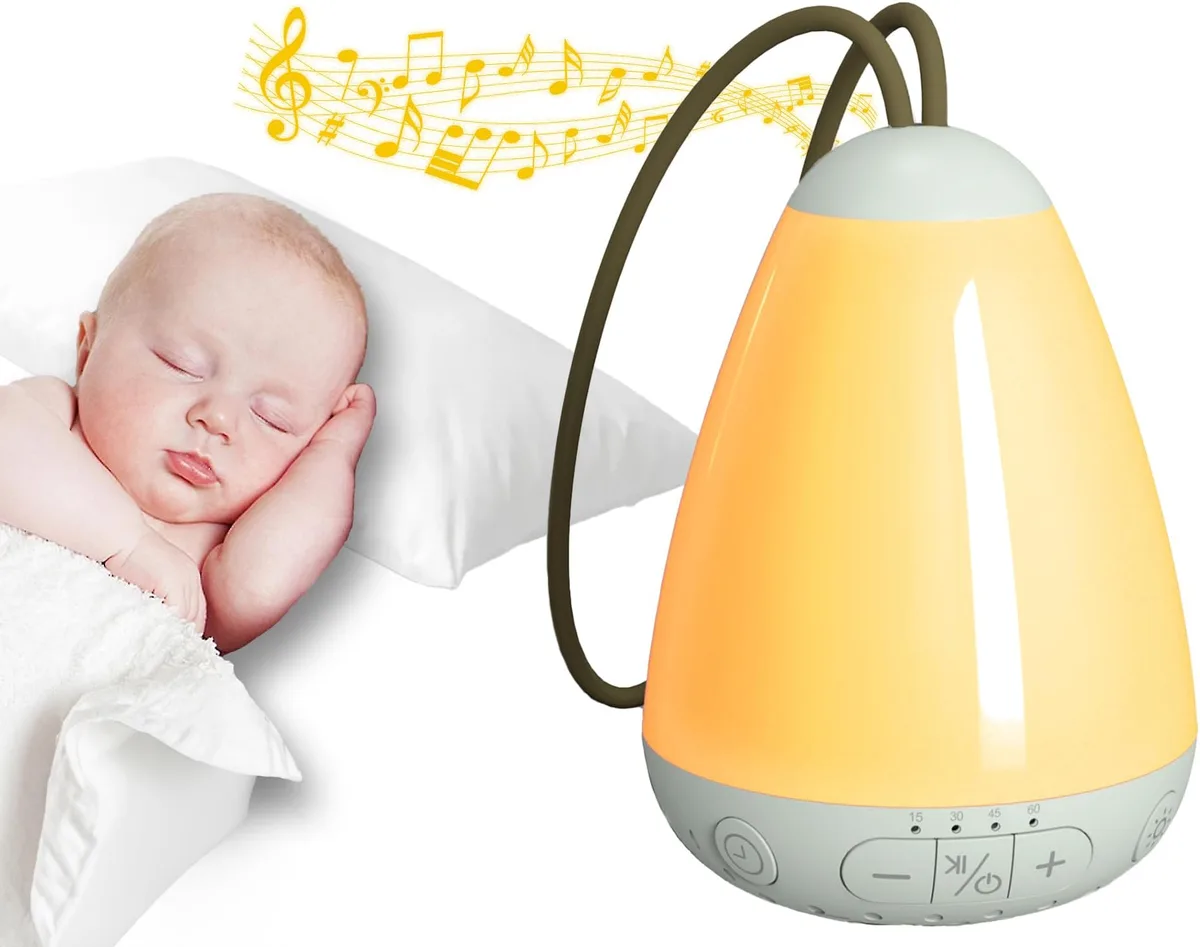
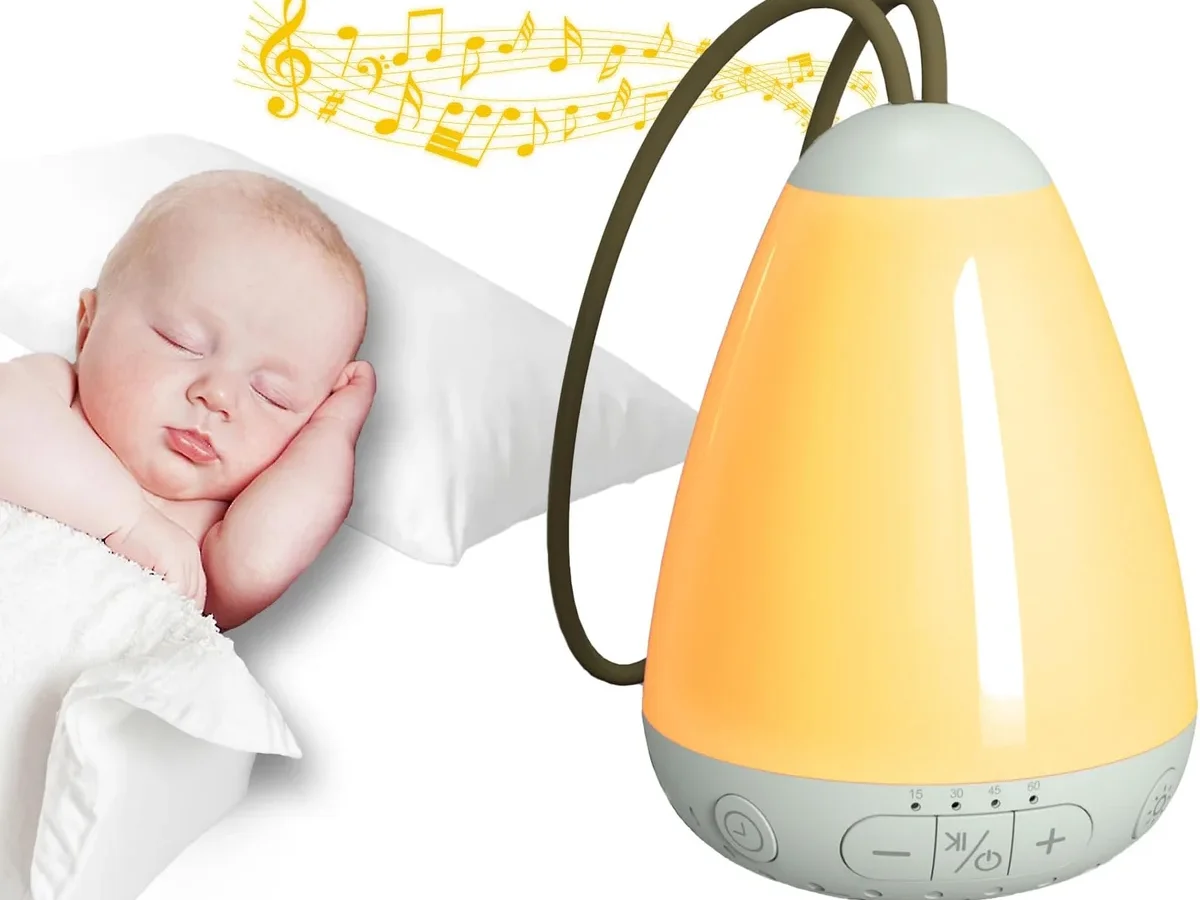
Image source: Web (Bing) / amazon.com (Web image (fair-use with source credit))
Quick Answer
Babies wake during household activity because their shallow sleep cycles are easily disrupted by sudden sensory input. Infants have less developed auditory gating mechanisms than adults. This means they cannot filter out background noise effectively.
Sudden changes in light or sound trigger a startle reflex. Creating a consistent soundscape helps mask these abrupt changes.
Why Your Baby Wakes Up When You Start Moving Around
It feels personal when your child stirs at the slightest creak. But it’s rarely about you being too loud. It’s usually about the contrast between stillness and movement.
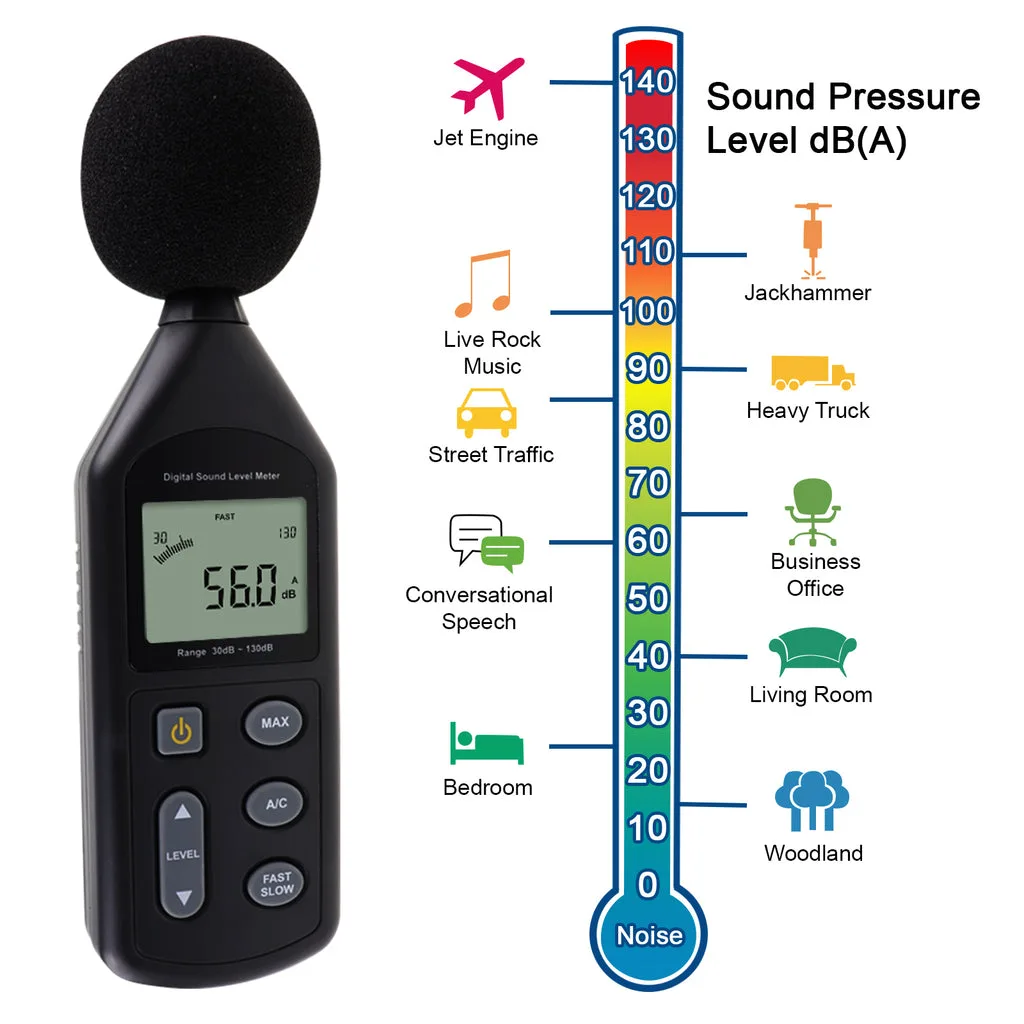
When the house is silent, even normal footsteps register as significant spikes in decibel levels. A door slamming might jump from 30 dB to 70 dB instantly. That sharp delta alerts the brain’s threat detection system.
Your baby’s nervous system is still maturing. They don’t yet possess the ability to ignore irrelevant stimuli while resting. So, any new input demands attention.
Think of it like trying to nap in a library versus a construction site. The issue isn’t always the volume. It’s the unpredictability.
If the environment shifts suddenly, the body prepares for potential danger.
This reaction is biological, not behavioral. You aren’t failing as a parent. You’re dealing with immature neural pathways.
Recognizing this distinction reduces guilt and clarifies the solution path.
The Science Behind Infant Sleep Cycles and Sensory Triggers
To fix the problem, we need to understand the mechanism. Adult sleep consists of long, deep cycles. We transition smoothly between stages.
Babies do not.
Infant sleep cycles last only 40 to 50 minutes. Within each cycle, there is a brief period of lighter sleep called transitional waking. During this phase, the baby is highly susceptible to interruption.
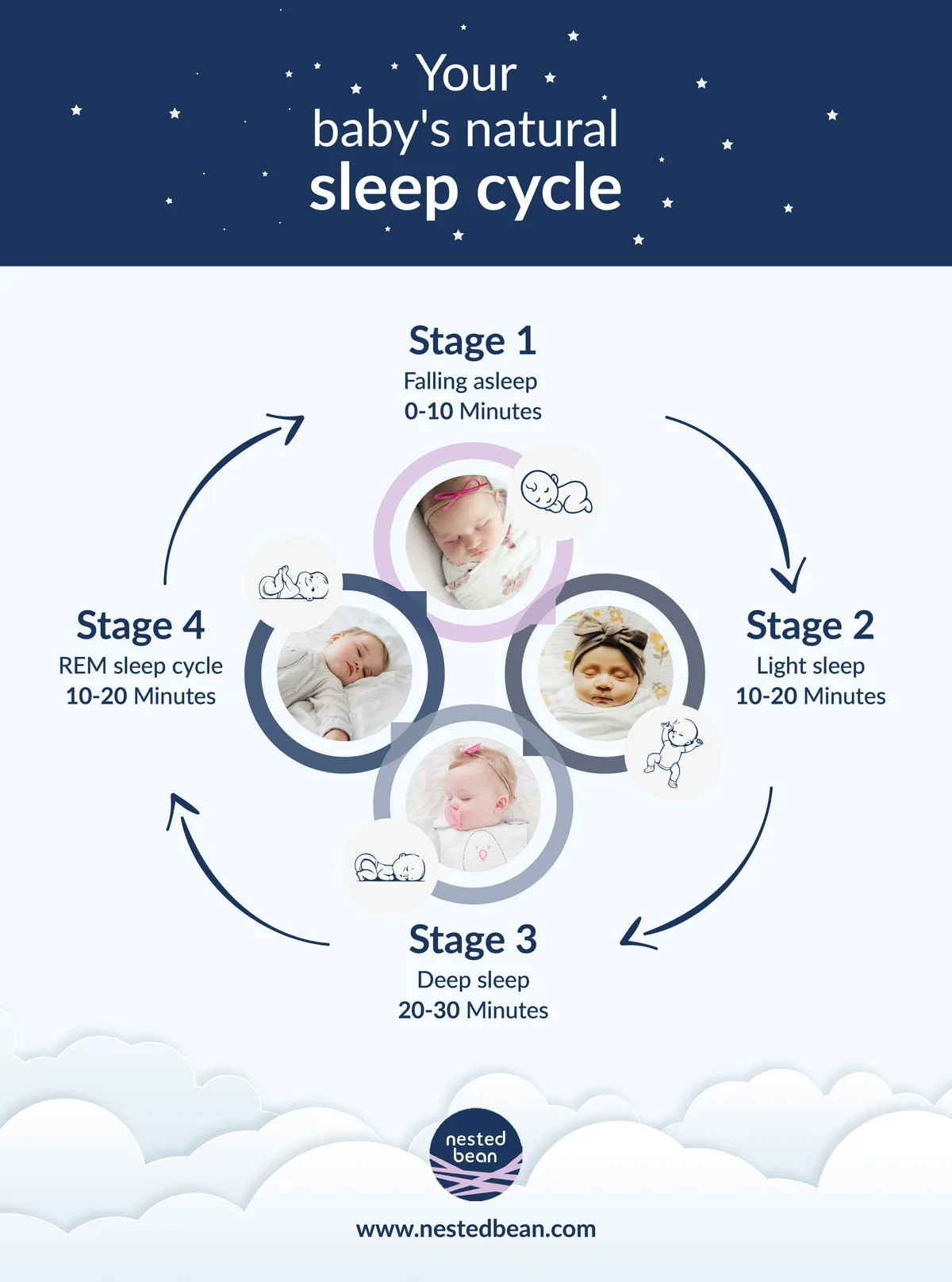
Active sleep, similar to REM, involves rapid eye movements and irregular breathing. Quiet sleep is deeper but shorter in duration for newborns. Household noise often hits during these fragile windows.
Research indicates that babies lack mature sensory gating. This is the brain’s ability to filter out redundant information. Adults tune out the hum of a refrigerator.
Babies hear every fluctuation.
When activity starts, multiple senses engage simultaneously. Sound travels through walls. Light leaks under doors.
Vibrations move through floors. These combined inputs overwhelm the sleeping infant’s processing capacity.
The result is an immediate arousal response. The baby opens their eyes, ready to assess the environment. This is survival instinct working correctly, even if it disrupts your schedule.
Diagnostic Workflow: Is It Noise, Light, or Timing?
Not all awakenings stem from the same cause. You need to identify the specific trigger before applying a fix. Use this workflow to pinpoint the culprit.
First, check the timing. Did the wake-up happen exactly 45 minutes after falling asleep? If yes, it’s likely a natural cycle transition exacerbated by minor noise.
If it happened randomly, look for external triggers.
Next, audit the sensory input. Was there a sudden change in lighting? Or was it purely acoustic?
Use this table to categorize common disruptions:
| Trigger Type | Common Sources | Impact Level | Primary Solution |
|---|---|---|---|
| Acoustic Spikes | Doors, footsteps, voices | High | White noise masking |
| Visual Shifts | Sunlight, hallway lights | Medium | Blackout curtains |
| Vibration/Tactile | Washing machine, heavy traffic | Low-Medium | Floor mats, distance |
If the baby wakes to whispers but sleeps through music, the issue is frequency-specific. Human voices carry emotional weight and varied pitch. Constant tones are easier to ignore.
Conversely, if they wake to light changes, soundproofing won’t help. Observe whether the room brightened just before the stirrings. This diagnostic step saves time and prevents misapplied solutions.
Immediate Fixes for Common Household Disruptions
Once you’ve identified the trigger, apply targeted interventions. Don’t try to solve everything at once. Focus on the highest impact area first.
For acoustic issues, consistency is key. Introduce white or pink noise at a steady volume. Set it slightly above the baseline household noise level.
This creates a uniform soundscape that masks sudden spikes.
Place the sound machine away from the crib but within earshot. Ensure the volume stays below 50 dB at the baby’s ear, per AAP guidelines. Too loud harms hearing; too soft fails to mask.
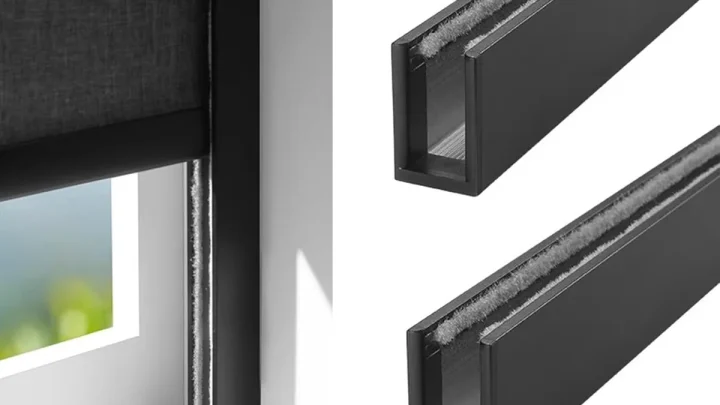
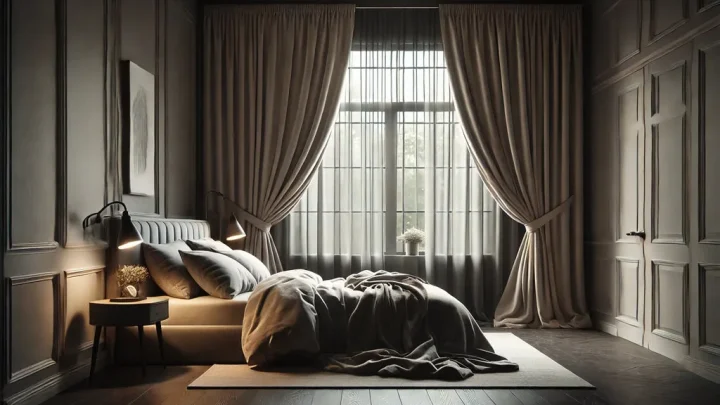
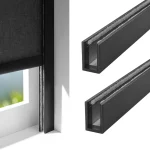
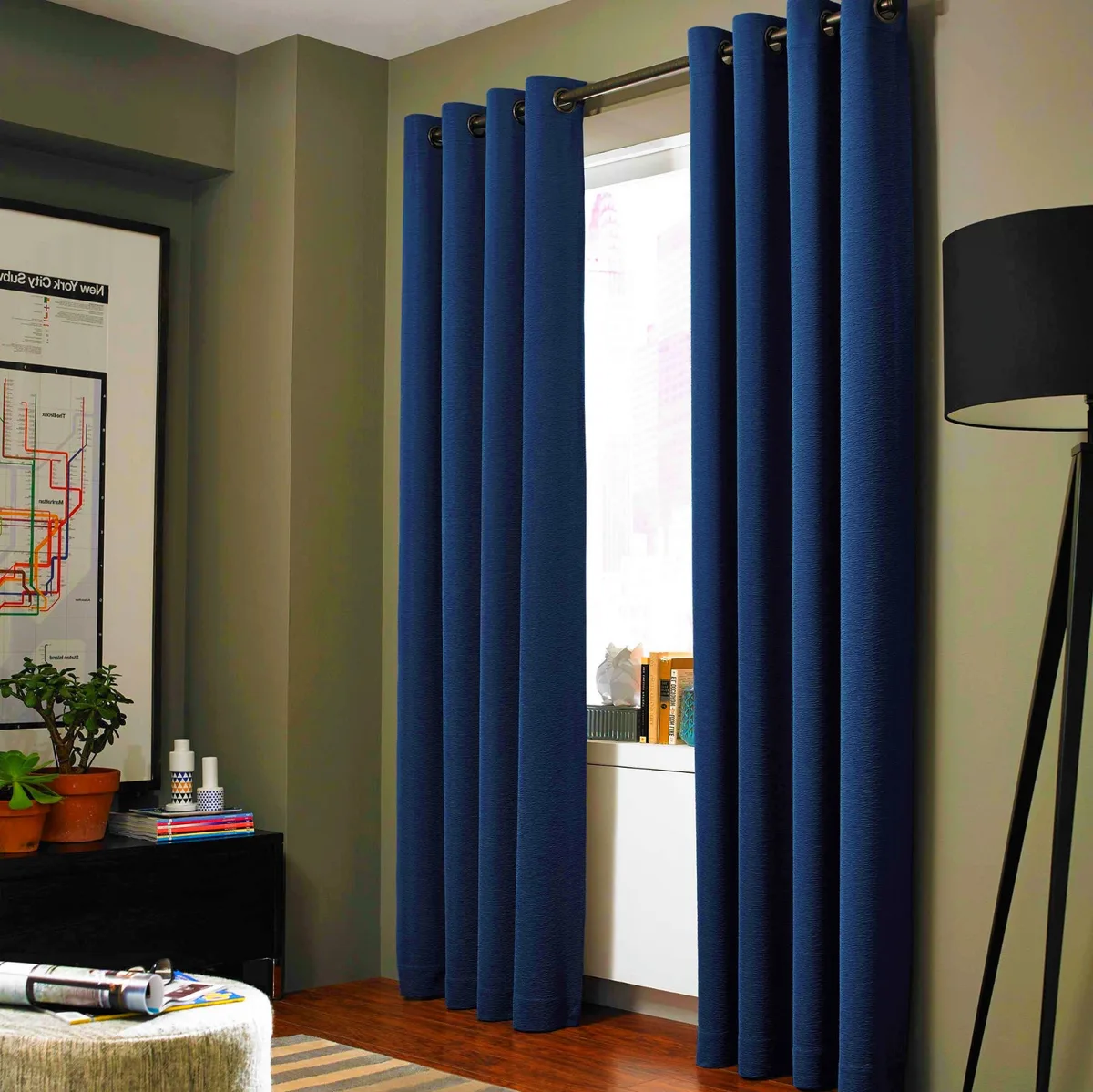
For light-related waking, block sources aggressively. Even small amounts of sunlight suppress melatonin production. Install blackout curtains or use aluminum foil temporarily to test effectiveness.
Seal gaps under doors where hallway light leaks in. Consider dimming indoor lights earlier in the evening. This signals wind-down time and reduces visual stimulation.
Temperature also plays a role. Active households generate heat. Check if the nursery temperature rises when appliances run.
Maintain a cool range of 68, 72°F (20, 22°C). Overheating causes restless sleep, making babies more prone to waking.
Start with one variable. Change the noise level. Wait three nights.
Assess results. Then adjust lighting. Iterative testing yields better data than guessing.
Building a Resilient Sleep Environment Without Silence
Many parents mistake “good sleep hygiene” for “total silence.” This is a myth. Silent rooms make babies hypersensitive to every subsequent sound.
Instead, aim for auditory resilience. Expose your baby to moderate, consistent background noise during the day. This habituates their nervous system to typical household sounds.
During naps, keep the environment realistic. Don’t tiptoe excessively. Normal conversation and gentle movement teach the brain what is safe to ignore.
Gradual desensitization works well. Start with low-volume ambient sound during playtime. Slowly increase complexity as the baby ages.
By six months, most infants can sleep through standard domestic chaos.
Invest in quality window treatments. Blackout blinds offer superior insulation against both light and street noise. Cellular shades provide additional thermal benefits.
Consider the layout of your home. Hardwood floors amplify footstep vibrations. Adding rugs in high-traffic areas dampens sound transmission into adjacent nurseries.
Remember that perfection is impossible. Some waking is inevitable. The goal is to reduce unnecessary disruptions, not eliminate all life sounds.
A balanced approach fosters healthier long-term sleep habits.
According to HealthyChildren.org, maintaining a calm but not sterile environment supports natural circadian rhythm development. Avoid creating an artificial bubble that collapses upon real-world exposure.
Mistakes That Make Babies More Sensitive to Activity
The biggest error we see is the "silent house" trap. Parents tiptoe during every nap, so the baby never learns to filter ordinary sounds. Then a dropped spoon triggers a full wake-up.
If you've been whispering for weeks, reverse it gradually. Don't go from silence to vacuuming overnight. Add low-level background noise first, then resume normal movement over a week.
Another common mistake is rushing in at the first stir. Babies often fuss briefly during transitional waking and resettle on their own. If you swoop in immediately, you interrupt a self-soothing attempt.
Watch from the doorway for two to three minutes instead. If the fussing escalates, then intervene. Aggregate user feedback on parenting forums consistently reports that waiting improved nap length.
Also avoid inconsistent rules. If the household is silent for naps but loud at bedtime, the baby gets mixed signals. Pick one standard and apply it to every sleep window.
Finally, don't overcorrect with volume. Cranking a sound machine past 50 dB risks hearing damage. Louder isn't better masking, it's just louder.
Frequently Asked Questions
At what age do babies stop waking from household noise?
Most infants handle routine household sounds by 6 months, once the Moro reflex fades and sleep cycles mature. Sensory gating improves steadily through the first year. If frequent waking persists past 9 months, check sleep timing and consult your pediatrician.
Is white noise safe to use every night?
Yes, when kept under 50 dB at the crib, per American Academy of Pediatrics guidance. Place the machine at least 7 feet from the baby's head. Continuous, moderate-volume masking is safe for nightly use and supports hearing development.
Should I make the house quiet during naps?
No. A completely silent home trains your baby to expect silence, which backfires later. Moderate daytime noise builds auditory resilience.
Aim for normal conversation volume, not library rules.
Why does my baby wake exactly 45 minutes into a nap?
That's a natural sleep cycle transition, not a noise problem. Newborn cycles run 40 to 50 minutes, and babies often stir at the boundary. If they wake there consistently, offer gentle resettling rather than assuming environmental triggers.
Can blackout curtains alone solve this problem?
Only if light is the primary trigger. If your diagnostic audit showed the baby wakes to sound, blackout curtains won't help on their own. Pair them with consistent sound masking for best results.
When should I worry about frequent waking?
Call your pediatrician if waking comes with poor weight gain, breathing pauses, extreme irritability, or fewer wet diapers. Otherwise, activity-triggered waking is a normal developmental phase. Trust the pattern: typical waking means brief fussing, not distress.

Similar Posts