When Bedtime Distress Needs Pediatric Guidance

Knowing when ongoing bedtime distress needs pediatric guidance can save your child from years of sleep disruption. Most parents push through the tears, assuming it’s just a phase. But some distress signals point to medical issues like apnea or anxiety disorders that won’t fix themselves with routine tweaks.
We’ve seen cases where early intervention prevented chronic insomnia. The American Academy of Pediatrics notes that persistent sleep problems affect daytime behavior and learning. If you’re stuck in a loop of screaming and exhaustion, it’s time to look closer at the symptoms rather than just the clock.
Here is how to tell the difference between normal growing pains and something that needs a doctor.
Image source: Bing (Web (fair-use with source credit))
Quick Answer
You need pediatric guidance if distress lasts more than two weeks despite consistent routines. Look for physical signs like snoring, gasping, or rhythmic leg movements. Psychological markers such as panic attacks or extreme fear also warrant a professional evaluation.
Do not ignore daytime mood changes or attention deficits. Early assessment rules out medical causes like sleep apnea or restless legs syndrome. Trust your instincts if comfort strategies fail repeatedly.
The Line Between Normal Protest and Medical Red Flags
Every parent knows the sound of a toddler fighting sleep. It’s frustrating, but usually temporary. The trick is spotting when that frustration turns into genuine suffering.
Behavioral Insomnia of Childhood (BIC) often looks like standard resistance. Kids cry because they want one more book or refuse to stay in bed. This is typical limit-testing.
However, true medical red flags involve physiological arousal that doesn’t match the situation. Your child might scream inconsolably while appearing awake but confused. Or they may wake up sweating with a racing heart.
These aren’t just bad moods. They are signs their nervous system is stuck in fight-or-flight mode.
Distinguishing Night Terrors, Nightmares, and Behavioral Insomnia
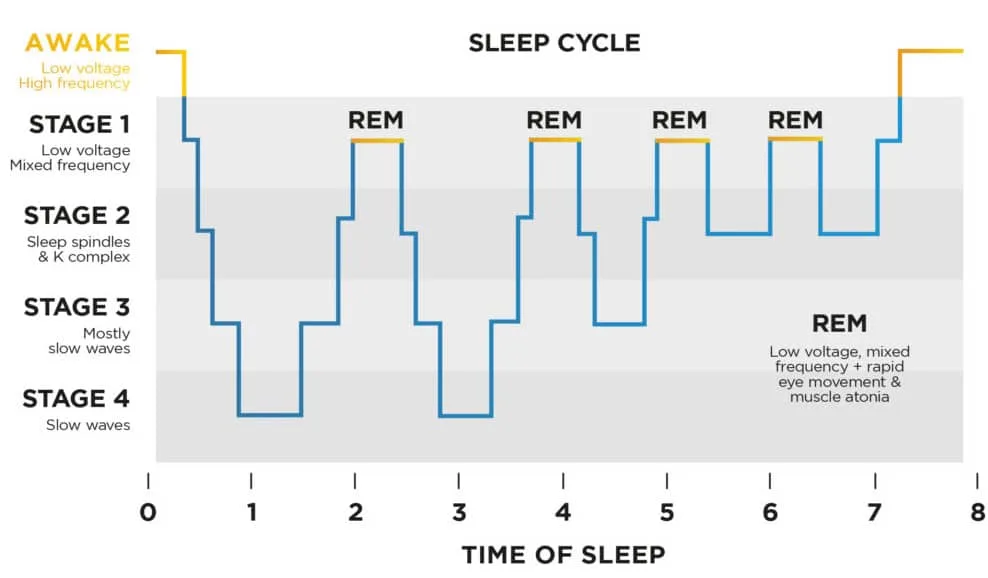
People often mix these up, but the treatment differs wildly. Night terrors happen during deep non-REM sleep. Your child seems terrified but doesn’t recognize you.
Trying to wake them makes it worse. Nightmares occur in REM sleep. Kids wake up scared but remember the dream.
They seek comfort.
Behavioral insomnia is different again. It’s a conditioned response to falling asleep alone. The child fights sleep because they associate the bed with stress or separation.
Knowing which category fits helps you decide if you need therapy, medication, or just patience. As of 2026, clinical guidelines emphasize accurate diagnosis before any intervention.
Why "Just Wait It Out" Can Be Dangerous for Certain Conditions
Waiting works for teething or brief regressions. It fails for Obstructive Sleep Apnea (OSA) or Restless Legs Syndrome (RLS). OSA causes breathing pauses that starve the brain of oxygen.
RLS creates uncomfortable sensations that force movement. Neither resolves on its own. Left untreated, they disrupt sleep architecture permanently.
This leads to cognitive delays and emotional instability. If your child snores loudly or kicks constantly, don’t wait. See a specialist.
Critical Symptoms That Demand Immediate Pediatric Evaluation
Some signs are obvious emergencies. Others hide in plain sight. You need to act fast if you see specific patterns.
General wellness checks might miss subtle sleep disorders unless you provide detailed observations. Don’t downplay what you see. Doctors rely on parental reports to diagnose parasomnias and sleep-related breathing disorders.
Physiological Signs: Snoring, Gasping, and Restless Legs
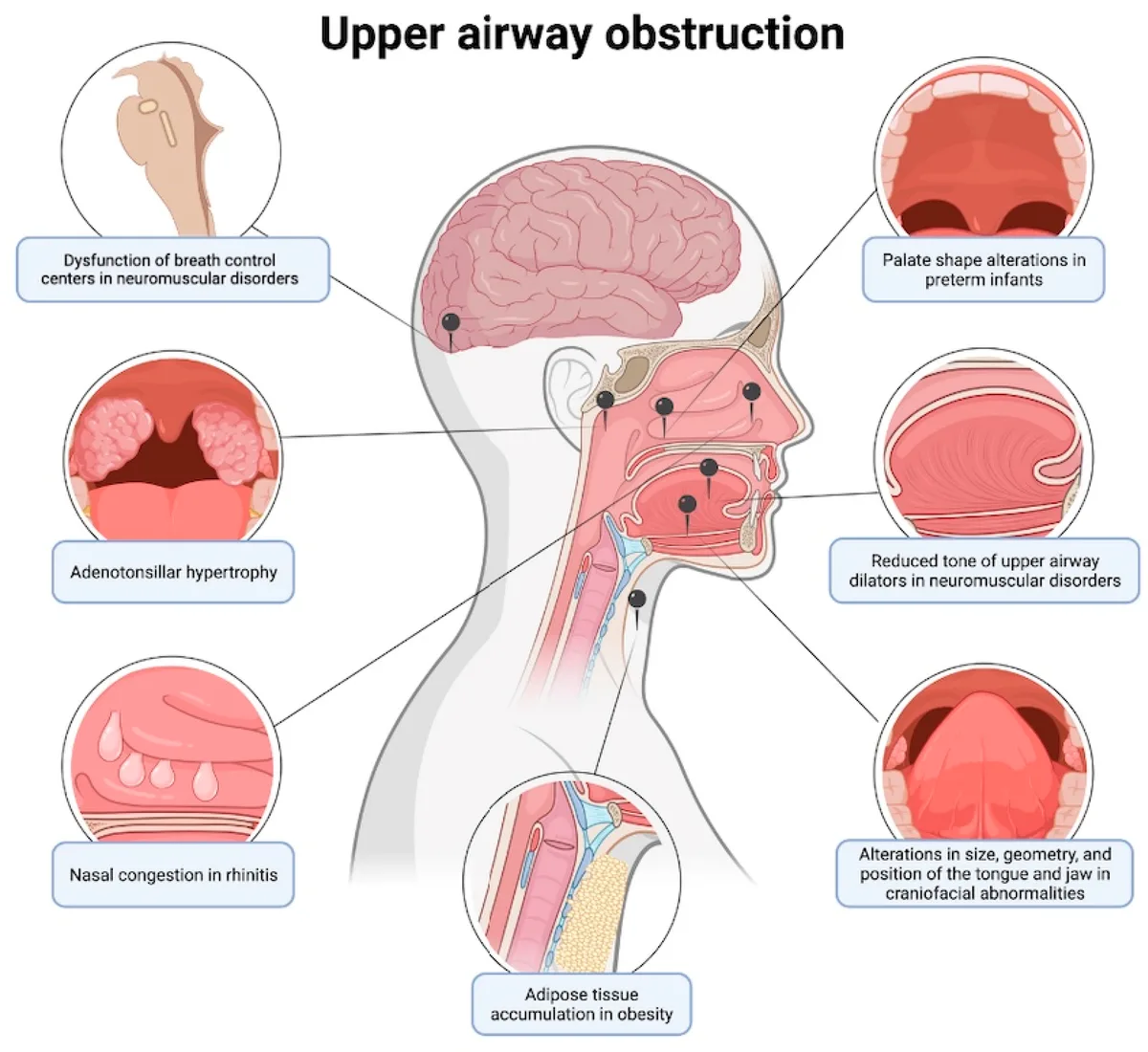
Loud, habitual snoring is never normal in children. It suggests enlarged tonsils or adenoids blocking airways. Watch for pauses in breathing followed by a sharp gasp.
This indicates OSA. Another major sign is RLS. Does your child kick their legs rhythmically?
Do they complain of "creepy-crawly" feelings before bed? Low ferritin levels often drive this. A simple blood test can confirm it.
Ignoring these leads to fragmented sleep and poor growth hormone release.
Psychological Markers: Panic Attacks, Trauma Responses, and Regression
Anxiety manifests physically at bedtime. Your child might hyperventilate or freeze in terror. This isn’t just shyness.
It could be Separation Anxiety Disorder or a trauma response. Sudden regression after a stable period is another clue. If a potty-trained child starts wetting the bed again alongside sleep distress, investigate further.
Stress impacts the bladder and sleep centers simultaneously. Document these events precisely for your provider.
When Daytime Impairment Signals a Deeper Issue
Sleep problems rarely stay at night. Look for hyperactivity, aggression, or zoning out in class. Teachers often label these kids as ADHD.
But poor sleep mimics those symptoms perfectly. If your child struggles to focus or regulate emotions during the day, their nighttime distress is likely medical. Check for morning headaches or dry mouth.
These suggest overnight breathing issues. Connect the dots between night and day for a full picture.
The 2-Week Sleep Audit: Gathering Data Before Your Appointment
Doctors love data. Vague complaints like "he sleeps badly" get generic advice. Specific logs lead to targeted diagnoses.
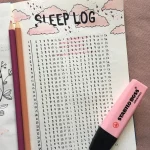
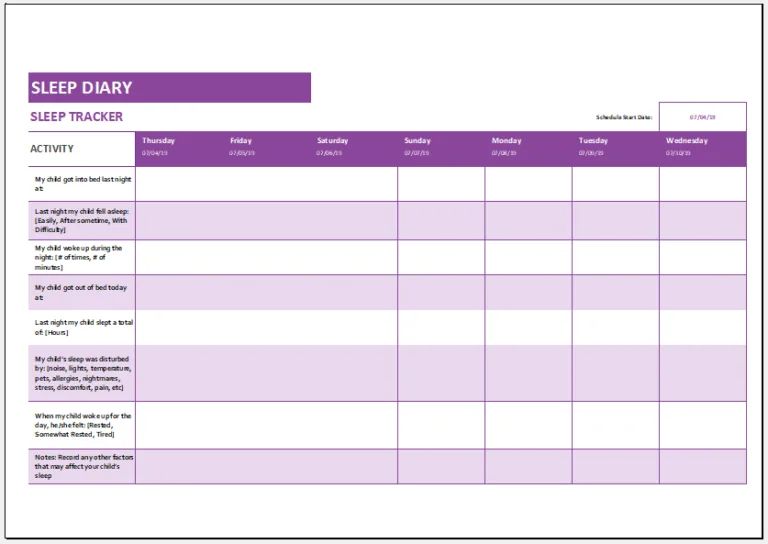
Spend two weeks tracking everything. Use a notebook or an app. Record times, durations, and behaviors.
This audit transforms your consultation from anecdotal to evidence-based. It helps rule out environmental factors quickly.
Tracking Latency, Awakenings, and Soothing Response
Note the exact time lights go out. How long until actual sleep? That’s sleep latency.
Anything over 20 minutes is concerning. Log every awakening. Did they cry?
For how long? What worked? Patting?
White noise? Nothing? Note if they fell back asleep independently.
Consistency matters here. One bad night means little. Two weeks of patterns reveal the truth.
Identifying Environmental Triggers vs. Internal Drivers
Check the room temperature. Is it too hot? Too bright?
Noise levels matter too. Eliminate external variables first. If distress persists despite perfect conditions, the cause is internal.
Maybe it’s pain from reflux or ear infections. Or perhaps it’s neurological. The audit separates situational annoyance from biological necessity.
Take photos of the setup if needed. Show your pediatrician the environment alongside the log.
How to Present Findings Effectively to Your Doctor
Bring printed summaries. Highlight worst nights. Use bullet points for clarity.
Say, "For 14 days, he woke up screaming three times nightly." Avoid emotional narratives. Stick to facts. Ask direct questions: "Could this be apnea?" or "Should we check iron levels?" Prepared parents get faster referrals.
Don’t leave without a plan. Whether it’s a sleep study or behavioral therapy, know the next step before you walk out.
Common Missteps Parents Make During Bedtime Distress
Well-meaning parents often worsen the problem. They react to symptoms rather than causes. Punishment fuels anxiety.
Over-accommodation reinforces avoidance. Both extremes damage trust and sleep quality. Recognizing these traps helps you break the cycle.
Education is key. Many families repeat generations of poor sleep habits without realizing it.
Over-Medicalizing Age-Appropriate Separation Anxiety
Toddlers hate being apart from caregivers. It’s developmentally normal. Calling every cry a disorder stresses everyone out.
However, ignoring severe panic is dangerous. Balance is crucial. Validate feelings but maintain boundaries.
Don’t rush in for every whimper. Let them self-soothe briefly. If distress escalates beyond typical protest, then intervene.
Know the difference between fussing and agony.
Ignoring Obstructive Sleep Apnea as "Bad Behavior"
Snoring gets dismissed as cute or noisy. Parents think it’s just congestion. But chronic OSA alters brain chemistry.
It causes irritability that looks like defiance. Treating it as behavioral failure wastes time. Surgery or CPAP might be needed.
Never assume loud snoring is harmless. Get an ENT evaluation if you hear it regularly. Early treatment prevents long-term cardiovascular and cognitive risks.
Inconsistent Enforcement Undermining Clinical Interventions
Switching tactics confuses children. One night you let them in. The next you lock the door.
This unpredictability spikes anxiety. Stick to one plan for at least two weeks. If using extinction methods, commit fully.
Half-measures create stronger protests. Consistency builds security. Even if it feels harsh initially, steady rules reduce overall distress faster.
Coordinate with all caregivers to ensure uniformity.
Evidence-Based Pathways to Resolution
Once you’ve ruled out acute medical issues, treatment focuses on behavior and biology. There’s no single cure. Plans combine multiple strategies.
Cognitive Behavioral Therapy for Insomnia (CBT-I) adapts well for kids. Medical treatments address underlying physiology. Success depends on matching the method to the root cause.
Work with specialists to tailor the approach.
Behavioral Strategies: CBT-I Adaptations and Routine Resetting
CBT-I teaches skills, not just rules. It includes relaxation techniques and stimulus control. Keep the bed for sleep only.
Remove screens an hour before bed. Establish a calming wind-down ritual. Use white noise machines if helpful.
Reward positive sleep behaviors, not just outcomes. This rebuilds the association between bed and rest. It takes effort but yields lasting results.
Medical Interventions: When Specialists Recommend PSG or Medication
Polysomnography (PSG) monitors brain waves and breathing. It confirms apnea or seizure activity. Medication like melatonin helps circadian rhythms but not insomnia directly.
Alpha-agonists treat RLS. Always consult a pediatric sleep specialist before prescribing. Self-medicating masks symptoms.
Proper diagnostics guide safe pharmacological support. Combine meds with therapy for best outcomes.
Addressing Comorbidities Like ADHD and ASD in Sleep Plans
Children with ADHD or Autism Spectrum Disorder (ASD) face unique challenges. Sensory overload triggers distress. Adjust lighting and textures accordingly.
Use weighted blankets if approved. Visual schedules help predict bedtime. Treat co-existing anxiety aggressively.
Standard advice often fails these groups. Customized plans respect neurodivergence. Collaboration between psychologists and pediatricians ensures holistic care.
Navigating the Referral Process: From GP to Sleep Specialist
Getting past your primary care provider can feel like hitting a wall. Many GPs default to reassurance or basic hygiene advice. You need to be strategic about requesting a referral.
Bring your two-week sleep audit. Highlight specific red flags like gasping or panic attacks. Frame the request around functional impairment, not just exhaustion.
Say, "My child’s daytime behavior is deteriorating due to poor sleep." This shifts the conversation from subjective complaint to clinical necessity.
What Questions to Ask at the Initial Consultation
Don’t leave the appointment without clarity. Ask if they suspect Obstructive Sleep Apnea or Restless Legs Syndrome. Request blood work for ferritin levels if RLS is on the table.
Inquire whether a home video recording of episodes would help diagnosis. Confirm if they recommend a Polysomnography (PSG) study immediately or after behavioral trials. Knowing the next diagnostic step saves weeks of waiting.
Push for a concrete timeline. If they hesitate, ask for a second opinion from a board-certified pediatric sleep specialist.
Understanding Insurance Coverage for Diagnostics and Therapy
Insurance hurdles often delay critical care. Pre-authorization is usually required for PSG studies. Call your insurer before the appointment.
Verify coverage for Cognitive Behavioral Therapy for Insomnia (CBT-I). Some plans limit sessions per year. Check if telehealth visits count toward deductibles.
Our research shows that families who verify benefits upfront experience fewer billing surprises. Keep receipts for all consultations. Appeal denials promptly with medical records attached.
Don’t let administrative friction prevent your child from getting rest.
Setting Realistic Timelines for Improvement
Sleep fixes aren’t overnight miracles. Behavioral changes take four to six weeks to stick. Medical interventions might show results faster, but adjustment periods vary.
Expect setbacks during teething or illness. Track progress weekly, not daily. Celebrate small wins, like falling asleep in under 20 minutes.
Patience is part of the treatment plan. Rushing leads to inconsistent enforcement, which resets progress. Trust the process your specialist outlined.
Consistency over time yields better outcomes than intensity in short bursts.
Frequently Asked Questions About Pediatric Sleep Distress
How long should I try home remedies before seeing a doctor?
Try consistent routines for two weeks. If distress persists or worsens, seek guidance. Acute symptoms like choking or seizures need immediate ER visits.
Do not wait months for chronic issues to resolve on their own. Early evaluation prevents entrenched patterns. Use the two-week mark as your hard deadline.
Document everything during this period. If you see no improvement, schedule an appointment. Waiting longer only complicates the diagnosis.
Can melatonin help with bedtime distress?
Melatonin regulates circadian rhythm, not anxiety or pain. It won’t stop night terrors or apnea. Misusing it masks underlying medical causes.
Consult a pediatrician before dosing. Incorrect timing can shift sleep phases further. For most behavioral insomnia, therapy works better.
Reserve supplements for diagnosed delays. Never use sedatives without specialist oversight. Safety comes first.
Address the root cause, not just the symptom.
Are night terrors dangerous for my child?
Night terrors themselves are rarely harmful physically. However, they signal nervous system dysregulation. Frequent episodes disrupt sleep architecture.
This impacts growth and cognition. Ensure the environment is safe to prevent injury during thrashing. Do not wake the child.
Wait for the episode to pass naturally. If they occur multiple times a week, get evaluated. Underlying stress or OSA may be triggers.
Professional insight helps manage frequency.
Will my child grow out of this eventually?
Some developmental phases resolve with maturity. But untreated medical conditions do not. OSA and RLS require intervention.
Ignoring them leads to chronic issues. Assume nothing will fix itself without evidence. Monitor trends closely.
If severity increases, act now. Growing up doesn’t erase physiological barriers. Proactive management ensures healthy development.
Don’t gamble on spontaneous resolution when safer options exist.

Similar Posts