How to Track Early Morning Waking Patterns
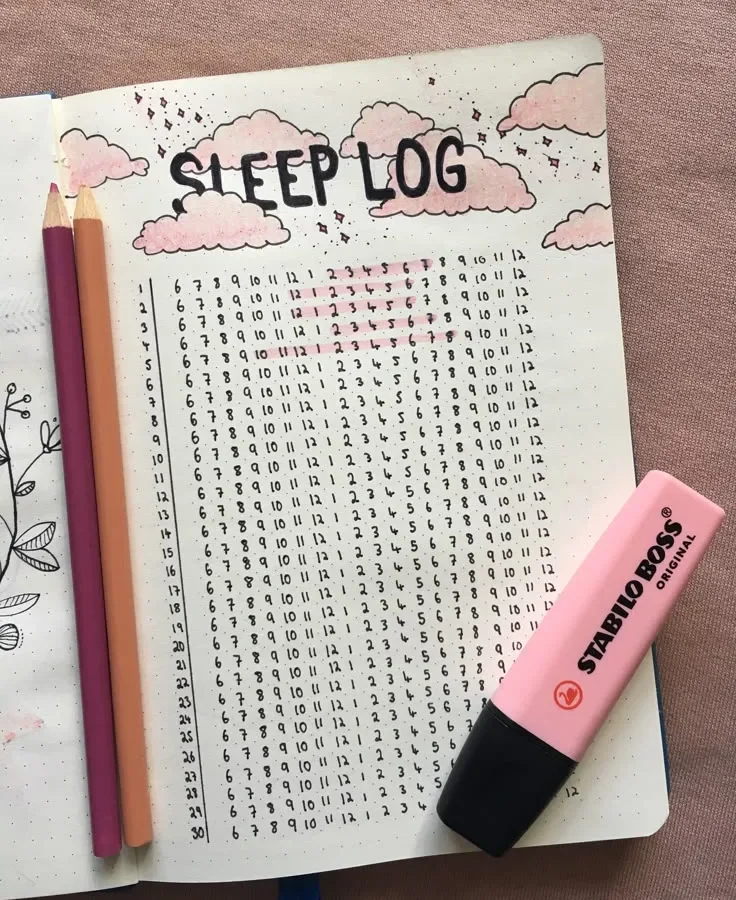
Figuring out how to track early morning waking patterns starts with recognizing that 3 AM wake-ups aren't random. They are data points waiting to be decoded. Most people guess the cause, leading to ineffective fixes like drinking more melatonin or forcing themselves back to sleep.
This approach rarely works because it ignores the specific physiological trigger firing in your brain.
We need objective evidence to distinguish between stress-induced arousal and circadian misalignment. The American Academy of Sleep Medicine notes that consistent logging improves diagnostic accuracy for insomnia subtypes significantly. Without this clarity, you’re just shuffling deck chairs on a sinking ship.
Let’s look at why guessing fails and how structured tracking provides the answers you actually need.
Why Your Early Waking Isn’t Random (And How to Prove It)
Early morning awakening is a distinct clinical feature, not just "bad sleep." It often signals hyperarousal, where your sympathetic nervous system activates prematurely. Alternatively, it could mean your internal clock has shifted forward, known as Advanced Sleep-Wake Phase Disorder. These two causes require opposite treatments.
Guessing leads to wasted effort and increased frustration.
Tracking proves which mechanism is at play. If you wake up anxious and racing, it’s likely hyperarousal. If you wake up alert and ready to go, it’s probably circadian drift.
You cannot rely on memory alone. Recall bias makes us remember the worst nights and forget the neutral ones. Objective logs remove this emotional filter.
The Difference Between Insomnia and Circadian Misalignment
True insomnia involves difficulty initiating or maintaining sleep throughout the night. Circadian misalignment means your body thinks it’s time to wake up hours before society expects it to. For older adults, this phase advance is common due to biological aging.
Younger adults might experience it due to irregular light exposure. Distinguishing these helps you choose the right intervention. One requires calming techniques; the other requires light therapy timing adjustments.
Why Guessing Fails: The Need for Objective Data
Subjective feelings of tiredness don't correlate perfectly with sleep architecture. You might feel exhausted despite getting seven hours of fragmented rest. Conversely, you might feel fine after five hours if those hours were deep and consolidated.
Wearables measure movement and heart rate variability, offering clues about physiological state. Paper diaries capture context, like alcohol intake or stressful events. Combining both creates a robust dataset.
As of 2026, integrated health platforms allow easier cross-referencing of these data streams.
Choosing Your Tracking Method: Low-Tech vs. High-Fidelity
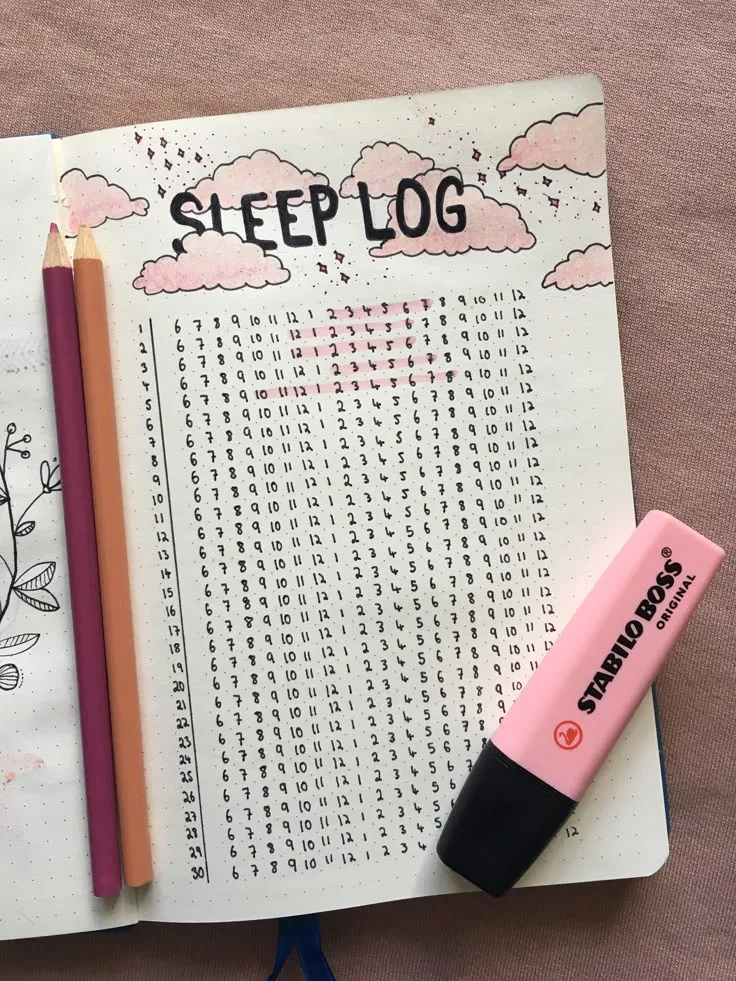
Selecting the right tool depends on your goal. Are you looking for behavioral triggers or physiological anomalies? A paper diary excels at capturing context.
It forces you to reflect on what happened before bed. Did you argue with your partner? Did you eat late?
These details matter for anxiety-driven waking. However, humans are terrible estimators of time. We often overestimate how long we lay awake.
Wearables provide precision but lack context. An Oura Ring or Whoop strap tracks heart rate variability (HRV) and respiratory rate with high fidelity. They detect micro-arousals you never consciously noticed.
But they won’t tell you why you woke up. Did the thermostat click on? Was there street noise?
You still need a log for environmental factors.
| Feature | Paper/Digital Diary | Consumer Wearable | Clinical PSG |
|---|---|---|---|
| Accuracy | Moderate (recall bias) | High (physiological metrics) | Gold Standard |
| Context Capture | Excellent (habits/stress) | Poor (no external inputs) | Limited (lab setting) |
| Cost | Free to $5/month | $300+ device + subscription | Insurance-covered only |
| Best For | Behavioral triggers | Physiological patterns | Diagnosing apnea/disorders |
For most people, a hybrid approach works best. Use a wearable for objective sleep stages and HRV trends. Pair it with a simple app or notebook to log pre-bed habits and environment.
This combination covers both the "what" and the "why." Avoid relying solely on one method. The gaps in data will lead to incorrect conclusions.
The 14-Day Baseline Protocol: Setting Up Your Experiment
Consistency is key. You need enough data to spot patterns, but not so much that you burn out. Fourteen days is the sweet spot identified by sleep researchers.
It captures two full weekly cycles, accounting for weekend variances. During this period, do not change your habits. Just observe.
Changing routines mid-tracking confounds the results. You need a clean baseline before testing interventions.
Start by defining your anchor times. Pick a fixed wake-up time, even on weekends. This stabilizes your circadian rhythm slightly, making deviations easier to spot.
Then, set a consistent bedtime window. Stick to it within a 30-minute margin. Deviations here skew the data.
If you stay up until 2 AM on Friday, Saturday’s early wake-up isn't a mystery. It’s sleep debt repayment.
Step 1: Establishing Consistent Anchor Times
Choose a wake time that aligns with your life obligations. If you must rise at 6:30 AM, make that your non-negotiable anchor. Set alarms accordingly.
Do not hit snooze. Snoozing fragments sleep further and increases grogginess. Record the exact moment you open your eyes and leave the bed.
This timestamp is crucial for calculating total sleep time versus time in bed.
Step 2: Logging the "Pre-Dawn" Variables
Note everything consumed within four hours of bedtime. Alcohol, caffeine, and heavy meals disrupt sleep continuity. Also, record ambient conditions.
Room temperature should ideally sit between 60-67°F (15-19°C). Higher temperatures inhibit deep sleep. Note any unusual noises or light leaks.
Even a small LED from a TV standby mode can suppress melatonin production.
Step 3: Recording the Awakening Event Specifically
When you wake up early, pause. Don’t check your phone immediately. Assess your mental state.
Are you panicking? Or are you calmly alert? Write down your thoughts verbatim if possible.
"I’m worried about the meeting tomorrow" indicates anxiety. "It’s bright outside" indicates environmental intrusion. This immediate reflection captures the raw emotion before rationalization sets in.
Over fourteen days, these notes reveal your primary trigger.
Decoding the Data: What Your Patterns Actually Mean
Once you have two weeks of data, look for clusters. Patterns emerge when you group awakenings by cause. Common clusters include cortisol spikes, thermal regulation failures, and environmental breaches.
Each cluster demands a different strategy. Misidentifying the cluster leads to failed solutions. For instance, cooling the room won’t help if the issue is anxiety.
Review your logs side-by-side with your wearable data. Correlate subjective feelings with objective metrics. Did HRV drop sharply before waking?
That suggests stress activation. Did skin temperature rise unexpectedly? That points to thermoregulation issues.
Cross-referencing validates your hypotheses. Trust the convergence of data sources over single anecdotes.
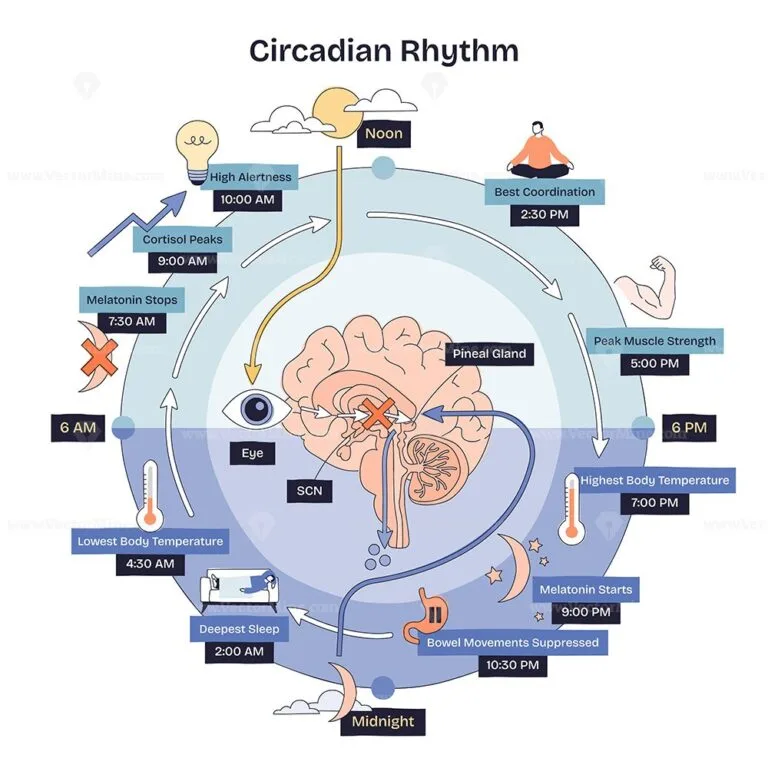
Pattern A: The Cortisol Spike (Anxiety/Rumination Cluster)
If you wake up with a racing heart and intrusive thoughts, suspect hyperarousal. Your body releases cortisol prematurely, often triggered by unresolved stress. Look for correlations with high-stress days.
Did you have a difficult conversation before bed? These awakenings usually happen between 3:00 and 5:00 AM. The mind engages in rumination loops.
Physical symptoms include tension in the jaw or shoulders. This pattern confirms psychological drivers rather than physiological clocks.
Pattern B: The Temperature Drop (Thermoregulation Failure)
Core body temperature must fall to initiate and maintain sleep. If it rises too early, you wake up. Check your room temperature logs.
Is your heating kicking on at 4 AM? Many thermostats have programmable schedules that conflict with sleep needs. Wearables often show a spike in skin temperature just before waking.
This indicates your body is struggling to dissipate heat. Solutions involve adjusting bedding or thermostat settings, not meditation.
Pattern C: The Environmental Breach (Noise/Light Intrusion)
Sometimes the culprit is external. Streetlights, passing cars, or birdsong can trigger arousal. Review your notes for mentions of light or sound.
Did you notice a car alarm? Was the sky brightening earlier due to seasonal changes? These interruptions fragment sleep architecture.
You may not fully wake up, but you enter lighter sleep stages. This reduces restoration quality. Addressing this requires physical barriers like blackout curtains or white noise machines.
Pattern D: The Advanced Phase (Age-Related or Genetic Shift)
If you wake up feeling refreshed and alert, your circadian clock may have shifted. This is common in adults over 65. Their melatonin secretion peaks earlier in the evening.
Consequently, they wake up earlier. There is no anxiety or discomfort involved. You simply feel done sleeping.
Confirm this by checking your evening drowsiness onset. If you get sleepy at 8:30 PM, an advanced phase is likely. This requires shifting light exposure later in the day.
From Insight to Action: Adjusting Based on Your Specific Trigger
Now that you’ve identified the pattern, apply targeted interventions. Generic advice fails because it doesn’t address the root cause. Tailor your response to the specific cluster you uncovered.
Start with one variable at a time. Change multiple things simultaneously, and you won’t know what worked. Monitor the effects for another week.
Adjust based on new data.
If anxiety drives your waking, cognitive strategies help. Practice stimulus control. If you’re awake for more than 20 minutes, get out of bed.
Go to another dimly lit room. Read boring material until drowsy returns. This breaks the association between bed and wakefulness.
Avoid screens. Blue light suppresses residual melatonin. Keep interactions low-emotion.
No work emails or social media scrolling.
If It’s Anxiety: Stimulus Control and Cognitive Defusion
Combine stimulus control with mindfulness techniques. Try box breathing: inhale for four seconds, hold for four, exhale for four, hold for four. This activates the parasympathetic nervous system.
It counters the cortisol spike. Journaling before bed also helps. Dump worries onto paper to clear mental RAM.
This prevents rumination during the night. Consistency matters more than intensity. Daily practice builds resilience against nighttime arousal.
If It’s Light/Temperature: Blackout Protocols and Thermal Regulation
For environmental intrusions, optimize your sanctuary. Install blackout shades rated for 99% light blocking. Seal gaps around doors with draft stoppers.
Adjust your thermostat to keep the bedroom cool. Aim for 65°F (18°C). Use breathable bedding materials like cotton or bamboo.
Moisture-wicking fabrics prevent overheating. Consider a fan for air circulation. White noise machines mask sudden sounds.
Choose brown or pink noise over white for softer tonality. Test different frequencies to find what soothes you.
If It’s Circadian Drift: Morning Light Anchoring and Evening Restriction
Shift your clock back by manipulating light exposure. Get bright sunlight within 30 minutes of waking. Ten to fifteen minutes outdoors is sufficient.
This signals your suprachiasmatic nucleus that the day has started. In the evening, dim lights two hours before bed. Use blue-light-blocking glasses if necessary.
Avoid intense screen brightness. Some users benefit from low-level red light therapy in the evening. Consult Harvard Medical School Division of Sleep Medicine resources for detailed protocols on light timing.
Patience is required. Shifting circadian rhythms takes several weeks of strict adherence.
Common Tracking Mistakes That Distort Your Results
Orthosomnia is a growing concern among data-driven sleepers. It describes the anxiety caused by obsessing over imperfect sleep metrics. If your tracking makes you dread bedtime, stop immediately.
The goal is insight, not perfection. A score of 85% isn't a grade to fail. It’s just a number reflecting one night.
Letting this pressure build creates a vicious cycle of arousal and poor rest. You end up tracking stress rather than sleep patterns.
Recall bias also plagues manual logs significantly. We tend to remember nights where we tossed and turned. Neutral or good nights often fade from memory quickly.
This skews your perception of frequency. Always log in real-time or within minutes of waking. Delayed entry invites rationalization.
You might convince yourself you slept well when the data says otherwise. Honesty with the log is non-negotiable for accurate pattern recognition.
Weekend variance is another silent killer of consistency. Sleeping in on Saturday disrupts your circadian anchor. This phenomenon, called social jetlag, confuses early morning data.
If you wake at 6 AM weekdays but 9 AM weekends, your baseline shifts. Analyze weekday and weekend data separately initially. Don’t average them together unless you’re studying overall debt.
Mixing these datasets hides specific triggers like light exposure or schedule rigidity. Keep the contexts distinct until you understand each one.
Frequently Asked Questions About Early Morning Awakening
How long should I track before seeing patterns?
Most experts recommend a minimum of two weeks. This duration captures enough variability to spot trends. One week is often too short due to random fluctuations.
Two full cycles account for work stress and weekend habits. If no clear pattern emerges after fourteen days, consider extending to thirty. Longer periods help identify seasonal or hormonal influences.
Patience yields better data than rushing to conclusions.
Do smart rings accurately detect early waking?
Consumer wearables are generally reliable for timing awakenings. They use accelerometer and heart rate data effectively. However, they struggle to distinguish between quiet wakefulness and light sleep.
You might appear asleep while lying still and alert. Cross-reference device alerts with your subjective notes. Trust your feeling of being awake over the algorithm.
Devices provide context, not absolute truth. Use them as guides, not judges.
Should I see a doctor if tracking doesn’t help?
Yes, especially if daytime impairment persists. Untreated obstructive sleep apnea often mimics insomnia symptoms. Loud snoring or gasping during sleep warrants professional evaluation.
A primary care physician can refer you to a specialist. Clinical polysomnography remains the gold standard for diagnosis. Self-tracking cannot replace medical assessment for physiological disorders.
Seek help if behavioral changes yield no improvement after eight weeks. Safety comes first.

Similar Posts