Bedtime vs. Morning Wake Patterns: How to Compare Them
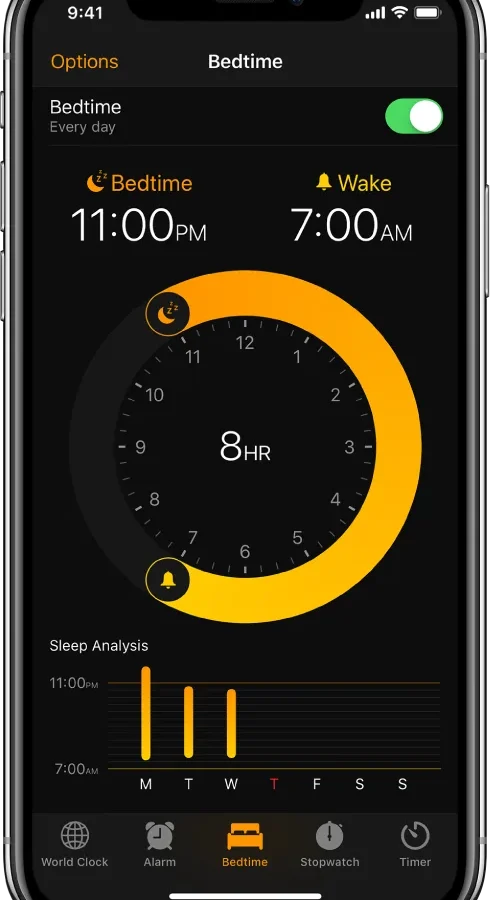
You've got a sleep tracker, a phone app, maybe a paper diary, and every one of them is telling you a different story about your nights. Figuring out how to compare bedtime and morning wake patterns isn't about collecting more data. It's about knowing which two or three numbers actually describe your rhythm, and which ones are just noise.
In our research, the single most useful anchor is your sleep midpoint, the halfway point between when you fall asleep and when you wake. Sleep researchers at Harvard's Division of Sleep Medicine have used it for decades because it resists the small errors that ruin bedtime logs. Once you know how to calculate it, the rest of the comparison gets a lot simpler.
Quick Answer
To compare bedtime and morning wake patterns, track both for at least two weeks. Calculate your sleep midpoint for each night. Then measure wake-time variability across weekdays and weekends.
If your midpoint shifts more than 90 minutes, you have social jetlag. Adjust your schedule in 15-minute steps.
Why Comparing Bedtime and Wake Patterns Feels Harder Than It Should
Here's the core problem: bedtime is a decision, but wake time is a consequence. You choose when to get in bed. Your circadian rhythm, alarm clocks, kids, and sleep pressure decide when you actually get up.
So when you compare the two side by side, you're comparing a cause with an effect. If your bedtime drifts from 10:30 to midnight but your wake time stays pinned at 6:30, your total sleep time shrinks. The comparison only makes sense once you separate those two dynamics.
There's also a data problem. Your watch might log 7 hours while your diary says 6. Both can be right.
Wearables detect stillness, so lying awake reading counts as sleep to the sensor. That's why we always tell people to pick one primary source before comparing anything.
The Two Numbers That Actually Matter: Sleep Midpoint and Wake-Time Variability
Skip the sleep score. Two metrics do the real work.
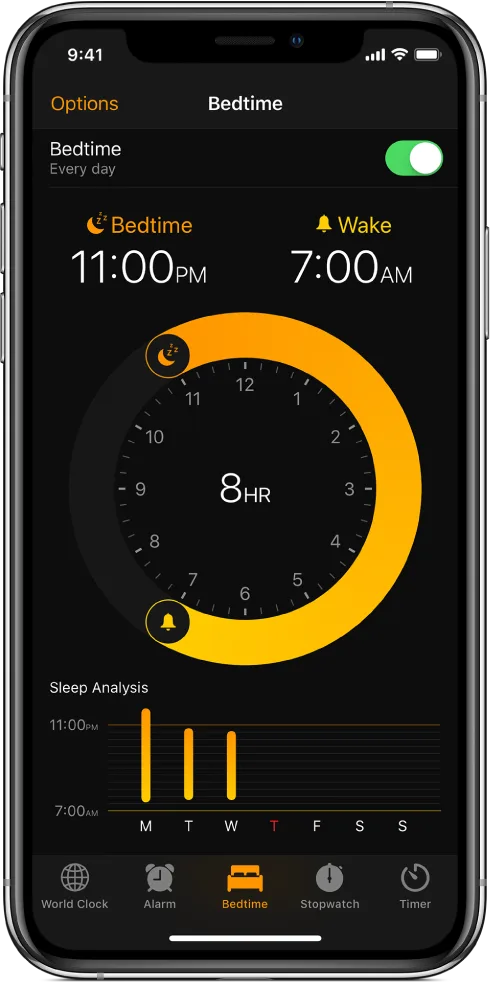
Sleep midpoint is the clock time exactly halfway through your sleep period. Fall asleep at 11 PM, wake at 7 AM, and your midpoint is 3 AM. It's the single best snapshot of your circadian phase.
If your midpoint drifts later across the week, your body clock is shifting, even when bedtime looks stable.
Wake-time variability measures how much your morning wake time swings day to day. Calculate the standard deviation of your wake times across 14 days. Under 30 minutes is tight.
Over 60 minutes suggests your schedule is working against your biology.
Here's a quick example from a two-week log:
| Day type | Bedtime | Wake time | Sleep midpoint |
|---|---|---|---|
| Weekday avg | 11:15 PM | 6:30 AM | 2:52 AM |
| Weekend avg | 12:45 AM | 8:30 AM | 4:37 AM |
| Drift | +90 min | +120 min | +105 min |
That 105-minute midpoint swing tells you more than any nightly score.
Pick Your Tracking Method Before You Compare Anything
Which method should you use to track bedtime and wake times?
It depends on your goal. Use a manual sleep diary if you want awareness and habit change. Use actigraphy if you want objective movement data.
Use both if you're collecting information for a doctor.
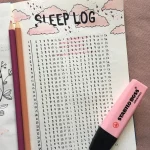
A sleep diary costs nothing and captures context a sensor can't. You record when you got in bed, estimated sleep onset, and morning wake time. The downside is recall bias.
People routinely round bedtime earlier by 20 to 30 minutes.
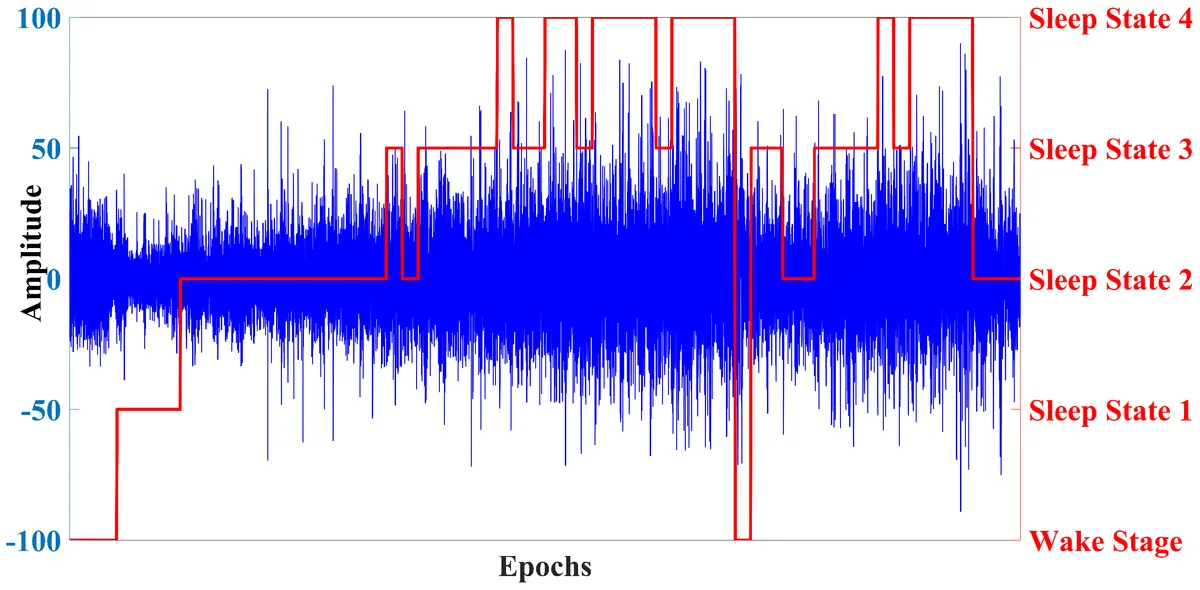
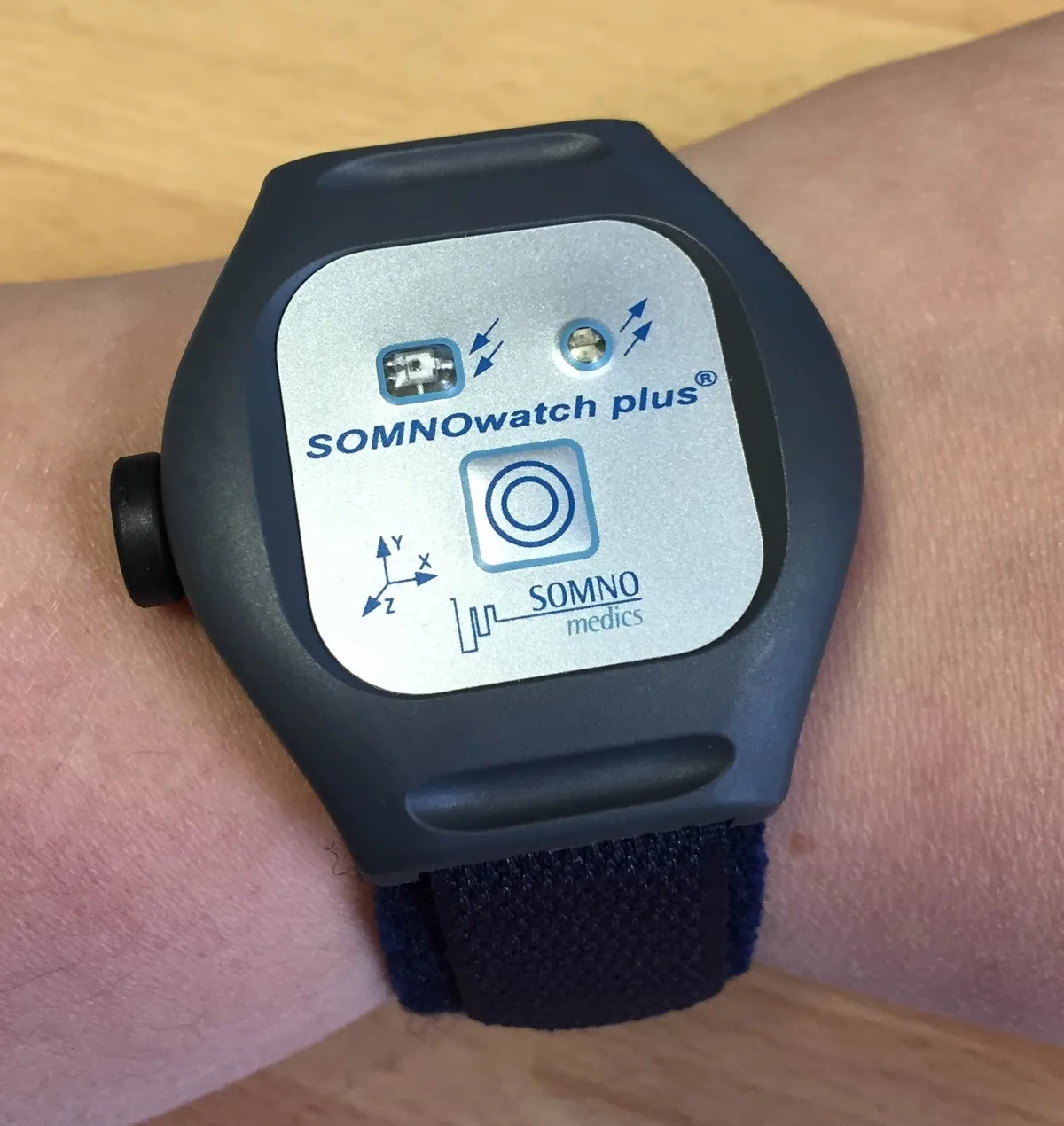
Actigraphy means a wrist-worn accelerometer estimating sleep from movement. The American Academy of Sleep Medicine recognizes it as a legitimate clinical tool, though consumer devices add proprietary algorithms on top. Research shows consumer wearables track sleep duration reasonably well but misjudge sleep stages often.
For comparing bedtimes and wake times, that's fine. Duration and timing are the wearable's strengths.
| Method | Best for | Weakness |
|---|---|---|
| Sleep diary | Context, habits, zero cost | Recall bias |
| Wearable actigraphy | Objective timing, trends | Overestimates sleep, stage errors |
| Phone app | Free backup | Motion detection misses a still partner |
If your comparison will go to a sleep specialist, the CDC's sleep resources recommend keeping a diary alongside any device data. Clinicians trust the context as much as the numbers.
The Step-by-Step Comparison Workflow
This is the part where the decision tree starts. Follow it in order.
Establish a 2–4 Week Baseline Without Changing a Thing
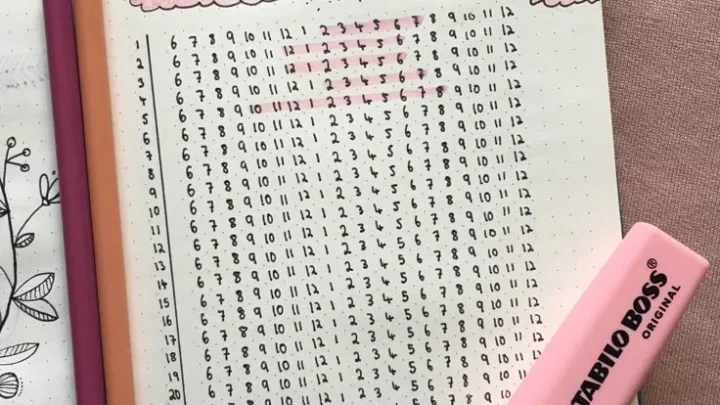
Track for 14 days minimum. Don't "fix" your schedule while logging, or your baseline is fiction. Record bedtime, estimated sleep onset, wake time, and a 1 to 10 morning energy rating.
Fourteen days captures at least two full weekday-weekend cycles, which is the minimum for a fair comparison.
Tag Confounders: Caffeine, Alcohol, Screens, and Stress
Each night, note anything that shifts sleep. Late caffeine, alcohol, intense evening exercise, travel, illness, and stressful days all distort the pattern. Per research in the Journal of Clinical Sleep Medicine, even one evening drink can fragment the second half of the night.
If you skip this step, you'll blame your bedtime for what the wine did.
Use simple tags: C for caffeine after 2 PM, A for alcohol, S for high stress, X for screens in bed.
Normalize Weekend vs. Weekday Data Before Drawing Conclusions
Never average everything into one number. Split your log into two groups first.
- Calculate average bedtime, wake time, and sleep midpoint for weekdays only.
- Do the same for weekends.
- Subtract weekday midpoint from weekend midpoint.
- If the gap exceeds 90 minutes, flag it as social jetlag.
- Then, and only then, look for trends within each group.
If your tagged nights cluster with bad mornings, that's your signal. If they don't, your pattern problem is structural, not behavioral.
What Your Comparison Reveals: Reading the Branches
Now you've got clean data. This is where the decision tree branches. Match your pattern to one of the three below, then act on the matching recommendation.
Social Jetlag: When Your Weekend Wake Time Betrays You
If your weekend sleep midpoint runs 90+ minutes later than your weekday midpoint, you have social jetlag. Your body clock experiences every Monday like a timezone hop. Research from the University of Munich, which coined the term, links larger gaps to higher rates of weight gain and poorer wellbeing scores.
The fix isn't sleeping less on weekends. It's anchoring your wake time. Keep weekend wake times within 60 minutes of weekdays.
If you're badly sleep-deprived, allow one catch-up morning, but pair it with bright morning light so your midpoint doesn't slide.
Chronotype Mismatch: Fighting Your Body Clock at Both Ends
If your sleep midpoint is stable but sits much later than your schedule demands, the issue is chronotype, not discipline. Your chronotype is your genetically influenced preference for morning or evening activity. Roughly 30% of people lean strongly one direction.
Signs you're fighting your type: you feel alert at 11 PM despite exhaustion all day, and you need three alarms to function at 6:30. If that's you, comparing patterns shows a consistent short sleep duration with stable timing. The realistic fixes are shifting your schedule in 15-minute increments earlier, getting bright light within 30 minutes of waking, and dimming lights two hours before target bedtime.
Evening types rarely become morning people. They can shift 30 to 60 minutes with consistent effort.
Sleep Onset Lag: Why Late Bedtime Isn't Always the Real Problem
If your bedtime looks fine but your sleep midpoint is late, check your sleep onset latency. That's the time between getting in bed and actually falling asleep. Healthy latency runs 10 to 20 minutes. If you consistently take 45 minutes or more, your time in bed and time asleep are diverging.
Here's the decision branch: if latency is long but you fall asleep fine on weekends, you've got conditioned arousal from weekday worry. If latency is long everywhere, your bedtime is simply earlier than your body clock wants. In that case, push bedtime later for a week and watch your total sleep time.
Counterintuitive, but it often increases.
Common Mistakes That Skew Your Comparison
Even people who log faithfully misread their own data. These are the errors we see most often, and each one has a specific fix.
Orthosomnia and Over-Trusting Device Sleep Scores
Orthosomnia is the anxiety that comes from chasing perfect sleep data. Researchers coined the term after noticing some patients whose trackers showed "bad sleep" actually slept normally when tested clinically. The score on your wrist is an estimate, not a diagnosis.
If a low score keeps you up worrying, ignore the score entirely and track only timing. Bedtime and wake time are the two data points devices get right most often. Sleep stages are where the algorithms guess.
Comparing Raw Data From Different Devices
Don't compare your Oura ring to your partner's Garmin and draw conclusions from the gap. Different manufacturers use different definitions of sleep onset, and their algorithms disagree by 15 to 45 minutes on the same night. Editorial analysis of validation studies shows this consistently across brands.
Pick one device, or one diary, and stick with it for the full comparison window. If you switch tools mid-stream, restart your 14-day baseline. Mixed-source data is worse than no data because it looks scientific while meaning nothing.
One more trap: adjusting your schedule during the baseline. If you "fix" things in week two, your comparison compares two different experiments. Log first, change later.
When a Comparison Points to Something Medical
Most pattern problems are behavioral. Some aren't. Here's where the decision tree gets serious.
If your comparison shows stable bedtimes but wake times drifting earlier and earlier, and you're over 50, that pattern can signal advanced sleep phase disorder. Talk to a sleep specialist rather than forcing later bedtimes.
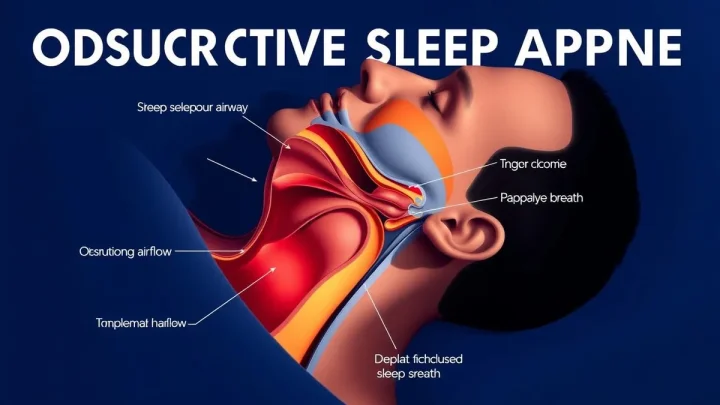
If your logged sleep time looks adequate but your energy ratings stay low, suspect a quality problem your comparison can't see. Conditions like obstructive sleep apnea fragment sleep without changing your bedtime or wake time at all. Roughly 30 million American adults have it, and many are undiagnosed, per CDC estimates.
If your sleep onset latency exceeds 45 minutes for more than a month, or you're waking repeatedly through the night, that meets the general threshold for clinical insomnia. Cognitive behavioral therapy for insomnia (CBT-I) is the first-line treatment, not medication.
Consumer wearables are not medical devices. As of 2026, most still lack FDA clearance for diagnosing sleep disorders, so never hand a sleep score to a doctor as evidence. Do hand over your diary and raw timing data.
That context is exactly what clinicians want. The American Academy of Sleep Medicine maintains a searchable directory if your pattern suggests it's time for a professional evaluation.
Frequently Asked Questions
How long should I track before comparing patterns?
Two weeks minimum, four is better. You need at least two full weekday-weekend cycles to separate routine sleep from catch-up sleep. Anything shorter overweights a single bad night and makes normal variability look like a trend.
What's a normal amount of day-to-day wake-time variation?
A standard deviation under 30 minutes is healthy. Between 30 and 60 minutes is workable but worth tightening. Over 60 minutes of swing usually means your wake time is dictated by circumstance rather than a stable body clock, which compounds fatigue over weeks.
Should I compare bedtime and wake time separately or together?
Together, through the sleep midpoint. Comparing them separately hides the relationship between the two. A 10:30 bedtime with a 6:30 wake time and an 11:30 bedtime with the same wake time produce identical midnights of data but very different sleep totals.
The midpoint captures both in one number.
Do I need a wearable to do this comparison?
No. A paper diary or phone note records everything you need: bedtime, estimated sleep onset, and wake time. Wearables add objectivity and catch nights you'd misremember, but they also overestimate sleep when you lie still.
A diary costs nothing and never runs out of battery.
Why does my weekend sleep look worse if I'm sleeping more?
Longer isn't the same as well-timed. Sleeping until 9 AM Saturday shifts your circadian phase later, so Sunday night you're not sleepy at your usual bedtime. That's social jetlag.
The extra hour feels good in the moment and costs you two hours of rhythm alignment afterward.
Can I compare my sleep data with my partner's?
Only casually. Different devices and different bodies produce different baselines, so a direct number comparison misleads. Instead, compare patterns: who has more wake-time variability, whose midpoint drifts on weekends.
Pattern differences are meaningful. Raw number differences usually just reflect sensor disagreement.

Similar Posts