How to Choose Sleepwear for Any Room Temperature
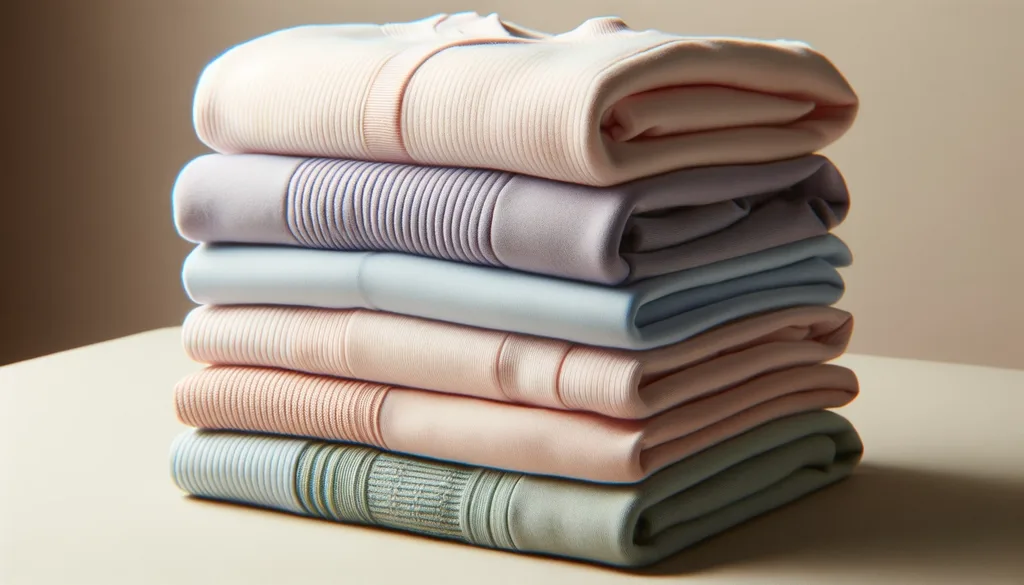
Waking up sweaty at 3 a.m. isn't a bedding problem. It's usually a clothing problem. Most people grab the same pajamas year-round and wonder why they can't sleep.
Figuring out how to choose sleep clothing for the room temperature fixes that fast, and it costs nothing.
Your body needs to drop about 1 to 2°F in core temperature to fall asleep properly. Sleep researchers consider roughly 60 to 68°F the ideal bedroom range, but almost nobody sleeps in a perfectly controlled room. So we built this guide around a simple decision tree: check your room, know your sleeper type, then match fabric and coverage to both.
Quick Answer
How to choose sleep clothing for the room temperature: measure your actual bedroom temperature, then match fabric and coverage to it. Above 75°F, wear minimal, moisture-wicking clothing. Between 68 and 75°F, lightweight cotton or bamboo works well.
Below 60°F, layer thin fabrics instead of one thick one.
Why the Wrong Sleep Clothes Are Wrecking Your Nights
Here's the thing most people miss: your body doesn't sleep based on the season. It sleeps based on the temperature of the air right around you. A drafty bedroom in March can hit 58°F.
A closed-up apartment in July can sit at 78°F. Same body, completely different needs.
When your sleepwear traps heat, your core temperature stays elevated. That delays sleep onset and triggers the micro-wakings you might not even remember. Research on thermoregulation and sleep onset keeps pointing to the same conclusion: a falling core temperature is one of the body's strongest signals to sleep.
The reverse hurts too. Cold sleep clothing makes your body work to warm itself, which fragments deep sleep. Cold feet in particular delay sleep onset, which is why sleep socks show up in study after study.
The fix isn't buying more pajamas. It's matching what you wear to what your thermometer says.
Step 1: Know Your Room's Real Temperature (And Your Sleeper Type)
Check the actual bedroom temperature, not the thermostat downstairs. Hallways, upstairs rooms, and rooms over garages routinely run 3 to 5 degrees off from the main thermostat. A cheap digital thermometer on the nightstand settles the debate in one night.
Then identify your sleeper type, because it shifts every recommendation below.
- Hot sleepers radiate heat and often wake damp. They should drop one full coverage level from whatever the chart says.
- Cold sleepers start with cold feet and burrow under blankets. They should add one layer or coverage level.
- Mixed or average sleepers follow the chart as written.
Humidity matters too. In humid conditions, moisture-wicking fabric becomes non-negotiable, because sweat has nowhere to evaporate. In dry climates, insulation matters more than wicking.
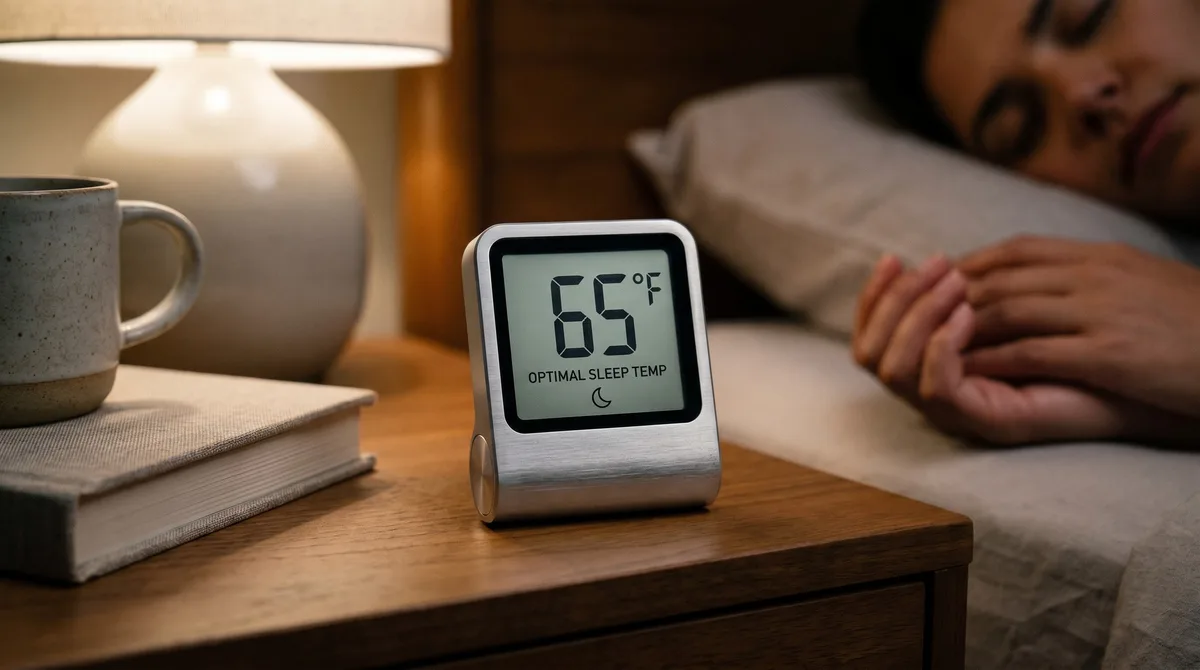
If you're unsure which type you are, track it for three nights. Sweaty back or damp hair means hot. Cold feet and layered blankets means cold.
That's all the data you need.
The Decision Guide: What to Wear at Every Temperature Band
This is the core of how to choose sleep clothing for the room temperature. Find your band, then follow the if/then logic.
| Room temp | Coverage | Best fabrics | Skip |
|---|---|---|---|
| Above 75°F | Shorts and tank, or minimal | Bamboo viscose, lightweight linen | Polyester, flannel |
| 68 to 75°F | T-shirt and shorts | Cotton jersey, bamboo, modal | Fleece, thick knits |
| 60 to 68°F | Long sleeve and pants | Cotton, waffle-knit blends | Heavy fleece unless you run cold |
| Below 60°F | Long layers plus socks | Flannel, merino wool, thermal knits | Cotton alone as your only layer |
A few if/then rules worth memorizing:
- If the room swings hot and cold overnight, dress in thin layers you can shed without fully waking.
- If your feet are always cold, add socks before adding pants. Warm feet relax blood vessels and help your core temperature drop faster.
- If you sweat at night even in light clothing, the problem is fabric, not coverage. Move to a wicking material.
- If you share a bed with someone at a different temperature, solve it with individual clothing choices, not one thermostat setting.
Fabric Face-Off: What Actually Works and What Doesn't
Fabric choice is where most people get tripped up, because marketing labels lie. "Breathable" means nothing without the fiber behind it. Here's what the material science actually shows.

- Cotton is soft and cheap, but it absorbs sweat and holds it. Fine in dry, mild rooms. Miserable for night sweats.
- Bamboo viscose wicks moisture well and feels cool to the touch. It's our top pick for warm rooms, though it wears out faster than cotton.
- Merino wool regulates temperature better than almost anything. It insulates when cold and releases heat and moisture when warm. Per manufacturer specifications, fine merino (17 to 19 microns) eliminates the itch problem of old-school wool.
- Silk is lightweight and temperature-neutral but delicate and pricey. Best for people who sleep in stable rooms.
- Polyester and microfiber wick fast but trap heat in still air. They also hold odor. Good for damp climates, risky for hot sleepers.
- Modal sits between cotton and bamboo: soft, slightly cooler, holds shape well.
In our research, the biggest single upgrade for sweaty sleepers is swapping cotton for a wicking fabric like bamboo or merino. The biggest upgrade for cold sleepers isn't a thicker fabric. It's layering two thin ones, which traps insulating air you can adjust at 2 a.m. without thinking.
Night Sweats, Couples, and Babies: Special Situations
Hot Sleepers and Night Sweats
If you soak through pajamas regularly, start with fabric, not coverage. Cotton is the worst offender because it holds sweat against your skin. Swap to bamboo viscose or merino, which move moisture off your body and dry fast.
If menopause or medication causes the night sweats, keep a dry spare shirt on the nightstand. Aggregate user reviews consistently report that mid-night shirt swaps beat any single "cooling" fabric. Sleeping naked sounds like the obvious fix, but it can backfire.
Once sweat sits on bare skin with no fabric to wick it, evaporative cooling stops and chills follow.
When You and Your Partner Disagree
Don't fight over the thermostat. Fight over clothing instead. The hot sleeper wears a bamboo tee and shorts while the cold sleeper adds flannel pants and socks in the same 68°F room.
Then split the bedding. Separate blankets (the "Scandinavian sleep method") end the blanket tug-of-war instantly. Each person controls their own insulation without touching the other's.
Safe Sleepwear for Babies (Don't Skip This)
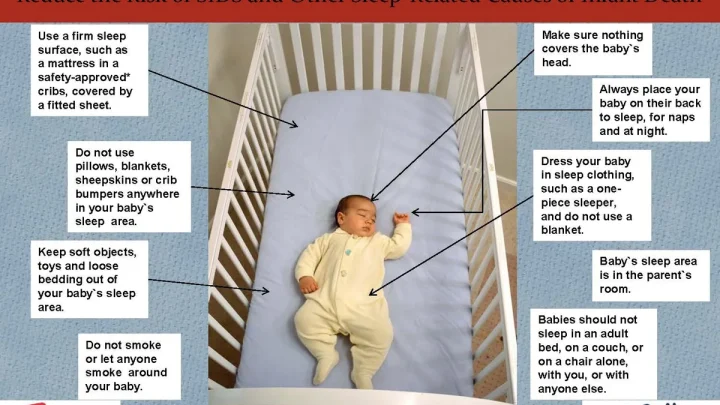
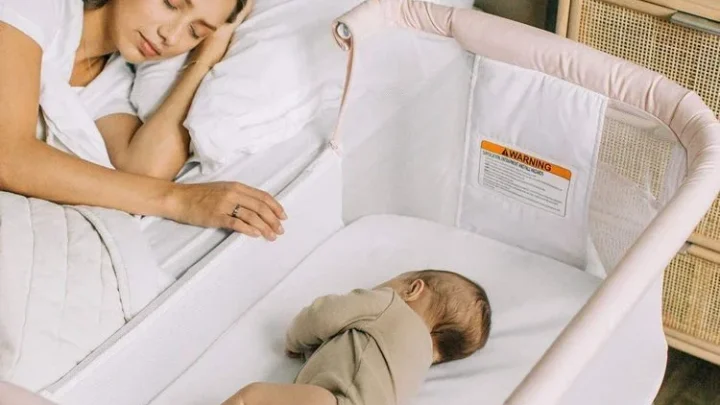
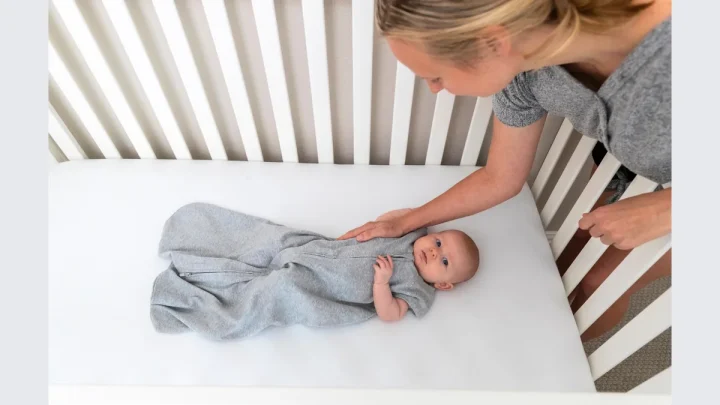
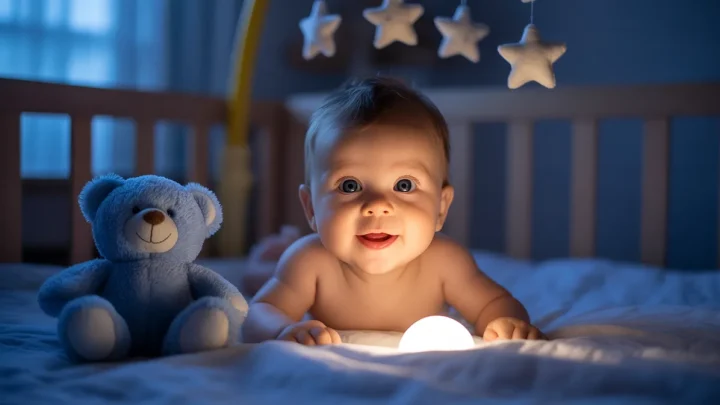
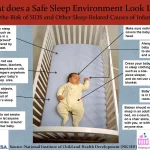
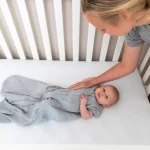
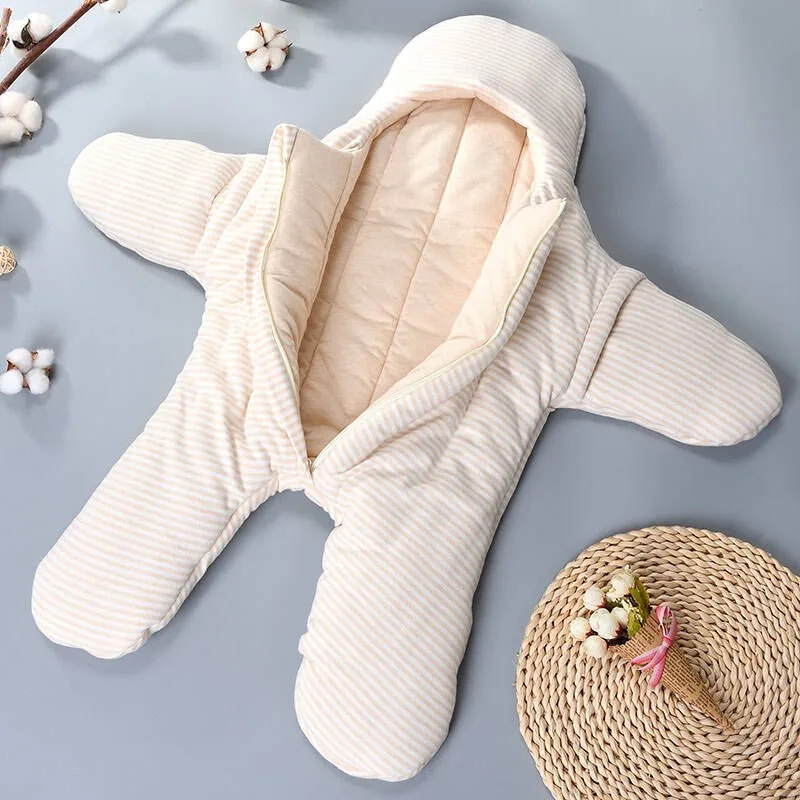
Babies can't kick off layers or tell you they're hot, so this is a different decision entirely. Follow the American Academy of Pediatrics guidance: no loose blankets, no thick pajamas, no hats indoors. Overheating is a recognized risk factor for infant sleep safety.
Use a wearable blanket or sleep sack with a TOG rating instead. Per the official labeling system, 0.2 TOG suits rooms above 75°F, 1.0 TOG fits 68 to 74°F, and 2.5 TOG handles rooms below 64°F. Check the neck or chest, not hands and feet, since baby hands run cold naturally.
As of 2026, TOG ratings remain the most reliable spec printed on infant sleepwear packaging.
The U.S. Consumer Product Safety Commission also regulates children's sleepwear flammability, so buy garments labeled as sleepwear rather than relying on loose-fit regular pajamas for kids.
7 Mistakes That Keep You Too Hot or Too Cold
These are the errors we see over and over in sleep forums and buyer reviews.
- Dressing for the season, not the room. That's the number one mistake. Your bedroom in January might be warmer than your bedroom in June if heating runs hot.
- Buying cotton for night sweats. It soaks up sweat and stays wet. It's the single most common wrong-fabric choice.
- Wearing one thick layer instead of two thin ones. You can't shed a thick fleece at 2 a.m. without waking up.
- Ignoring humidity. In a humid room, moisture-wicking fabric isn't optional. Cotton becomes a wet rag at 50%+ relative humidity.
- Skipping socks when cold. Cold feet constrict blood vessels and delay your core temperature drop. Socks fix that for about $5.
- Choosing tight synthetic clothing. Compression-style pajamas trap heat and restrict airflow. Loose fits trap warm air the good way.
- Letting bedding compensate for bad clothing. If you pile on blankets to fix cold feet, you overheat your torso by 3 a.m. Fix the clothing first.
One bonus trap: flame-resistant children's sleepwear treated with chemicals isn't the only option. Snug-fitting cotton pajamas meet federal flammability rules without chemical treatment, which matters to plenty of parents.
FAQs
What should I wear to bed if my room is 70 degrees?
A lightweight cotton or bamboo t-shirt with shorts hits the sweet spot at 70°F. If you run hot, go tank top and shorts instead. Cold sleepers can add thin long pants without overheating.
Is it better to sleep in cotton or bamboo pajamas?
Bamboo viscose wins for warm or humid rooms because it wicks moisture and dries faster. Cotton wins for dry, mild rooms thanks to softness and durability. If you sweat at night, choose bamboo or merino over cotton every time.
Does sleeping naked help you stay cool?
Only in dry rooms with good airflow. In humid rooms or under heavy bedding, sweat pools on bare skin with nothing to wick it, so you get clammy then chilled. Light, wicking clothing usually outperforms sleeping naked for hot sleepers.
What TOG sleep sack should my baby wear?
Match the TOG to room temperature: 0.2 for above 75°F, 0.5 for 72 to 75°F, 1.0 for 68 to 74°F, and 2.5 for below 64°F. Pair the sleep sack with minimal clothing underneath. Feel the baby's chest or back to check for overheating.
How do I stop waking up sweaty at night?
First, drop one coverage level and switch to a wicking fabric like bamboo or merino. Second, check whether the room climbs overnight and crack a window or run a fan. If sweating persists despite both changes, talk to a doctor, since night sweats can signal underlying conditions.
Are thermal pajamas worth it for winter?
Yes, if your bedroom drops below 60°F or your heat shuts off overnight. Merino or waffle-knit thermals insulate without the bulk of fleece. Above 64°F, they're usually too warm and plain long-sleeve cotton does the job.
Your One-Week Action Plan
Don't overhaul your sleepwear drawer in one trip. Run this seven-night test instead.
- Nights 1 and 2: Measure your bedroom temperature at bedtime and again at 3 a.m. Note your sleeper type from the earlier checklist.
- Night 3: Match your outfit to the decision table above. Change nothing else about your bedding.
- Nights 4 and 5: Adjust one variable only. Sweaty? Drop coverage or switch fabric. Cold feet? Add socks.
- Nights 6 and 7: Lock in your winning combination and note it by temperature band.
That's the whole system. Check the thermometer, apply the if/then logic, and adjust one thing at a time. Your body will tell you within a week what works, and you'll never buy the wrong pajamas again.

Similar Posts