How to Dress Baby for Sleep Without Overheating
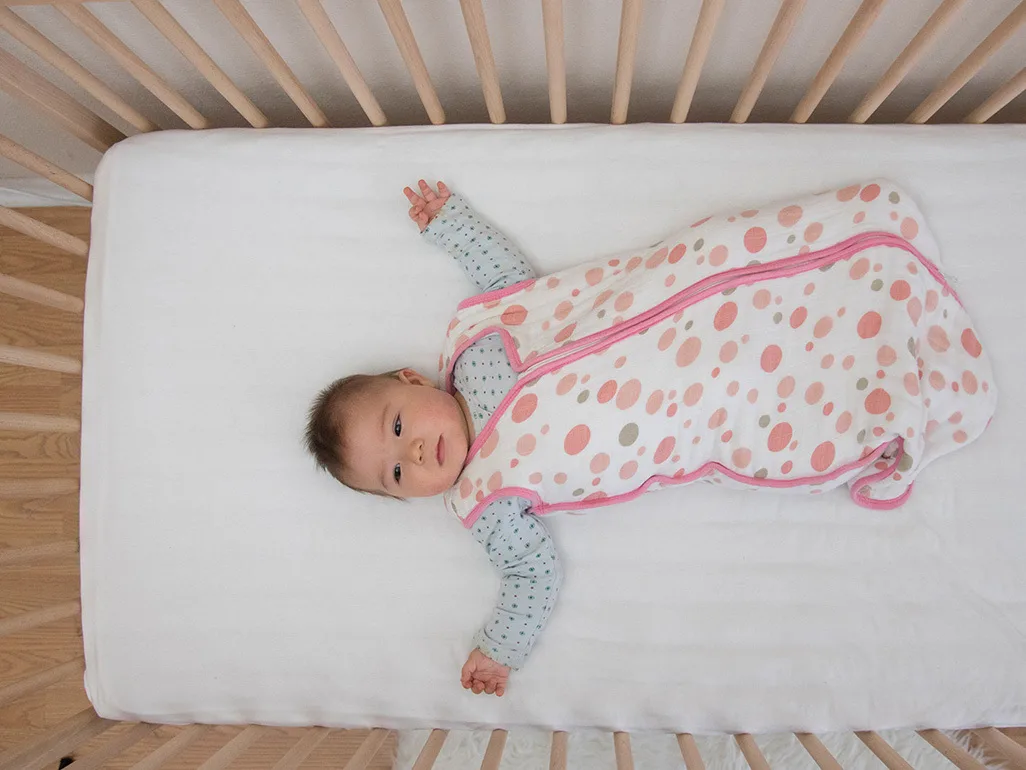
Most parents dress their babies too warm for sleep, not too cold. If you're worried about how to dress baby for sleep without overheating, the safest approach is simple: dress your baby in one light layer more than you'd wear, or skip even that if the room runs warm. Overheating is a real risk factor for SIDS, so erring cool is the right call.
The science backs this up. Research reviewed by the American Academy of Pediatrics links an overheated sleep environment to an elevated SIDS risk, and the NIH Safe to Sleep campaign recommends keeping a baby's room between roughly 68 and 72°F (20 to 22°C). Below, we'll break down exactly how to layer for sleep in any season.
Why Overheating During Sleep Is a Real Risk (Not Just a Comfort Issue)
Here's what makes this topic worth taking seriously. Studies reviewed by the AAP show that babies who overheat during sleep face a higher risk of SIDS. A baby's temperature regulation system is still immature.
They can't kick off layers or move to a cooler spot like you can.
There's a cultural trap here, too. Grandparents and well-meaning relatives often insist babies need heavy blankets, hats, and bundled layers. That advice comes from an era before safe sleep research.
As of 2026, the guidance is clear: bare crib, baby on their back, and no hats or loose bedding for the first 12 months.
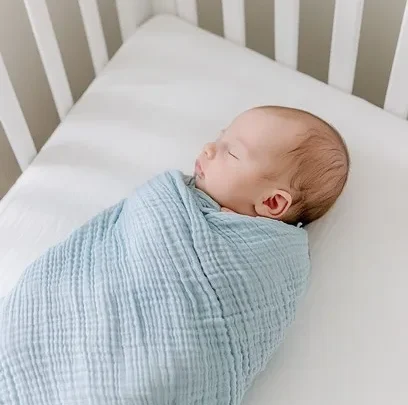
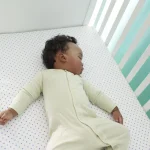
The goal isn't a baby who's toasty. It's a baby whose chest feels comfortably warm and whose body temperature stays steady all night.
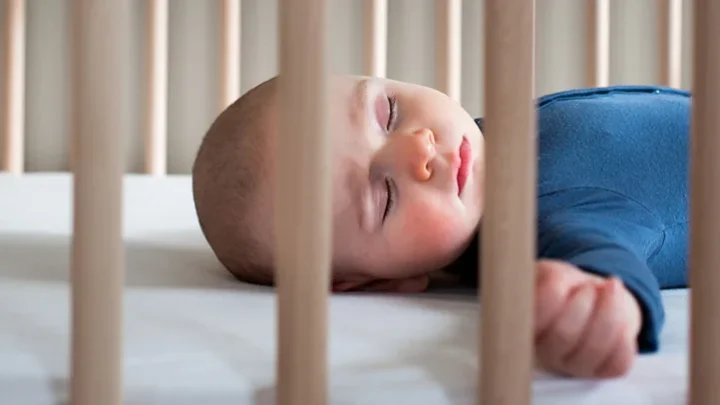
Image source: Web (Bing) / babycenter.com
The Quick Answer: Dress Baby in One Light Layer Less Than You'd Think
How to dress baby for sleep without overheating comes down to three checks. Keep the room between 68 and 72°F. Match clothing layers to that temperature, starting with a onesie or light sleeper.
Then touch the back of the neck or chest to confirm the baby feels warm but not sweaty.
The old "one more layer than you" rule overstates it. In our research, pediatric safe-sleep guidance trends the other way. An adult sleeping in that same room under a blanket typically needs one layer.
A baby in a sleep sack doesn't need much more, and often needs the same.
Quick baseline formula:
- Room at 70°F or above: onesie or light cotton sleeper only
- Room at 68 to 72°F: onesie plus a 1.0 TOG sleep sack
- Room below 68°F: sleeper plus a warmer (2.5 TOG) sleep sack
If you're ever torn between two options, pick the cooler one. Babies wake up and cry when they're cold. They often don't when they're too hot.
That asymmetry matters.
How TOG Ratings and Room Temperature Work Together
TOG stands for "thermal overall grade." It's a measure of a fabric's insulation, and sleep sack manufacturers use it so you can match the sack to your room temperature. A low TOG means breathable and light. A high TOG means warm.
Here's the standard pairing chart that manufacturers publish, and it holds across major brands.
| Room Temperature | Recommended TOG | What Baby Wears Underneath |
|---|---|---|
| Above 75°F (24°C+) | 0.2 | Onesie or diaper only |
| 72 to 75°F (22 to 24°C) | 0.5 | Short-sleeve bodysuit |
| 68 to 72°F (20 to 22°C) | 1.0 | Cotton footed sleeper |
| 64 to 68°F (18 to 20°C) | 2.5 | Onesie plus sleeper |
| Below 64°F (18°C) | 2.5 | Onesie, sleeper, warmer sack |
Two things trip parents up. First, don't double up on TOG. A 1.0 TOG sack over a thick fleece sleeper is a common overheating mistake.
Second, buy a cheap room thermometer. Your sense of temperature upstairs at 2 a.m. is unreliable, especially if your heating is uneven.
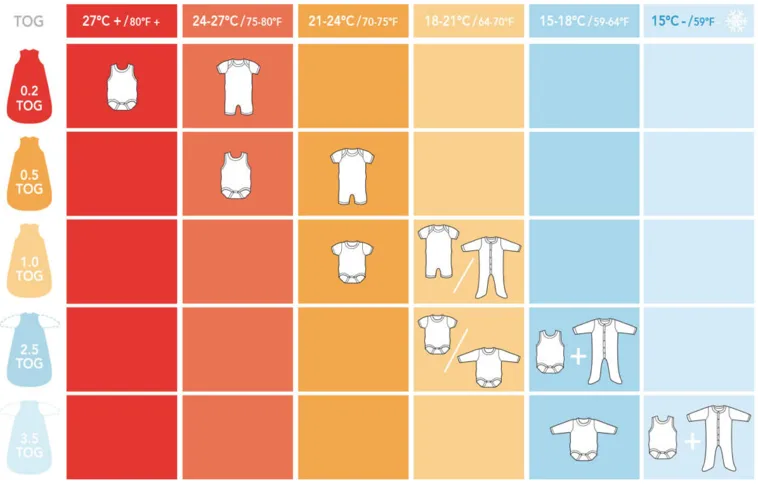
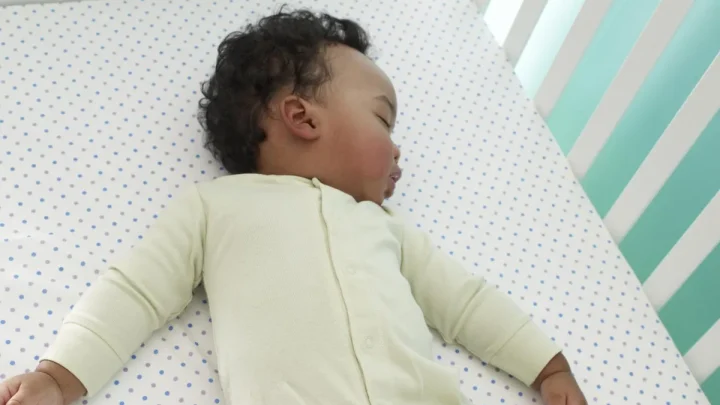
Image source: Web (Bing) / cuddlesprouts.com
Fabric matters as much as the number. Cotton and muslin breathe well. Bamboo viscose wicks moisture.
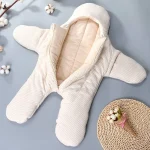
Merino wool regulates temperature across a wide range, which is why manufacturers cite it for both warm and cool rooms. Avoid fleece and heavy polyester, which trap heat against the skin.
Step-by-Step: How to Dress Your Baby for Sleep at Any Temperature
Follow this sequence every night and you won't need to guess. It takes about two minutes.
- Check the room temperature. Use a thermometer in the nursery, not one from the hallway. Note the number.
- Pick the TOG rating. Match it to the chart above. No sleep sack? Use the same logic: lighter layers for warmer rooms.
- Start with the base layer. A cotton onesie or light sleeper is the default. Skip socks and hats indoors.
- Add or remove based on the season. If it's below 68°F, add a warmer sleep sack or a slightly thicker sleeper. Above 75°F, drop to a bodysuit.
- Do the neck check 30 minutes after you put baby down. Feel the back of the neck or the upper chest.
- Adjust tomorrow if needed. Sweaty neck means one layer less. Cool chest means one layer more.
Then vs. what to do:
| Touch Check Result | What It Means | What to Do |
|---|---|---|
| Warm chest, not sweaty | Just right | Change nothing |
| Sweaty or clammy neck | Too hot | Remove a layer, lighten the TOG |
| Cool chest, not just hands/feet | Too cold | Add one light layer |
One more point on if/then logic: if your baby is sick, running a fever, or just had vaccines, drop a layer. A feverish baby bundled in a 2.5 TOG sack can overheat fast. Then check on them at your next feeding and adjust.
Signs Your Baby Is Too Hot (And What to Check Instead of Hands and Feet)
This is where most parents go wrong. Babies' hands and feet run cool naturally because their circulation is still developing. Cold hands do not mean a cold baby.
Checking there leads people to pile on layers.
Check the back of the neck or the upper chest instead. That's the reliable signal.
Warning signs of overheating:
- Sweaty or clammy neck, back, or hairline
- Flushed or red cheeks
- Damp hair
- Heat rash (small red bumps on the neck, chest, or folds)
- Rapid breathing
- Unusual restlessness or, conversely, unusual deep sleepiness
If your baby is sweating, act right away. Remove a layer and re-check in 20 to 30 minutes. If rapid breathing comes with lethargy, poor feeding, or unresponsiveness, that's a call your pediatrician, not a clothing adjustment.
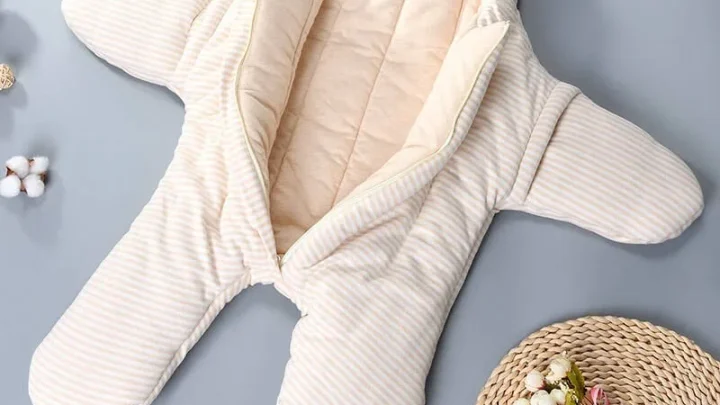
Image source: Web (Bing) / swaddlean.com
The touch check is the best tool you have because it accounts for everything at once: room temperature, clothing, TOG, and your baby's own physiology. Manufacturer charts are starting points. Your baby's neck tells you the truth.
Swaddle vs. Sleep Sack vs. Pajamas: Picking the Right Setup by Age
The right setup depends almost entirely on your baby's age and development stage. Here's the breakdown.
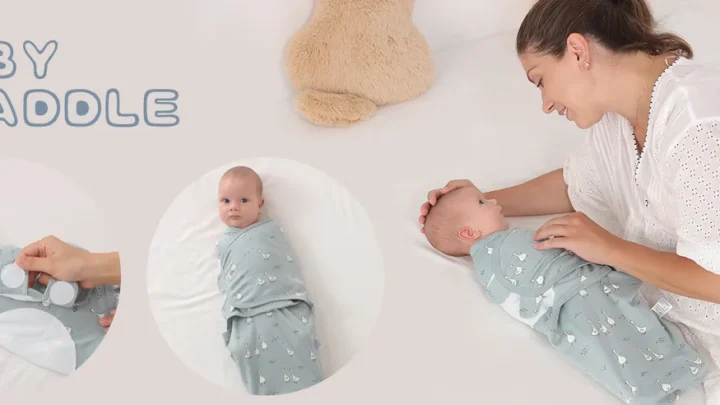
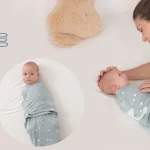
Swaddles (0 to about 8 weeks). A swaddle recreates the womb and calms the startle reflex. Keep it snug at the arms and loose at the hips, per hip-healthy swaddling guidance. If/then rule: if your baby shows any sign of rolling, stop swaddling that same night.
Swaddled arms-out rolling is a suffocation risk.
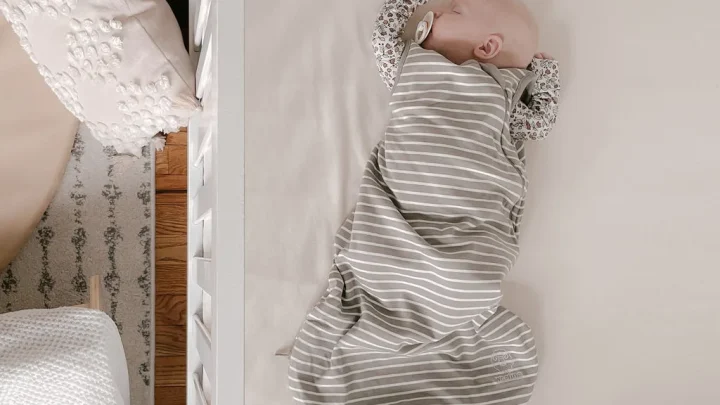
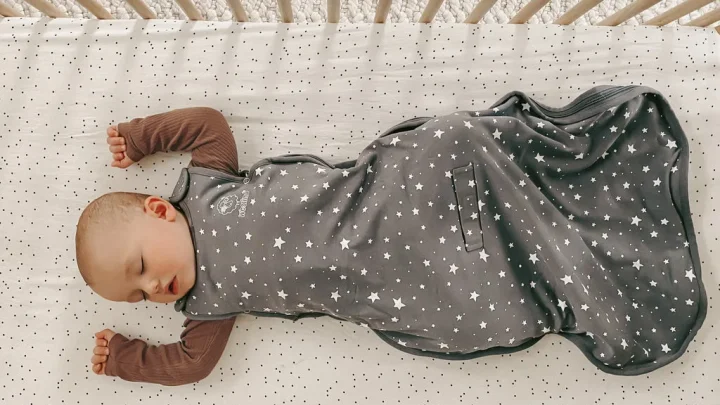
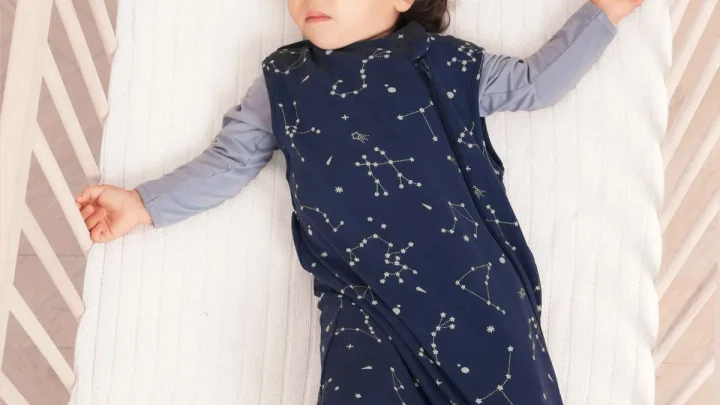
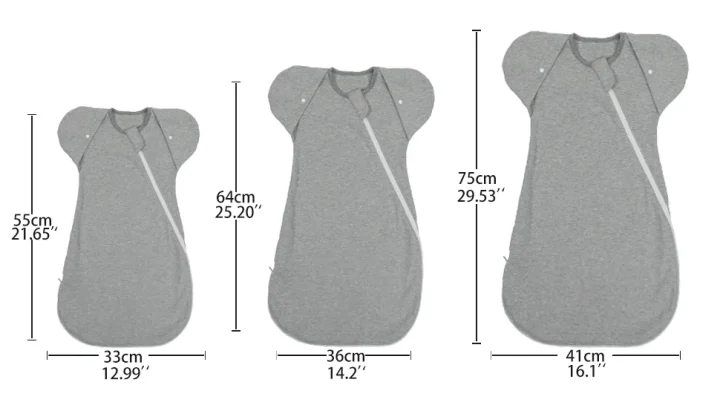
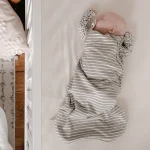
Sleep sacks (8 weeks through toddlerhood). Also called wearable blankets, these zip over whatever base layer your baby wears. They give warmth without anything loose in the crib. This is the default choice for most of your baby's first two years.
Footed pajamas alone (any age, warm rooms). In rooms above 72°F, a cotton footed sleeper with no sack is often plenty. Sleep sacks shine at night feeds because the inverted zipper lets you change a diaper without fully waking the baby.
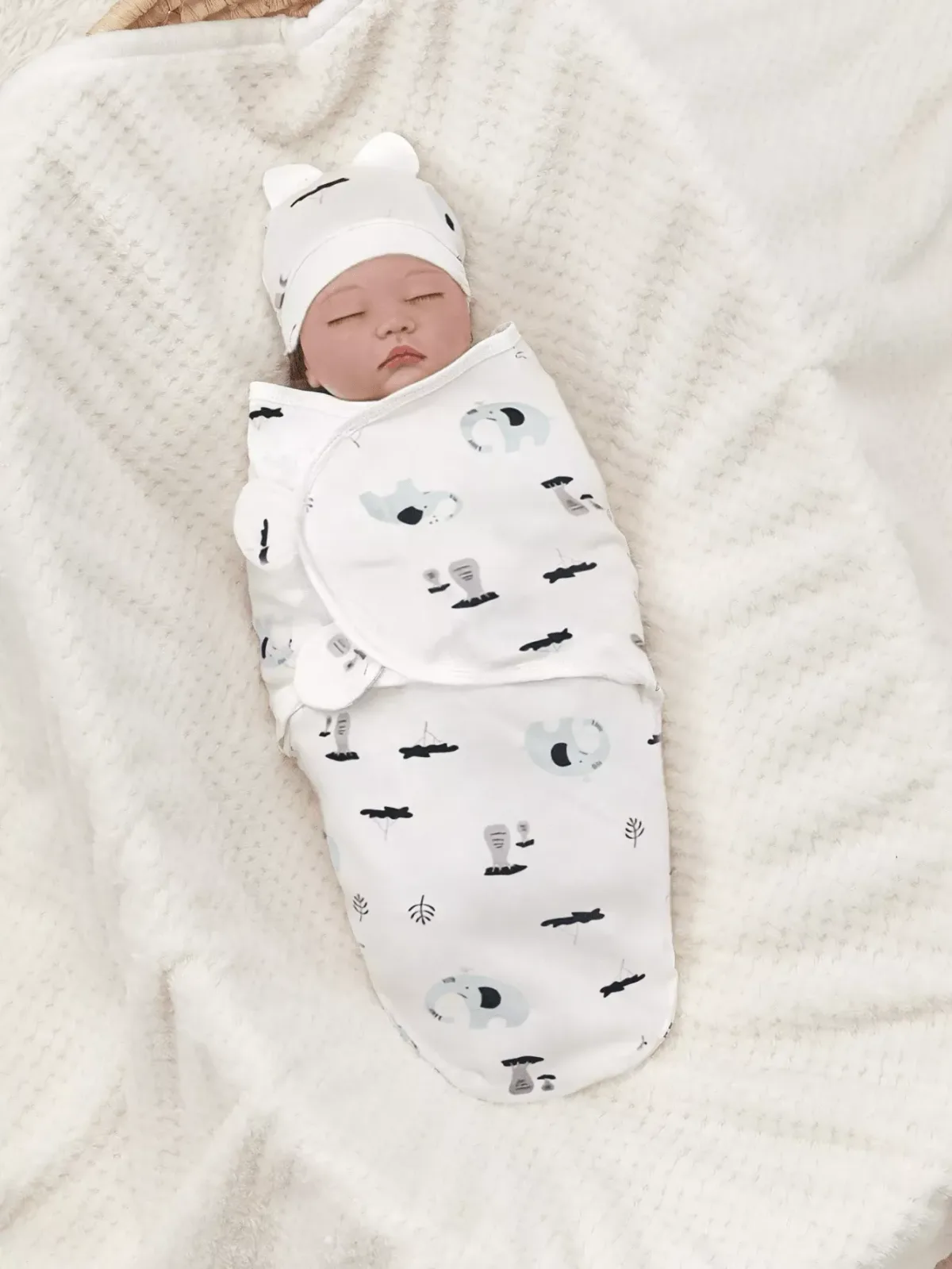
Image source: Bing (Web)
One setup to avoid entirely: weighted sleepwear. The American Academy of Pediatrics advises against weighted blankets, swaddles, and sleep sacks for infants, and the CPSC has flagged these products. Extra weight on a small chest adds risk without adding benefit.
Sleep Dressing Mistakes That Put Babies at Risk
These come up again and again, and most are easy fixes once you know them.
- Hats indoors. Babies release heat through their heads. A sleep hat traps it. No hats indoors, ever.
- Loose blankets in the crib. Safe until 12 months? No. The AAP says nothing loose before the first birthday. A sleep sack replaces the blanket entirely.
- Fleece footed pajamas plus a 2.5 TOG sack. This combo is the classic winter overheating setup. Fleece adds insulation on its own, so pair it with a lighter sack or nothing.
- Dressing based on your own comfort. You're moving around. Your baby isn't. Also, adults who run cold tend to overdress their babies.
- Skipping the thermometer. "The room feels fine" fails in upstairs nurseries with uneven heat. A $10 thermometer removes the guesswork.
- Layering for the daytime temperature. Rooms drop 5 to 10°F overnight. Dress for 3 a.m., not bedtime.
One more troubleshooting tip for cold-climate parents: if the nursery runs below 64°F and your baby still feels cool at the chest, add a thin merino base layer before upgrading the sack. It regulates better than stacking fleece.
Baby Sleep Clothing FAQs
Should I wake my baby to check if they're too hot?
No. Do the neck check during a natural night waking or feeding instead. If your baby is breathing normally and sleeping peacefully, let them sleep.
That's also a good sign they're not overheated.
Can my baby sleep in just a diaper in hot weather?
Yes, if the room is above 78°F or so. A diaper or diaper cover alone is fine for extreme heat. Run a fan pointed away from the crib and check the neck more often during heatwaves.
When should I stop swaddling?
Stop at the first sign of rolling, which can happen as early as 8 weeks. Some babies roll before the classic 3 to 4 month window. After that, switch to an arms-out sleep sack immediately.
How do I know if my baby is too cold at night?
Check the chest or back of the neck, not the hands. A cool chest or pale, blotchy skin means too cold. Add one light layer.
Frequent night waking with crying can also point to chill.
Is a fan in the nursery safe for sleep?
Yes, and research suggests it helps. Keep the fan on a dresser or wall mount, aimed away from the crib so it circulates air without blowing directly on your baby.
Do premature babies need different sleep clothing?
They do. Preemies regulate temperature even less effectively than full-term infants, so ask your pediatrician for specific guidance. Default to one extra light layer and more frequent neck checks until your doctor says otherwise.

Similar Posts