Why Baby Sleep Changes During Developmental Milestones
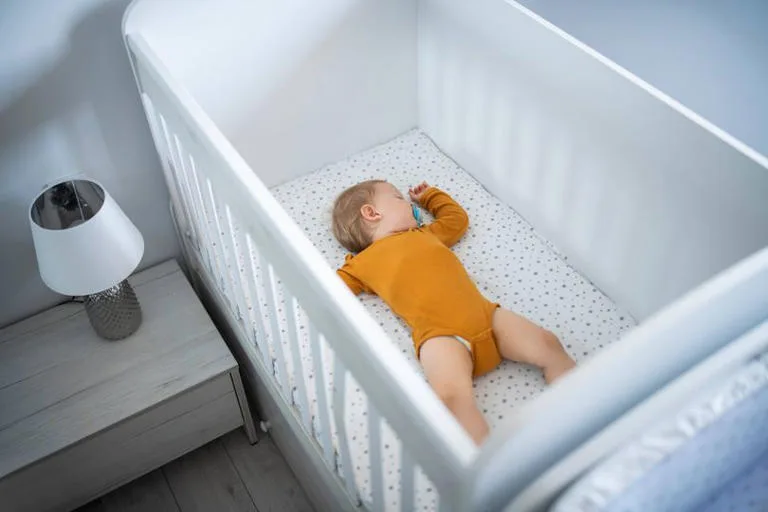
Your baby was sleeping decently, and now they're waking every two hours like a newborn again. Understanding why baby sleep changes during developmental milestones takes the panic out of those weeks. The short version: your baby's brain and body are leveling up, and sleep pays the construction bill.
These disruptions are called sleep regressions, and they cluster around big leaps like rolling, crawling, and separation awareness. The American Academy of Pediatrics notes infants aged 4 to 12 months need 12 to 16 hours of total sleep daily, but hitting milestones can temporarily scramble that total. Below, we'll break down what's happening and what actually helps.
Why Baby Sleep Suddenly Falls Apart During Developmental Milestones (Quick Answer)
Baby sleep changes during developmental milestones because the brain is forming new neural connections and the body is rehearsing new skills. Waking gives babies chances to practice rolling, crawling, or standing. New awareness, like object permanence and separation anxiety, also makes babies seek reassurance at night.
Most regressions last two to six weeks. The 4-month change is the exception, because it's a permanent maturation of sleep cycles.
The Core Science: How Milestones Rewire Baby Sleep (4-Month Regression, Sleep Cycles, and Cognitive Leaps)
Here's the mechanism, in plain terms. Newborns slide straight into deep sleep, so they sleep fairly solidly in short stretches. Around 4 months, that changes for good.
Baby sleep cycles mature into adult-style architecture, cycling through light and deep stages roughly every 45 to 60 minutes. Each cycle ends with a brief partial waking. Adults roll over and forget it.
Babies who can't self-settle yet cry out for help. That's why the 4-month regression never fully "goes away." It's a permanent upgrade, not a phase.
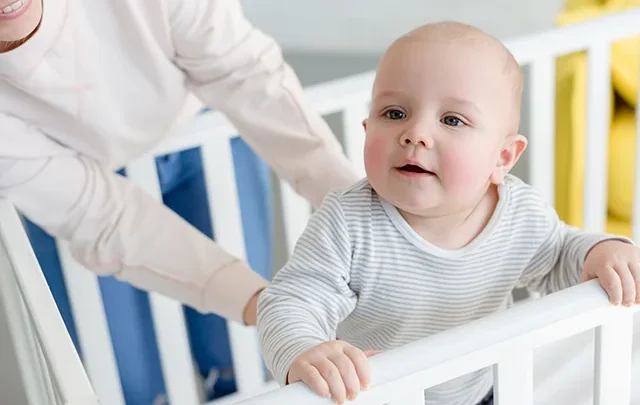
Motor milestones add a second layer. Once a baby learns to roll, crawl, or pull to stand, the brain rehearses those skills during light sleep. You'll find a baby standing in the crib at 2 a.m., crying because they haven't figured out how to sit back down.
That's practice, not pain.
Cognitive leaps matter too. Around 6 to 9 months, object permanence develops. Your baby now understands you exist even when you leave the room.
Add separation anxiety, which typically peaks between 10 and 18 months, and night wakings become emotional as well as neurological.

What's Actually Happening at Each Major Regression
| Age | Milestone driving it | What you'll see |
|---|---|---|
| 4 months | Sleep cycle maturation | Frequent wakings, short naps, permanent change |
| 6 months | Sitting, object permanence beginning | Nap resistance, restlessness |
| 8–10 months | Crawling, pulling up, separation anxiety | Standing in crib, crying at handoffs |
| 12 months | Walking practice, nap transition starting | Refusing second nap, early waking |
| 18 months | Language burst, toddler independence | Bedtime battles, night fears |
Timing varies by a few weeks either side, and that's normal. The CDC's milestone checklists (updated in 2022) give age ranges for these skills, not exact dates. If your baby isn't hitting a listed milestone near the marked age, mention it at your next pediatrician visit.
Otherwise, disrupted sleep around these ages is a sign of progress, not a problem.
Regression or Something Else? How to Tell Normal Sleep Changes from Red Flags
Most milestone-related sleep changes share a signature. Sleep gets worse quickly, your baby is otherwise happy and feeding normally, and it resolves within two to six weeks. If that describes your situation, you're likely dealing with a regression.
Here's the if/then logic we use:
- If wakings come with practiced skills (rolling, standing), then it's developmental. Give it time.
- If your baby is eating dramatically more day and night, then consider a growth spurt. Feed and move on.
- If there's drooling, gum-rubbing, and fussiness but normal feeding, then teething is the likely culprit.
- If sleep worsens alongside fever, ear-pulling, poor feeding, or unusual lethargy, then it's probably illness, not a milestone. Call your pediatrician.
One caution worth repeating. Parents sometimes blame a regression for what's actually an ear infection or reflux, because the symptoms overlap at 3 a.m. A fever of 100.4°F or higher in a baby under 3 months is always an immediate call.
Trust the pattern, not just one bad night.
What to Do During a Sleep Regression: A Step-by-Step Approach
You can't stop the milestone. You can stop it from wrecking your routines. Consistency is the whole game, because babies relearn sleep habits fast, both good and bad.
Keep the Bedtime Routine Stable
Don't rebuild your routine mid-regression. Same bath, same feed, same book, same room, same order, every night. Predictability is soothing to a brain that's busy rewiring itself.
If you must soothe more at night, do it calmly and the same way each time. Rocking, then pacing, then feeding, then a walk teaches your baby that variety pays off.
Add Daytime Practice for New Skills
This is the highest-leverage move most parents miss. Babies rehearse new skills at night partly because they haven't mastered them awake. Give your baby lots of supervised floor time during the day to practice rolling, sitting, or crawling.

Ten minutes of rolling practice, three or four times a day, often shortens a regression noticeably. Let them work the skill until it's boring. Boring skills don't get practiced at 2 a.m.
Adjust Wake Windows and Naps
Wake windows (the time a baby stays comfortably awake between sleeps) shift as milestones hit. An overtired baby fights sleep harder, so watch for yawns and eye-rubbing rather than the clock. During the 12-month leap, many babies push toward a 2-to-1 nap transition.
Shorten naps gradually before dropping one entirely. If a regression hits during a nap transition, stabilize wake windows first and delay the transition a week or two if you can.
Common Mistakes Parents Make During Milestone Sleep Disruptions
These errors turn a three-week blip into a six-month habit. Per pediatric sleep guidance and our review of parent-reported outcomes, the same handful of mistakes shows up again and again.
- Introducing new sleep props. Rocking or feeding to sleep during a regression feels like mercy. It works, and then it becomes the only way your baby falls asleep for months.
- Changing routines every two days. Babies need repetition to trust a pattern. Constant switching keeps everyone confused.
- Misreading the 4-month regression as temporary. Parents wait for it to "end" and then try to undo cycle maturation. Instead, teach settling skills that fit the new sleep architecture.
- Sleep training at the worst moment. If you're starting formal sleep training, wait until the peak of a regression passes, usually within a week or two.
- Practicing skills only in the crib. If standing is new, the crib becomes the stage. More daytime practice means less nighttime rehearsal.
- Assuming every waking means hunger. By 6 months, many night wakings are comfort-seeking, not feeding needs. Check the pattern before adding feeds.
- Letting one rough week create total inconsistency between partners. Agree on the plan together so 3 a.m. responses stay predictable.
The good news? Most of these mistakes are reversible. Babies are forgiving learners if you correct course within a couple of weeks.
Safe Sleep Rules That Still Apply During Regressions (AAP Guidelines)

Image source: Bing (Web (fair-use with source credit))
A regression never overrides safe sleep. In fact, desperate parents make their riskiest choices at 3 a.m., which is exactly when safety rules matter most. The American Academy of Pediatrics (healthychildren.org) is unambiguous on the fundamentals, and they hold regardless of how rough the night gets.
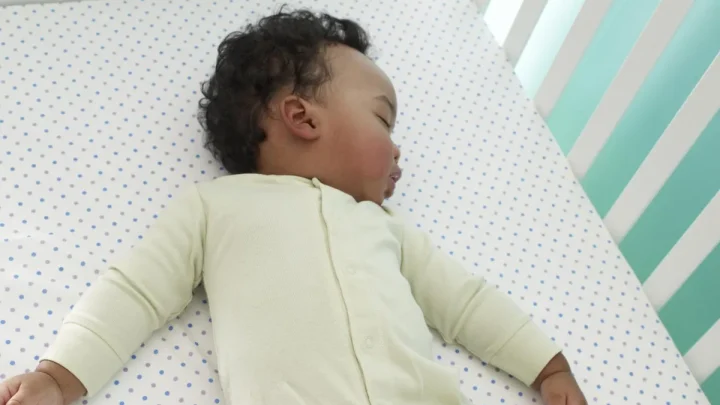
- Back to sleep, every sleep. Place your baby on their back until 12 months, even if they've started rolling. Once they roll both ways independently, you don't need to flip them back, but you always start them on their back.
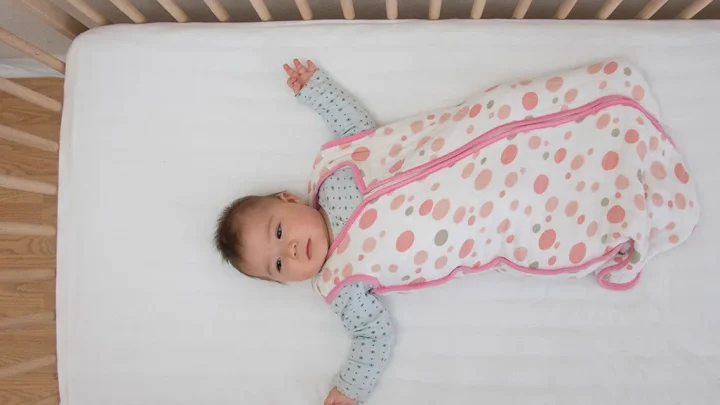
- Stop swaddling at first signs of rolling. A swaddled baby who rolls onto their stomach can't reposition. Transition to a sleep sack instead.
- Firm, flat, bare surface. Crib mattress, fitted sheet, nothing else. No pillows, blankets, bumpers, or stuffed animals in the sleep space.
- Room-share, don't bed-share. The AAP recommends keeping baby's sleep space in your room for at least the first 6 months.
- Skip weighted sleepwear and positioners. These aren't recommended for infant sleep, no matter how marketed they are.
One regression-specific warning: never leave a baby standing and crying unattended for long stretches if they can't get down safely, and don't prop them with pillows to "help." Teach the skill during the day instead, and lower the crib mattress the moment pulling to stand begins. Falling sleepers are a genuine hazard that shows up right on schedule with the 8-to-10-month leap.
When to Call the Pediatrician
Some sleep changes need a medical opinion, not a routine tweak. The trick is knowing which symptoms fall outside normal regression territory. Here's the short list that warrants a call, same day if needed:
- Fever of 100.4°F or higher in any baby under 3 months (emergency room, not a phone call)
- Fewer wet diapers than usual, dry mouth, or no tears when crying
- Ear pulling combined with fever or poor feeding
- Vomiting, diarrhea, or a rash alongside sleep disruption
- Labored breathing, pauses in breathing, or noisy breathing during sleep
- Regression lasting well beyond 6 weeks with no improvement
- A baby who seems developmentally off-track per the CDC milestone checklists
Trust your gut here. You know your baby's baseline better than any chart. If something feels wrong beyond tired-parent exhaustion, pediatricians would rather hear from you twice than once too late.
FAQs About Baby Sleep and Developmental Milestones
How long does a sleep regression last?
Most regressions run two to six weeks, with the peak disruption usually in the first two weeks. The 4-month regression is different because it reflects permanent sleep cycle maturation rather than a passing leap. Consistent routines and plenty of daytime skill practice tend to shorten the rough stretch.
Do all babies go through sleep regressions?
Not every baby shows obvious disruption, but nearly all experience the underlying changes. Some babies settle back quickly with barely a rough night. Others react strongly to every leap.
Temperament plays a big role, and a sensitive baby often has rougher regressions than an easygoing one.
Can I sleep train during a regression?
You can, but timing matters. Most pediatric sleep consultants suggest waiting until the peak passes, usually a week or two in, because a mid-leap baby has less capacity to learn new settling skills. If you're mid-program when a regression hits, stay consistent with your current method rather than starting something new.
Why does my baby practice rolling in the crib at night?
Babies rehearse new motor skills during light sleep and between cycles. The crib is where they spend the most time, so it becomes the practice stage. Extra supervised daytime practice usually reduces the nighttime rehearsal within a couple of weeks, because the skill stops being novel.
Are sleep regressions a sign something is wrong?
Quite the opposite in most cases. Regression around a milestone age usually signals the brain and body are developing on schedule. What matters is the pattern around it.
If your baby is feeding well, gaining weight, alert during wake time, and hitting milestones, disrupted sleep is just the noisy side effect of progress.
How do I get sleep back on track after a regression?
Go back to whatever routine worked before, exactly as it was. Babies often need a week of consistency to re-engage the habit. Recheck wake windows, since many babies need slightly shorter ones right after a leap.
Drop any new sleep props that crept in during the rough patch, gently but firmly.

Similar Posts