How to Check an Unfamiliar Sleep Space Before Use
You've just walked into a hotel room, a rental, or your in-laws' guest room, and the bed looks fine. Looks can lie. Knowing how to check an unfamiliar sleep space before use takes about five minutes, and it's the difference between a decent night's sleep and bringing bed bugs home in your suitcase.
The stakes are real. Adult bed bugs are only 4 to 5 millimeters long, roughly apple-seed sized, and they hide in mattress seams and headboard joints where a casual glance never reaches. The EPA confirms that early detection is the best prevention, which is exactly what a proper check gives you.
Here's the full routine, step by step.
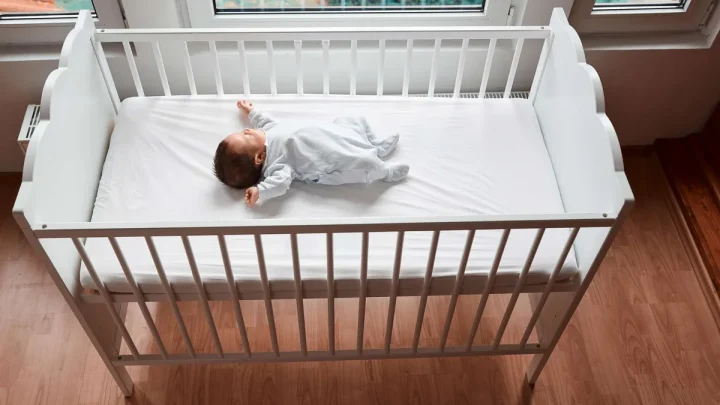
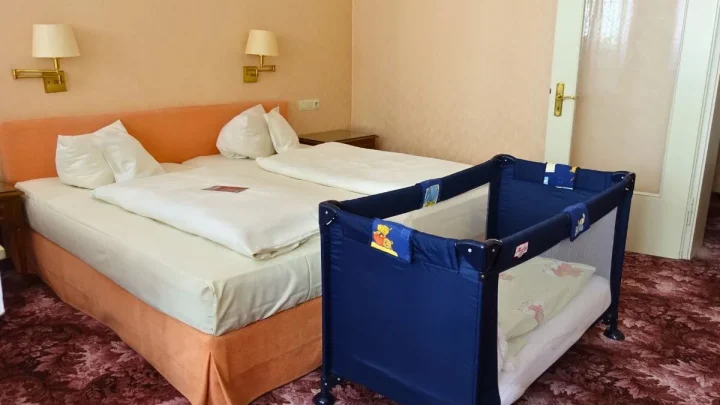
Image source: Bing (Web (fair-use with source credit))
Quick Answer
How do you check an unfamiliar sleep space before use? Leave your luggage by the door first. Then pull back the sheets and inspect the mattress seams, piping, and box spring underside for live bugs, dark fecal spots, or shed casings.
Smell the mattress for mustiness. Test the smoke alarm, and check crib slats if a child is sleeping there. Then decide: sleep, fix, or walk.
Why Checking an Unfamiliar Sleep Space Before Use Matters
The biggest risk isn't a bad night's sleep. It's bed bugs. These insects hitchhike in luggage and clothing, and a single pregnant female can start an infestation that costs hundreds or even thousands of dollars to treat.
Pest control professionals consistently rank travel as the top way infestations spread.
There's a safety angle too. Guest beds in basements and rentals may have sagging mattresses, dead smoke detectors, or recalled drop-side cribs. Drop-side cribs have been banned from sale since 2011 because of infant deaths, yet older ones still show up in vacation rentals.
The good news is that the check is fast. Five minutes with a phone flashlight covers the essentials. If you find a problem, you want to know before your bags touch the bed, not after.
The 5-Minute Bed Bug Check: Where to Look First
Start before you unpack anything. Set your luggage on the luggage rack, in the bathtub, or by the door. Never on the bed or carpet.
Then work through this order:
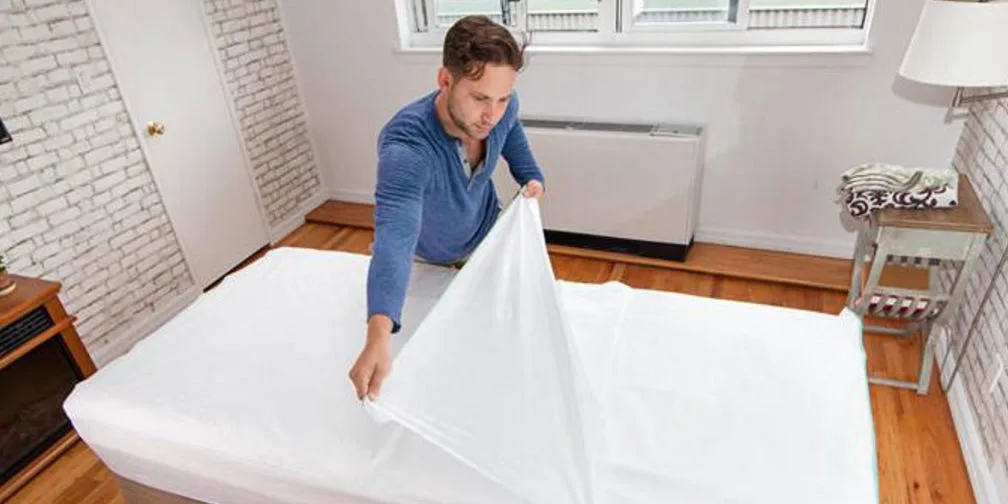
- Peel back all the linens down to the bare mattress. Don't trust a neatly made bed.
- Check the mattress seams and piping first, especially the top edge and the corners. Run your finger along the stitched seam.
- Look at the tufts and labels. Bugs tuck into any gap, including fabric labels and button tufts.
- Inspect the box spring underside. The thin fabric dust cover on the bottom is a favorite hiding spot. Peek behind it if you can.
- Check the headboard and frame joints. Screw holes and cracks hold eggs and shed casings.
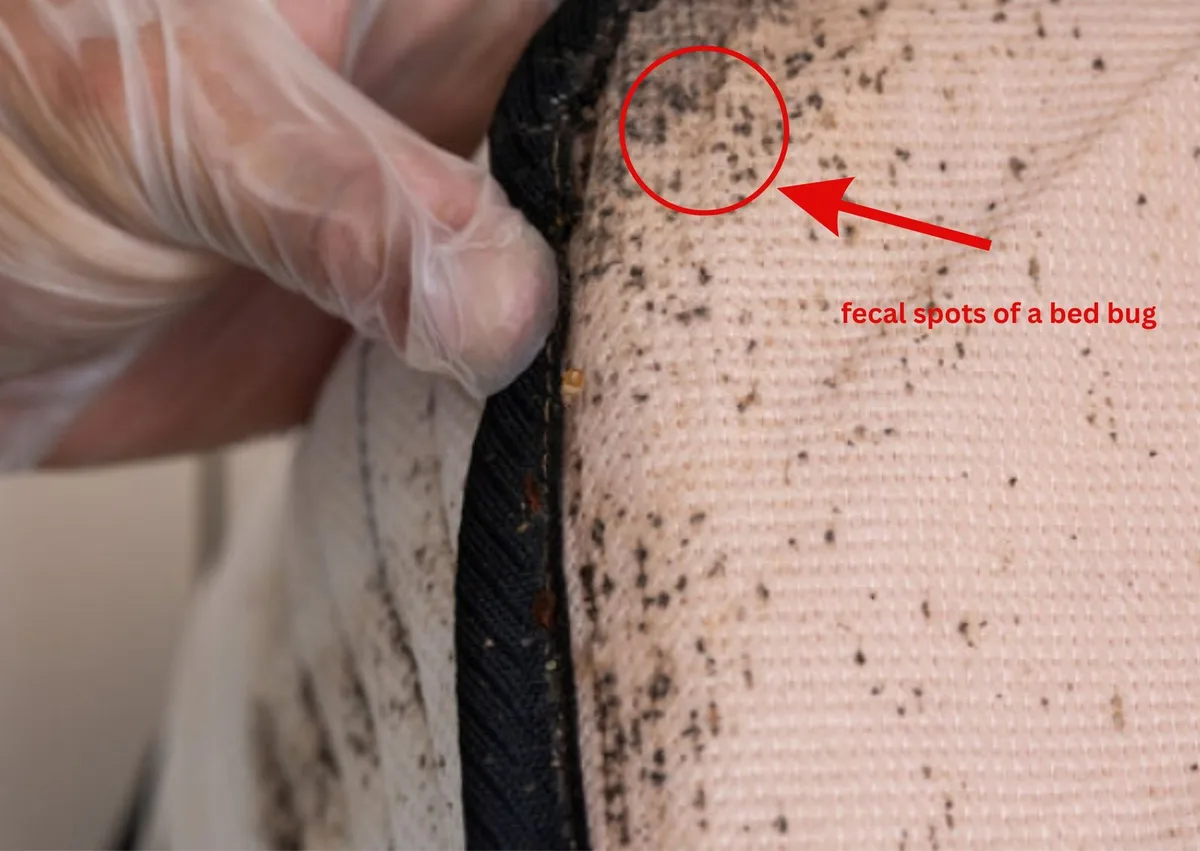
Image source: Web (Bing) / restiqo.com (Web image (fair-use with source credit))
So what exactly are you looking for? Per EPA guidance, the evidence falls into three categories:
| Evidence | What it looks like | Verdict |
|---|---|---|
| Live bugs | Flat, brown, apple-seed sized; nymphs are translucent | Walk away |
| Fecal spotting | Small black or dark brown dots, like ink pen flicks | Walk away |
| Shed casings | Hollow, tan, translucent shells | Walk away |
| Blood smears | Rusty stains on sheets | Inspect further |
If you find any of the top three, the room isn't clean, even if it looks spotless. Request a different room on a different floor, then repeat the check there.
How to Judge the Mattress, Linens, and Smell
Bugs aside, a bed can still be a bad bet. Now you're grading condition.
Press your palm into the middle of the mattress. A body impression deeper than about 1.5 inches means the mattress is worn out. You'll feel it all night in your lower back.
If you can feel coils or springs poking through, that's a hard no.
Next, use your nose. A musty smell suggests moisture and possible mold. An ammonia-like odor points to old urine.
Neither is something you should sleep on, and mold spores aggravate asthma and allergies.
Finally, judge the linens. Freshly laundered sheets smell clean and feel crisp. Stains, hair, or a sour smell mean they weren't changed, and that's a reasonable thing to ask the host about.
Hotels will swap linens in minutes. Airbnb hosts usually will too, if you ask politely and early.
For allergy sufferers, dust mites are the hidden issue. They live in any mattress more than a few years old, and you can't see them. If you're sensitive, bring your own pillow or a zippered pillow cover.
Checking Sleep Safety Beyond Bugs: Alarms, Cribs, and Bunk Beds
Cleanliness is only half the job. Safety hazards kill far more people than bed bugs ever will.
Test the smoke detector the moment you enter. Press the test button. If it doesn't chirp, tell the front desk or the host immediately.
Carbon monoxide alarms matter even more in cabins, RVs, and any rental with a fuel-burning heater or fireplace. CO is odorless, and inexpensive alarms are the only warning you get.
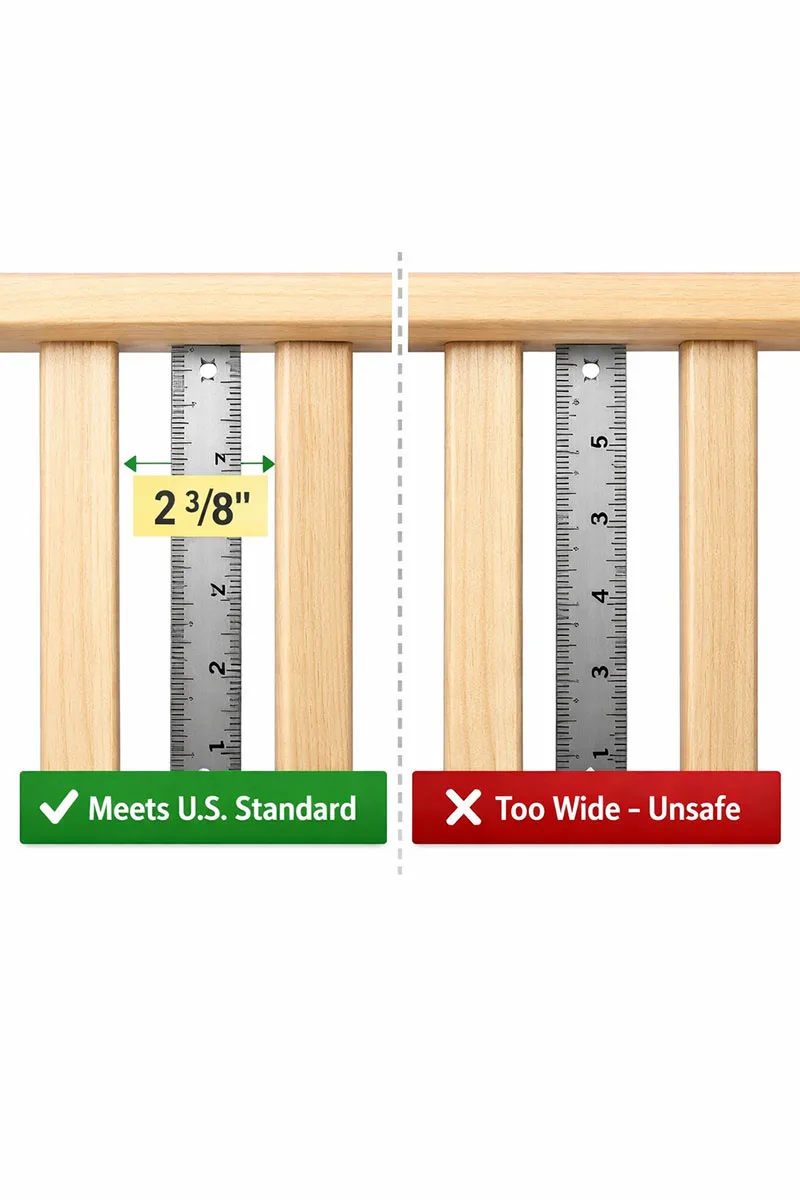
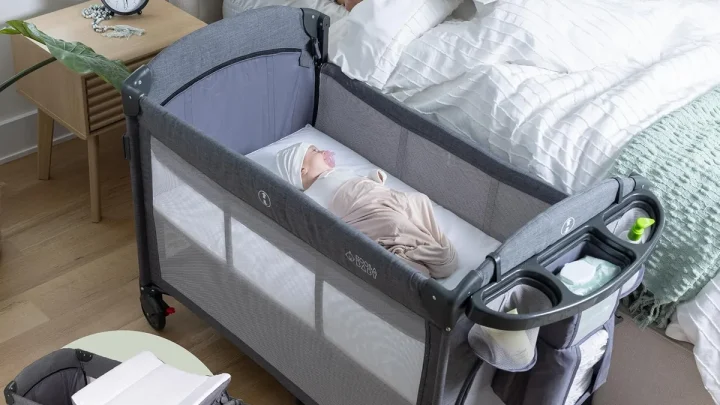
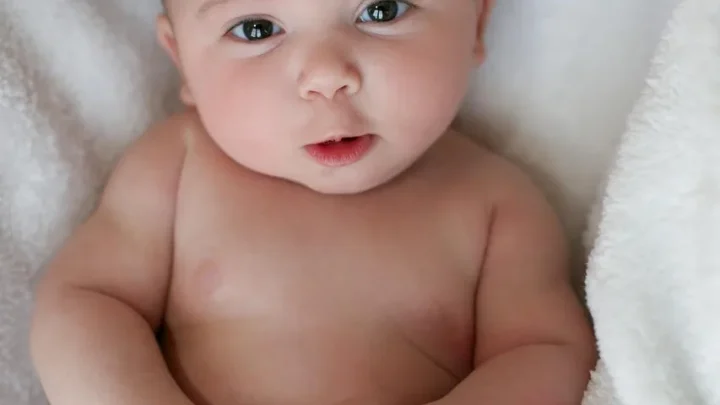
Image source: Web (Bing) / unique-baby-gear-ideas.com (Web image (fair-use with source credit))
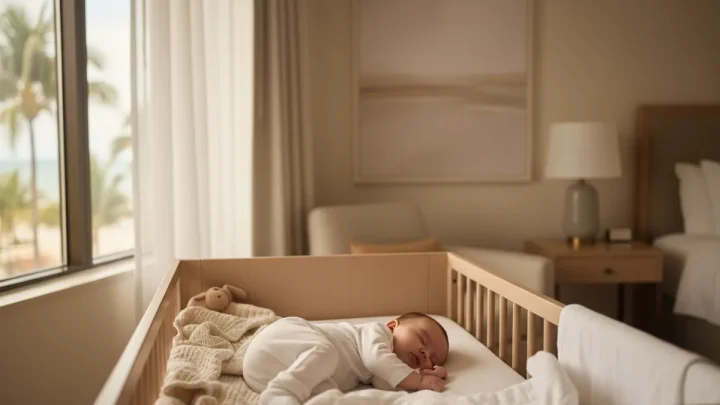
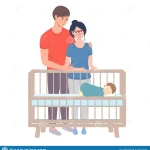
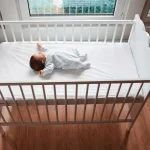
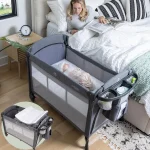
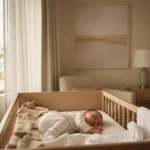
If a child is sleeping in a borrowed crib or play yard, check these per CPSC standards:
- Slat gaps under 2 3/8 inches. A soda can shouldn't fit through.
- No drop-side rail. These are banned and recalled.
- Firm mattress that fits snugly. If two fingers fit between the mattress and the side, it's too loose.
- No soft bedding. No pillows, bumpers, or loose blankets, per American Academy of Pediatrics safe sleep guidance.
Bunk beds get their own check. Shake the guardrail hard. Wobbly rails and missing ladder rungs are common in rentals, and falls from the top bunk send plenty of kids to the ER each year.
Your Decision Branches: Sleep, Fix It, or Walk Away
Here's where the workflow pays off. Every check ends in one of three branches.
Branch 1: Clean. No bugs, no stains, no smells, alarms work. Make the bed and sleep. This is the outcome in most well-run hotels and rental properties.
Branch 2: Fixable. The mattress is fine, but the linens are questionable or a battery is dead. If you can fix it in ten minutes, do it. Ask for fresh sheets, swap in your travel liner, or replace a detector battery if the host approves.
Then sleep.
Branch 3: Dealbreaker. Live bugs, fecal spotting, mold, a sagging mattress with springs, or a missing CO alarm in a cabin. Don't negotiate with yourself. Request another room, or leave and find other lodging.
In a hotel, the front desk handles this nightly, so ask without embarrassment. In a rental, document what you found with photos and contact the platform.
One branch applies to everyone, in every scenario. Wherever you slept, run a post-trip routine when you get home. Unpack your luggage in the garage or bathtub, not the bedroom.
Wash everything on hot and dry it on high heat for at least 20 to 30 minutes, which kills bed bugs in all life stages. Vacuum the luggage seams and you've closed the loop.
If you're ever unsure which branch you're in, remember the rule: a fixable bed costs you ten minutes. An infested bed can cost you a year.
Mistakes That Bring Bed Bugs Home
Even careful travelers make these errors. Each one has a simple fix, so run down the list before your next trip.
The biggest mistake is checking only the sheet surface. Bed bugs don't live on top of the mattress where you can see them. They hide in seams, behind the headboard, and under the box spring.
If you never peeled the sheets back, you didn't check the bed.
Next up is luggage placement. Putting your suitcase on the bed or the carpet gives bugs a direct ride home. Hard-shell luggage helps too, since bugs grip fabric far more easily than smooth plastic.
Zippered soft pockets are their favorite vehicle.
Don't skip the second bed. Many travelers inspect their own bed and ignore the unused one across the room. If the room has an infestation, both beds are suspect.
A few more to avoid:
- Misreading casings. Shed skins look like dead bugs, and either one means activity. Don't shrug them off as dust.
- Trusting a spotless room. Cleanliness has almost nothing to do with bed bugs. Five-star hotels get them.
- Skipping the post-trip laundry. Per CDC guidance, a hot dryer cycle of 20 to 30 minutes kills bed bugs in all life stages. Wash first if the items are dirty, but the heat is what does the work.
Quick Gear That Makes Any Unfamiliar Bed Safer
You don't need much to upgrade your routine. Three cheap items cover most situations, and all of them pack small.
A travel sheet or sleep sack is the workhorse here. It's a lightweight fabric liner you slip into the bed, creating a barrier between you and questionable linens. It won't stop bed bugs, since they can bite through fabric, but it handles dust, stains, and dust mite allergens.
Look for one rated for machine washing at 130°F, which kills dust mites.
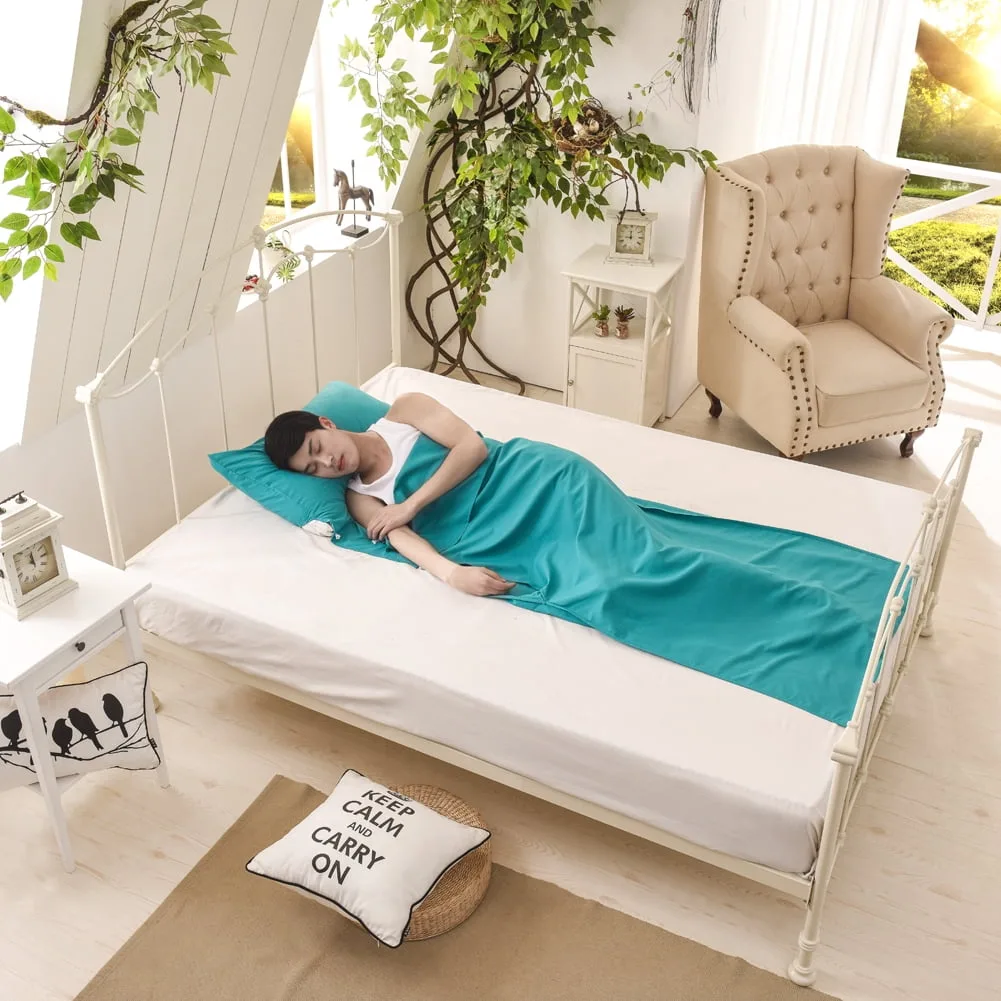
Image source: Web (Bing) / walmart.com (Web image (fair-use with source credit))
Hard-shell luggage is the second upgrade. Bugs can't anchor to smooth plastic the way they do to fabric seams. Combined with a habit of storing your bag on the luggage rack, it cuts your hitchhiking risk substantially.
Your phone flashlight covers the rest. Some people buy UV flashlights for hotel checks, but that's optional. Bed bug fecal spotting is visible to the naked eye under regular light, so don't feel pressured to buy gadgets.
| Item | What it protects against | What it doesn't |
|---|---|---|
| Travel sheet / sleep sack | Dust mites, stains, questionable linens | Bed bug bites |
| Hard-shell luggage | Bug hitchhikers in transit | Bugs already in the room |
| Phone flashlight | Missed evidence during inspection | Nothing, it's free |
One last tool for a permanent guest room: a bed bug-proof mattress encasement. If family stays over often, encasing the guest mattress traps any hidden bugs inside and starves them out. As of 2026, quality encasements run roughly $20 to $60 for a queen.
Frequently Asked Questions
Can you see bed bugs with the naked eye?
Yes. Adults are 4 to 5 millimeters long, flat, and brown, about the size of an apple seed. Nymphs are smaller and translucent, which makes them harder to spot.
Fecal spotting and shed casings are usually easier to find than the bugs themselves.
What do bed bug bites look like compared to mosquito bites?
Bed bug bites often appear in a line or cluster, sometimes called breakfast, lunch, and dinner. They're small, red, and itchy, similar to mosquito bites. Reactions vary widely, and many people show no reaction at all, which is why visual inspection beats waiting for bites.
How soon after a bite will I notice it?
Bite reactions typically show up within a few days, though some people react immediately and others take up to two weeks. If you find itchy welts after a trip, inspect your mattress seams and headboard at home right away. Don't assume the problem stayed behind at the hotel.
What if the room looks perfectly clean but I'm still nervous?
A clean room tells you nothing about bed bugs, so rely on the physical check, not appearances. Run the five-minute seam and headboard inspection with your phone flashlight. If you find nothing, trust the process.
If you still feel uneasy, a travel sheet plus hard-shell luggage stored off the floor covers your remaining risk.
Do hostels, hotels, and Airbnbs carry different risks?
High-turnover lodging like hostels and budget motels sees more bed bug traffic simply because beds cycle faster. Vacation rentals can be riskier in peak season when cleanings are rushed. The inspection routine is identical everywhere, so adjust your vigilance level, not your method.
When should I call a professional instead of handling it myself?
If you find live bed bugs in your own home after travel, call a licensed pest control operator. Over-the-counter sprays rarely clear an infestation, and bugs spread to new hiding spots when treated incorrectly. Professional treatment typically takes two or more visits and costs several hundred dollars, but it works.

Similar Posts