How to Ease Back Into Your Routine After a Vacation

You got home from a great trip, and now the suitcases sit by the door while a mountain of email waits. Knowing how to return to normal routines after a vacation is a skill, and most of us were never taught it. We just wing it, crash, and spend the next week feeling behind.
Here's the good news: re-entry has a formula. Sleep researchers have found your circadian rhythm adjusts at roughly one hour per day per time zone, which means a six-hour time difference takes about six days to shake off, per CDC travel guidance. The plan changes based on your trip, so let's figure out your version.
Image source: Bing (Web (fair-use with source credit))
Why Coming Home Feels Harder Than the Trip Itself
That flat, foggy feeling when you walk back through your front door has a name: post-vacation re-entry. It's a mix of three things hitting at once. Your sleep schedule is off, your home is a mess, and your brain is switching from vacation mode back to responsibility mode.
Your body doesn't flip a switch the moment you land. Your internal clock, called your circadian rhythm, still thinks you're on beach time. Meanwhile, real life has piled up.
Laundry, an empty fridge, a work inbox, and kids who forgot what a bedtime is.
The problem isn't you. It's that most people treat re-entry as one chaotic day instead of a short, structured process. Once we break it into steps, it gets a lot easier.
Quick Answer
How to return to normal routines after a vacation comes down to three moves. Unpack everything within 24 hours and reset one household zone. Re-anchor your sleep with a fixed wake time and morning sunlight.
Then triage work and home tasks by priority instead of attacking everything at once.
Your Re-Entry Variables: What Changes the Plan
There's no single re-entry routine that works for everyone. In our research across travel health guidance and sleep studies, the right plan depends on a few clear variables. Identify yours before you plan day one.
Trip Length and Time Zones
A three-day road trip barely disturbs your body clock. A two-week trip to Europe can throw it off for a week or more. The key variable is direction: flying east shortens your day, and eastward jet lag is consistently harder to recover from than westward.
- Short trip, no time change: expect about one recovery day.
- Crossed 1, 3 time zones: plan for two to three days of grogginess.
- Crossed 6+ time zones eastbound: budget a full week for sleep to settle.
Return Day and Buffer Time
If you can only control one thing, control this. Landing home Sunday at 9 p.m. before a Monday workday is the single worst re-entry setup. It leaves zero buffer for unpacking, grocery shopping, or a decent night's sleep.
The stronger play is returning Friday evening or Saturday morning. That gives you a day to reset your home before the workweek starts. If your schedule allows, schedule a lighter first Monday too.
Fewer meetings, easier tasks.
Who's Waiting at Home
Kids change the math. School-age children usually need their routine rebuilt fast, because teachers and schedules don't care that vacation just ended. Their fix is earlier dinners and a firm wind-down starting the first night home.
Solo travelers and couples have more flexibility but fewer external anchors. Without a school run forcing you awake, jet lag can linger. You'll need to create your own anchor: a fixed alarm and a reason to get out of bed.
The Decision Tree: Your First 24 Hours Back
Now let's turn your variables into an actual plan. Find the branch that matches your situation and follow it. Each one covers the same basics, just in a different order and intensity.
If You Flew East Across Multiple Time Zones
Eastbound travel is the hardest recovery, so protect your sleep above all else. Per CDC travel guidance, light exposure timing is the main lever. Get bright morning sunlight where you landed, and avoid bright light late at night.
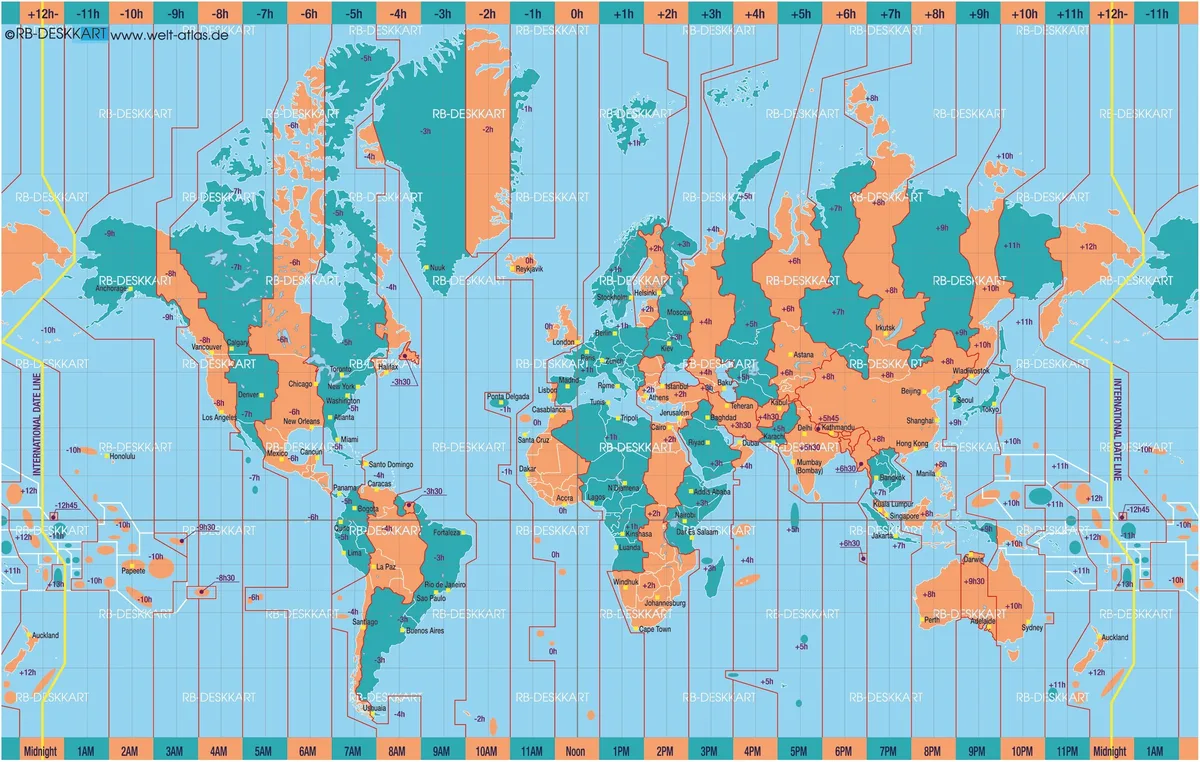
Image source: Web (Bing) / getwallpapers.com (Web image (fair-use with source credit))
Your first 24 hours:
- Adopt your home time zone immediately. Eat meals on local schedule, even without hunger.
- Get outside within an hour of waking. Daylight is what resets your body clock.
- Skip naps longer than 30 minutes. Longer naps push your rhythm further out.
- Hold off on melatonin unless your doctor advises it. If you use it, low dose, taken a few hours before your target bedtime.
If You Got Home Sunday Night With Work Monday
You have one evening. Don't waste it on the whole house. Unpack the essentials, then stop.
Your triage list:
- Empty the suitcases into the laundry room tonight, wash tomorrow.
- Set your alarm for your normal wake time, no exceptions.
- Do a 10-minute inbox sweep and flag only the two or three truly urgent items.
- Leave everything else for a Tuesday catch-up block.
Then sleep. A mediocre first Monday beats a miserable one.
If It Was a Short Trip With No Jet Lag
No time zones means your body clock is fine. Your only battle is momentum. Short trips lull you into "one more lazy day," and suddenly half the week is gone.
Your job is a single hard reset evening. Unpack completely, run one load of laundry, restock breakfast basics, and set out what you need for tomorrow. That's it.
You should be back to normal by the next afternoon.
If You Have Kids or School Schedules to Reset
Kids need structure restored before you need your inbox cleared. Start the first night home, even if they protest. Move dinner earlier and start the wind-down routine right away.
A simple sequence works well. Early dinner, bath, screens off, then the normal bedtime ritual they had before the trip. Expect two or three rough nights.
Consistency, not force, is what fixes it.
The First Week Back: Rebuilding Sleep, Meals, and Workload
The first 24 hours get you stable. The first week gets you back to normal. Here's how to pace it without burning out.
Sleep comes first because everything else depends on it. Pick one wake time and hold it for seven straight days, even on the weekend. Then get sunlight within an hour of waking.
Morning light is the strongest signal your body clock responds to, and it's free.

Image source: Web (Bing) / craiyon.com (Web image (fair-use with source credit))
Meals come next, because an empty fridge forces takeout all week. Do one grocery run on day one or two. Keep it simple: familiar, easy meals.
Don't attempt a new recipe when you're running on jet lag.
Work is where most people overreach. Instead of attacking 200 emails chronologically, triage. Archive anything older than a week, read the flagged threads, and answer only what's genuinely blocking others.
A daily hour of catch-up beats a marathon day that wrecks the rest of the week.
Here's a simple pacing guide for the week:
| Day | Sleep Focus | Home Focus | Work Focus |
|---|---|---|---|
| Day 1 | Fixed wake time, sunlight | Unpack, laundry started | Triage, urgent only |
| Day 2 | No long naps | Grocery run | Reply to flagged threads |
| Day 3 | Bedtime 15 min earlier | Restore one room per day | Normal task load |
| Day 4–7 | Hold wake time through weekend | Fully restocked | Light exercise resumes |
One more note on exercise: ease back in. Aggregate research on detraining suggests most fitness holds for one to two weeks off, so you've lost less than you think. Start with a moderate session, not a max-effort punishment.
Mistakes That Turn a 2-Day Recovery Into a 2-Week Slump
Most re-entry disasters come from a handful of predictable errors. Avoid these and you'll recover in days, not weeks.
Stacking a hard Monday on top of jet lag. If you crossed six time zones eastbound, your body thinks it's six hours off. Volunteering for an 8 a.m. presentation guarantees a foggy, irritable debut. If/then logic applies: if you flew east across 4+ zones, then protect your first morning with light tasks only.
Recovering sleep debt with long daytime naps. A two-hour nap at 4 p.m. feels great and wrecks your next night. Cap naps at 30 minutes before 2 p.m., or skip them. Push through with sunlight and movement instead.
Reading email chronologically. Slogging through 200 messages in order burns your best hours on stale threads. Archive anything older than a week unread, then handle what's flagged. Nobody notices, and you reclaim a full morning.
Letting kids "ease back" into bedtime. A 10 p.m. bedtime on a school night creates three rough days for everyone. Reset bedtime the first night home, even if there's protest.
Skipping groceries as a "do it tomorrow" task. An empty fridge means five days of takeout, which drains both money and energy. One 20-minute run on day one fixes the whole week.
Real Scenarios: How Recovery Looks for Three Different Travelers
Abstract advice is fine, but concrete timelines make it stick. Here's how the decision tree plays out in three common situations.
Scenario 1: Family of four, one week in Florida, drove home Sunday afternoon. No time zones crossed, so sleep isn't the issue. Their fix is a two-hour reset evening: suitcases emptied, one laundry load started, cereal and coffee restocked, kids' bedtime back at 8:30. By Tuesday morning, everyone's on normal schedule.
Total recovery: about 48 hours.
Scenario 2: Solo traveler, two weeks in Japan, landed home Monday 6 p.m. She crossed eight time zones eastbound and walked into work Tuesday morning. Per CDC travel guidance, her clock needed roughly a week. Her playbook: 6:30 a.m. alarm daily, 20 minutes of outdoor light before work, no meetings before 10 a.m. all week, melatonin 0.5 mg three hours before target bedtime.
Groggy through Thursday, sleeping properly by day six.
Scenario 3: Couple, long weekend three time zones west. Westbound travel delays the clock, so they wake late. Their mistake was skipping the Monday alarm. Once they fixed a single 7 a.m. wake time, everything else realigned within two days.
The lesson: one fixed anchor beats a dozen recovery tricks.
Re-Entry FAQs
How long does it take to get back to normal after a vacation?
It depends on trip length and time zones. A short trip with no time change takes about one to two days. Crossing six or more time zones eastbound typically takes five to seven days, per CDC jet lag guidance.
Holding a fixed wake time shortens recovery more than anything else.
Should I take an extra day off before returning to work?
If you can, yes. A buffer day gives you time to unpack, grocery shop, and sleep on schedule before facing your inbox. Research on re-entry consistently shows lighter first days back reduce stress and burnout carryover.
If a full day isn't possible, ask for a meeting-free first morning instead.
What's the fastest way to fix jet lag after flying east?
Get bright morning sunlight and eat meals on local time immediately. Eastbound recovery runs about one day per time zone, so expect a week after an eight-hour shift. Keep naps under 30 minutes.
Low-dose melatonin taken a few hours before target bedtime can help, ideally with a doctor's guidance.
How do I deal with post-vacation blues?
Post-vacation blues are normal and usually fade within a week. Two things speed it up: restoring structure fast (fixed wake time, exercise, meals at home) and putting the next trip on the calendar. Having something planned forward, even a small weekend outing, redirects the letdown into anticipation.
Should I unpack right away or wait until morning?
Unpack within 24 hours, even if it's just the essentials the first night. Bags left open become a week-long monument to the trip, and wrinkled clothes breed avoidance. Do a 10-minute version on arrival night: toiletries away, dirty clothes in the laundry, suitcases emptied.
Then finish laundry over the next day.
How do I get my kids back on their sleep schedule after vacation?
Start the first night home, even if they resist. Move dinner earlier, shut screens off an hour before bed, and run their normal pre-vacation bedtime routine in the same order. Most kids readjust within two to three nights of consistency.
Holding wake time steady matters more than bedtime battles.
Your Decision Guide: The Pre-Trip Moves That Make Coming Home Easy
The smoothest re-entries start before you leave. A few moves on departure day pay off the moment you walk back in.
- Do all laundry before you leave. Returning to an empty hamper removes the most dreaded post-trip chore.
- Empty the fridge of perishables and take out the trash. You'll avoid smells, mold, and food waste.
- Leave the bed made and sink clear. Walking into a clean home lowers re-entry stress noticeably.
- Set an out-of-office auto-reply that says when you'll respond. It filters expectations before you land.
- Pre-book groceries for delivery on your return day if your area offers it. Breakfast solved on night one.
- Book a return flight with buffer. If the trip crosses time zones, land a day or two before work resumes.
Here's the whole system in one view:
| Trip Type | Return Buffer Needed | Top Priority | Expected Recovery |
|---|---|---|---|
| Short trip, no time change | Half a day | Hard-reset evening | 1–2 days |
| Westbound, 1–3 zones | 1 day | Fixed morning alarm | 2–3 days |
| Eastbound, 4+ zones | 2 days | Morning light, sleep anchor | 5–7 days |
| Family with kids | 1 day | Kids' bedtime reset night one | 2–3 days |
If you take one thing from all of this, take the wake time. Everything else, sleep, meals, mood, and workload, reorganizes itself around that single fixed point. Hold it for a week, and normal won't feel far away at all.

Similar Posts