How to Explain Infant Sleep Safety to Your Babysitter

Hiring a sitter for the first time is nerve-wracking enough, but figuring out how to explain infant sleep safety to babysitters trips up even seasoned parents. The good news? It takes one short walkthrough and a one-page cheat sheet.
We'll show you exactly what to say, what to write down, and what to skip.
Here's why the details matter: unsafe sleep environments are a leading factor in sleep-related infant deaths, and most are preventable. The American Academy of Pediatrics (AAP) recommends babies always sleep alone, on their back, on a firm flat surface, in a safety-approved crib, as of 2026. A sitter who doesn't know those rules can undo all your good habits in a single nap.
Let's start with the non-negotiables.
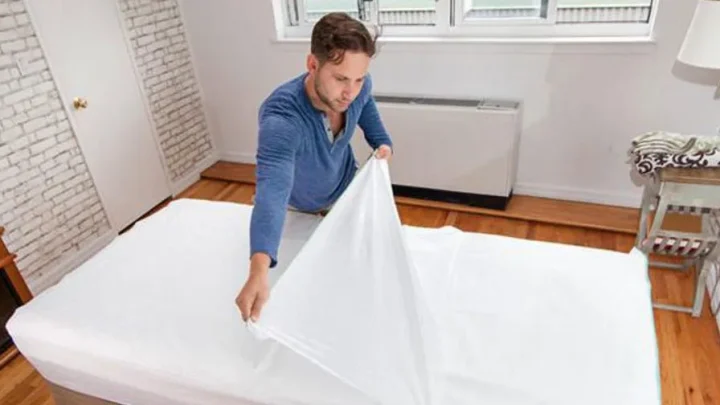
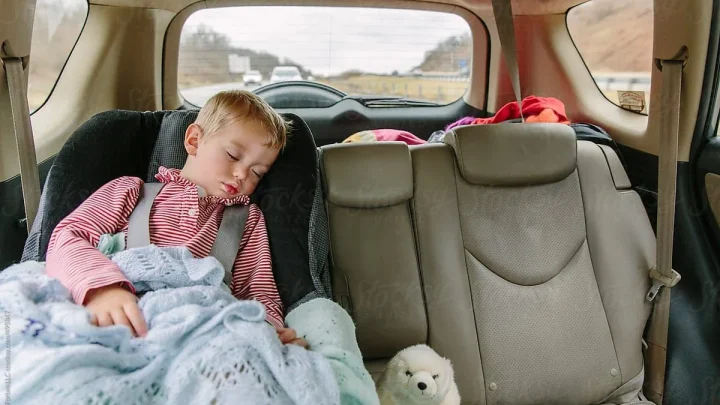
Image source: Web (Bing) / abcnews.com (Web image (fair-use with source credit))
Quick Answer
Explain infant sleep safety to babysitters by giving a short walkthrough, a written cheat sheet, and a clear escalation plan. Teach the ABCs: baby sleeps Alone, on their Back, in a Crib. Show the approved sleep space in person.
Explain what to do if the baby won't settle, and tell the sitter to call you before trying anything creative.
Why Getting This Conversation Right Is a Life-or-Death Detail
Most sitters want to do the right thing. They just don't know what the right thing is. Sleep safety advice has changed dramatically in the last 30 years, so anyone who babysat in the 1990s or raised kids back then learned different rules.
Per CDC data, roughly 3,500 babies die each year in the US from sleep-related causes, including SIDS and accidental suffocation. Many of those deaths involve soft bedding, an unsafe surface, or a baby placed on their stomach. Those are exactly the situations a well-briefed sitter can avoid.
Think of the briefing as a handoff, not a lecture. You're transferring one specific set of rules so the person watching your baby makes the same calls you would. Do it well and you'll actually enjoy your evening out instead of checking your phone every ten minutes.
The Non-Negotiables: Safe Sleep Rules Every Sitter Must Follow
If your sitter remembers nothing else, they need to remember the ABCs of safe sleep. This framework comes straight from the AAP's safe sleep recommendations and it's easy to teach in under two minutes.
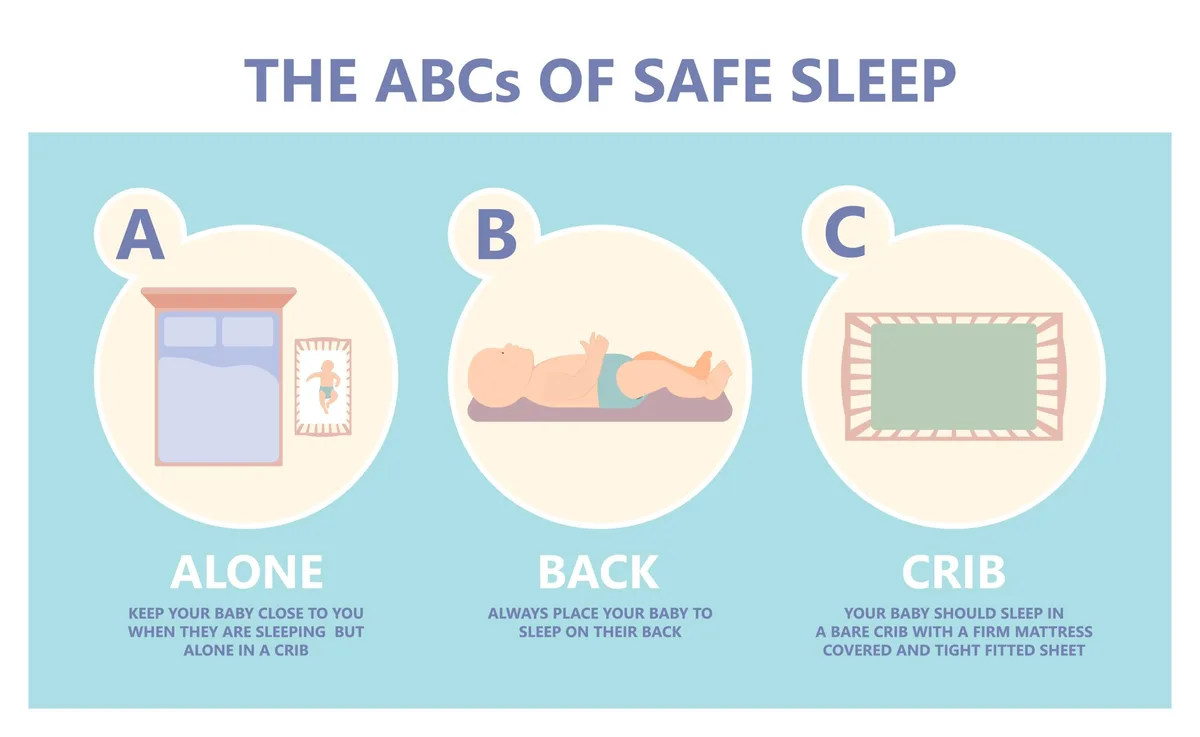
The ABCs of Safe Sleep (Alone, on Back, in Crib)
- Alone. Nothing in the sleep space except the baby. No blankets, pillows, bumpers, stuffed animals, or sibling toys.
- Back. Baby goes down on their back for every sleep, naps included. If a young baby rolls over on their own, it's fine to leave them, but the sitter always starts them on their back.
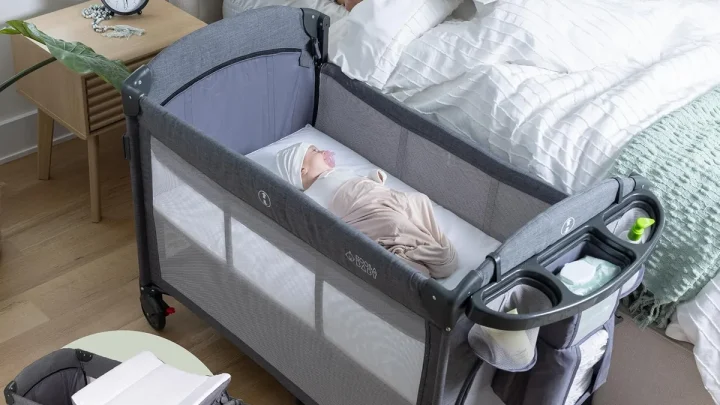
- Crib. A firm, flat surface with only a fitted sheet. That means a crib, bassinet, or pack-and-play. Never an adult bed, sofa, armchair, or recliner.
Say it out loud during the walkthrough: "Every sleep, on the back, in this crib, nothing else inside." Repetition helps it stick.
What's Allowed in the Crib — and What Never Is
The empty-crib rule surprises people, so explain it. Soft items are suffocation hazards for babies who can't move their heads away.
| Allowed | Never in the crib |
|---|---|
| Firm mattress with fitted sheet | Loose blankets or quilts |
| Wearable sleep sack (sized correctly) | Pillows and positioners |
| Pacifier, if baby uses one | Crib bumpers |
| Baby in approved sleep clothing | Stuffed animals and toys |
One more rule: if baby falls asleep in a swing, bouncer, or car seat, the sitter should move them to the crib. Those positions can block a small baby's airway. If it feels awkward to be this direct, remember you're giving the sitter a gift.
Clear rules remove guesswork.
The Highest-Risk Mistakes Babysitters Make (and Why They Happen)
Then again, knowing the rules isn't the same as following them under pressure. In our research across parent forums and safe sleep education materials, the same handful of mistakes shows up again and again.
- Putting baby to sleep on the tummy or side. Usually a soothing attempt, not carelessness. Older caregivers were taught this decades ago.
- Covering baby with a blanket because "they look cold." Overheating is itself a SIDS risk factor. A sleep sack solves this.
- Letting baby sleep on the sitter's chest or the sofa. This feels natural and safe. It's one of the highest-risk scenarios there is.
- Propping a bottle or adding pillows "to help." Well-meaning improvisation with deadly potential.
- Ignoring a crying baby's routine. A sitter who panics starts experimenting. That's when unsafe choices happen.
Notice the pattern. Nearly every mistake comes from a sitter trying to soothe a crying baby without a plan. That's why your briefing needs an escalation plan, which we'll cover shortly.
How to Brief Your Babysitter: A Step-by-Step Script That Actually Sticks
The briefing works best as a 10-minute routine before you leave, not a text sent from the car. Follow this sequence.
The Walkthrough: Show, Don't Just Tell
- Walk them into the nursery. Physically show the crib or bassinet where baby sleeps.
- Demonstrate the placement. Lay a doll or the baby down on their back, feet toward the foot of the crib, fitted sheet smooth.
- Show the sleep sack. Let the sitter zip and unzip it once so they're comfortable with it.
- Point out the monitor and thermostat. Explain the temperature you keep the room at, usually 68 to 72°F.
- Share the routine. Bottle or feed, burp, sleep sack, dim lights, down on the back, pacifier if used.
Narrate the why as you go. "We keep the crib empty because loose bedding is a suffocation risk" lands better than a bare command, and sitters who understand the reason follow the rule.
The One-Page Cheat Sheet Every Sitter Should Get
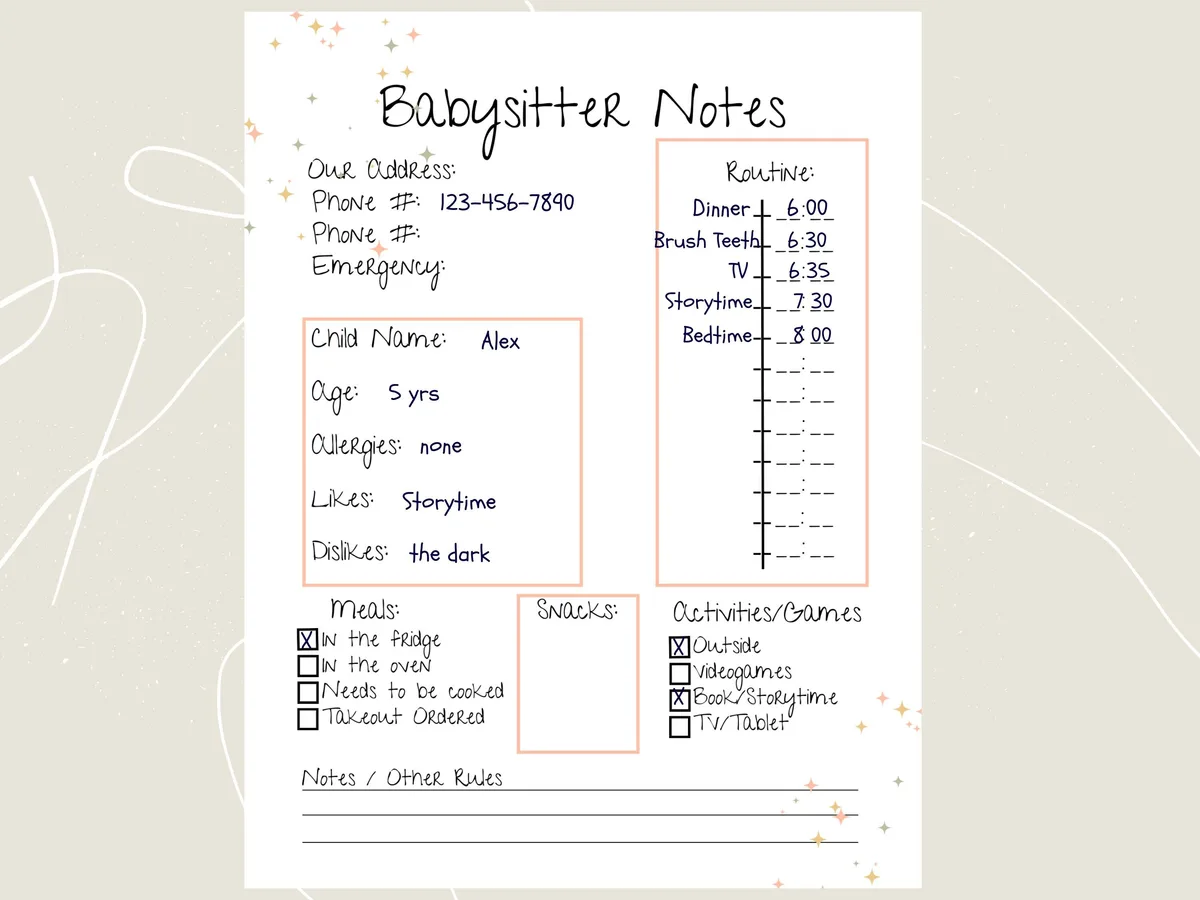
Verbal instructions fade fast. A single page on the fridge doesn't. Keep it to these blocks:
- Baby's sleep schedule and usual wake windows
- The ABCs rule, written in one bold line
- Soothing steps in order (pacifier, hand on chest, gentle shush, pick up, rock, back down awake)
- Feeding instructions and burping
- Your phone numbers, plus two backup contacts and the pediatrician
- The address posted for 911
Give the sitter a printed copy even if you also text it. Paper gets seen mid-crisis; phones get ignored.
The "What If Baby Won't Settle" Escalation Plan
If you do nothing else, nail this section, because this is where improvisation kills. Give the sitter a literal ladder to climb, in order:
- Re-offer the pacifier.
- Rest a hand on baby's chest and shush softly for a few minutes.
- Pick up, hold upright, rock gently.
- Try again to lay down awake on the back.
- Call you. Not "try something else." Call.
State it plainly: "If none of that works after 15 minutes, call me. We'll figure it out together." A sitter with a phone plan never needs to invent an unsafe solution.
How to Handle Pushback from Grandparents and Experienced Sitters
You'll eventually brief someone who says some version of "you slept on your stomach and you turned out fine." Don't take the bait, and don't get defensive. Use the data.
Back sleeping recommendations changed in 1992, and the national "Back to Sleep" campaign launched in 1994. SIDS rates in the US dropped by more than half in the years that followed. That's not a trend or an opinion.
It's one of the most successful public health campaigns in modern history.
Try these scripts:
- For grandparents: "I know you did it differently, and you did a great job. The research changed, though. Things that were normal then turned out to be risky. Please follow the sheet, it's one page."
- For an experienced sitter: "You've clearly done this a lot, so this'll be easy. Every family has their rules, and ours are these. I'd rather over-explain than leave gaps."
Framing it as "our house rules" rather than "you're wrong" keeps everyone's dignity intact, which makes compliance far more likely. If someone still resists, that's your signal to hire someone else. The stakes here justify being picky.
Age Matters: Swaddles, Rolling, and Adjusting the Rules by Milestone
The rules your sitter needs change as your baby grows, so update the cheat sheet at every milestone. A briefing written for a 6-week-old can be wrong for a 5-month-old.
Here's the timeline that matters most. Swaddling is fine for newborns, but it must stop the moment a baby shows any sign of rolling, which often happens around 3 to 4 months. A swaddled baby who rolls onto their stomach can't push their head up.
If you're past that stage, swap the swaddle for a sleep sack and note it on the sheet.
| Age | What the sitter needs to know |
|---|---|
| 0 to 3 months | Swaddle OK, back only, highest SIDS risk window, expect frequent night wakings |
| 3 to 6 months | Swaddle retired, sleep sack only, rolling may start, still back to start |
| 6 to 12 months | Baby may roll and reposition on their own, keep crib bare, lower mattress if pulling up |
Two more age-based notes. First, if your baby can sit or pull up, tell the sitter the mattress must be at its lowest setting so they can't climb out. Second, if baby rolls onto their tummy after being placed on their back, the sitter should leave them alone.
Re-flipping an older rolling baby is unnecessary, and the startle of being flipped can wake everyone up.
A quick re-brief takes two minutes. Send a text before each booking: "Same rules as the sheet, but she's rolling now, so sleep sack instead of swaddle." That single message closes most gaps.
FAQs About Explaining Infant Sleep Safety to Babysitters
What age baby needs these rules the most?
The risk is highest from 1 to 4 months old, which is exactly when many babies get their first regular sitters. SIDS risk drops significantly after 6 months and falls further after the first birthday. Still, keep the bare-crib and back-sleeping rules in place until age one.
Should I pay for a babysitter who's CPR certified?
Certification in infant CPR and first aid is worth paying a small premium for, and many sitters get it through the Red Cross for under $100. It won't replace safe sleep rules, but it means the sitter knows what to do in the worst few minutes. Ask to see a current card.
How do I explain safe sleep to a teen babysitter without scaring them?
Keep it simple and rule-based, not statistic-heavy. Say "three things: on the back, in this crib, nothing else inside, and call me if she cries more than 15 minutes." Teens follow checklists well. Scaring them tends to freeze them, and you want action, not panic.
Do I need different instructions for naps versus nighttime?
No, the rules are identical for every sleep, and that's worth saying out loud. Naps are actually where shortcuts happen because they feel casual and supervised. Tell the sitter that naps follow the same ABCs, every single time.
What if the babysitter falls asleep while watching the baby?
This is a fair concern for late-night or overnight bookings. Set the expectation upfront: if the sitter gets drowsy, baby goes into the crib, awake or asleep, before anyone dozes off. A baby sleeping unsupervised in a safe crib is protected.
A baby sleeping on a dozing adult's chest on a sofa is not.
Is it okay for the babysitter to hold the baby until they fall asleep?
Yes, holding and rocking a baby to sleep is fine and completely safe while the sitter is awake and alert. The rule is where the baby ends up. Once drowsy, the baby goes down on their back in the crib, not onto the sitter's chest for a nap together.
Your Pre-Date-Night Safety Checklist
Run this list in the 15 minutes before you walk out the door. It takes one pass, and it catches the gaps that cause problems.
- Nursery walkthrough done. Sitter has seen the crib, sleep sack, and monitor.
- Cheat sheet posted. One page on the fridge with the ABCs rule bolded at the top.
- Crib verified empty. Only a fitted sheet inside. Check that an older sibling hasn't added a toy.
- Escalation plan spoken out loud. Sitter can repeat the soothing ladder and the "call me at 15 minutes" rule.
- Contacts written down. Your numbers, two backups, the pediatrician, and the street address for 911.
- Age-appropriate rules noted. Swaddle versus sleep sack, mattress height, rolling status.
- Thermostat set. 68 to 72°F, and the sitter knows not to add blankets.
- First image check. If you use a video monitor, confirm the crib view is clear on your phone before you leave.
One last habit worth building. Ask the sitter to text you a photo of the baby in the crib after the first lay-down. It takes them five seconds, it confirms the rules were followed, and honestly, it's the single best peace-of-mind picture you'll get all night.
Then put the phone away and enjoy your evening. You've earned it, and your baby is in good hands.

Similar Posts