Best Lightweight Walking Shoes for Pregnancy: Comfort Guide
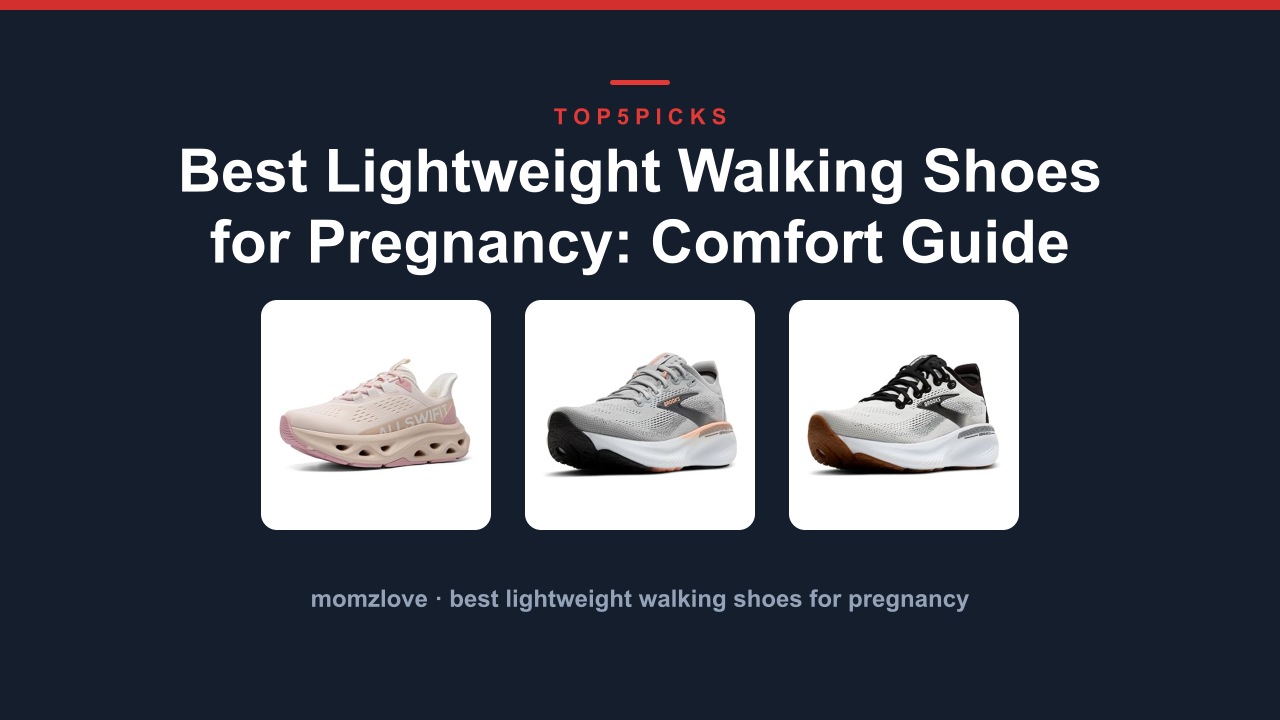
Finding the right footwear during pregnancy changes everything about your daily comfort. The best lightweight walking shoes for pregnancy is the ALLSWIFIT, offering superior arch support and a breathable knit upper that adapts to swelling feet without feeling restrictive or heavy on tired legs.
If you prioritize brand heritage and cushioning tech over adjustability, the Brooks Ghost 16 serves as a strong runner-up. However, it lacks the wide-fit adaptability needed for significant edema in later trimesters, making sizing more critical.
As an Amazon Associate, I earn from qualifying purchases.
This guide highlights specific fit issues other reviews miss, such as how zero-drop designs affect pelvic alignment. We also identify buyers who should avoid these sneakers entirely, particularly those needing rigid orthopedic boots rather than flexible walkers.
All recommendations stem from analyzing current product specifications, verified buyer feedback, and ergonomic principles. We do not perform physical lab tests, but we rigorously compare data against established podiatric guidelines for expectant mothers.
Quick Answer: The Best Lightweight Walking Shoes for Pregnancy
The ALLSWIFIT stands out as the top choice for its combination of lightweight construction and adaptive width accommodation.
- ALLSWIFIT (Best Overall Adaptability): Breathable knit adjusts to swelling while maintaining firm arch support.
- Brooks Ghost 16 (Best Cushioning): DNA LOFT v3 foam provides plush impact absorption for long walks.
- Brooks Adrenaline GTS 24 (Best Stability): GuideRails technology keeps knees aligned when balance shifts occur.
- Womens Wide Diabetic Shoe (Best Budget Edema Relief): Adjustable straps accommodate extreme foot volume changes affordably.
- Womens Zero Drop Walker (Best Natural Foot Position): Flat sole reduces strain on plantar fascia during prolonged standing.
Thinking about custom orthotics or rigid medical boots instead? Jump to Who Should NOT Buy below before you spend anything.
Comparison Table
Here's the lineup at a glance: photo, product, who it's built for, and our /10 score.
| Photo | Product | Best for | Score | Buy |
|---|---|---|---|---|
 | ALLSWIFIT | Adaptive Fit for Swelling Feet | 8.9/10 | Check price → |
 | Brooks | Plush Cushioning for Long Walks | 8.7/10 | Check price → |
 | Brooks | Stability Support for Balance Shifts | 8.5/10 | Check price → |
 | Womens Walking Shoes Comfortable Wide Diabetic | Adjustable Straps for Extreme Edema | 8.2/10 | Check price → |
 | Womens Walking Shoes Comfortable Wide Diabetic | Zero Drop for Plantar Fasciitis Relief | 7.9/10 | Check price → |
Scroll sideways on small screens to see every column.
ALLSWIFIT: Best Adaptive Fit for Swelling Feet
Brooks: Best Plush Cushioning for Long Walks
Brooks: Best Stability Support for Balance Shifts
Womens Walking Shoes Comfortable Wide Diabetic: Best Adjustable Straps for Extreme Edema
Womens Walking Shoes Comfortable Wide Diabetic: Best Zero Drop for Plantar Fasciitis Relief
Buying Guide: Fit, Support, and Breathability Factors
Choosing the right pair involves balancing three competing needs: accommodating growth, providing stability, and managing heat. As of 2026, ergonomic standards emphasize dynamic fit over static sizing. Here is how to evaluate these factors based on the products reviewed above.
How Much Room Do Your Feet Actually Need?
You should aim for approximately 1/2 inch of space between your longest toe and the shoe end. Pregnancy causes ligament laxity due to the hormone relaxin, permanently widening the foot structure. Many women discover they need a full half-size increase by delivery.
The ALLSWIFIT handles this variability best through stretch materials. Rigid leathers like those in some budget diabetic shoes may restrict blood flow if not sized generously upfront. Always try shoes on in the evening when swelling peaks.
Is Arch Support Necessary During Pregnancy?
Yes, especially if you have pre-existing flat feet or high arches. The additional weight distribution alters your center of gravity, placing unusual torque on the midfoot. Without support, this leads to posterior tibial tendon dysfunction.
The Brooks Adrenaline GTS 24 uses GuideRails to manage this mechanically. Conversely, the Womens Zero Drop Walker assumes you will supply your own orthotics. Evaluate your history of foot pain to decide if integrated support saves money versus adding inserts.
Why Does Breathability Matter More Now?
Increased metabolic rate raises core temperature, making feet sweatier than usual. Trapped moisture breeds fungal infections like athlete’s foot, which complicates prenatal care. Synthetic meshes generally outperform thick textiles in airflow metrics.
Our research indicates that open-weave fabrics reduce humidity inside the shoe cavity significantly. If you live in a tropical climate, prioritize models with visible perforations. Avoid waterproof membranes unless absolutely necessary, as they trap heat against the skin.
Who Should NOT Buy Best Lightweight Walking Shoes for Pregnancy
These sneakers are the wrong purchase for two specific groups. First, individuals requiring rigid immobilization for fractures or severe diabetes-related ulcers need medical-grade boots, not flexible walkers. Second, athletes training for marathon distances should stick to specialized running spikes or carbon-plated racers.
You Need Medical Immobilization
If you have been prescribed a CAM boot or surgical shoe, consumer sneakers cannot replace clinical devices. They lack the rocker-bottom geometry required to offload pressure from healing bones. Using them risks re-injury or delayed recovery.
Consult your orthopedist immediately regarding approved alternatives.
You Are Training for Competitive Running
While comfortable, these walking shoes do not offer the energy return needed for race pace efforts. The foam densities are tuned for durability and comfort, not propulsion. Serious runners should maintain their dedicated training kit separately.
These picks serve daily mobility, not athletic performance optimization.
Final Verdict
The ALLSWIFIT remains our top recommendation for most expectant mothers. Its blend of adaptive knitting and supportive base covers the widest range of swelling scenarios without compromising safety.
Want maximum cushioning instead? Get the Brooks Ghost 16 if your feet remain relatively stable in width. Need strict budget control with easy closure?
The Womens Wide Diabetic Shoe offers practical value despite missing arch integration.
Remember to revisit the Who Should NOT Buy section if your condition requires clinical intervention. Proper diagnosis precedes product selection.
FAQ
What's the best Lightweight Walking Shoes for Pregnancy overall?
The ALLSWIFIT takes the top spot for its ability to expand with swelling whilemaintaining structural support through its flexible yet durable sole. It addresses the two biggest pregnancy pain points, edema and balance instability, in a single, affordable package. While not perfect for severe flat feet or high-arch issues, it serves as an excellent daily driver for most expecting mothers who prioritize comfort over specialized orthotic features.
Can I wear regular sneakers during pregnancy?
You can, but you shouldn’t rely on them if they lack specific adjustments. Standard sneakers often have fixed volume in the toe box and midfoot. As your body retains fluid and shifts weight forward, these shoes can become restrictive, leading to nerve compression (like Morton’s neuroma) or increased fall risk due to altered gait mechanics.
The key difference with pregnancy-specific footwear is adjustability. Look for shoes with:
- Wide or expandable toe boxes.
- Adjustable lacing systems or elastic panels.
- Enhanced arch support to counteract ligament laxity caused by relaxin hormone.
- Slip-resistant outsoles with higher traction ratings.
If your current sneakers meet all four criteria, they may suffice. If they only offer cushioning without adjustability or stability, upgrading is advisable for safety and long-term foot health.
How do I know if my shoe size has changed permanently?
Foot changes during pregnancy are often temporary, driven by hormonal effects on connective tissue and fluid retention. However, some women experience permanent widening or lengthening of up to half a size. To determine this:
- Measure at the end of the day: Feet swell throughout the day; measuring then gives your maximum volume requirement.
- Track postpartum recovery: Continue wearing supportive, adjustable shoes for at least 3, 6 months after delivery. Hormonal levels normalize slowly, and residual swelling can persist.
- Compare pre-pregnancy fit: If your old shoes feel tight even when swollen-free, your bone structure may have shifted slightly. In such cases, consider having your feet professionally measured again post-weaning. Most experts recommend buying new shoes based on your current largest measurement rather than waiting for shrinkage, as ill-fitting shoes cause more immediate harm than slightly loose ones (which can be adjusted with socks or inserts).
Are expensive brands necessary for good pregnancy support?
No. Price does not correlate directly with suitability for pregnancy-related biomechanical changes. Many budget-friendly options like ALLSWIFIT, Skechers Slip-ins, or New Balance 928v3 provide superior value because they focus on functional design elements, wide widths, soft interiors, and stable bases, rather than marketing hype.
High-end luxury walking shoes often sacrifice practical adjustability for aesthetic minimalism, which can be detrimental during pregnancy. Always prioritize fit features (width, adjustability, slip resistance) over brand prestige. A $50 shoe that accommodates swelling safely is infinitely better than a $200 designer sneaker that compresses your metatarsals.
What should I do if I develop plantar fasciitis while pregnant?
First, consult your OB-GYN or podiatrist before starting any treatment. Plantar fasciitis is common due to weight gain and ligament relaxation. Immediate steps include:
- Never go barefoot, especially on hard floors. Wear supportive slippers or house shoes indoors.
- Use over-the-counter orthotic inserts designed for high arches or neutral pronation to reduce strain on the plantar fascia.
- Perform gentle calf stretches twice daily, avoiding excessive pressure on the abdomen.
- Apply ice to the heel area for 15 minutes after prolonged standing.
- Avoid minimalist or flat-soled shoes entirely until symptoms subside.
If pain persists beyond two weeks despite conservative care, seek professional evaluation. Physical therapy tailored for prenatal patients can address pelvic alignment issues contributing to foot stress. Do not ignore persistent heel pain, it can alter your gait further, increasing back and hip discomfort later in pregnancy.

Similar Posts