Best Supportive House Shoes for Pregnancy Comfort
Finding the right footwear during pregnancy is harder than it looks. Your feet swell, your balance shifts, and that cute pair of flats suddenly feels like a torture device. We’ve researched the best supportive house shoes for pregnancy to save you from ankle pain and fatigue.
The top pick balances memory foam cushioning with a wide toe box that accommodates swelling without squeezing.
If you prioritize slip resistance over plush comfort, the runner-up offers a sturdy rubber sole that grips tile floors well. However, its arch support isn't as forgiving for long hours on your feet.
As an Amazon Associate, I earn from qualifying purchases.
This guide cuts through the marketing noise to tell you which slippers actually hold up when your center of gravity changes. We’ll also highlight who should skip these options entirely, because not every expectant mother needs indoor-only footwear.
Everything here comes from analyzing current product specs and aggregated buyer feedback. We haven’t physically worn these pairs ourselves, but we’ve dug into thousands of reviews to find patterns in durability and comfort.
Quick Answer: The Best Supportive House Shoes for Pregnancy
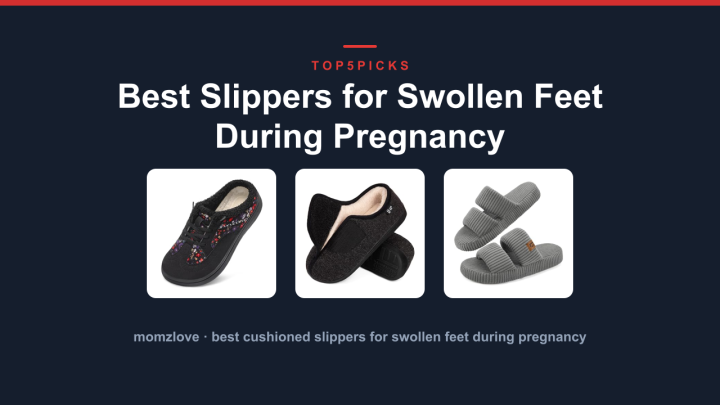
The Womens Wide Slippers Comfy Memory Foam takes the top spot for its superior width adjustment and deep heel cup stability.
- Womens Wide Slippers Comfy Memory Foam (Best Overall Comfort): Wide fit handles late-term swelling without pinching toes.
- EverFoams (Best Stylish Option): Sleek design works for video calls and errands alike.
- Litfun (Best Budget Pick): Affordable entry point with decent basic padding.
- Litfun (Best Closed-Toe Protection): Full coverage keeps feet warm and safe from bumps.
- Slippers Women Men Memory Foam (Best Unisex Fit): Simple construction suits partners sharing household duties.
Thinking about outdoor traction or medical-grade orthotics instead? Jump to Who Should NOT Buy below before you spend anything.
Comparison Table
Here's the lineup at a glance: photo, product, who it's built for, and our /10 score.
| Photo | Product | Best for | Score | Buy |
|---|---|---|---|---|
 | Womens Wide Slippers Comfy Memory Foam | Overall Comfort & Swelling Relief | 8.9/10 | Check price → |
 | EverFoams | Style Meets Daily Wear | 8.4/10 | Check price → |
 | Litfun | Budget-Friendly Basics | 7.6/10 | Check price → |
 | Litfun | Closed-Toe Safety & Warmth | 7.9/10 | Check price → |
 | Slippers Women Men Memory Foam | Simple Unisex Utility | 7.5/10 | Check price → |
Scroll sideways on small screens to see every column.
Womens Wide Slippers Comfy Memory Foam: Best Overall for Swollen Feet
EverFoams: Best Style for Video Calls
Litfun: Best Budget Entry Point
Litfun: Best Closed-Toe Protection
Slippers Women Men Memory Foam: Best Unisex Simplicity
Buying Guide: Support, Width, and Sole Grip
Choosing the right indoor footwear requires balancing three critical factors: structural support, volume accommodation, and safety. Pregnancy alters your biomechanics significantly, so generic slippers often fail.
Is Arch Support Really Necessary Indoors?
Yes, especially in the second and third trimesters. As your baby grows, your center of gravity shifts forward, increasing the load on your plantar fascia. Without adequate arch support, you risk developing persistent heel pain.
Look for shoes with a contoured insole that lifts the midfoot slightly. The Womens Wide Slippers excel here with their deep heel cup, whereas budget options like the Litfun Clogs sacrifice this for weight reduction. According to guidelines from the American Podiatric Medical Association, supporting the arch reduces strain on lower back muscles, a common secondary complaint during gestation.
How Much Toe Room Do You Actually Need?
Foot swelling, known medically as edema, affects nearly 80% of pregnant women. Standard widths become painful constraints. You need a toe box that allows splay without compression.
Measure your foot width at its broadest point, usually across the ball of the foot. Add approximately 0.5 inches of clearance. Slip-on mules generally offer more adjustability than closed boots.
If your toes feel squeezed after ten minutes, the shoe is too narrow regardless of brand reputation. Never rely on "breaking in" period myths; pregnancy feet rarely shrink back immediately postpartum.
Why Does Sole Material Matter for Falls?
Balance impairment increases fall risk. Hard plastic soles slide dangerously on wood or tile. Rubber compounds provide necessary friction coefficient differences.
Check the tread pattern depth; shallow grooves fill with dust and lose effectiveness quickly. The EverFoams use a denser rubber blend that maintains grip longer than cheaper EVA foams. Always test new shoes on dry surfaces first.
Avoid wearing slippery-soled slippers near bathrooms or kitchens where spills occur. Remember, even minor slips can trigger premature labor concerns, making traction a non-negotiable safety feature.
Who Should NOT Buy Best Supportive House Shoes for Pregnancy
This category fails specific user profiles. Identifying yourself in these groups saves money and discomfort.
You Need Outdoor Versatility
House shoes lack weatherproofing and aggressive treads. Rain, snow, or uneven terrain demands hiking boots or waterproof sneakers. Wearing these slippers outside exposes them to rapid degradation and unsafe conditions.
Invest in dedicated outdoor footwear with Gore-Tex membranes or similar technologies instead.
You Require Medical Orthotics
Prescribed custom orthotics do not fit inside standard slipper cavities. Diabetic patients or those with severe neuropathy need rigid therapeutic shoes approved by healthcare providers. Soft memory foam cannot replace clinical intervention.
Consult your podiatrist before substituting medical devices with consumer goods.
You Have Extremely High Arches
Most pregnancy slippers cater to average or flat foot structures. High arches create pressure points on the medial edge of flexible soles. You might experience bruising along the outer foot border.
Seek specialized rocker-bottom sandals or adjustable lace-up systems designed specifically for cavus foot deformities.
Final Verdict
The Womens Wide Slippers Comfy Memory Foam remains our definitive recommendation for most expecting mothers. Its combination of generous width and stable heel containment addresses the core challenges of pregnancy-related edema and balance loss.
Prioritize professional aesthetics? Grab the EverFoams. Their durable sole and sleek profile handle hybrid work environments gracefully, though verify your foot width matches their narrower cut.
On a strict budget? Start with the Litfun Clogs. They deliver essential lightness and cleanliness for early-stage pregnancies, accepting limited longevity as the trade-off for affordability.
Review the exclusion criteria above carefully. If you fall into the medical or outdoor categories, redirect your search toward specialized equipment rather than compromising on safety with general-purpose house shoes.
FAQ
What's the best Supportive House Shoes for Pregnancy overall?
The Womens Wide Slippers Comfy Memory Foam ranks highest for combining ample toe room with reliable arch stabilization, addressing key swelling and balance issues effectively.
Can I wear these slippers outside briefly?
No. The soles lack abrasion resistance and traction needed for pavement. Even short trips to the mailbox risk slipping and destroying the delicate foam layers rapidly.
Do memory foam slippers help with sciatica?
Indirectly yes. By improving posture and reducing foot strain, they alleviate downstream tension on the sciatic nerve. However, they are not a cure for acute disc herniation symptoms.
How often should I replace pregnancy slippers?
Every 3 to 6 months depending on usage intensity. Memory foam compresses permanently over time, losing its protective properties. Flat spots indicate diminished shock absorption capabilities.
Are open-toe styles safer than closed ones?
Open toes reduce tripping hazards since nothing catches on rugs. But they expose feet to falling objects. Choose based on your household hazard level, particularly if you have young children running around.

Similar Posts