Adjusting Baby’s Routine When Sick: A Rest-First Guide
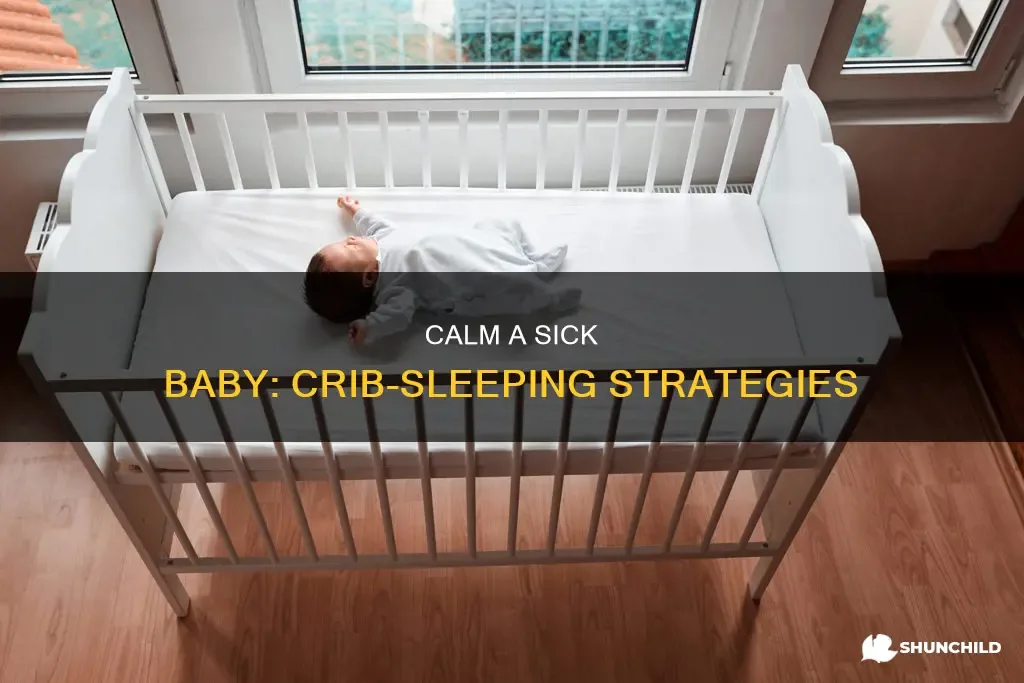
Your baby's sick, sleeping is a mess, and you're wondering whether to hold the routine or throw it out. That's exactly what we'll sort out here: how to adjust routines when baby needs extra rest during illness, without wrecking the good sleep habits you've built. The short version is you flex the schedule for a few days, then flex it back.
In our research across AAP and CDC guidance, the pattern is consistent. Most common colds run 2 to 5 days, and the AAP-endorsed consensus statement recommends 12 to 16 hours of total sleep for babies 4 to 12 months, sick or not. Sick days push the top of that range.
So the real skill is knowing how far to bend, and when to call the pediatrician instead.
Quick Answer
How to adjust routines when baby needs extra rest during illness comes down to three moves. Shorten each wake window by 15 to 30 minutes. Move bedtime 30 to 60 minutes earlier and cap late naps.
Keep the routine's order the same, just shorter, and return to normal within 2 to 4 days of recovery.
Sick Baby, Broken Schedule: What's Actually Happening
Illness changes your baby's sleep math in two directions at once. Their body demands more sleep because immune work, like producing infection-fighting cytokines, happens mostly during sleep. But congestion, coughing, fever, and ear pressure make sleep harder to get and easier to break.
More need, worse quality. That's the whole problem in one sentence.
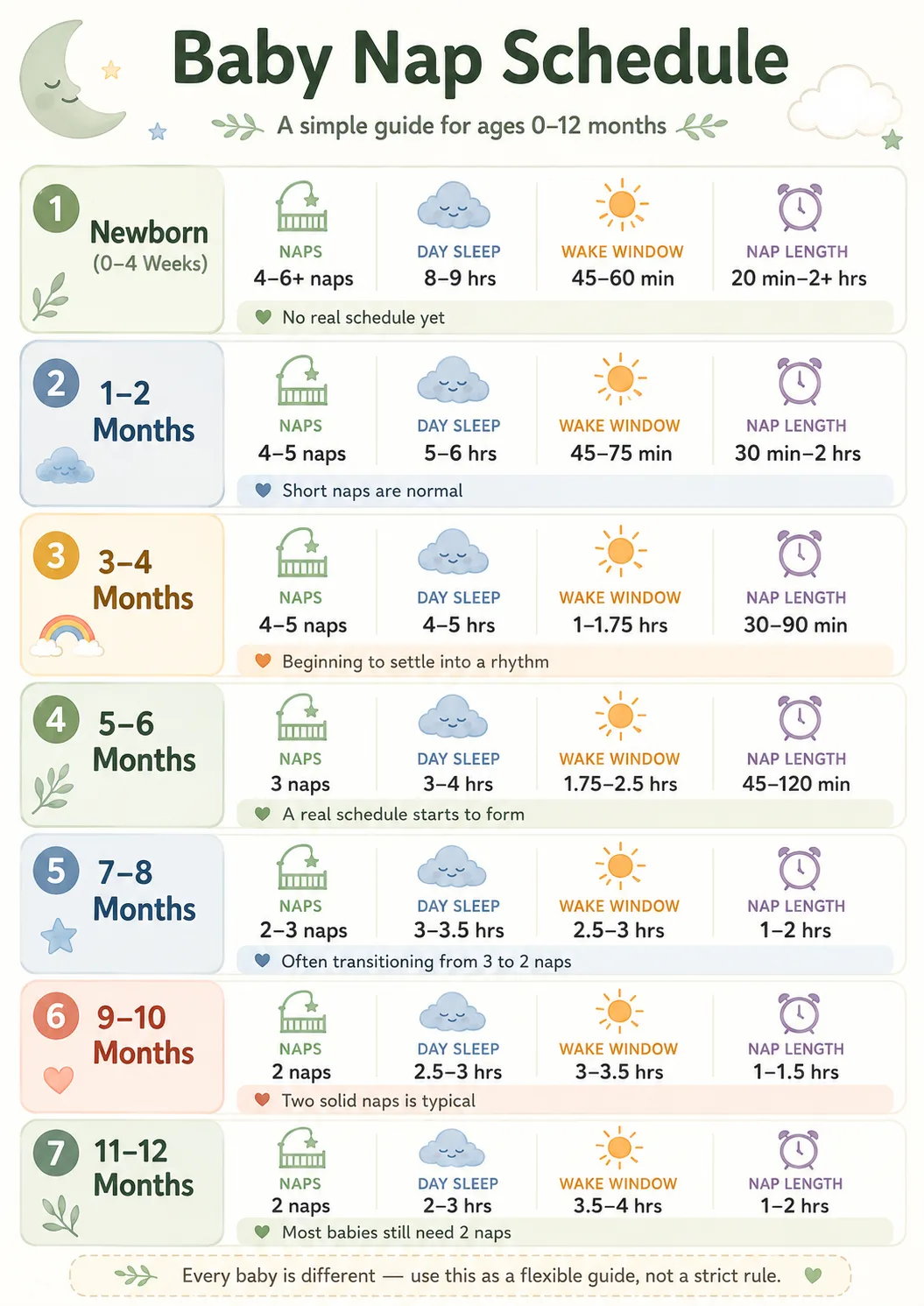
This is why the normal wake windows stop working. A wake window is the stretch of awake time a baby can handle between sleeps, and it's age-based. A 7-month-old usually manages 2.5 to 3 hours.
Sick? Cut that by 15 to 30 minutes, because fighting a virus burns through their reserves faster.
Here's the reframe that saves most parents a lot of stress. A sick-day routine isn't a failed routine. It's a temporary settings change.
You're not abandoning the schedule, you're running it in recovery mode, and recovery mode has its own rules. We'll walk through those rules below.
One more thing before we get tactical. Extra tiredness during illness is expected. But some "extra tired" is actually a warning sign wearing a sleep-deprived costume.
That's what the next section covers.
First, Rule Out the Red Flags Before You Touch the Routine
Is this normal sick-baby sleepiness, or something worse? Check the danger list first. Schedule tweaks can wait an hour.
These can't.
Per CDC guidance, call your pediatrician or seek immediate care if you see any of these:
- Rectal temperature of 100.4°F (38°C) or higher in a baby under 3 months. That's an immediate call, no exceptions.
- Labored breathing, flaring nostrils, or skin pulling in around the ribs (retractions).
- Blue or gray lips, or unusually pale, mottled skin.
- Signs of dehydration: fewer than 4 wet diapers in 24 hours, no tears when crying, a sunken soft spot.
- Extreme drowsiness that's different from sick-tired, meaning hard to wake or unresponsive.
- A febrile seizure, or a fever lasting more than 24 hours if your baby is under 2 (72 hours over age 2).
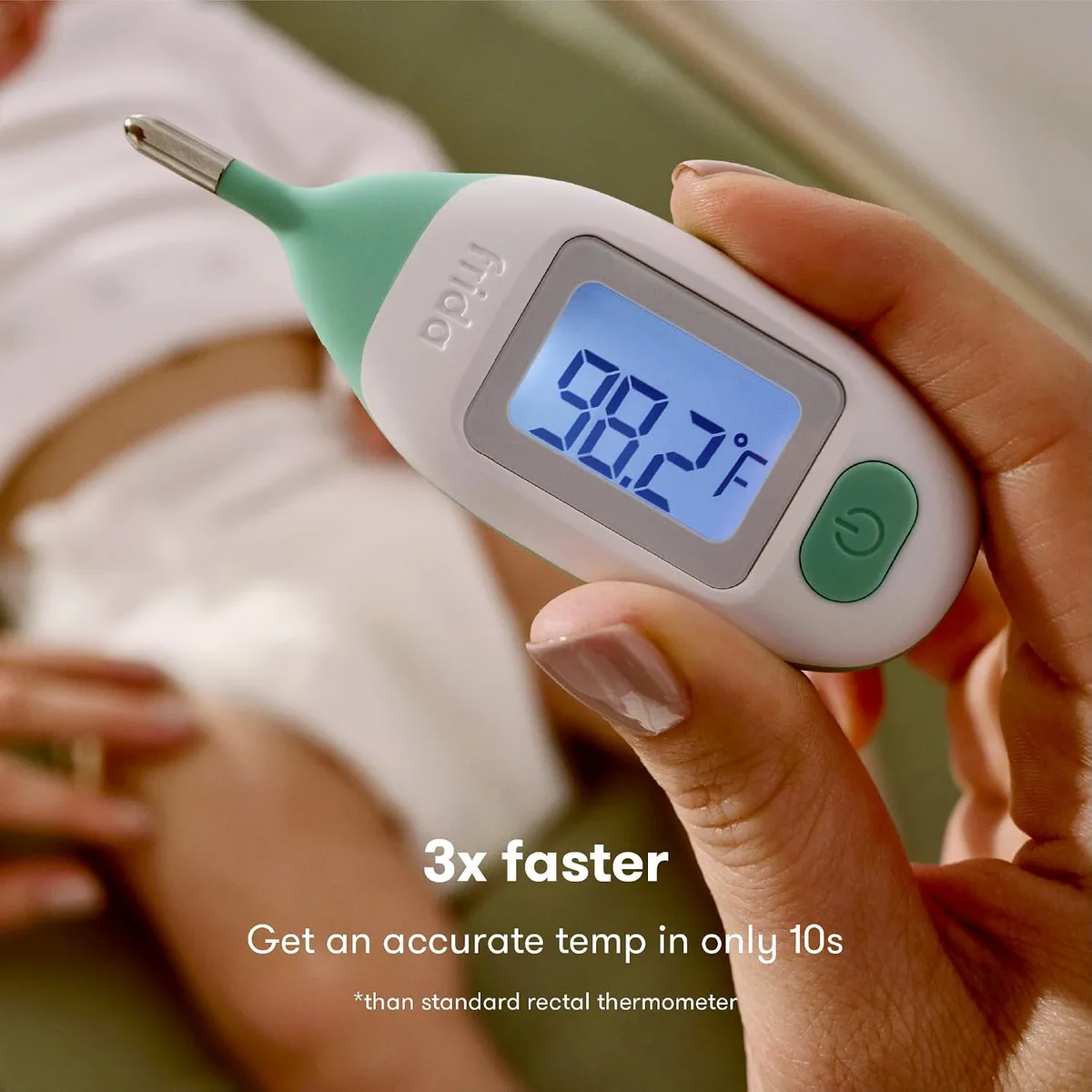
If it's none of those, you're dealing with ordinary sick-tired, and you have full permission to adjust the routine. Take the temperature with a rectal thermometer for babies under 3 months, since it's the most accurate method at that age. Everything after this point assumes the red flags are clear.
The Sick-Day Sleep Workflow: Decision Branches by Symptom and Age
Think of this as an if/then tree. Match your baby's main symptom, then apply the matching branch.
If the baby is congested or coughing
Then the problem is comfort, not the schedule. Run saline drops in each nostril, wait a minute, then suction with a bulb syringe or nasal aspirator before feeds and before sleep. A cool-mist humidifier in the room helps loosen congestion, and manufacturer specifications for most units target roughly 50% room humidity.
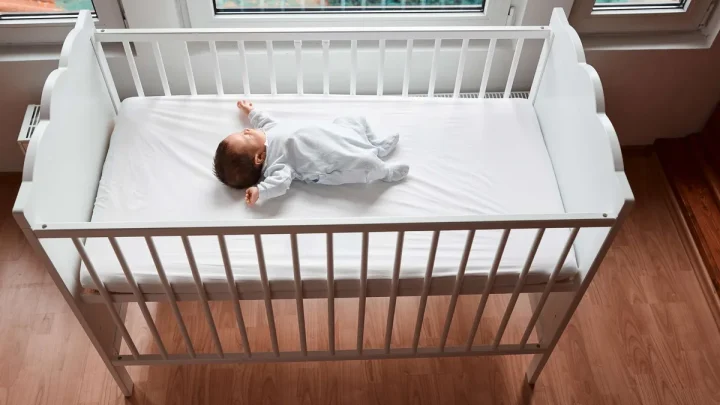
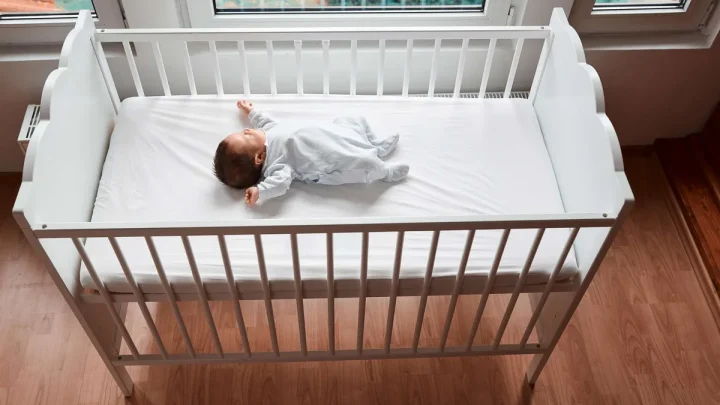
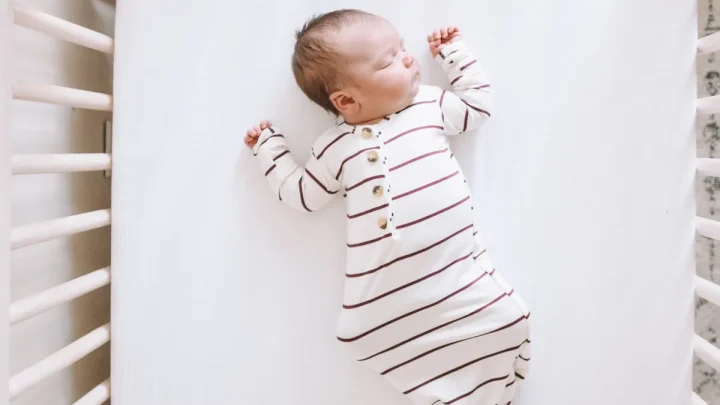
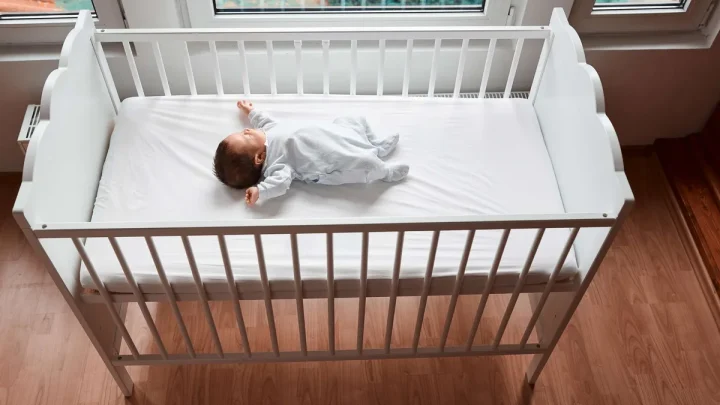
Keep them flat on their back on a firm surface. Never prop them up with pillows or elevate the mattress with loose bedding.
If there's fever or low energy
Then cut wake windows more aggressively, 30 to 45 minutes, and expect longer naps. Offer fluids more often, since hydration matters more than sleep timing right now. If your pediatrician has advised fever reducers, follow weight-based dosing exactly, because dosing is calculated by weight, not age.
Ibuprofen is only for babies 6 months and up.
If they're sleeping way more than usual
Then let them. Extra sleep during illness is the body doing repair work, and it's not a habit problem. Just check one thing: don't let a long late-afternoon nap push bedtime past about 8 pm, or you'll trade daytime recovery for a miserable night.
If a nap runs past 5 pm, cap it or shorten it.
| Symptom | Wake window change | Main lever |
|---|---|---|
| Congestion / cough | Trim 15–30 min | Saline, suction, humidifier |
| Fever / low energy | Trim 30–45 min | Fluids, earlier bedtime |
| Sleeping much more | Leave alone | Cap any nap after ~5 pm |
Step-by-Step: How to Shift Wake Windows, Naps, and Bedtime
Once you've cleared the red flags and picked your branch, here's the actual workflow, in order:
- Check the day's baseline. Note symptoms, temperature if relevant, and how many wet diapers you're seeing. Two minutes of tracking beats guessing.
- Shorten each wake window. Take the normal window for their age and trim 15 to 30 minutes per window. Watch for rubbing eyes, staring off, and fussiness as your confirm signal.
- Let naps run longer, but cap the last one. If a nap is still going at 4:30 or 5 pm, gently wake them. Protecting bedtime matters more than protecting nap four.
- Pull bedtime 30 to 60 minutes earlier. On high-sleep-need days, an earlier bedtime is the single most effective recovery tool. Overtired babies sleep worse, not better.
- Strip the routine to its anchors. If the full bath-book-feed routine is too much, keep the order but cut the length. Feed, snuggle, into the crib. The order is what your baby recognizes, not the extras.
- Add comfort before sleep, not during it. Saline, suction, humidifier on, white noise at around 50 dB. Do it before you lay them down so you're not re-entering the room all night.
- Accept contact naps without guilt. If they'll only sleep on you for a few days, that's fine. More on how to avoid making it permanent in the mistakes section.
That's the whole system. It's deliberately boring, and boring is what a sick baby needs.
Mistakes That Turn a 3-Day Blip into a Month of Bad Sleep
Most sick-schedule disasters come from four avoidable errors. Here's what to skip.
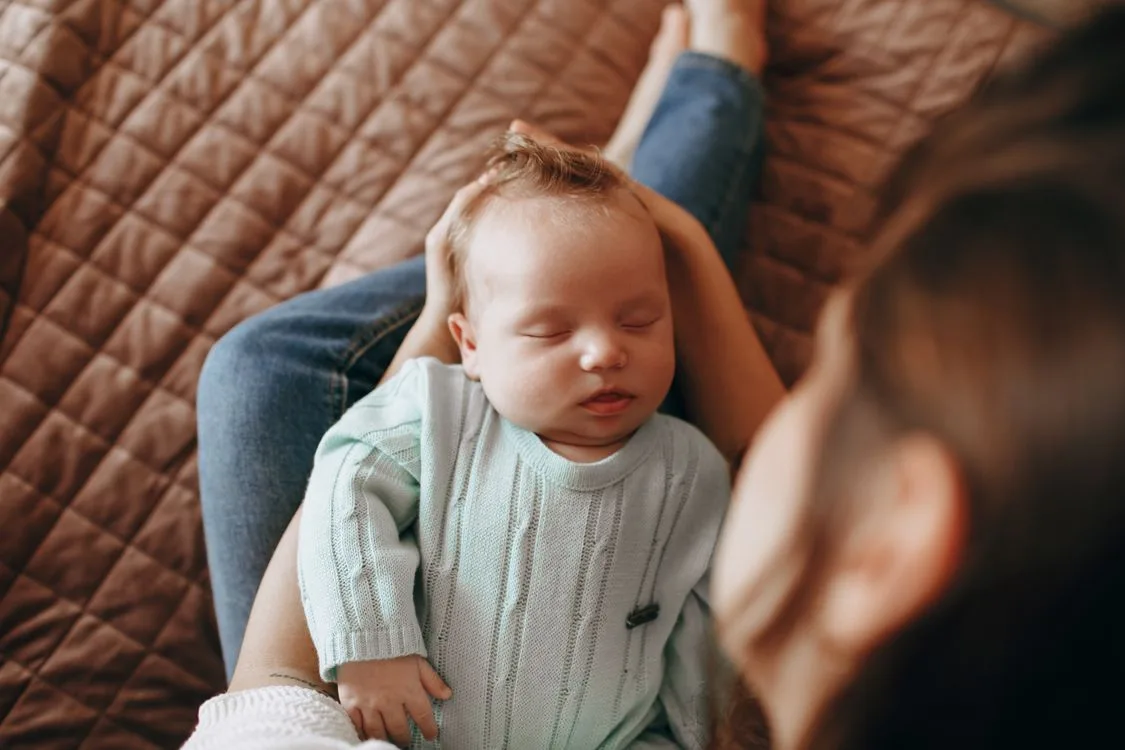
- Making contact naps the new normal. Contact naps during illness are fine. The trap is continuing them for weeks after recovery out of habit or guilt. If you must, keep them to sick days only.
- Skipping the routine entirely. Some parents assume a sick baby doesn't need the routine. Wrong. The routine's order is the sleep signal itself. Drop the extras, keep the sequence.
- Letting bedtime drift later. A worn-out baby who crashes at 9 pm overtires fast, and overtired babies wake more at night. Earlier is genuinely better during illness.
- Abandoning the crib completely. If you move a sleep-trained baby to your bed for five nights, expect a rougher return. If co-sleeping feels necessary, do it as safely as you can and treat it as temporary from night one.
And one safety mistake worth flagging separately. Never reach for over-the-counter cough or cold medicines. FDA regulations prohibit them for children under 4, and they do nothing for sleep quality anyway.
See the FDA's guidance on cough and cold medicines in young children before trusting any labeled age range.
A quick mindset reset helps too. If your baby only sleeps on you for three days, you haven't ruined anything. Sleep habits bend.
They're elastic, not fragile.
Getting Back on Track After Recovery
How do you know the sick days are over? Watch for three signals: appetite back to normal, energy matching their usual self, and symptoms fading. Then start the return, gradually.
Don't flip back to the old schedule overnight. Re-anchor it over 2 to 4 days using this sequence:
- Day 1: Restore normal wake windows, but keep bedtime 15 to 30 minutes early.
- Day 2: Move naps back to their usual spots and lengths. Wake long naps at the normal time.
- Day 3: Return bedtime to normal. Run the full routine again if you trimmed it.
- Days 4 and beyond: If night wakings persist, respond consistently and briefly. Most babies reset within a week.
If you paused sleep training, restart the same method you used before. In our research, babies who already learned independent sleep typically re-learn it in 2 to 4 nights, far faster than the original effort. The skill is still in there.
You're just reopening the door.
Expect one imperfect week. Two rough nights doesn't mean regression. It means recovery, which was the goal all along.
Frequently Asked Questions
Do babies really need more sleep when they're sick?
Yes. Sleep is when the body ramps up immune activity, including the release of infection-fighting cytokines. A sick baby may need an extra 1 to 3 hours of total sleep per day.
Let them have it, as long as red-flag symptoms like labored breathing or dehydration are absent.
Will contact naps during illness ruin my sleep-trained baby?
No, not for a few days. Sleep habits are elastic, and a sick baby who needs extra comfort isn't losing the skill. Resume your normal approach and sleep location within 2 to 4 days of recovery.
Most babies re-settle quickly because the learning is already there.
How much earlier should bedtime be when my baby is sick?
Move it 30 to 60 minutes earlier on high-sleep-need days. That's enough to bank recovery sleep without pushing your baby into an overtired cycle. Keep the routine's order the same, just shorter.
Earlier beats later, always, during illness.
Can I let my sick baby sleep too much?
During illness, extra sleep is rarely a problem. The one caveat is timing. A nap running past about 5 pm can sabotage bedtime and night sleep, so cap it.
If your baby is nearly impossible to wake, that's different, and it warrants a call to your pediatrician.
Is it safe to elevate my baby's mattress for congestion?
No. Safe sleep rules still apply while sick: flat, firm surface, back sleeping, empty crib. Propping the mattress or using pillows and positioners raises suffocation risk.
Instead, clear congestion before sleep with saline drops and suction, and run a cool-mist humidifier in the room.
When should I call the doctor instead of adjusting the routine?
Call immediately for a rectal fever of 100.4°F (38°C) or higher in a baby under 3 months, labored breathing, blue lips, or dehydration signs like fewer than 4 wet diapers a day. Call within a day for any fever lasting more than 24 hours under age 2. Schedule tweaks never outrank those checks.

Similar Posts