How to Track Your Baby’s Sleep Changes When They’re Sick
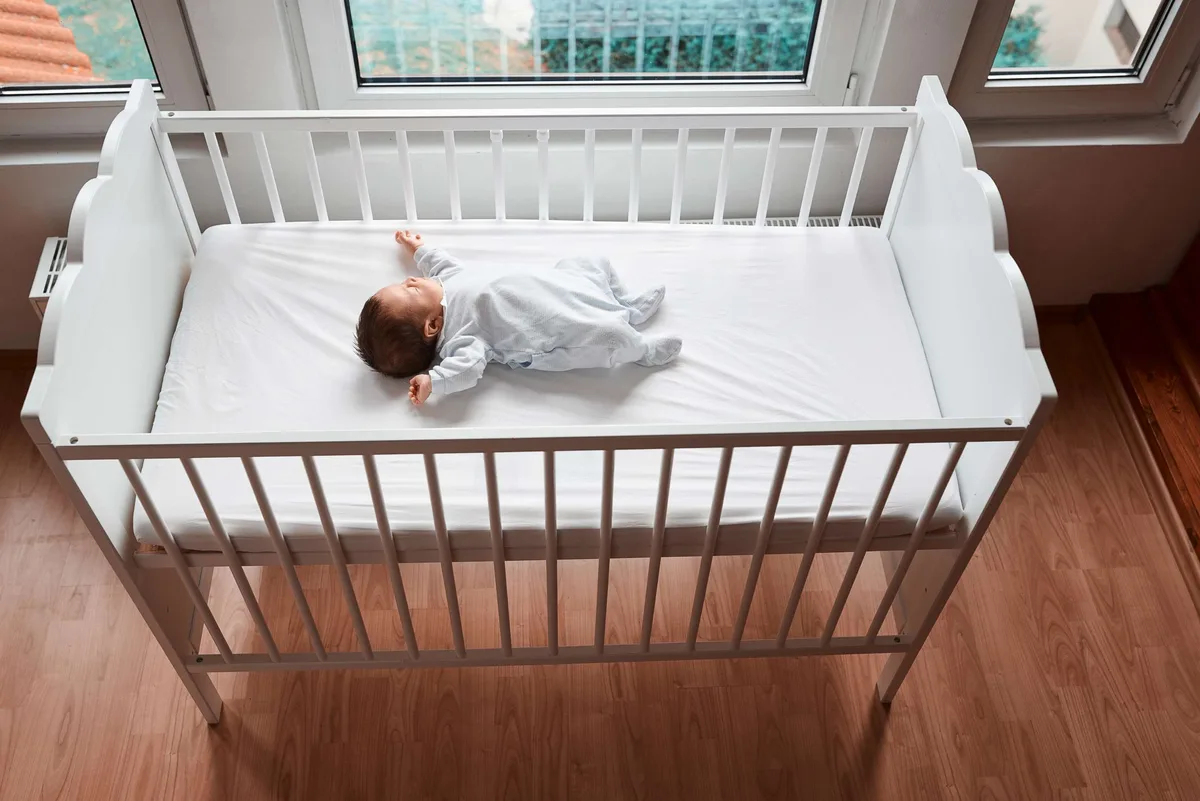
Your baby's finally asleep, but something feels off. She's sleeping more than usual, waking differently, and you're wondering what's normal and what's a warning sign. That uncertainty is exactly why learning how to track infant sleep changes while sick matters so much.
Here's the reassuring part first: most sick babies sleep more, not less, and that's usually fine. Per the CDC, infants need 12 to 16 hours of sleep per 24 hours when healthy. Illness often adds another hour or two.
The skill is knowing which changes to log, which to ignore, and which mean you call the pediatrician. Let's start with what normal sick sleep actually looks like.
Quick Answer: What Normal Sick-Baby Sleep Looks Like
To track infant sleep changes while sick, log sleep times, night wakings, feeds, wet diapers, and temperature every few hours. Compare everything against your baby's healthy baseline. Sick infants commonly sleep 1 to 3 extra hours and wake more at night.
Call the pediatrician if lethargy, feeding refusal, breathing trouble, or a fever of 100.4°F in a baby under 3 months appears.
What "Tracking Sleep While Sick" Actually Means (and Why It Matters)
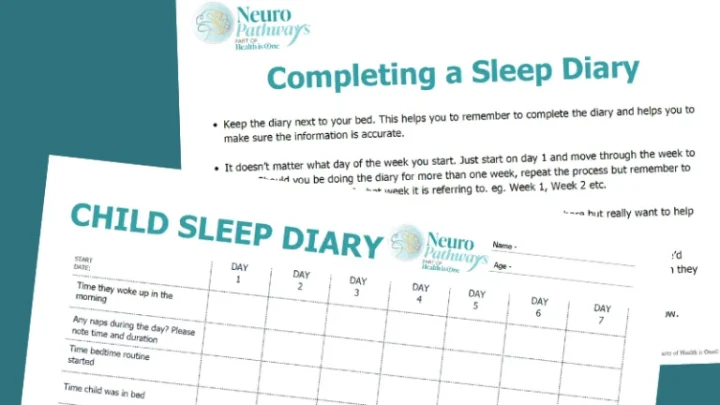
Tracking means writing down timestamps and patterns, not guessing from memory. At 3 a.m., nobody remembers whether that last waking was 45 minutes ago or two hours ago. A written record settles it in seconds.
It matters for one big reason: pediatricians make decisions based on trends. "She seems off" gives your doctor nothing. "She slept 15 hours total, refused two feeds, had three wet diapers instead of six, and her fever hit 101.2°F" gives them everything they need.
The second reason is calmer nights for you. When you have a plan, you stop hovering over the crib wondering if you should intervene. You check the log, apply a rule, and move on.
The catch is that sleep changes alone rarely tell the whole story. A baby who sleeps extra during a cold is normal. A baby who's hard to wake is not.
That's why tracking works best as a package: sleep plus feeding, diapers, and temperature together. We'll build that exact system below.
Your Baseline: The 3 Numbers to Know Before Baby Gets Sick
Everything in sick-day tracking hinges on comparison. You can't spot "different" without knowing "normal." In our research across pediatric guidance, three numbers do almost all the work.
- Total sleep in 24 hours. Count naps and nights together. Most infants land between 12 and 16 hours, but your baby has a personal normal.
- Night wakings. Note how many times your baby typically wakes and how long it takes to settle each one.
- Wet diapers per day. Four to six is the healthy benchmark. This doubles as your hydration check during illness.
Write these down today, while your baby is well. A note on your phone works fine. If your baby is 6 months old, sleeps 14 hours, wakes twice a night, and soaks six diapers, that's your reference point.
Then, when illness hits, the math becomes simple. Sixteen hours instead of fourteen? Normal sick sleep.
Twenty hours and hard to rouse? That's a different conversation.
One more baseline worth having: your pediatrician's after-hours number and the threshold for calling. Save it now. Nobody should be searching for phone numbers with a sick baby on their shoulder.
The Sick-Day Tracking Workflow, Step by Step
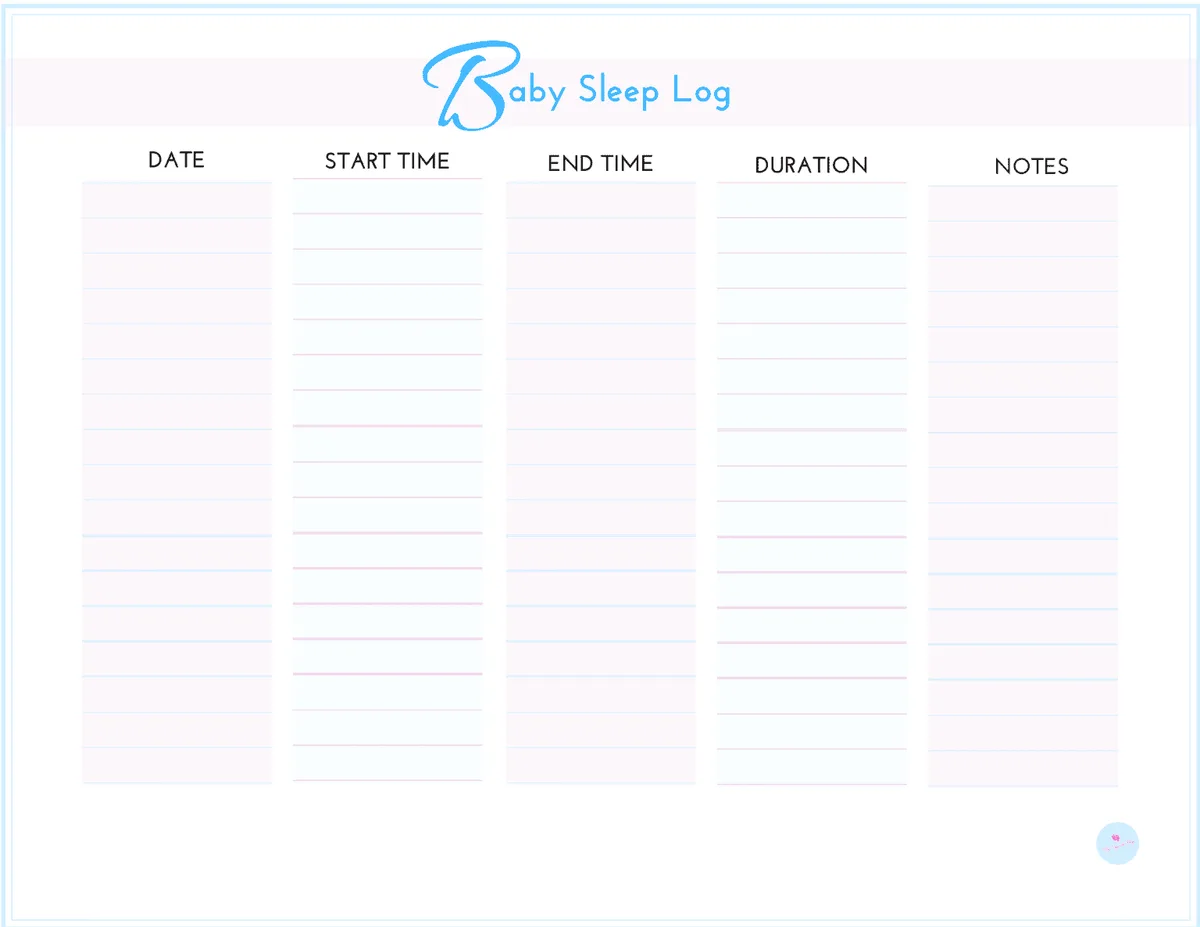
Here's the workflow we recommend, built for exhausted parents rather than spreadsheet lovers. It takes about 60 seconds per entry.
Step 1: Start the log at the first symptom. Note the date, symptoms, and your baby's baseline numbers at the top.
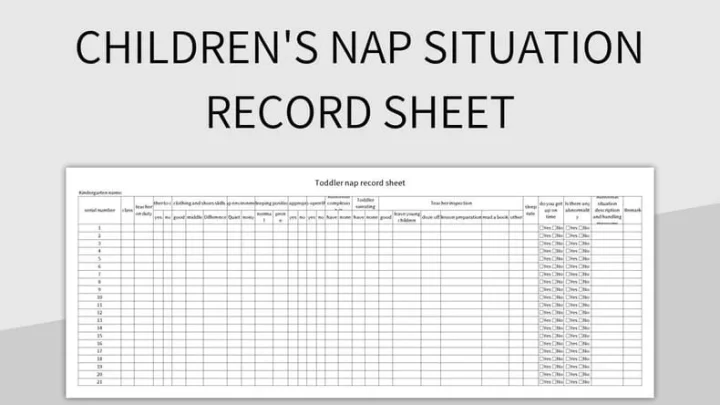
Step 2: Log every sleep. Record when sleep started, when it ended, and whether it was a nap or night sleep. That's it.
Step 3: Log feeds and diapers at the same time. Pair them together so you never forget. The 60-second method: after each feed, jot down the time, the feed amount or duration, and the most recent diaper.
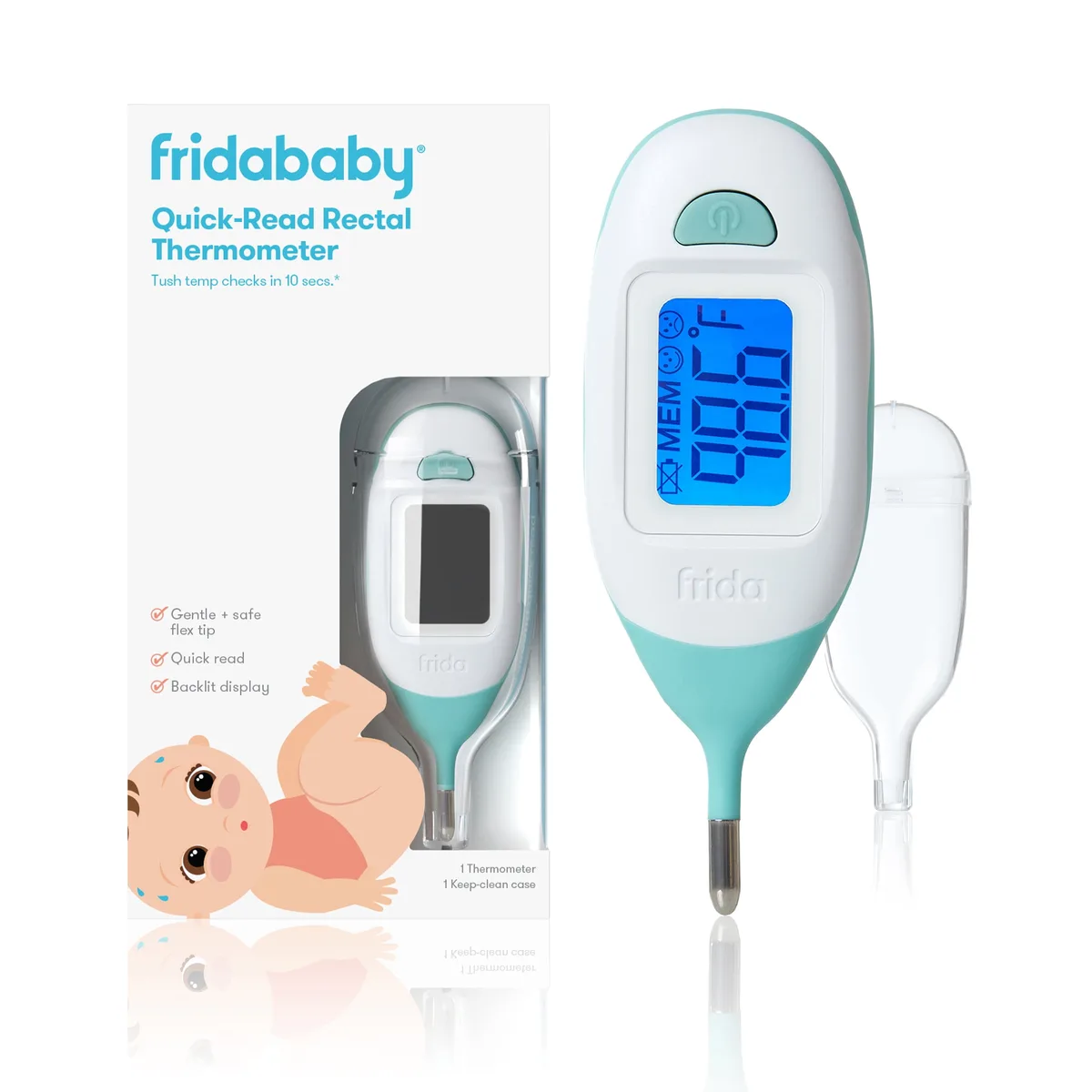
Step 4: Take temperatures at set intervals. Every 4 to 6 hours while fever is present is plenty. More frequent checks just stress everyone out. For babies under 12 months, the American Academy of Pediatrics considers rectal readings the most accurate.
Step 5: Do one visual check per nap. Peek in and note breathing effort and color. You don't need to hover all night.
Step 6: Review the log once, daily. Look at the last 24 hours as one block. Add up sleep, feeds, and diapers. This single review is what you'll bring to the pediatrician.
That's the whole system. Consistency beats detail every time.
Decision Branches: Keep Watching, Wake Baby, or Call the Doctor
This is where tracking pays off. Once you have data, every moment becomes an if/then decision instead of a panic.
If baby is sleeping longer than usual but wakes to feed and settles normally, then keep watching. Extra sleep helps the immune system fight. Log it and let it happen.
If a nap runs past the usual wake-window limit and baby hasn't fed in 4 or more hours, then gently wake for a feed. Hydration matters more than sleep streaks during illness. Feeding refusal plus fewer wet diapers is a dehydrating pattern you want to catch early.
If fever pushes past your pediatrician's dosing threshold, then wake for medication per weight-based dosing your doctor gave you. Otherwise, let fever run its course during sleep unless your doctor says otherwise.
Call the pediatrician same-day if:
- Baby is under 3 months with any rectal fever of 100.4°F or higher
- Sleep is much heavier than baseline and baby is hard to rouse
- Feeds drop by half or wet diapers fall below four
- Sleep disruption lasts beyond 5 to 7 days
Go to emergency care immediately for: labored breathing, ribs pulling in with each breath, blue or gray lips, or inconsolable crying. Sleep changes alone rarely cause alarm. Lethargy combined with poor intake is the pattern that does.
Mistakes Parents Make When Tracking a Sick Infant's Sleep
The biggest mistake is relying on memory instead of the log. Sick-week blur is real, and guesses become "facts" in your pediatrician conversation. Write things down the moment they happen.
The second mistake is treating every wearable alert as an emergency. Consumer monitors like the Owlet Dream Sock are wellness trackers, not FDA-approved medical devices. False alarms and sleep-notification anxiety are among the most common complaints in verified buyer feedback.
Trust your eyes and the log first.
Watch for these other common errors:
- Tracking sleep only. Sleep data without feeds, diapers, and temperature misses the dehydration pattern that actually matters.
- Waking baby to "check" constantly. One visual check per nap is enough unless something looks wrong.
- Confusing teething or a sleep regression with illness. Teething rarely causes true fever. Log the temperature, not the assumption.
- Quitting the log too early. Keep tracking until baby's numbers return to baseline for 48 hours. Rebound disruption in days 5 through 7 is common.
- Comparing your sick baby to other babies. Only your baseline counts.
Tools Compared: Paper Log, App, and Smart Monitor
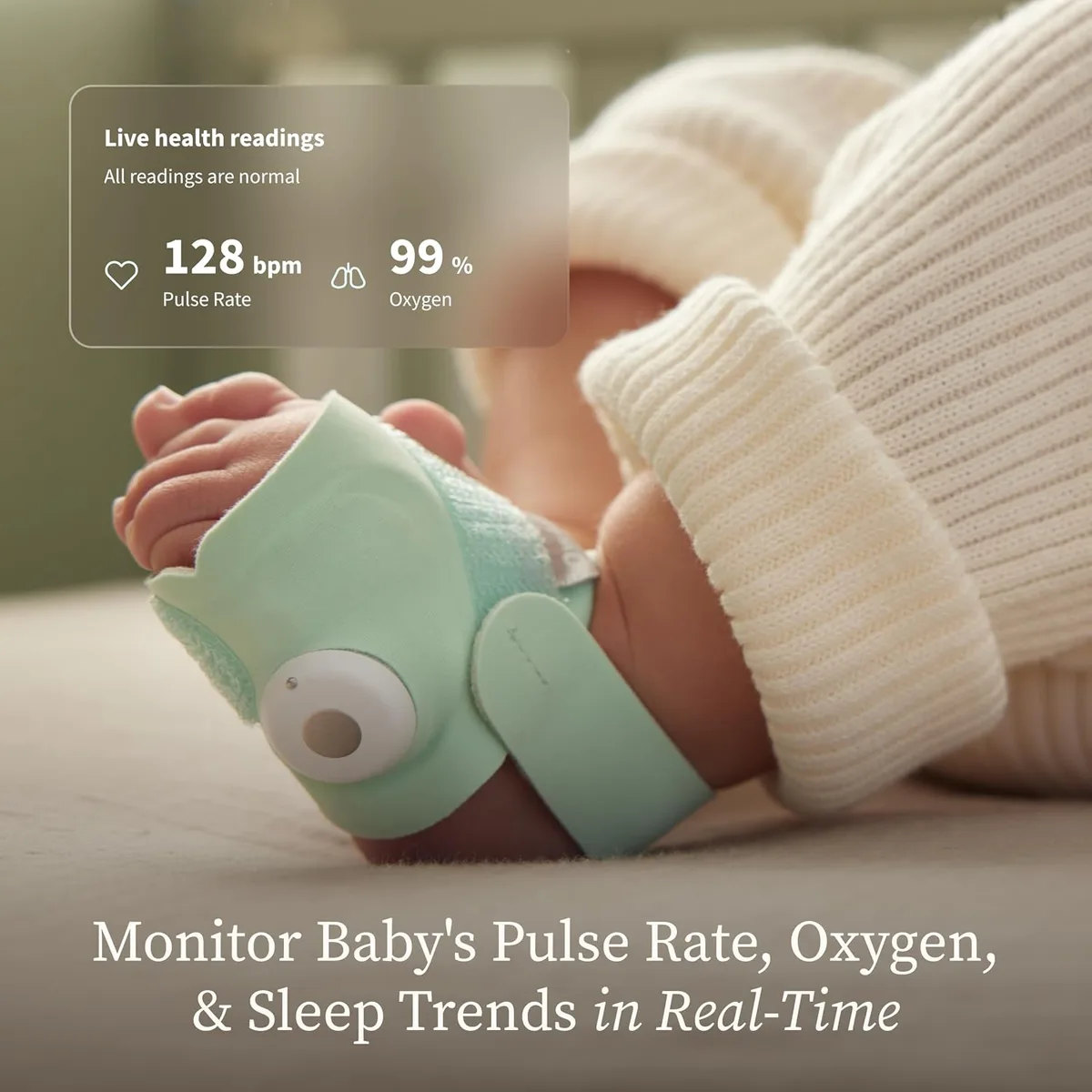
You don't need gear to track well. Here's how the three main options stack up, and who each one suits best.
| Tool | Best For | Strengths | Limits |
|---|---|---|---|
| Paper log or notes app | Every family, zero cost | Fast, private, easy to share with a doctor | Easy to forget entries at 3 a.m. |
| Tracking apps (Huckleberry, Cubtale) | Parents already logging healthy days | One-tap entries, trend charts, multi-caregiver sync | Subscription features, phone dependency at night |
| Smart monitors (Owlet, Nanit) | Anxious parents, reflux or preterm babies | Automatic sleep data, room temperature, night video | Cost ($150 to $400), false alarms, not medical devices |
Our advice after comparing specs and user reviews: pick one primary method and stick with it. Mixing a paper log with an app creates gaps, and gaps are exactly what you don't want during illness.
For most families, a tracking app plus a reliable rectal thermometer covers everything. A video monitor earns its keep at night, letting you watch breathing without entering the room. Wearables are optional comfort, not a requirement.
Never let a sock or sensor replace a direct look at your baby's color, breathing, and responsiveness.
Red Flags: When Sleep Changes Mean Call Now
Most sick-baby sleep changes are harmless. These are not. Per guidance from the American Academy of Pediatrics, treat the following as immediate-action territory.
Call 911 or go to the ER if:
- Labored breathing, grunting with each breath, or ribs pulling in (retractions)
- Blue or gray lips, tongue, or face
- Baby cannot be roused or wakes limp and unresponsive
- Fewer than three wet diapers in 24 hours with lethargy (dehydration)
Call the pediatrician same-day if:
- Any rectal fever of 100.4°F or higher in a baby under 3 months
- Sleep is dramatically heavier than baseline and baby is hard to wake for feeds
- Feeding drops by half for more than 24 hours
- Fever above 104°F at any age, or fever lasting beyond 3 days
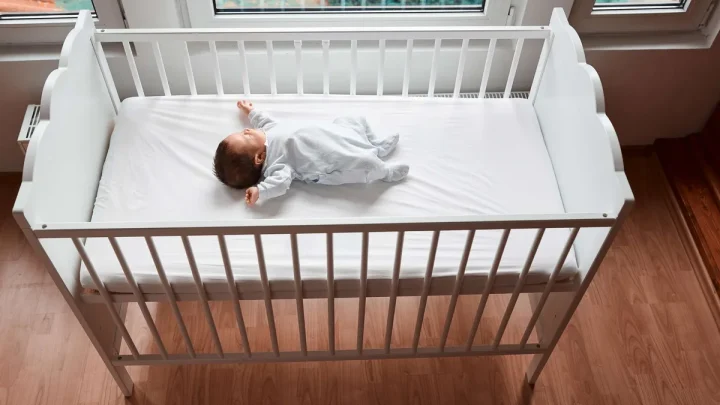
Safe sleep still applies during illness. It's tempting to add blankets or prop baby up when she's congested. Don't. The AAP recommends back sleeping on a firm, bare mattress for every sleep, sick or healthy.
Run a cool-mist humidifier instead, and use saline drops with a bulb syringe before feeds and sleep for congestion.
One caution on medication: the FDA advises against any over-the-counter cough and cold medicines for children under 2. If you're giving acetaminophen or ibuprofen, dose strictly by weight per your pediatrician's instructions, and log each dose with a timestamp so you never double up.
Your Sick-Day Decision Guide at a Glance
Everything above, condensed into one reference you can screenshot.
| Observation | Action |
|---|---|
| Extra sleep, wakes to feed, normal color and breathing | Keep watching, log it |
| Nap exceeds 4 hours without a feed | Gently wake for a feed |
| Hard to rouse, limp, or listless when awake | Call pediatrician now |
| Fever 100.4°F+, baby under 3 months | Same-day medical contact |
| Labored breathing, blue lips, inconsolable | Emergency care immediately |
| Symptoms past 7 days without improvement | Schedule a visit |
Three closing habits make all of this stick. First, set up your baseline numbers and your doctor's after-hours number before illness strikes. Second, keep the log simple enough that you'll actually maintain it at 3 a.m.
Third, trust the trend, not any single reading. One rough night is data. Three is a pattern worth a phone call.
Frequently Asked Questions
Is it normal for a sick baby to sleep much more than usual?
Yes. Most infants add 1 to 3 extra hours of sleep during illness, and that rest helps the immune response. It's concerning only if baby is hard to rouse, refuses feeds, or shows fewer wet diapers than your baseline of 4 to 6 per day.
Should I wake my sick baby to take a fever temperature?
Not every cycle. Check temperature every 4 to 6 hours while fever is present, timed with natural wakings when possible. If a nap runs long and your baby hasn't fed in 4 or more hours, wake gently for a feed and take the temperature then.
How do I track sleep at night without waking my baby?
Use a video or audio monitor for breathing and color checks instead of entering the room. Jot timestamps on your phone with the screen dimmed. Respond only when a waking needs you, and let the monitor handle the watching in between.
What sleep changes are red flags during illness?
Alarm bells include dramatically heavier sleep with hard-to-wake behavior, labored or grunting breathing, blue or gray lips, and lethargy paired with poor feeding. Sleep changes alone are rarely dangerous. The combination of sleepiness plus poor intake is the pattern that warrants a call.
Can teething cause sleep changes that look like sickness?
Teething can disrupt naps and nights, but it rarely produces a true fever over 100.4°F. If your thermometer shows a real fever, treat it as illness, not teeth. Log the reading and follow the same thresholds in this guide.
How long does sick-related sleep disruption usually last?
Most viral illnesses disrupt sleep for 3 to 7 days, with some rebound wakefulness as symptoms clear. If sleep hasn't trended back toward your baseline within about a week, or new symptoms appear, check in with your pediatrician.

Similar Posts