When to Worry: Signs of Unusual Sleepiness in Your Baby
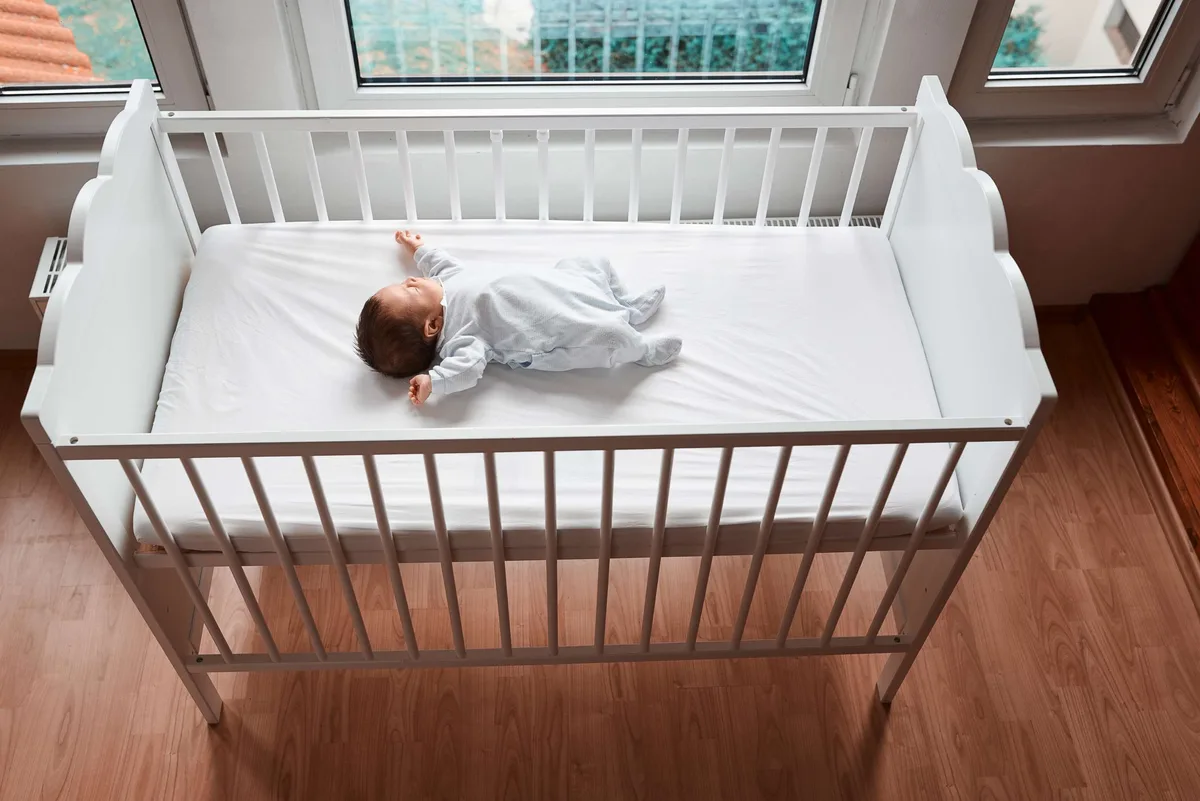
Your baby has been sleeping far more than usual, and something feels off. That instinct deserves attention, because how to recognize unusual sleepiness in a baby comes down to one core skill: telling deep but normal sleep from true lethargy. Lethargy means a baby is hard to wake, stays drowsy even after waking, and doesn't feed with normal energy.
Here's the baseline most pediatricians use. Healthy newborns sleep 14 to 17 hours a day but wake to feed every 2 to 3 hours, including overnight. Per American Academy of Pediatrics guidance, a baby who sleeps through a feed, fights waking, or feeds weakly needs closer evaluation.
Let's start by drawing that line clearly.
Quick Answer
Unusual sleepiness in a baby means sleeping far beyond normal patterns or being hard to wake for feeds. Check if your baby wakes for feedings every 2 to 3 hours. Watch for weak sucking, floppiness, pale or yellowish skin, and fewer wet diapers.
If you cannot wake your baby or they miss two feeds in a row, contact a pediatrician immediately. Fever of 100.4°F (38°C) or higher in a baby under 3 months is always an emergency.
What Counts as Unusual Sleepiness in a Baby (And What's Just Normal Sleep)
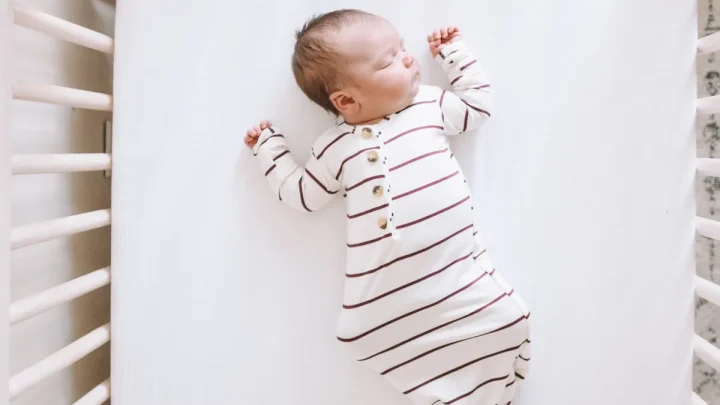
Newborns sleep a lot. That's healthy and expected. In the first weeks, most babies sleep 14 to 17 hours across each 24-hour period, broken into short stretches.
They wake because hunger pulls them out of sleep, and they feed with real energy once they're up.
The key distinction is simple. A normally sleepy baby still wakes reliably for feeds, still sucks strongly, and still has alert periods during the day. An unusually sleepy baby doesn't.
In our research across pediatric guidance, the recurring pattern is a baby who has to be nudged awake, dozes off within a minute of starting to feed, and never reaches a genuinely alert state.
So the sleep hours themselves matter less than what happens between them. Ask yourself these questions after each sleep stretch:
- Did my baby wake on their own or need significant effort to rouse?
- Once awake, are their eyes open and tracking, or glazed and closed again?
- Did they feed for a normal length of time with strong, rhythmic sucking?
- Are they back to their usual behavior after the feed?
If you answered yes, yes, yes, and yes, you're likely looking at normal newborn sleep. If your baby needs real effort to wake and doesn't perk up afterward, treat that as unusual sleepiness until proven otherwise.
Image source: Web (Bing) / ar.inspiredpencil.com (Web image (fair-use with source credit))
Why Getting This Right Matters: Lethargy vs. a Good Sleeper
Here's the uncomfortable truth. Lethargy in a newborn is one of the classic early signs of serious illness, including infection, dehydration, low blood sugar, and neonatal sepsis. Young infants can't tell you anything.
Their behavior is the only symptom report they can give, and unusual sleepiness is often the first and sometimes the only sign.
The danger is that a lethargic baby can look like a "good sleeper." Friends and family may praise the long stretches. The CDC notes that infants under 3 months can develop serious bacterial infections with few symptoms beyond poor feeding and unusual drowsiness. Young babies in this age group can even run low body temperature instead of fever, so the absence of fever proves nothing.
Waiting it out carries real risk. A newborn who skips feeds because of sleepiness can slide into dehydration and low blood sugar within hours, which makes the sleepiness worse. It's a downward spiral, and catching it at the top matters.
This doesn't mean panic every time your baby naps long. It means you need a reliable way to separate "sleepy baby" from "lethargic baby." The next two sections give you exactly that, starting with a test you can run tonight.
The Core Signs: How to Check Your Baby's Alertness
The "Can You Wake Them?" Test
If you're worried right now, do this first. It takes about three minutes and answers the biggest question.
- Pick your baby up and gently jostle or talk to them. Most babies stir at handling and voice.
- Unswaddle or undress them down to the diaper. Mild coolness on the skin is a natural wake-up trigger.
- Change their diaper. It's the classic trick because it works.
- Try skin-to-skin contact against your chest, then attempt a feed.
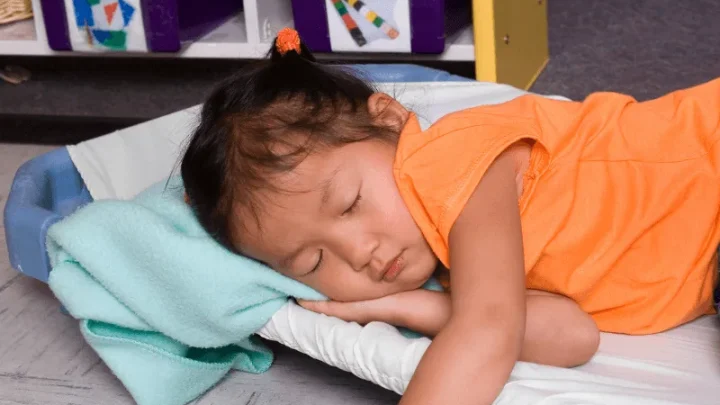
Now read the result. A healthy baby wakes, even grumpily, and shows feeding cues like rooting or mouthing. A lethargic baby barely stirs, or wakes briefly with weak movement and sinks back to sleep within a minute or two.
If your baby sleeps through undressing, a diaper change, and a feeding attempt, stop watching and call for help. That's a same-day medical call, not a tomorrow one.

Image source: Web (Bing) / lovepik.com (Web image (fair-use with source credit))
What True Lethargy Looks Like During Feeds
Feeding is your best window into your baby's condition, because a well baby feeds hungrily and a sick baby doesn't. Watch for these patterns:
- Falls asleep at the breast or bottle within the first minute or two, every time
- Weak, shallow sucking with long pauses and no bursts
- Takes far less volume than usual and shows no frustration about it
- Doesn't root or fuss when feeding is offered
- Stays drowsy and floppy even after a full feed
Also check the output. By day 5 of life, a healthy newborn should produce about 6 or more wet diapers per day. Fewer wet diapers combined with sleepiness points to dehydration, and that combination warrants a call today.
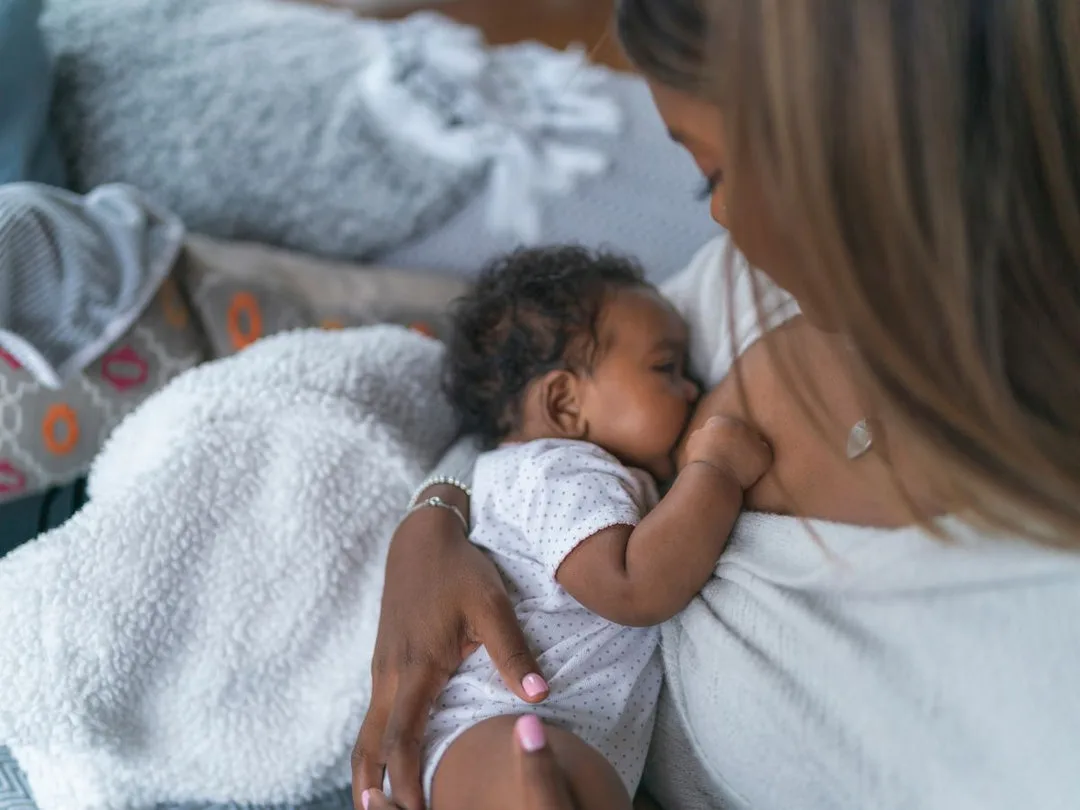
Image source: Web (Bing) / easyjugadgets.com (Web image (fair-use with source credit))
Normal Sleep Benchmarks by Age: What to Expect
You need a baseline before you can spot a deviation. Here's what typical sleep and feeding look like at each stage.
| Age | Total sleep per 24 hrs | Wake-to-feed pattern | Alert behavior |
|---|---|---|---|
| 0–4 weeks | 14–17 hours | Every 2–3 hours, day and night | Short quiet-alert windows after feeds |
| 1–3 months | 13–16 hours | Every 3–4 hours, one longer stretch may start | Clear eye contact, brief cooing |
| 3–6 months | 12–15 hours | Every 3.5–4.5 hours; night waking still normal | Smiles, babbles, tracks faces |
| 6–12 months | 12–14 hours | Solid feeds 4–5 times daily; often sleeps longer at night | Playful, mobile, engaged between naps |
Two things trip parents up in this table. First, cluster feeding is normal. Newborns sometimes feed constantly during growth spurts and stay sleepy in between, but they still wake eagerly and feed vigorously.
Second, sleep regressions around 4 months can shift patterns, yet a baby going through one stays alert and interactive while awake. Deviation from the benchmarks above is only concerning when it comes packaged with weak feeding, hard waking, or personality change. A baby who sleeps more but is bright and feeding well is usually fine.
A baby who sleeps more and is dull between sleeps is not.
Red Flags That Mean Call the Doctor Now
Some signs move you from "observe" to "act." Call your pediatrician the same day if your baby is unusually sleepy along with any of these:
- Missed or refused two consecutive feeds
- Fewer than 4 wet diapers in 24 hours after the first week
- Yellowing of the skin or eyes, since jaundice causes dangerous sleepiness in newborns
- Weak cry, floppiness, or reduced movement
- Rectal temperature below 97.5°F (36.4°C) or above 100.4°F (38°C)
- Pale, mottled, or grayish skin
- A sunken fontanelle, which is the soft spot on top of the head
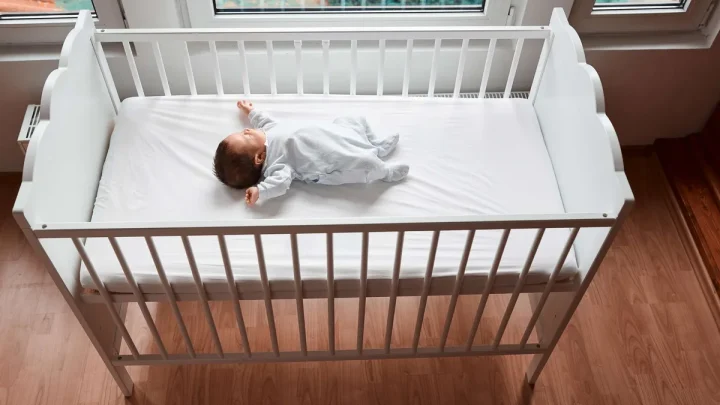
Go straight to the emergency room if your baby is unresponsive, cannot be woken at all, has blue or gray lips, breathes with grunting or flaring nostrils, or goes limp. Don't drive yourself if you're alone and shaken; call emergency services.
Per the American Academy of Pediatrics' newborn illness guidance, any fever of 100.4°F (38°C) or higher in a baby under 3 months requires immediate evaluation, regardless of how the baby seems otherwise. Trust that rule even at 2 a.m.
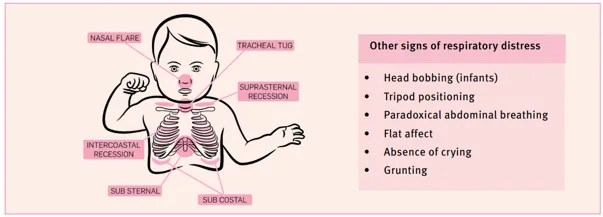
Image source: Web (Bing) / fity.club (Web image (fair-use with source credit))
Common Mistakes Parents Make With a Sleepy Baby
The biggest mistake is waiting too long because "babies sleep a lot." They do, but a newborn who sleeps through two consecutive feeds has crossed a line. Time matters here because dehydration and low blood sugar compound quickly in small bodies.
The second mistake is blaming yourself or your milk supply. Many breastfeeding parents assume a sleepy baby means low production. Sometimes that's true, but more often the sleepiness is the illness itself, not a feeding problem.
An International Board Certified Lactation Consultant (IBLC) can help sort out which is which, but a lethargic baby needs a pediatrician first, not a feeding adjustment.
Third mistake: trusting the absence of fever. As covered earlier, young infants often drop their temperature when sick rather than spiking it. A rectal reading of 97.5°F or below in a newborn is just as alarming as a fever.
Finally, don't rely on another caregiver's reassurance without checking yourself. Grandparents and daycare staff often default to "they're just tired." Run the wake test and check the diaper count yourself before accepting that answer.
What to Do Next: Waking Techniques and Home Monitoring
If your baby wakes fairly easily and feeds reasonably well, you can monitor at home while staying alert. Here's the practical playbook.
- Undress to the diaper for feeds. The cool air helps override sleepiness.
- Use skin-to-skin contact before and during feeds. Physical closeness stimulates alertness.
- Try a cool, damp cloth on the face or feet just before feeding.
- Tickle the feet or rub the back gently if baby dozes off mid-feed.
- Switch sides or burp when sucking slows, which resets some babies.
Keep a simple log for 24 hours. Track feed times, minutes at the breast or ounces taken, and wet diapers. Pediatricians make much better assessments with real numbers in hand.
Most want to see at least 6 wet diapers daily after day 5, and steady feed frequency matching the benchmarks in the table above.
If two rounds of waking techniques don't produce a genuinely alert, feeding baby, stop troubleshooting. That's the decision point where monitoring ends and a medical call begins. There's no penalty for calling too early, and pediatricians expect these calls, especially in the first month.
FAQs
How can I tell the difference between a sleepy baby and a lethargic baby?
A sleepy baby wakes reasonably easily, feeds with strong sucking, and has alert periods between sleeps. A lethargic baby needs real effort to rouse, feeds weakly or not at all, and stays dull and floppy even after waking. The wake test from earlier tells you which you're dealing with in about three minutes.
Is it normal for newborns to sleep through feeds?
No. Newborns need to eat every 2 to 3 hours, including overnight, and healthy babies wake on their own to do it. Occasionally sleeping through one feed isn't alarming, but a baby who regularly sleeps through feeds or is hard to wake for them needs evaluation.
Weight gain depends on those feeds.
Can jaundice make my baby too sleepy?
Yes, and it's one of the most common causes of newborn sleepiness. Bilirubin buildup makes babies drowsy, which reduces feeding, which worsens jaundice in a dangerous loop. Check for yellowing on the face, chest, and whites of the eyes in natural light.
Any jaundice combined with poor feeding warrants a same-day pediatrician visit.
When should I take a sleepy baby to the ER instead of calling the doctor?
Go to the ER immediately if your baby cannot be woken at all, is limp or unresponsive, has blue or gray lips, or breathes with grunting sounds. Also go for any fever of 100.4°F or higher in a baby under 3 months, or a rectal temperature below 97.5°F. Don't drive yourself if you're alone and frightened; call emergency services.
Why is my baby suddenly sleeping more than usual?
Sudden increases in sleep can be normal during growth spurts, usually around 7 to 10 days and 3 weeks, especially if feeding stays strong. But if the extra sleep comes with weak feeding, fewer wet diapers, floppiness, or a personality change, treat it as illness until a doctor rules it out. The company the sleepiness keeps matters more than the sleep itself.
Does vaccination make babies unusually sleepy?
Some drowsiness in the 24 to 48 hours after vaccines is common and usually harmless, per CDC guidance on post-vaccination reactions. The concern threshold is unchanged: a baby who won't wake, won't feed, or develops fever over 100.4°F before 3 months of age still needs immediate care. Extra sleep with normal feeding and waking is fine.

Similar Posts