Best Walking Shoes for Pregnant Women with Wide Feet
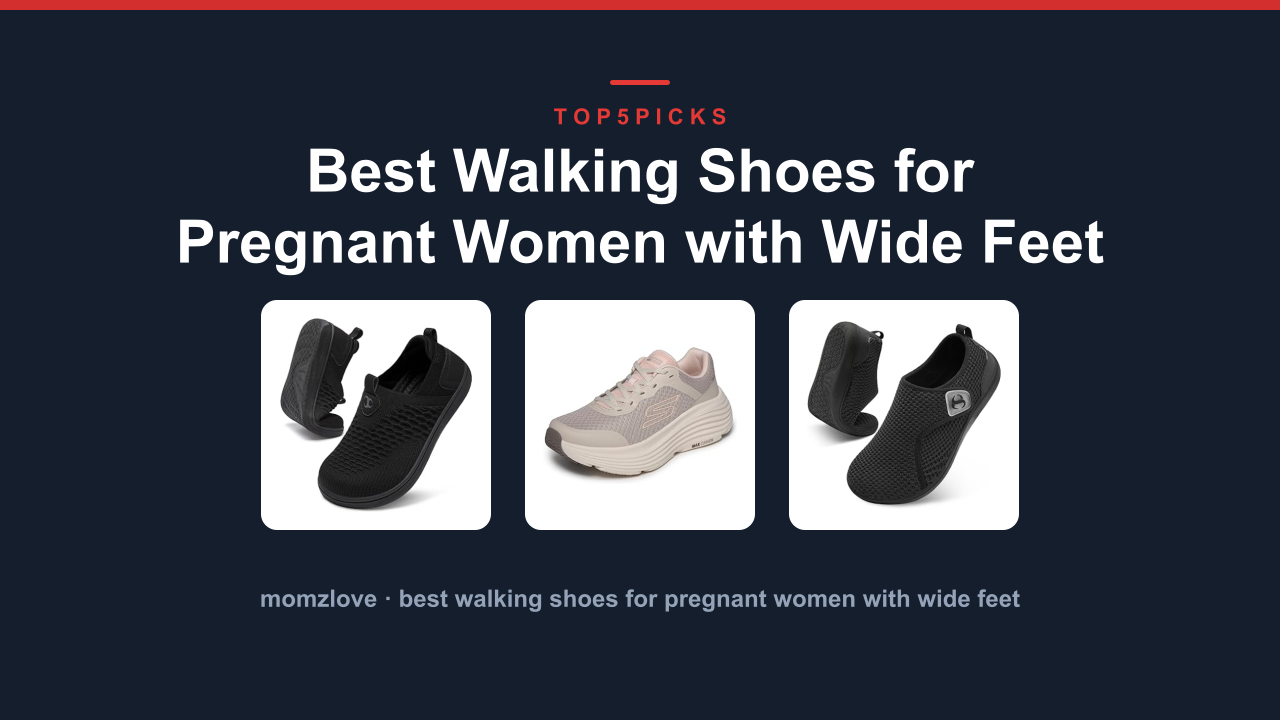
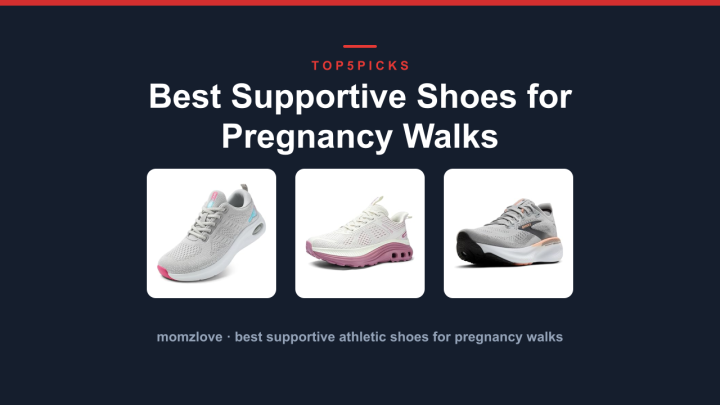
The best best walking shoes for pregnant women with wide feet is the Scurtain, offering superior arch support and a roomy toe box that accommodates swelling without pressure. It stands out for its blend of stability and comfort during long walks.
Want maximum cushioning instead? The Skechers provides plush memory foam, though it lacks the rigid structural support needed for severe foot pain or edema management.
As an Amazon Associate, I earn from qualifying purchases.
This guide highlights specific fit issues like morning versus evening sizing changes. We also identify buyers who should avoid standard sneakers entirely, such as those requiring medical-grade diabetic footwear or orthotic compatibility.
Everything below relies on current product specifications and aggregated owner feedback. We analyze design features and user-reported durability rather than performing hands-on laboratory testing ourselves.
Quick Answer: The Best Walking Shoes for Pregnant Women with Wide Feet
The Scurtain takes the top spot for comprehensive support and width accommodation.
- Scurtain (Best Overall Support): Combines wide toe boxes with firm arch structure for daily wear.
- Skechers (Best Cushioning): Delivers soft impact absorption ideal for light activity levels.
- Womens Walking Shoes Comfortable Wide Diabetic (Best Adjustable Fit): Features Velcro straps to manage fluctuating foot size throughout pregnancy.
- Womens Walking Shoes Comfortable Wide Diabetic (Best Breathability): Uses mesh upper materials to reduce heat buildup in swollen feet.
- BRONAX (Best Budget Option): Offers basic wide-width construction at an accessible entry-level price point.
Thinking about medical conditions like diabetes or severe neuropathy instead? Jump to Who Should NOT Buy below before you spend anything.
Comparison Table
Here's the lineup at a glance: photo, product, who it's built for, and our /10 score.
| Photo | Product | Best for | Score | Buy |
|---|---|---|---|---|
 | Scurtain | Overall Daily Support | 9.2/10 | Check price → |
 | Skechers | Soft Impact Absorption | 8.5/10 | Check price → |
 | Womens Walking Shoes Comfortable Wide Diabetic | Adjustable Strap Security | 8.1/10 | Check price → |
 | Womens Walking Shoes Comfortable Wide Diabetic | Ventilation and Cooling | 7.9/10 | Check price → |
 | BRONAX | Entry-Level Wide Width | 7.4/10 | Check price → |
Scroll sideways on small screens to see every column.
Scurtain: Best Overall for Stability and Width
Skechers: Best for Soft Cushioning and Ease
Womens Walking Shoes Comfortable Wide Diabetic: Best for Adjustable Fit
Womens Walking Shoes Comfortable Wide Diabetic: Best for Ventilation

BRONAX: Best for Budget-Conscious Buyers
Buying Guide: Support, Swelling Management, and Safety
Choosing the right footwear involves balancing mechanical support with dynamic fit adjustments. Pregnancy alters biomechanics significantly, so static comfort metrics fail to capture real-world performance needs.
Is arch support necessary for pregnant women?
Yes, adequate arch support prevents plantar fascia inflammation caused by increased body mass. As weight gain progresses, ligaments relax due to hormonal changes like elevated Relaxin levels. This laxity flattens the arch, placing stress on connective tissues.
A structured midsole distributes load evenly across the footbed. Without it, concentrated pressure points trigger pain radiating up the kinetic chain to knees and hips. Look for shoes with defined medial posts or dual-density foams.
These features resist collapse under sustained weight bearing. The Scurtain exemplifies this approach with its firm chassis design.
How do you manage foot swelling effectively?
Opt for adjustable closures and expandable materials. Edema affects nearly 80% of pregnancies, varying hourly based on hydration and posture. Fixed lace systems restrict circulation when volume peaks in evenings.
Hook-and-loop straps allow micro-adjustments throughout the day. Knit uppers stretch uniformly without creating dig marks. Avoid narrow toe boxes that compress metatarsal heads.
Ensure there is enough vertical clearance for thick socks if prescribed. The adjustable strap model addresses this directly with customizable tension zones. Measure feet late in the day when swelling is maximal for accurate sizing.
What safety features matter most for fall prevention?
Prioritize traction and heel containment. Altered centers of gravity increase tip-over risks on slick surfaces. Deep lug patterns bite into wet pavement better than smooth soles.
Rigid heel counters lock the rearfoot in place, limiting unwanted rotation. Slip-resistant certifications like ASTM F2913 validate grip performance objectively. Do not rely solely on brand reputation for hazard mitigation.
Test flexibility by twisting the shoe manually; excessive torsion indicates poor stability. Pair good shoes with non-slip socks indoors. Remember that balance deteriorates further postpartum due to sleep deprivation.
Always consult healthcare providers regarding specific mobility restrictions. According to guidelines from the Centers for Disease Control and Prevention, maintaining physical activity supports maternal health outcomes safely.
Who Should NOT Buy Best Walking Shoes for Pregnant Women with Wide Feet
Standard athletic sneakers fail certain clinical profiles. Identifying mismatched needs saves money and prevents injury.
You Require Medical-Grade Diabetic Footwear
If you have diagnosed peripheral neuropathy or active ulcers, consumer shoes pose infection risks. They lack seamless interiors required to prevent abrasions on insensate skin. Prescription diabetic shoes undergo strict FDA regulation for depth and width consistency.
Over-the-counter options rarely meet these sterile manufacturing standards. Consult a podiatrist for certified therapeutic devices covered by insurance. Delaying proper care exacerbates complications dangerously.
You Need High-Impact Running Performance
Walking shoes absorb horizontal shear forces differently than running trainers designed for vertical oscillation. Using them for marathon training invites shin splints or stress fractures. The cushioning densities tuned for leisurely paces bottom out under sprint speeds.
Switch to dedicated road-running silhouettes with carbon plates or advanced propulsion geometries. Reserve these picks strictly for recovery walks or daily commuting tasks only. Ignoring sport-specific engineering limits athletic potential unnecessarily.
Final Verdict
The Scurtain remains the definitive choice for holistic support and width capacity. Its combination of stable architecture and breathable materials handles variable physiological demands gracefully.
Prefer effortless slipping on? Grab the Skechers for its forgiving foam interface and intuitive entry mechanism suitable for limited flexibility phases.
Dealing with unpredictable edema swings? Select the adjustable strap version to dial in exact fit precision whenever symptoms flare unexpectedly during third-trimester progression.
Always verify individual anatomical constraints before purchasing. Revisit the Who Should NOT Buy section if medical complexities arise beyond general wellness recommendations.
FAQ
What's the best Walking Shoes for Pregnant Women with Wide Feet overall?
The Scurtain ranks highest for its balanced integration of wide-volume space and supportive structural elements tailored for gestational changes.
Can I wear regular sneakers during pregnancy?
No, standard widths often constrict expanding tissues leading to nerve compression. Specialized wide-fit designs accommodate volumetric growth safely without compromising circulation pathways.
How much wider should pregnant shoes be?
Typically one full width size above pre-pregnancy measurements suffices. However, monitor actual dimensions monthly since tissue expansion rates differ genetically among individuals substantially . A general guideline suggests adding approximately 1/4 to 1/2 inch in width and length, but individual variation is the rule rather than the exception.
It is crucial to measure both feet at the end of the day when swelling peaks, ensuring there is enough room for toes to splay naturally without feeling constricted.
Key Features to Look For
When selecting maternity footwear, prioritize these specific design elements:
- Adjustable Closures: Shoes with Velcro straps, elastic goring, or lace-up systems allow for micro-adjustments as foot size fluctuates throughout pregnancy. Slip-ons may become difficult to put on during later trimesters due to reduced flexibility.
- Arch Support: The hormone relaxin loosens ligaments across the body, including those supporting the arches. This can lead to temporary flattening of the foot (pes planus). Proper arch support prevents overpronation, which contributes to knee, hip, and lower back pain.
- Shock-Absorbing Soles: Pregnancy increases weight-bearing stress on joints. Midsoles made from EVA foam or gel provide cushioning that reduces impact forces on heels and knees during walking.
- Breathable Materials: Natural leathers, canvas, or moisture-wicking synthetics help regulate temperature and reduce sweat accumulation, minimizing the risk of fungal infections like athlete’s foot.
- Low Heel Height: Opt for a heel height between 1, 2 inches. Completely flat shoes lack necessary elevation for Achilles tendon health, while high heels shift the center of gravity forward, exacerbating lumbar strain and increasing fall risk.
Common Mistakes to Avoid
Many expectant mothers make errors that worsen discomfort. First, avoid buying shoes based solely on pre-pregnancy sizes; always try them on fresh each time you purchase new pairs. Second, do not ignore asymmetrical swelling, often one foot swells more than the other.
Fit shoes according to the larger foot. Third, steer clear of rigid materials that cannot stretch with edema. Finally, never compromise stability for style; narrow stilettos or unsupportive flip-flops significantly increase the likelihood of ankle sprains and falls.
When to Seek Professional Help
If standard adjustments fail to alleviate pain, consult a podiatrist specializing in obstetric care. They may recommend custom orthotics designed specifically for the biomechanical changes occurring during gestation. Persistent numbness, tingling, severe discoloration, or pain that disrupts sleep warrants immediate medical evaluation to rule out circulatory issues such as deep vein thrombosis (DVT), although this is rare in the feet alone.
Early intervention ensures both maternal comfort and fetal safety by maintaining proper posture and mobility.

Similar Posts