What to Ask Your Daycare About Infant Sleep Procedures
Asking how to ask daycare about infant sleep procedures feels awkward because you don't want to seem like the difficult parent. But here's the thing: good daycares expect these questions. The ones that bristle are telling you something.
The stakes are real. Per CDC data, about 3,500 infants die each year in the US from sudden unexpected infant death, and unsafe sleep settings are a known contributor. The American Academy of Pediatrics (AAP) publishes clear guidance, and licensed centers are supposed to follow it.
Your job is to confirm they actually do, and that starts with a short conversation.
Quick Answer
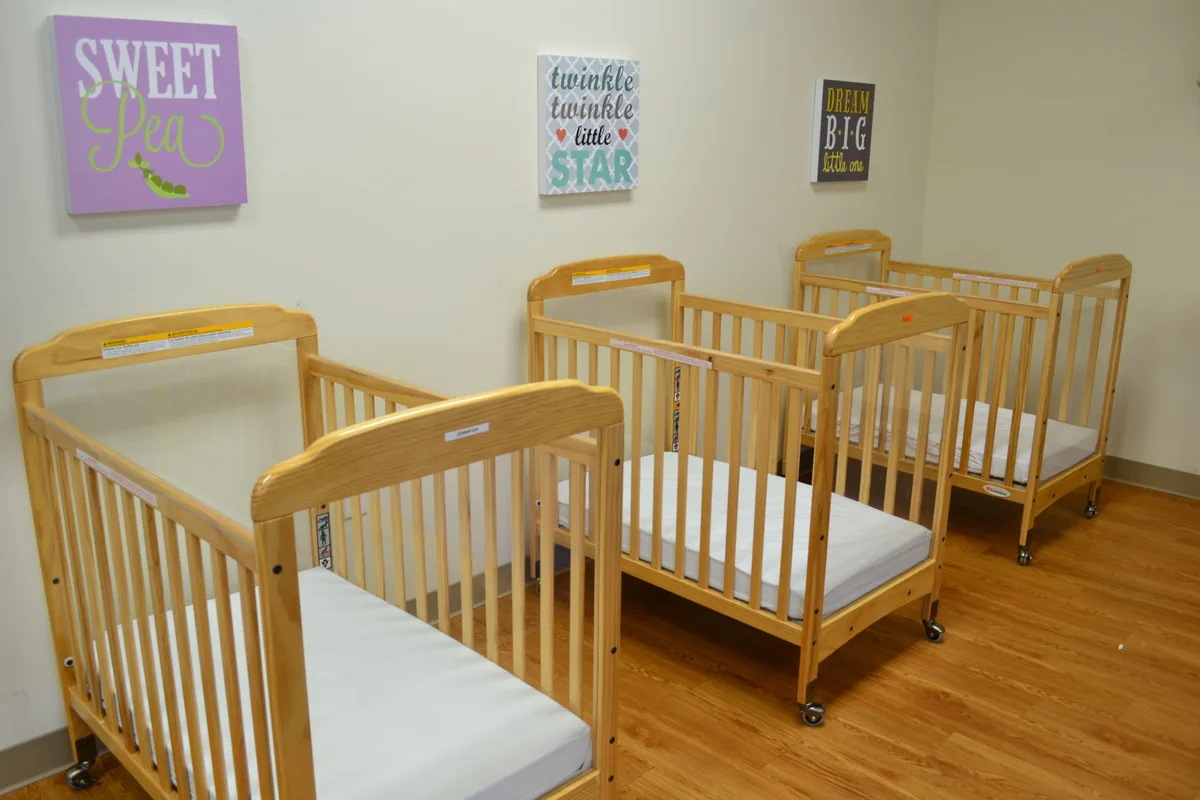
Ask for the center's written safe sleep policy before you enroll. Tour the infant room and check that cribs are bare, babies sleep on their backs, and staff check sleepers every 10 to 15 minutes. Ask how the policy handles rolling, swaddling, and pacifiers.
Get your baby's sleep plan in writing. If answers feel vague, ask the state licensing agency for the center's inspection history.
Why Asking About Infant Sleep Procedures Matters More Than Most Parents Realize
Most parents ask about tuition, hours, and meals. Sleep questions get skipped, often because the tour feels rushed or the topic feels confrontational. That's a costly skip.
Infant sleep is the one part of the day when your baby can't protect themselves. A center can look clean and warm and still lay babies on their stomachs "because they sleep better that way." In our research across state licensing citations, unsafe sleep is one of the most common infant-room violations.
There's also a practical angle. If home and daycare routines clash, naps fall apart and your baby comes home overtired. Asking early fixes both problems at once.
It protects safety and protects sleep quality.
Before You Ask: Know What Safe Sleep Should Look Like at Daycare
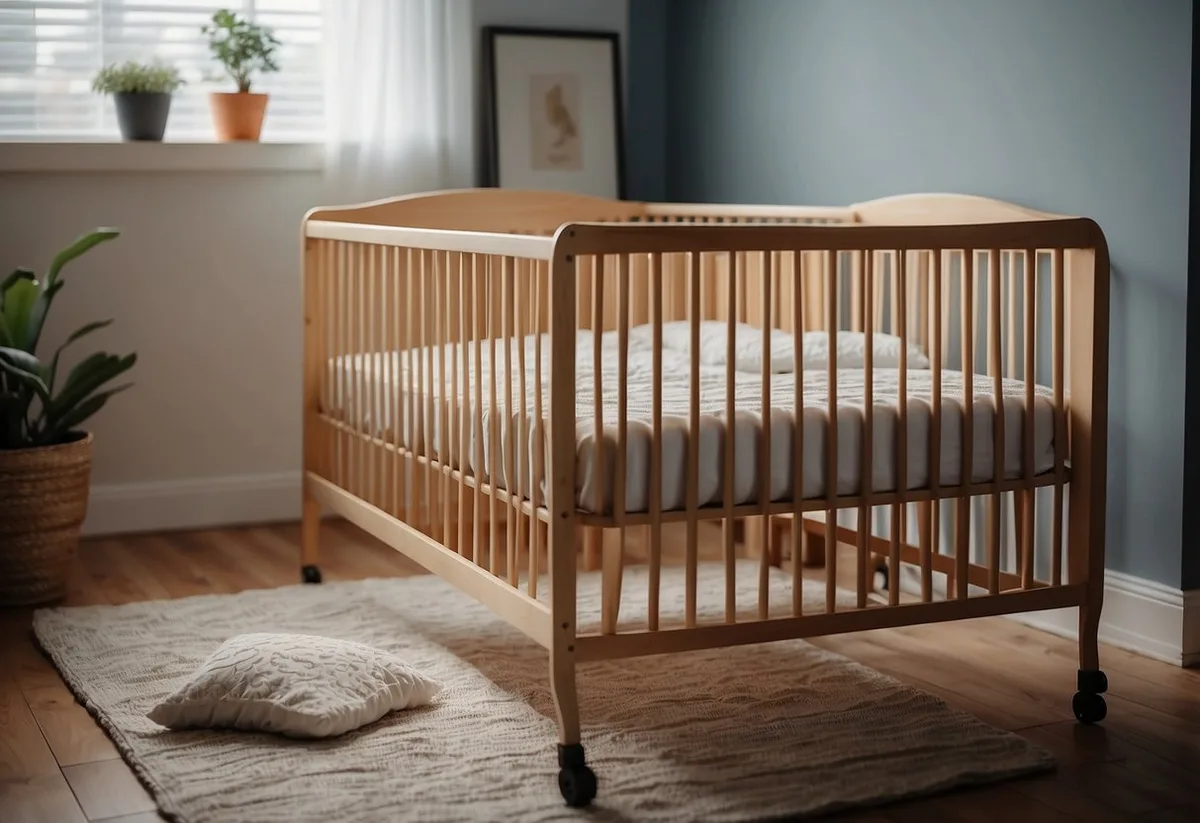
You can't spot a bad answer if you don't know what a good one sounds like. The Safe to Sleep campaign from the National Institutes of Health sets the baseline every reputable center should match.
Here's the checklist a compliant infant room should hit:
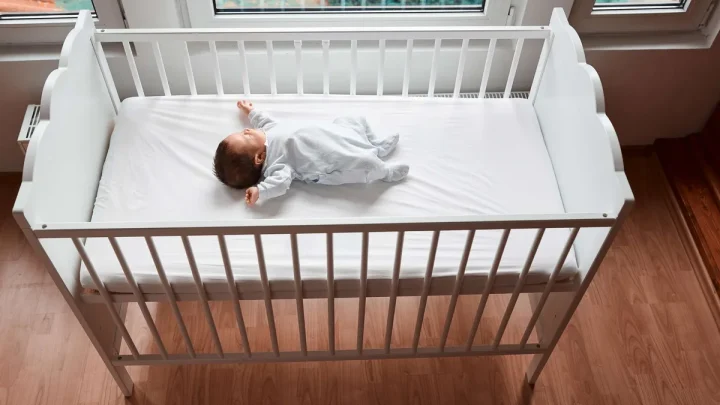
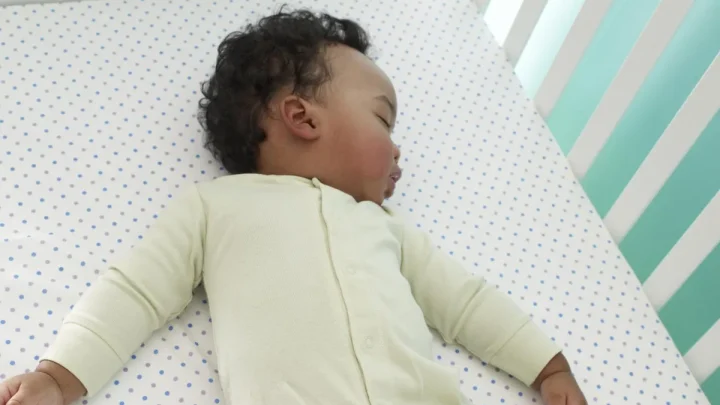
- Back to sleep, every sleep. Babies under 12 months go down on their backs, always.
- A bare crib. Firm mattress, fitted sheet, nothing else. No pillows, blankets, bumpers, or stuffed animals.
- One baby per crib. The crib is for sleep only, not storage or time-out.
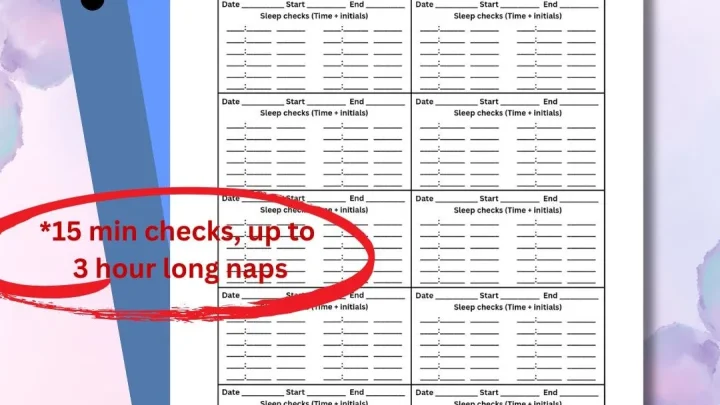
- Regular visual checks. Many states require checks every 10 to 15 minutes.
- A rolling plan. Once a baby rolls independently, staff know what to do.
- No swaddling after rolling starts. Some states ban swaddling in centers entirely.
What Your State's Licensing Rules Cover (and What They Don't)
As of 2026, every state licenses childcare centers, but the specifics vary. Ratios are commonly 1 adult to 4 infants, and sleep-check intervals differ by state. Some states spell out swaddle rules and room temperature.
Others leave more to policy.
So know this: a center can be fully licensed and still run sloppy sleep practices. Licensing is the floor, not the ceiling. If your state allows swaddling, for example, a great center will still follow AAP guidance on stopping once rolling begins.
Step-by-Step: How to Ask Daycare About Sleep Procedures (Tour, Enrollment, and Beyond)

This works best as a three-touch process: before the tour, at the tour, and at enrollment.
Before the tour. Email the director and ask one simple thing: "Can you send your written infant safe sleep policy?" A confident center replies within a day. Silence or a vague "we follow all the rules" tells you to probe harder.
At the tour. Ask to see the actual infant sleep area, not the brochure. Then use this list:
- "Where do babies sleep, and can I see the cribs?"
- "How do you place them down, and what if they roll?"
- "How often does someone check a sleeping baby?"
- "What's your swaddle and sleep sack policy?"
- "What bedding goes in the crib?"
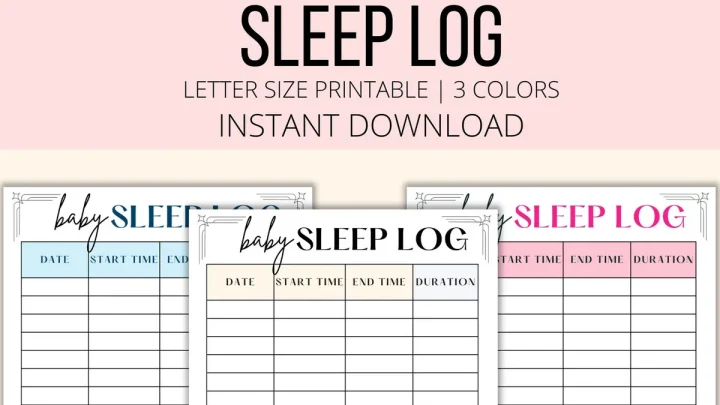
- "How will I know when and how long my baby napped?"
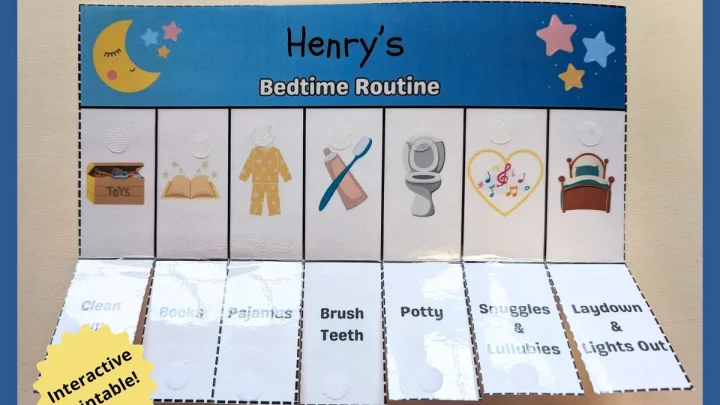
At enrollment. Put your baby's routine in writing. Note how they fall asleep at home, their usual nap windows, and any health notes like reflux. Ask the director to sign off or acknowledge it in the handbook.
One more tip: confirm with the actual infant room teachers, not just the director. The person answering the phone isn't the one laying your baby down at naptime.
Reading the Answers: Green Flags, Red Flags, and When to Walk Away
The answers matter less than how they're delivered. Here's how we'd sort what you hear.
| Green flags | Red flags |
|---|---|
| Hands you a written policy without prompting | "We've never had a problem" |
| Describes back-sleeping unprompted | "Some babies sleep better on their tummies" |
| Shows you the sleep room willingly | Won't let you past the front desk |
| Explains the rolling and swaddle rules | Blank stare at swaddle questions |
| Mentions state check intervals by name | No written policy anywhere |
If you get a green-flag center, great. If you get red flags, ask twice. Genuine misunderstandings happen, and a good director will correct clearly.
If the second answer is still fuzzy or defensive, keep looking. That's not overreacting. You're choosing who watches your child unconscious for two hours a day.
One caveat: an empty crib with a loose blanket draped over the side is a small thing that isn't small. Soft bedding in a supposedly bare crib is exactly the kind of detail to name, politely, on the spot.
What to Do If Practice Doesn't Match Policy (Teacher → Director → Licensing)
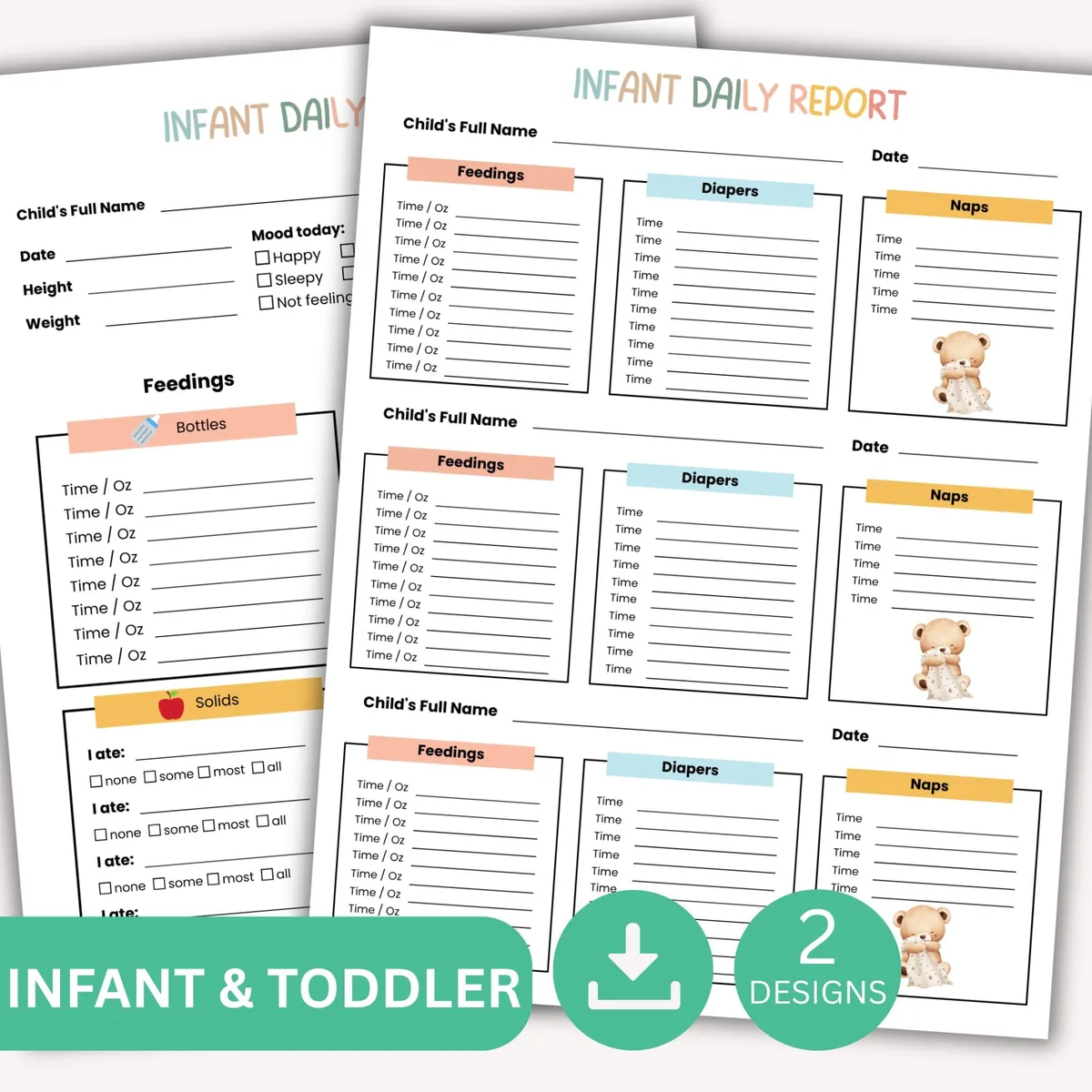
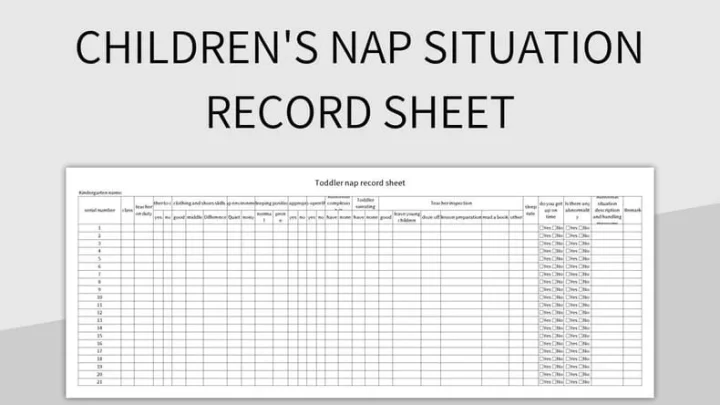
The daily sleep report is your early warning system. It should list nap times, durations, and how your baby was placed down. If the sheet says "back" but your baby's hair smells of the blanket, or nap logs look copy-pasted, pay attention.
Use this escalation path:
- Start with the teacher, kindly. "I noticed Maya went down on her side today. Can we make sure she's always on her back?" Most issues stop here.
- Go to the director if it repeats. Reference the written policy. Ask them to retrain or reassign.
- Document everything. Dates, times, what you saw, who you spoke with.
- File a licensing complaint if safety is at risk. Every state's licensing agency takes reports, and many accept anonymous ones.
If you see a baby on their stomach under 12 months, that's not a conversation for next week. Raise it that day. A center that fixes mistakes openly is still a safe center.
One that hides them isn't.
Common Mistakes Parents Make When Asking About Sleep
Even careful parents stumble here. These are the errors we see most often.
- Asking only the director. The director sets policy, but room staff follow it. Confirm with both.
- Accepting verbal answers. "Yes, we do safe sleep" means nothing without a written policy behind it.
- Front-loading everything at the tour. You're overwhelmed on a tour. Split questions between the visit and a follow-up email.
- Skipping the rolling milestone. If you don't re-ask when your baby starts rolling, staff may keep an outdated swaddle routine.
- Apologizing for asking. You don't need to preface with "sorry to be that parent." Good centers respect thoroughness.
- Waiting for a problem to surface. Asking after you've seen a violation starts you at step three of the escalation path instead of step one.
Here's the simplest reframe: these questions aren't accusations. They're intake paperwork for a partnership. The right center will treat them that way.
FAQs
When should I first ask about sleep procedures?
Before you enroll, ideally during the tour. Ask for the written safe sleep policy by email beforehand, then verify it in person. If your baby is already enrolled and you haven't had this conversation, do it this week.
Better late than after a naptime mistake.
What if the daycare swaddles and my baby rolls?
Tell them immediately, in writing. The AAP guidance says swaddling must stop at the first signs of rolling because a swaddled baby who flips can't reposition their head. Ask them to switch to a sleeveless sleep sack.
If they resist, that's a licensing-level concern.
How often should staff check on sleeping infants?
Many state licensing rules require visual checks every 10 to 15 minutes, though the exact interval varies by state. Ask your center to name their interval. If they can't, ask what their state requires and whether they follow it.
A specific answer is a good sign.
Can I ask to watch my baby during naps?
You can ask, and policies vary. Some centers have open-door viewing or camera access, while others limit it to reduce disruption. Even without viewing, you're entitled to the daily sleep report showing times, durations, and positioning.
Consistent, detailed logs are a strong substitute.
What do I do if my baby's naps fall apart at daycare?
Expect an adjustment period of two to four weeks. Share your home routine, nap windows, and soothing cues in the written sleep plan, and ask staff to mirror them. If short naps persist past a month, request a quick meeting to align schedules.
Overtired evenings usually improve once routines match.
Is it worth checking a daycare's inspection history?
Absolutely, and it's free. Your state licensing agency's website lets you search citations and inspection reports by provider name. Look specifically for infant sleep violations like unsafe bedding or placement.
A clean recent history backs up everything the director told you.
Final Decision Guide: Your Pre-Enrollment Sleep Safety Checklist
If you've made it this far, you're ready. Run every candidate center through this list before signing anything.
- Written safe sleep policy received and read
- Sleep room and cribs seen in person
- Back-sleeping, bare-crib, and check-interval answers were specific
- Rolling and swaddle rules explained clearly
- Teacher-to-infant ratio confirmed (aim for 1:4 or better)
- Your baby's individual sleep plan documented
- Daily sleep report format shown to you
- State inspection history checked and clean
Score it simply. Eight checks, enroll with confidence. Six or seven, ask the gaps to be fixed in writing first.
Fewer than six, keep touring. A center that earns your trust on sleep will earn it everywhere else, too.

Similar Posts