How to Coordinate Nap Notes Between Caregivers Easily
Everyone in the family knows the baby napped. Nobody agrees on when, for how long, or how she fell asleep. That's the real problem behind how to coordinate nap notes between caregivers, and it's fixable with a system, not a better memory.
Here's the thing: sleep experts recommend consistent wake windows, and the AAP-backed guidance for babies 4 to 12 months totals roughly 12 to 16 hours of sleep per 24 hours, as of 2026. If one caregiver logs naps and another doesn't, that consistency falls apart fast. Below, we'll figure out your setup first, then build a note system around it.
Quick Answer
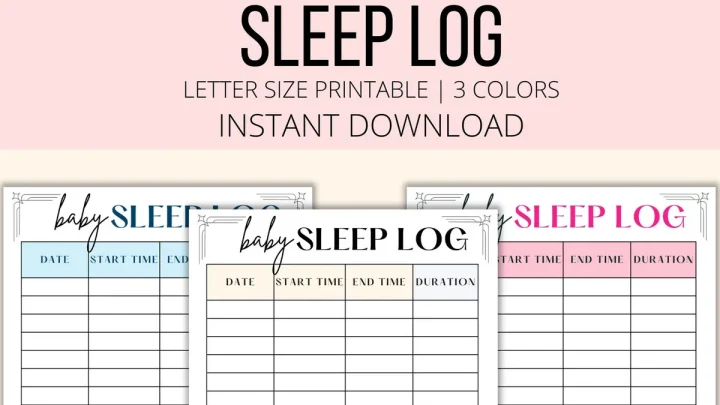
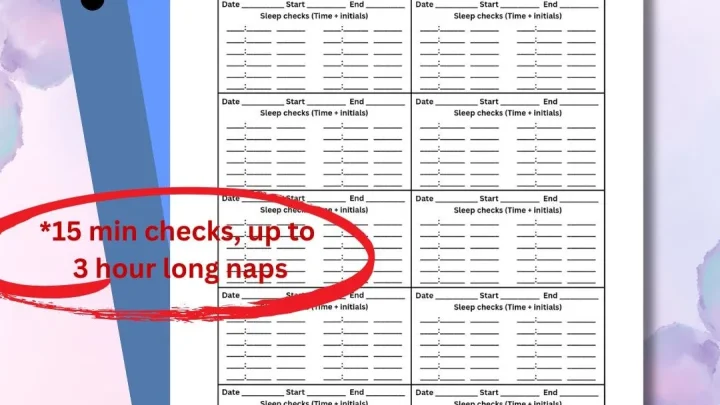
Coordinate nap notes between caregivers by using one shared log, one simple template, and one handoff rule. Log nap start time, end time, and how baby fell asleep. Each caregiver updates the log at wake-up, not from memory later.
Review the week together to adjust wake windows.
Why "Did the Baby Nap?" Becomes a Daily Problem (and What Actually Fixes It)
The question sounds simple. It rarely is.
When care spans multiple people, memory becomes the enemy. Grandma remembers a 12:30 nap. Mom's app shows 11:45.
The sitter forgot to log the car nap entirely. Now bedtime is a guess, and an overtired baby makes everyone pay for it.
The fix isn't more communication. It's structured communication. Verbal handoffs drop details; written, standardized notes catch them.
In our research across caregiving forums and daycare practice, the families who succeed share three habits: one shared source of truth, a template everyone uses, and a handoff moment tied to something that already happens (like pickup or bedtime).
Without those, even well-meaning caregivers drift back to "I'll just text you." And texts get buried.
Start With Your Setup: 5 Caregiving Situations That Change the Whole System
Before you pick any tool, identify your situation. If/then logic applies here, because the right system depends entirely on who's involved and where handoffs happen.
How Many Caregivers, How Many Homes, How Often They Swap
Use this quick decision guide:
- Two parents, one home, daily handoffs. A shared notes app (Apple Notes, Google Keep) works fine. Keep it on both phones' home screens.
- Grandparents as regular caregivers. If they won't use apps, don't fight it. Use a paper log or fridge whiteboard that lives where the baby sleeps.
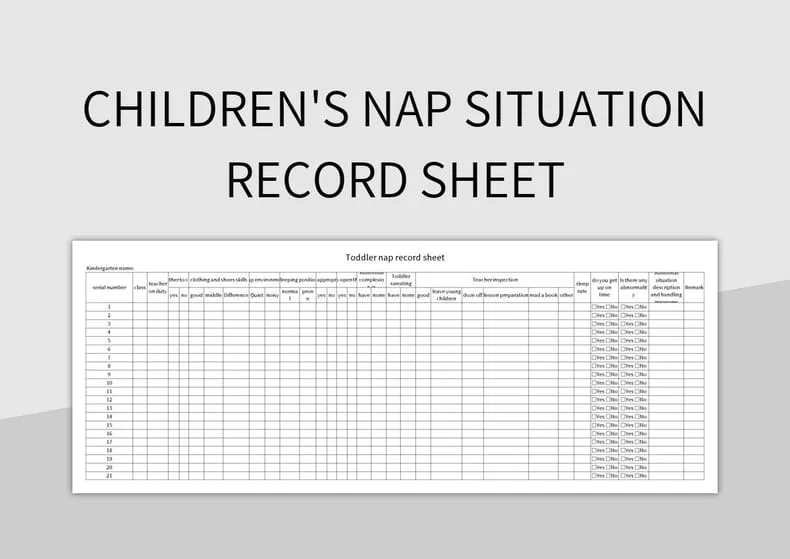
- Daycare plus home care. Ask the daycare for their daily sheet, then transfer their nap times into your home log at pickup. One log, even if two documents feed it.
- Two homes (co-parenting or split weeks). You need a cloud-based log that syncs across locations. Paper dies at the doorstep of the other house.
- Rotating sitters or nannies. Standardize hardest here. New people need a template, not a vibe.
Here's the key if/then: if handoffs happen in person and everyone lives in one home, low-tech wins. If anyone cares for the baby remotely from a different location, go digital. Choosing wrong here is why most systems die in week two.
The 30-Second Nap Note: What to Log (and What to Skip)
The biggest killer of nap-note systems is friction. If an entry takes longer than 30 seconds, caregivers quit. So the template has to be ruthlessly minimal.
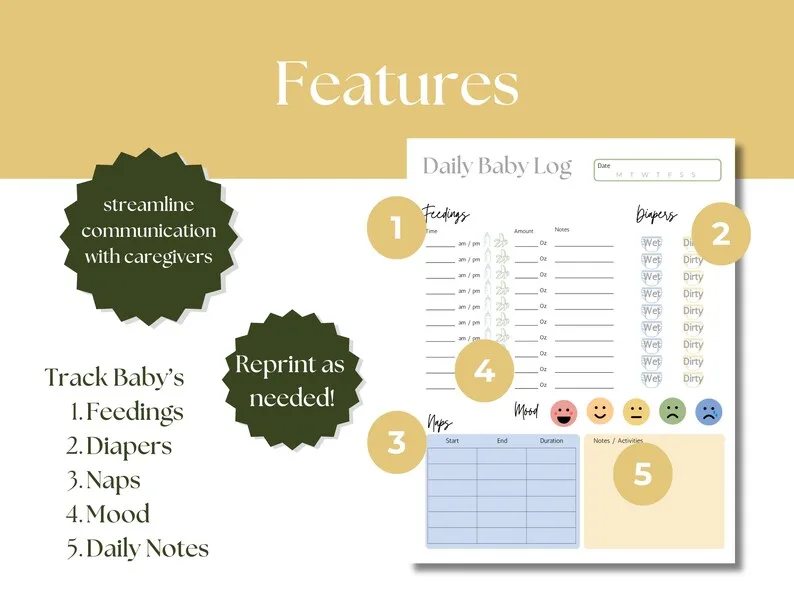
Log these four things, every nap:
- Nap start time (log it immediately, not later)
- Wake time (log it at wake-up, within a few minutes)
- How baby fell asleep (independently, rocked, fed, stroller, car)
- Mood at wake-up (happy, fussy, still tired)
That's it. Skip the rest. You don't need sleep-quality ratings, ambient noise details, or a paragraph about the nursery temperature.
Aggregate user feedback on tracking apps consistently shows the same pattern: elaborate logs get abandoned in under two weeks, while four-field logs stick.
One exception: if medication is involved, log the exact drug, dose, and time. That's a safety note, not a nicety, because dosing errors happen precisely when multiple caregivers each assume the other handled it.
Building the Handoff Workflow That Survives Real Life
A nap log without a handoff ritual is just a diary. The workflow is what turns notes into coordination.
Choosing the Right Format: Shared Note, App, Group Text, or Paper
| Format | Best for | Weakness |
|---|---|---|
| Shared notes app | Two parents, one home | Grandparents often resist it |
| Baby sleep tracker app | Data lovers, nap transitions | Setup fatigue; subscription fees |
| Group text thread | Occasional sitters | Details get buried fast |
| Paper log / whiteboard | One-home, grandparent care | Useless across two homes |
Match the format to your setup from the earlier decision guide. If your household is all under one roof and in person daily, paper or a whiteboard is honestly fine. If handoffs happen over text or across houses, use a synced note everyone can edit.
The Handoff Ritual: Who Logs What, and When
Tie logging to moments that already exist. Don't create new chores.
- Outgoing caregiver logs the last nap before handoff. Not after. Later means forgotten.
- Incoming caregiver reads the log before their first nap attempt. Ten seconds. It changes how they time everything.
- End-of-day summary, one line. Whoever closes out the day writes a single sentence: "Two naps, 9:15 to 10:30 and 1:00 to 2:10, second nap was short."
- Weekly review, five minutes. Look at the week's pattern together. That's where over-tired cycles and short-nap problems actually show up.
If a caregiver forgets to log, don't lecture. Build the reminder into the ritual: log at wake-up, same place, every time. Habits beat willpower here.
Mistakes That Kill Even the Best Nap-Note System
We've seen the same failures repeat across hundreds of caregiving threads and daycare experiences. Avoid these:
- Logging from memory hours later. Times drift by 20 to 30 minutes, and that's enough to ruin a wake-window calculation.
- Letting each caregiver use their own format. One person's "long morning nap" is another person's 45 minutes. Standardize the four fields.
- Forgetting the "how" field. A 90-minute independent crib nap and a 90-minute stroller contact nap affect the next sleep window very differently.
- Skipping car naps because they "don't count." They count. Log them, and flag them, because per AAP safe-sleep guidance, routine sleep should happen on a flat, bare surface, not a car seat.
- Diagnosing sleep problems on one bad day. One rough nap is noise. A pattern across a week is signal.
- Blaming the caregiver who forgot. Systems that feel like surveillance get quietly sabotaged. Assume good intent and fix the friction instead.
The through-line: every mistake above comes from either too much friction or too little structure. Fix those two and the rest mostly handles itself.
Reading the Notes Right: Wake Windows, Nap Transitions, and Safe-Sleep Notes Worth Flagging
Notes are only useful if you know how to read them. The core skill is matching total logged sleep against age-based wake windows.
Approximate wake windows by age:
| Age | Wake window | Typical naps per day |
|---|---|---|
| 4 to 6 months | 2 to 3 hours | 3 to 4 |
| 7 to 12 months | 2.5 to 3.5 hours | 2 to 3 |
| 13 to 18 months | 4 to 5.5 hours | 1 to 2 |
| 18 months to 3 years | 5 to 6 hours | 1 |
The CDC publishes recommended sleep totals per 24 hours, and you can compare your baby's numbers on the CDC's sleep page. If the log shows total sleep tracking well below those ranges for a full week, that's the signal to adjust.
If/then reading rules:
- If naps run short all week, then wake windows are probably too long. Baby's overtired and crashing.
- If the last nap ends too early and bedtime becomes a battle, then the incoming caregiver needs the log before that stretch. A 2:10 wake-up means a 7 p.m. bedtime is a long haul for a young toddler.
- If "how baby fell asleep" shifts from independent to assisted across caregivers, then flag it. Inconsistent sleep-onset methods confuse babies more than any schedule change.
Watch for nap transitions too. When the log shows the second nap being refused or taking over an hour to achieve for five straight days, baby's likely ready to drop it. The notes give you evidence instead of a hunch.
Adjusting the System as Baby Grows (and When to Review the Data)
The system that works at 5 months won't work at 18. Plan for three adjustment points.
Nap transitions (around 3-to-2 and 2-to-1). During a transition, log with extra care for two weeks. Temporarily add a fifth field: "nap refused or achieved?" That tells you whether the drop is real or a rough patch.
Going mobile (crawling and walking). Naps shift because activity shifts. If one caregiver does stroller naps and another does crib naps, your "how" field will expose why the baby naps great for grandma and poorly at daycare.
Dropping the last nap. Once baby's down to one nap, the log gets simpler but the stakes rise. A missed 90-minute midday nap now costs the whole day. If the single nap is skipped, the incoming caregiver needs to know so they can pull bedtime early.
Review cadence: five minutes weekly during stable phases, daily during transitions. If three weeks of data show the same pattern and nobody's acted on it, the ritual has broken down. Fix the ritual, not the baby.
Frequently Asked Questions
What should a nap note actually include?
Four fields: nap start time, wake time, how baby fell asleep, and mood at wake-up. Add medication details (drug, dose, time) whenever relevant, because multi-caregiver handoffs are exactly where dosing errors happen. Everything else is optional and usually gets abandoned within two weeks.
What if grandparents refuse to use an app?
Use paper or a fridge whiteboard that lives where the baby naps. If grandparents are the only daytime caregivers and handoffs are in person, low-tech works just as well. Never force a tool onto the caregiver doing the work; you'll lose both the tool and the notes.
How do we coordinate nap notes with daycare?
Ask the center for their daily sheet at pickup, then transfer nap times into your shared home log. Most licensed daycare centers already keep detailed sleep records, so you're copying, not creating. Two minutes at pickup keeps everything in one place.
How long until a nap-note system becomes a habit?
Most families settle into it within one to two weeks if entries take under 30 seconds. The habit sticks when logging is tied to an existing moment, like the wake-up itself or the handoff. Elaborate systems fail; four-field logs survive.
Should we log car naps and stroller naps?
Yes, log them, and mark the location. They count toward total daytime sleep and change the next wake window. Just remember that per AAP safe-sleep guidance, car seats and strollers aren't for routine sleep, so transfer baby to a flat, bare sleep surface when you can.
Who handles the log when nobody remembers to write?
Pick one ritual anchor and rebuild around it: log at wake-up, same spot, every time. If forgetting continues, add the log check to the handoff line itself, like keys and diaper bag. If it still fails after two weeks, simplify the template further.

Similar Posts