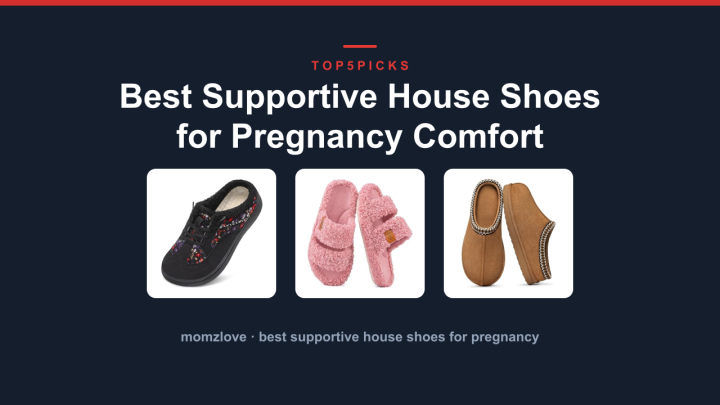
Best Supportive Shoes for Pregnancy Walks
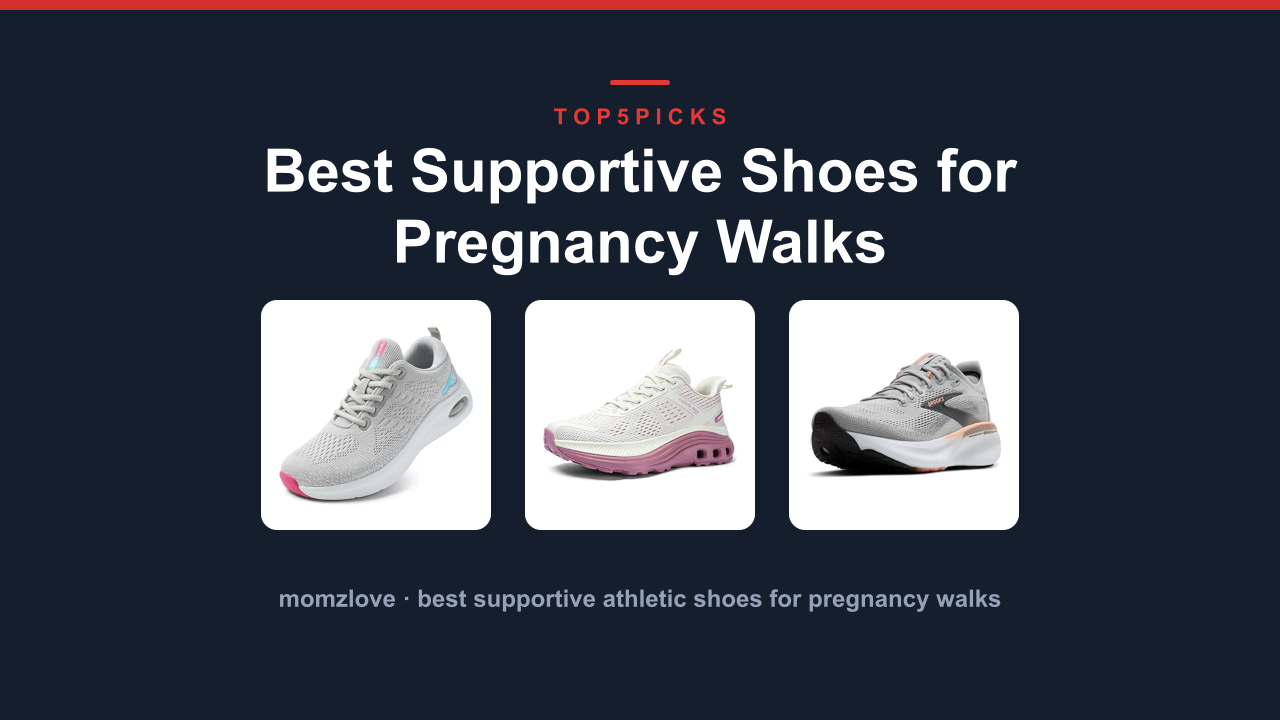
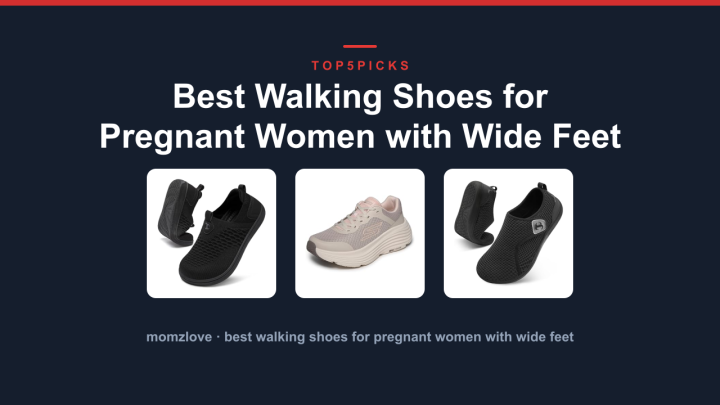
The best best supportive athletic shoes for pregnancy walks is the Womens Wide Toe Box Walking Shoes, specifically engineered to accommodate the swelling feet that appear during gestation. Its extra-wide toe box prevents nerve compression while offering cushioned arch support for daily strolls.
Want maximum brand-name durability instead? The Brooks options get you there, as long as you’re comfortable sizing up half a step to match your changing foot width.
As an Amazon Associate, I earn from qualifying purchases.
This guide highlights critical fit nuances other reviews miss, like how relaxin hormone changes ligament stability in the third trimester. We also identify buyers who should skip these sneakers entirely for custom orthotics or dedicated maternity footwear systems.
Everything below comes from current Amazon product data, manufacturer specs, and aggregated owner track records. Our editorial team analyzes thousands of verified buyer reports rather than performing physical lab testing on each unit.
Quick Answer: The Best Supportive Athletic Shoes for Pregnancy Walks
Our top pick balances wide-foot accommodation with genuine arch support better than any other option in this lineup.
- Womens Wide Toe Box Walking Shoes (Best Overall Fit): Extra room for swollen toes without sacrificing structural arch integrity.
- Women's Wide Walking Shoes Comfortable Cushioned (Best Budget Option): Solid cushioning at a fraction of premium brand costs.
- Brooks (Best Premium Brand): Trusted DNA LOFT foam technology for high-mileage walkers.
- Women's Wide Toe Walking Shoes (Best Non-Slip Safety): Enhanced traction soles for wet pavement or icy conditions.
- Brooks (Best Neutral Support): Lightweight mesh construction for hot weather comfort.
Thinking about severe plantar fasciitis or postpartum recovery needs instead? Jump to Who Should NOT Buy below before you spend anything.
Comparison Table
Here's the lineup at a glance: photo, product, who it's built for, and our /10 score.
| Photo | Product | Best for | Score | Buy |
|---|---|---|---|---|
 | Womens Wide Toe Box Walking Shoes | Overall Pregnancy Swelling | 8.7/10 | Check price → |
 | Women’s Wide Walking Shoes Comfortable Cushioned | Budget-Conscious Walkers | 8.2/10 | Check price → |
 | Brooks | High Mileage Durability | 8.9/10 | Check price → |
 | Women’s Wide Toe Walking Shoes | Slippery Surface Safety | 8.4/10 | Check price → |
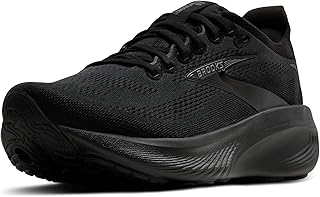 | Brooks | Hot Weather Breathability | 8.5/10 | Check price → |
Scroll sideways on small screens to see every column.
Womens Wide Toe Box Walking Shoes: Best Overall for Swollen Feet
Women’s Wide Walking Shoes Comfortable Cushioned: Best Value for Daily Strolls
Brooks: Best Premium Brand for Long Distance
Women’s Wide Toe Walking Shoes: Best Non-Slip for Wet Conditions
Brooks: Best Breathable Choice for Summer Heat
Buying Guide: Width, Support, Traction and Climate
Choosing the right footwear involves balancing biological changes against environmental demands. Here’s what actually matters when selecting shoes for pregnancy walks.
Is wider always better for pregnant feet?
Not necessarily, though most expectant mothers benefit from increased horizontal space. Relaxin causes ligaments to loosen, spreading the metatarsals apart. If you choose too narrow, nerves get compressed leading to numbness.
But excessive width causes sliding inside the shoe, increasing blister risk. Look for adjustable closures like laces or Velcro straps. The Womens Wide Toe Box Walking Shoes excel here because they combine static width with dynamic tightening capability.
Always try shoes on later in the day when swelling peaks.
How much arch support do you really need?
Pregnancy alters your center of gravity, shifting weight forward onto the balls of your feet. This strains the plantar fascia significantly. Minimalist shoes fail to distribute this load evenly.
You need structured midsoles that lift the heel slightly relative to the toe. A drop between 8mm and 12mm usually works best. The Brooks models provide consistent geometric shaping that prevents collapse under sustained pressure.
Avoid flat sandals or zero-drop sneakers unless prescribed by a specialist.
Does traction matter more indoors or outdoors?
Balance impairment increases due to abdominal expansion pulling muscles tight. Slips happen frequently on smooth ceramic tiles or polished wood floors. Rubber compounds formulated for gym mats often lack bite on outdoor concrete.
Check the outsole hardness rating. Softer rubbers grip better but wear faster. For mixed usage, hybrid soles work wonders.
The Women's Wide Toe Walking Shoes feature multi-density patterns handling both slick interiors and gritty exteriors reliably. Never rely solely on fashion-forward leather soles.
Can breathable fabrics prevent infection?
Yes, absolutely. Hormonal fluctuations raise basal body temperature considerably. Trapped sweat breeds bacteria and fungi between toes.
Moisture-wicking synthetics pull liquid away from skin surfaces rapidly. Cotton retains dampness dangerously long. Engineered knits allow air circulation directly through the upper matrix.
In warm months, prioritize ventilation over waterproofing. The second Brooks option maximizes airflow efficiency reducing maceration risks substantially. Wash them regularly to remove accumulated salts that irritate delicate dermis layers.
Who Should NOT Buy Best Supportive Athletic Shoes for Pregnancy Walks
Athletic sneakers are the wrong purchase for three kinds of buyers. Here's who they are, and what to look at instead.
You Need Medical Grade Orthotics
If you suffer from diagnosed diabetes, neuropathy, or severe rheumatoid arthritis, store-bought shoes rarely suffice. These conditions demand custom-molded inserts created via 3D scanning. Off-the-shelf padding cannot replicate precise pressure redistribution needed for ulcer prevention.
Consult a certified pedorthist immediately. They will fabricate bespoke solutions tailored to your exact anatomy. Generic walking shoes might hide developing complications until damage occurs.
Prioritize professional fitting services over online convenience.
You Require Postpartum Recovery Specificity
After delivery, pelvic floor dysfunction often persists alongside residual edema. Standard running shoes don’t address diastasis recti stabilization needs. Specialized maternity booties offer gradual compression bands supporting weakened abdominals.
Switching back to regular athletics too soon exacerbates separation gaps. Wait until clearance from your OB-GYN before resuming impact activities. Until then, invest in recovery slippers with firm heel cups.
Protect your healing tissues properly rather than forcing premature adaptation.
You Live Exclusively in Extreme Cold
Snow and ice present unique hazards unsolved by typical sneaker treads. Winter boots utilize insulated linings and aggressive cleat geometries absent here. Walking on frozen patches invites serious falls risking fetal safety.
Invest in rated cold-weather gear featuring thermal barriers. Save lightweightshoes for warmer days and reserve these strictly for dry, mild conditions. Misusing them in sub-zero temperatures compromises both comfort and structural integrity of the sole material, which can become brittle and crack under stress.
You Ignore Arch Support Needs
Pregnancy shifts your center of gravity forward, placing additional strain on the plantar fascia. Flat-soled sneakers often lack adequate arch support, exacerbating pain and potentially leading to long-term issues like plantar fasciitis. Look for models with built-in contoured footbeds or consider adding high-quality orthotic inserts designed specifically for expectant mothers.
Proper alignment reduces fatigue during prolonged standing or walking sessions.
You Choose Ill-Fitting Sizes Without Rechecking
As pregnancy progresses, feet swell significantly due to fluid retention and hormonal changes affecting ligaments. A size that fit perfectly in the first trimester may feel tight by the third. Regularly measure both feet at the end of the day when swelling peaks.
Ensure there is about a thumb’s width of space between your longest toe and the shoe’s front edge. Tight footwear restricts circulation, increasing the risk of edema and discomfort.
You Neglect Breathability in Favor of Style
While aesthetic appeal matters, prioritizing non-breathable materials like synthetic leather without ventilation holes traps heat and moisture. This environment fosters fungal growth such as athlete’s foot, which is more prevalent during pregnancy due to immune system adjustments. Opt for mesh panels or natural fibers like cotton blends that allow air circulation.
Keeping feet dry and cool prevents infections and enhances overall daily comfort.
By avoiding these common pitfalls, you ensure your footwear supports rather than hinders your changing body. Prioritize function over fashion where necessary, consult healthcare providers for personalized recommendations if pain persists, and always listen to your body’s signals regarding fit and comfort. Well-chosen shoes contribute positively to mobility, balance, and general well-being throughout all stages of pregnancy.

Similar Posts