When to Worry About Daycare Sleep: Signs to Call the Doctor

Your baby starts daycare and suddenly naps fall apart. Within days you're staring at the daily report sheet wondering if this is normal or something worse. Knowing when daycare sleep changes need pediatric advice comes down to a few clear signals, and we'll walk you through all of them.
In our research across American Academy of Pediatrics (AAP) guidance and pediatric sleep studies, most daycare nap disruption settles within 7 to 10 days. Red flags like breathing pauses, fever, or poor feeding follow a different timeline and need a call the same day. Let's start by separating the two.
Quick Answer
Daycare sleep changes need pediatric advice when they last beyond two weeks, come with fever or poor feeding, or include breathing problems during sleep. Short naps alone are normal for the first week or two. Call the same day for trouble breathing, dehydration signs, or extreme lethargy.
Otherwise, log sleep for a week and schedule a routine visit.
What Counts as a "Normal" Daycare Sleep Change (and What Doesn't)
Daycare sleep transition is the adjustment period when a child learns to nap in a group care setting. It's loud, bright, and nothing like the quiet dark nursery at home. Nearly every child goes through it.
Per AAP guidance, normal adjustment looks like this:
- Shorter naps, often 30 to 45 minutes instead of 90
- Skipping a nap entirely some days
- A fussier bedtime for a few days
- Slightly more night waking early on
What it should NOT include: fever, vomiting, refusing multiple feeds, or unusual limpness when awake. Those aren't adjustment symptoms. They're illness symptoms that happen to show up during a stressful week.
Age matters too. Naps naturally consolidate as kids grow, dropping from 3 naps around 6 to 9 months down to 1 nap between 12 and 18 months. A 14-month-old fighting her morning nap at daycare is probably just done with two naps.
A 4-month-old sleeping drastically less than 12 hours total per day is worth a conversation.
If the disruption stretches past two weeks with no improvement, that's your cue to get the pediatrician involved.
The Quick Triage: Call Today, Book This Week, or Wait It Out
Red Flags That Need Same-Day Pediatric Advice
If you see any of these, call the pediatrician today. Don't wait for the next opening.
- Pauses in breathing during sleep, or gasping and choking sounds
- Snoring with labored breathing or bluish lips
- Fever of 100.4°F (38°C) or higher in an infant under 3 months
- Signs of dehydration: fewer than 4 wet diapers a day, no tears, dry mouth
- Extreme lethargy, meaning your child is hard to wake even for feeds
- Sleepiness paired with vomiting or a rash
These symptoms suggest illness, airway problems like pediatric sleep apnea, or dehydration. None of them improve with a better nap schedule. Per CDC guidance on infant illness, trust your gut here; parents catch real problems faster than any checklist.
Sleep Changes That Can Wait 7 to 10 Days
If your child is feeding normally, playful when awake, and breathing quietly while asleep, the nap chaos is almost certainly adjustment. Give it a week to ten days before booking anything.
Track it while you wait. If naps haven't improved at all by day 10, call for a routine appointment, not an urgent one. Bring your log.
We'll show you exactly what to record in a bit.
Why Daycare Disrupts Sleep in the First Place
Here's the honest answer: daycare is a hard place to sleep. Understanding why helps you judge whether the problem is environmental or medical.

Group care means group schedules. Most infant rooms follow set nap times rather than your child's individual wake windows. Your baby might be put down drowsy, wide awake, or mid-protest.
Other common culprits:
- Noise and light. Other babies cry. Rooms stay brighter than home nurseries.
- Different sleep associations. If your baby needs rocking or a bottle to fall asleep, daycare staff usually can't provide that.
- New sleep surfaces. Cots, play yards, or unfamiliar cribs feel different.
- FOMO. Older babies fight naps because there's too much happening.
None of these are dangerous. They're just hard. The fix is usually consistency, not medicine.
Ask daycare staff what they observe, because their report fills in the half of the day you don't see. If their answer is "he screams for 45 minutes then crashes," that pattern still counts as data for your pediatrician.
How to Track Sleep So Your Pediatrician Can Actually Help
A vague "she's been sleeping badly" gives a pediatrician nothing to work with. A one-page log gives them everything. This is the single highest-leverage thing you can do before any appointment.
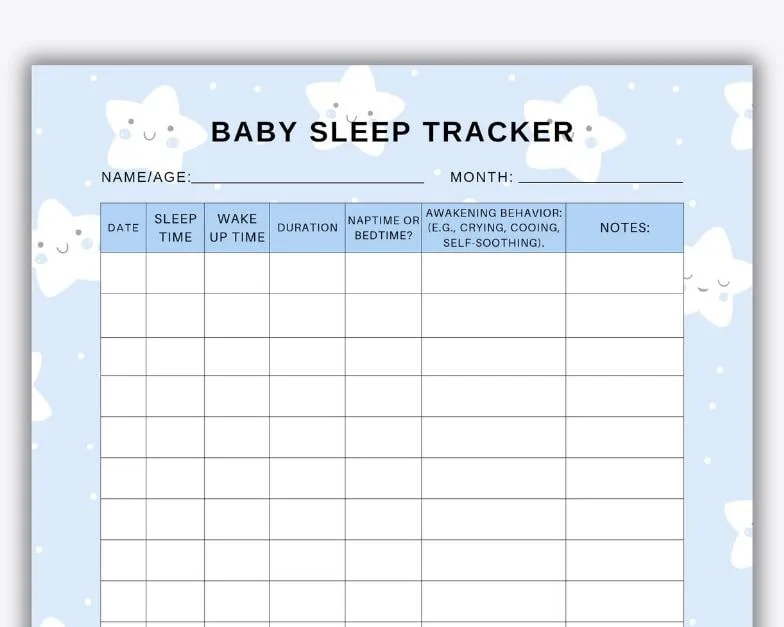
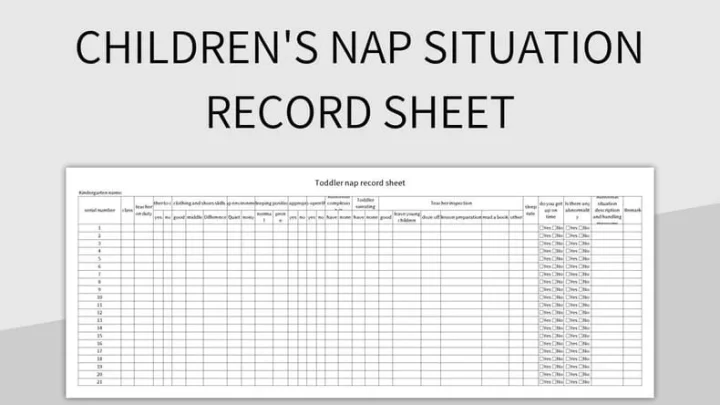
Ask the daycare for their daily report, or photograph it each evening. Most licensed centers already document naps to the minute.
Then log at home:
- Bedtime and wake time for each night
- Every nap, with duration, from both daycare and weekends
- Night wakings and how long they last
- Feeding intake, especially any drops
- Anything odd: snoring, mouth breathing, sweating during sleep
Ten days of that is gold. If your pediatrician suspects sleep apnea, a phone video of the snoring or breathing pauses is even better. Doctors take real recordings seriously.
One practical tip: keep the log in a shared note on your phone. Both parents and the daycare can update it, and you won't lose a week of data to a misplaced notebook.
Real Scenarios: Adjustment Nap Strike vs. Something More
Abstract rules are hard to apply at 6 a.m. with a cranky toddler. So here's how the decision actually plays out in two realistic cases.
Scenario 1: The nap strike. An 8-month-old starts daycare and drops from two 90-minute naps to two 40-minute catnaps. She's eating normally, smiling when you pick her up, and breathing fine at night. By day 12, naps stretch back to an hour.
That's textbook adjustment. No pediatric call needed. The fix was time plus an earlier bedtime, around 6:30 p.m., to cover the daytime shortfall.
Scenario 2: The change that wasn't just daycare. A 20-month-old moves to the toddler room and starts sleeping terribly at night too. Parents notice loud snoring, mouth breathing, and restless sleep with sweating. Naps don't improve after three weeks, and he's irritable at pickup every day.
That combination, noisy breathing plus persistent disruption beyond two weeks, is when daycare sleep changes need pediatric advice. The pediatrician evaluated him for enlarged adenoids and pediatric sleep apnea.
Notice the difference. Scenario 1 changed only daytime sleep and resolved on a clear timeline. Scenario 2 changed nighttime sleep too, involved breathing symptoms, and refused to resolve.
Duration, breathing, feeding, and mood are your four dials. When more than one dial moves the wrong way, pick up the phone.
Common Mistakes Parents Make During the Daycare Sleep Transition
The biggest mistake is overcorrecting. A few bad naps trigger a full schedule overhaul, a new sleep training method, and a bedtime move all in one week. Now you can't tell what worked or what made things worse.
Watch for these traps:
- Calling too late. Parents normalize breathing symptoms for weeks because "he's always snored." Loud, labored snoring is never just a quirk.
- Relying on memory. "He's been sleeping badly for a while" doesn't help a pediatrician. Logs do.
- Skipping the earlier bedtime. Bad daytime naps mean the night shortfall needs covering. A 6:30 bedtime for a few weeks is a tool, not a failure.
- Assuming every illness is daycare-related. Frequent illness is real in group care, but sleep changes plus fever still deserve a call, not just a wait-and-see.
- Comparing your child to the classroom. Some kids adjust in three days. Others need three weeks. Both fall inside normal ranges.
One more we see constantly: parents chase a perfect nap schedule instead of protecting total sleep. If daycare naps are chaotic but nights are solid and your child is thriving, you're ahead of the game.
When to Call the Pediatrician: Your Decision Guide
Here's the whole decision in one place. If any red flag from the triage section shows up, the answer is "call today." Otherwise, use the table below.
| What you're seeing | What to do | Timeline |
|---|---|---|
| Short naps, normal mood and feeding | Wait and log sleep | Reassess at day 10 |
| Nap disruption past 2 weeks | Book a routine visit | This week or next |
| Night sleep also breaking down | Call the office, describe symptoms | Within a few days |
| Snoring, mouth breathing, sweating | Book a visit, bring a video | Within 1 to 2 weeks |
| Breathing pauses, fever, dehydration, lethargy | Call the same day | Today |

A few if/then shortcuts. If your child is under 3 months with any fever, that's an automatic call, per AAP guidance. If naps improve at daycare but nights stay broken after a month, ask about a referral to a pediatric sleep specialist.
If you're unsure but something feels off, most pediatric offices have a nurse line that can triage in one phone call.
Bring three things to any appointment: your sleep log, the daycare daily reports, and any video of concerning sleep behavior. That package turns a vague complaint into an answer.
Frequently Asked Questions
How long does the daycare nap adjustment usually take?
Most children settle into daycare naps within 7 to 10 days, though some need three weeks. If naps haven't improved at all by the two-week mark, it's worth a pediatric conversation. Normal adjustment trends toward better.
A flat or worsening pattern deserves a look.
Can a sleep regression at daycare affect nighttime sleep?
Yes, temporarily. Overtiredness from short daytime naps often causes more night wakings and early rising for a week or two. An earlier bedtime usually protects nights during the rough stretch.
If night disruption lasts beyond a month, bring it to your pediatrician.
Should I wake my baby if daycare naps run too long?
Occasionally, yes. A late afternoon nap stretching past 5 p.m. can sabotage bedtime, so most pediatric sleep guidance suggests capping it. Early naps can run long without problems.
Your pediatrician can help you set nap caps that fit your child's age and total sleep needs.
What sleep symptoms are never normal at daycare?
Loud, consistent snoring, gasping, breathing pauses, and bluish lips are never normal adjustment behavior. Neither is a child who is limp, hard to wake, or refusing feeds. These need same-day medical attention.
Environmental nap problems make a child cranky, not medically unwell.
Do I need a sleep consultant or a pediatrician first?
Start with the pediatrician. They can rule out medical causes like reflux, ear infections, or airway issues before you invest in a consultant. A certified pediatric sleep consultant is useful after medical causes are excluded.
If your doctor suspects sleep apnea, they'll refer you to a specialist directly.

Similar Posts