How to Describe Sleep Changes to Your Pediatrician
You know something's off with your child's sleep, but the appointment is fifteen minutes long and "she's been sleeping badly" won't get you anywhere. That's the real challenge behind how to describe sleep changes to a pediatrician: turning weeks of vague worry into a clear, specific story your doctor can act on.
Pediatricians work from patterns, not vibes. The American Academy of Sleep Medicine publishes age-based sleep duration targets, like 9 to 12 hours for kids aged 6 to 12, so concrete numbers let your doctor compare your child against a real benchmark. Below, we'll walk through exactly what to track, what to say, and how to say it.
Why Your Pediatrician Needs a Specific Sleep Story (Not "She's Not Sleeping Well")
Your pediatrician can't see what happens at 2 a.m. They rely entirely on what you report. A vague description forces them to guess, and guessing leads to generic advice or a dismissive "it's probably a phase."
Specific details change everything. "She takes 90 minutes to fall asleep most nights" points to one set of causes. "She snores loudly and gasps sometimes" points somewhere else entirely, and that second one can mean a medical issue like enlarged tonsils.
Timing matters too. A one-week sleep dip after starting preschool is normal. A change lasting over a month, or one with breathing red flags, deserves real evaluation.
When you describe the change with dates and specifics, you help your doctor sort normal development from something worth treating.
Quick Answer: The One-Sentence Framework That Changes the Conversation
How do you describe sleep changes to a pediatrician? Lead with one clear sentence: what changed, when it started, and how often it happens. Then back it up with a 7 to 14 day sleep log showing bedtimes, wake times, night wakings, and naps.
Mention snoring, breathing pauses, or daytime sleepiness first, since those are medical red flags. Finish by asking what the working explanation is and when to call back.
Step 1: Track These Details for 7–14 Days Before the Visit
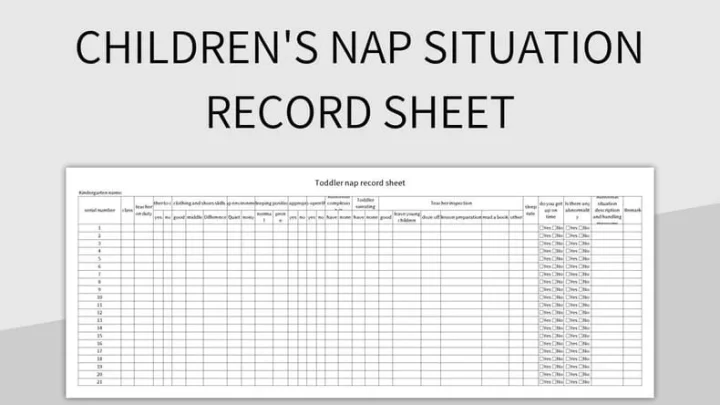
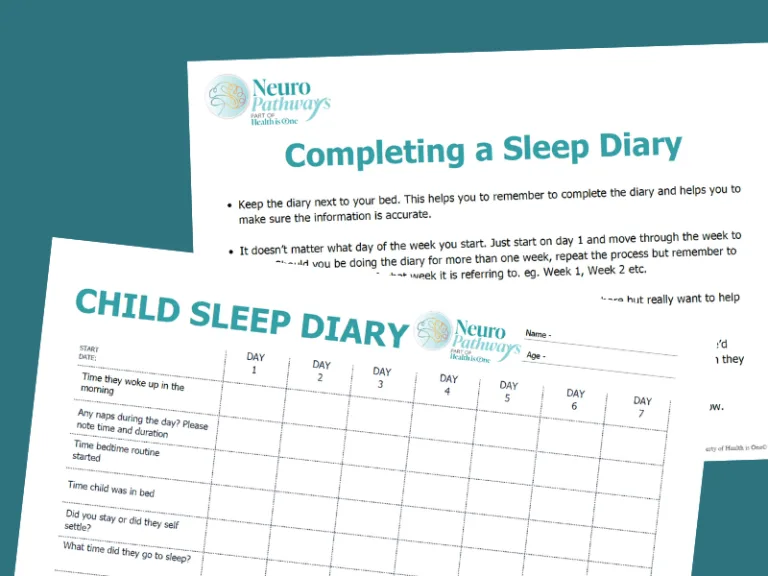
If your concern isn't urgent, spend a week or two tracking before the appointment. A sleep diary is simply a dated record of when your child goes to bed, falls asleep, wakes, and naps. Fourteen days is ideal because it captures weekends, but seven days works if time is short.
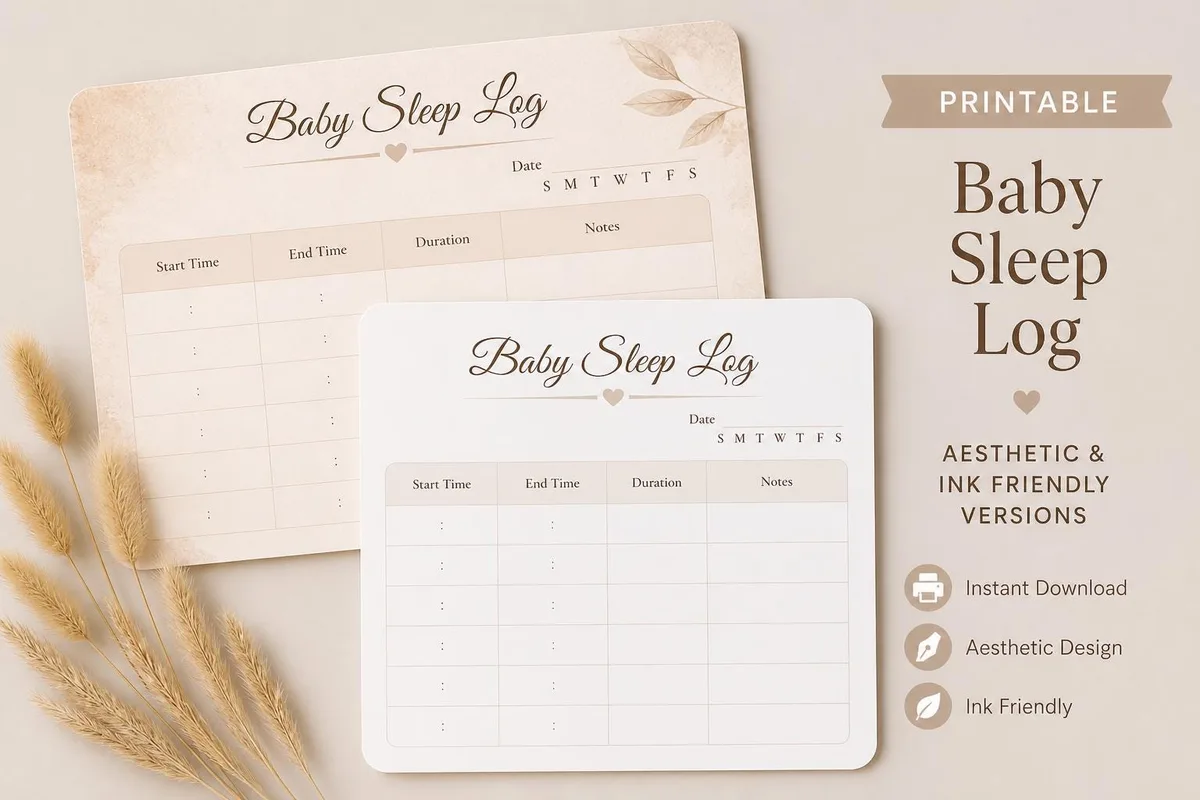
Here's what your log should capture:
| What to Record | Why the Doctor Cares |
|---|---|
| Lights-out time and estimated fall-asleep time | Sleep onset over 30 minutes suggests a sleep-onset problem |
| Every night waking, with duration and cause | Frequency separates behavioral issues from medical ones |
| Final wake time, school days vs. weekends | Big weekend gaps signal circadian drift or sleep debt |
| Naps and total hours per 24 hours | Compare against age benchmarks from the CDC |
| Snoring, gasping, or pauses | Medical red flags that change the whole evaluation |
You don't need an app. A notebook by the bed or notes on your phone works fine. What matters is that you write things down at the time, not from memory three days later.
If something dramatic happens, like a night terror or a choking episode, record it in detail. Even better, a short video or audio recording of snoring or a parasomnia event often tells the doctor more than an hour of description. A video of your child snoring at 30-second intervals is genuinely diagnostic information.
Step 2: Match Your Description to What the Change Actually Is
Not all sleep changes are the same, and they don't get described the same way. Pediatric sleep problems fall into a few broad buckets. Figure out which bucket yours fits, then lead with the details that matter for that bucket.
Sleep Onset Problems (Takes Forever to Fall Asleep)
If the problem is falling asleep, your doctor wants numbers. Report the average time from lights out to sleep onset, in minutes. Twenty minutes or less is typical.
Consistently taking 45 minutes or more is a discussion point.
Also report the circumstances. Does your child need you in the room? Do they demand three cups of water?
Do screens run until bedtime? Sleep-onset association type insomnia and limit-setting type insomnia get different advice, and your description determines which one your doctor suspects.
Night Wakings and Parasomnias (Night Terrors, Sleepwalking, Nightmares)
These get confused constantly, and the distinction matters. Nightmares happen in the second half of the night, the child wakes fully, remembers the dream, and seeks comfort. Night terrors happen in the first third of the night, the child appears awake but is unresponsive, and remembers nothing the next morning.
If you're describing a parasomnia event, report:
- What time of night it happened
- How long it lasted
- Whether your child responded to you
- Whether they remembered it the next day
Then state the frequency plainly. "Twice a week for the past six weeks" tells your doctor far more than "it happens a lot."
Snoring and Breathing Red Flags (Suspected Sleep Apnea)
This is the bucket where vague descriptions cause real harm. Pediatric obstructive sleep apnea often gets missed because parents assume snoring is normal or cute. It isn't, especially when it's loud and frequent.

If your child snores, report how many nights per week. Habitual snoring, three or more nights per week, is the threshold doctors take seriously. Add anything you've witnessed: pauses in breathing, gasping, snorting, sweating heavily during sleep, or sleeping with the neck hyperextended.
Daytime clues belong here too. Morning headaches, mouth breathing, and falling asleep in the car at 10 a.m. all support the picture. If you have an audio recording of the pauses, bring it.
This combination of symptoms often leads to a referral for a sleep study or to an ENT for a tonsil and adenoid check.
Schedule Shifts and Early Waking (Circadian and Teen Phase Delay)
If the change is about timing rather than quality, describe the schedule itself. Teenagers are especially affected because their body clocks naturally shift later during adolescence, a pattern called delayed sleep phase. When a teen can't fall asleep until midnight but school starts at 7:30 a.m., the problem is biology colliding with the bell schedule.

Report the weekday bedtime, the weekend bedtime, and the gap between them. A teen sleeping 11 p.m. to 7 a.m. on school nights but 3 a.m. to noon on weekends is showing classic circadian drift. Also note caffeine intake, screen use after 9 p.m., and any catch-up sleeping.
Those details shape whether the advice is light exposure, schedule adjustment, or something more.
Red Flags to Lead With: When It's a "Call Sooner" Situation
Most sleep changes can wait for a scheduled visit. Some can't. If you see any of the following, describe them first, and consider calling the office rather than waiting:
- Witnessed breathing pauses, gasping, or choking during sleep
- Cyanosis, meaning bluish lips or skin during sleep
- Snoring with poor weight gain or failure to thrive
- Excessive daytime sleepiness that's new and severe
- Morning headaches or morning vomiting
- A sudden personality or behavior change alongside the sleep problem
If a red flag applies, say it in your first sentence at the appointment. Don't save it for the end. Triage happens at the front desk and in the first two minutes of the visit, so the order you present information in genuinely affects how fast things move.
Mistakes That Get Sleep Concerns Dismissed
The biggest mistake is leading with emotion instead of data. "We're exhausted and desperate" is honest, but it gives the doctor nothing to work with. Pair the feeling with the numbers, and the conversation shifts immediately.
These are the errors we see most often:
- Burying the concern. Mentioning sleep in the last minute of a sick visit means it gets a one-line answer. Book the concern as its own reason for the visit.
- Reporting interpretations, not observations. "She has anxiety" is a conclusion. "She says her mind won't stop at bedtime" is evidence. Bring evidence.
- Hiding supplements. Parents often skip mentioning melatonin because it feels natural. That's a problem. Melatonin gummies are unregulated, and poison control centers have reported rising exposure calls in young children. Your pediatrician needs the full picture, including dose and timing.
- Underreporting snoring. Parents who don't share a room genuinely don't hear it. Ask another adult, or record a night of audio if you suspect it.
- Trusting wearables over observation. Consumer trackers like Fitbit or Apple Watch are unreliable in children. Their data can contradict what actually happened. Bring your own log first.
One more trap: accepting "it's a phase" without a follow-up plan. If the doctor says those words, ask what timeline makes it a phase versus a problem. A good answer sounds like "if this is still happening in six weeks, we'll dig deeper."
What to Ask at the End: The Plan, the Explanation, and the Follow-Up Trigger
The last five minutes of the visit decide whether anything actually happens. Before you leave, get three things locked down.
First, ask for the working explanation in plain language. "What do you think is causing this?" forces the doctor to commit to a hypothesis, whether that's behavioral insomnia, sleep apnea, or a circadian shift. A vague answer at this point means an incomplete evaluation.
Second, ask for the plan in specific steps. If the advice is sleep hygiene, ask what changes to make first and what counts as trying them properly. If a behavioral method comes up, like bedtime fading or graduated extinction, ask how long it typically takes to work.
Many behavioral approaches show results in two to four weeks when applied consistently.
Third, and most important, ask the follow-up trigger question: "What specific change should make us call back?" Write down the answer. It might be "no improvement after three weeks," or "any new snoring," or "if daytime behavior gets worse." This turns a vague reassurance into a measurable agreement.
Finally, confirm the escalation path. Ask whether the next step would be a pediatric sleep specialist referral, an ENT evaluation, or a sleep study, and what would trigger it. If specialist waitlists in your area run months long, knowing this now saves you a second appointment later.
Frequently Asked Questions
How long should I track sleep before the pediatrician visit?
Seven days is the minimum, fourteen is better. The longer window captures weekends, which matter because school-day versus weekend differences reveal circadian problems and sleep debt. If the concern is urgent, go sooner and bring whatever notes you have.
A red-flag symptom like breathing pauses means calling now, not logging.
Should I record my child's snoring or night terrors on video?
Yes, when it's safe and practical. A short audio or video clip of snoring pauses, gasping, or a parasomnia event is genuinely useful diagnostic information. Pediatricians can't witness these events themselves.
Keep the recording brief, capture the timing, and never delay checking on your child to grab a phone.
Is melatonin safe to give my child before talking to the pediatrician?
Don't start it on your own. Melatonin supplements are unregulated, and independent testing has found actual contents sometimes differ widely from the label. Doses aren't standardized for children, and melatonin doesn't fix underlying problems like sleep apnea.
If you've already given it, tell the pediatrician the product, dose, and timing honestly.
What's the difference between a nightmare and a night terror?
Nightmares happen late in the night. The child wakes fully, remembers the scary dream, and seeks comfort. Night terrors happen in the first third of the night, within a couple hours of falling asleep.
The child may sit up, scream, and thrash, yet be unresponsive and remember nothing the next morning.
When does snoring in a child become a medical concern?
Habitual snoring, meaning three or more nights per week, is the threshold doctors evaluate seriously. Add witnessed breathing pauses, gasping, heavy sweating at night, or morning headaches and the concern rises further. That combination can point to pediatric obstructive sleep apnea, which often traces back to enlarged tonsils or adenoids.
What if my pediatrician dismisses my sleep concerns?
Ask for a concrete timeline first: "What would make this worth revisiting, and when?" If nothing changes by that date, schedule a visit where sleep is the only reason for the appointment. Persistent concerns justify a referral to a pediatric sleep specialist, and you can request one directly.

Similar Posts