What to Track When Your Baby’s Sleep Changes During a Fever
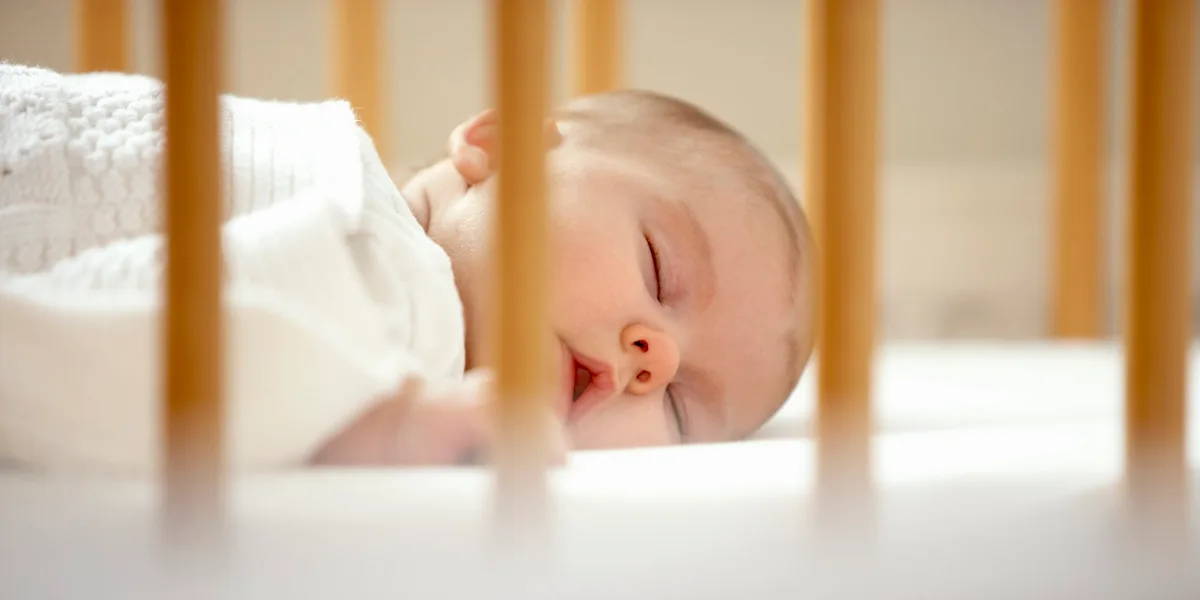
Your baby has a fever, and suddenly their sleep pattern is nothing like normal. If you're staring at the ceiling wondering what to record when baby sleep changes during a fever, the short answer is: timestamped temperature trends, sleep sessions with wake-ability notes, medication doses, feeds, and wet diaper counts. That's it.
Those five data points are what actually change a pediatrician's next move.
In our research across pediatric triage guidance, one threshold matters more than anything else you'll write down: a rectal temperature of 100.4°F (38°C) in a baby under 3 months means same-day medical evaluation, no exceptions. Everything else you record builds the picture around that number. So let's break down exactly what goes in the log, starting with the quick answer.
Image source: Web (Bing) / healthcautions.com (Web image (fair-use with source credit))
Quick Answer: The 7 Things Worth Writing Down
What should you record when baby sleep changes during a fever? Log these seven items with timestamps. First, rectal temperatures taken every 4 hours.
Second, each sleep session with start and end times. Third, how easily your baby wakes. Fourth, medication name, dose, and time.
Fifth, feeding intake. Sixth, wet diaper count. Seventh, any breathing or skin changes you notice.
Why Accuracy Matters Here: Sleep Changes Can Be the First Warning Sign
A fever changes how babies sleep. Most sleep more, and that's usually fine. Fever triggers rest, and rest helps the immune response do its job.
The problem is that "sleeping more" and "hard to wake up" can look almost identical to an exhausted parent at 2 a.m. One is normal. The other is lethargy, and lethargy is a red-flag symptom in infants.
That's why the record matters. The American Academy of Pediatrics guidance on infant fever leans heavily on behavior and responsiveness, not just the thermometer. A written log gives the doctor or nurse on the phone something concrete instead of "he just seems off."
There's also the age factor. Per CDC guidance, any fever at or above 100.4°F rectal in a baby under 3 months is an automatic call for immediate evaluation. For older infants, the trend matters more.
A 101°F reading that's dropping tells a different story than a 101°F reading climbing toward 104°F.
Your notes fill the gaps between check-ins. They turn a scary, fuzzy night into data someone can actually act on.
The Fever-and-Sleep Log: What Each Entry Actually Tells Your Pediatrician
Here's the honest truth from editorial analysis of pediatric triage guidance: doctors don't need everything. They need the right things. A messy log with forty entries helps nobody.
A clean one with timestamps on these items can shorten a phone call to two minutes.
Temperature Trends, Not Single Readings
One reading tells you where the fever is. A trend tells you where it's going.
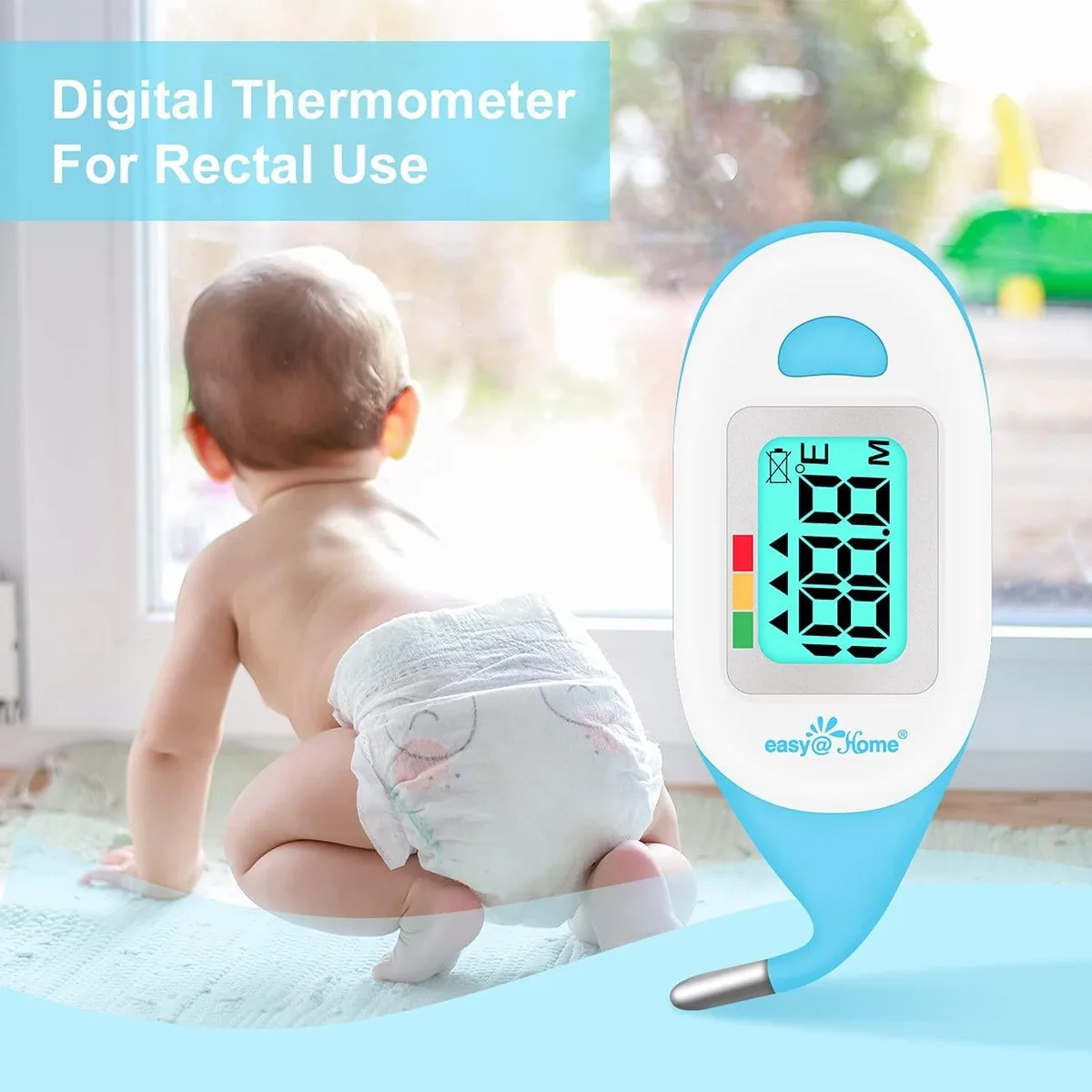
Take rectal temperatures for babies under 12 months, because that's the most accurate method in young infants. Check every 4 hours during the acute phase, and less often once things settle. Write down the time and the number every single time.
Per AAP and CDC guidance, the numbers that trigger action are clear:
| Reading (rectal) | Baby's age | What it means |
|---|---|---|
| 100.4°F (38°C) or higher | Under 3 months | Immediate medical evaluation |
| 100.4°F to 104°F | 3 to 12 months | Watch, log, call if it persists |
| 104°F (40°C) or higher | Any age | Call the doctor same day |
Note whether the reading was before or after a dose of acetaminophen. A temperature that falls well with medication and stays down is genuinely reassuring. A temperature that barely moves despite correct dosing is worth flagging.
Sleep Sessions, Wakings, and Wake-Ability
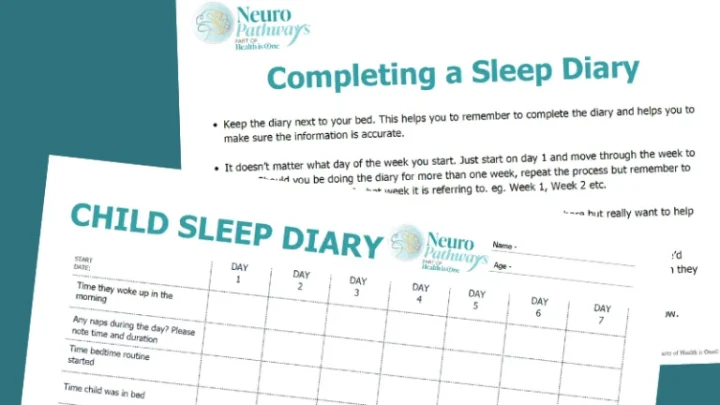
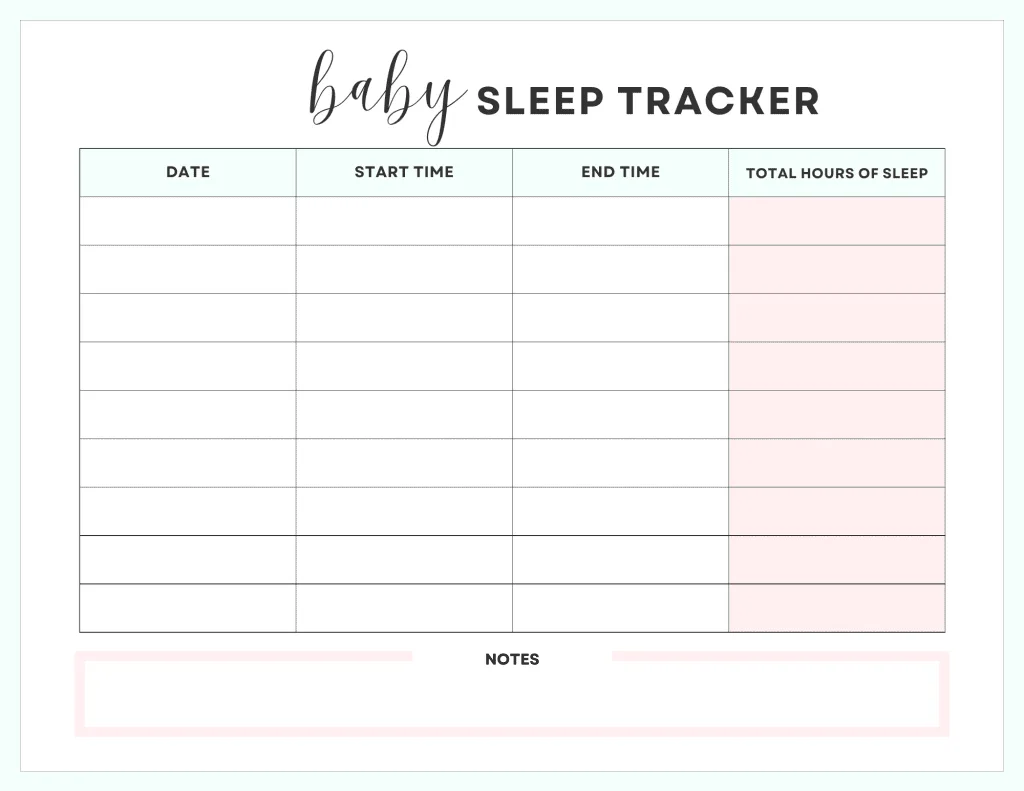
Log each sleep block: when it started, when it ended, and any wakings in between. Two days of this shows you whether sleep is drifting toward unusual.
The entry that carries the most weight is wake-ability. When you check on your baby, note how they respond. Do they rouse, fuss, and resettle?
That's normal sick-baby behavior. Do they stay limp and unresponsive even when touched or lifted? That's an emergency.
As of 2026, nurse triage lines still ask the same core question first: "Can you wake her up easily?" Your log answers it before they ask.
Doses, Feeds, and Wet Diapers
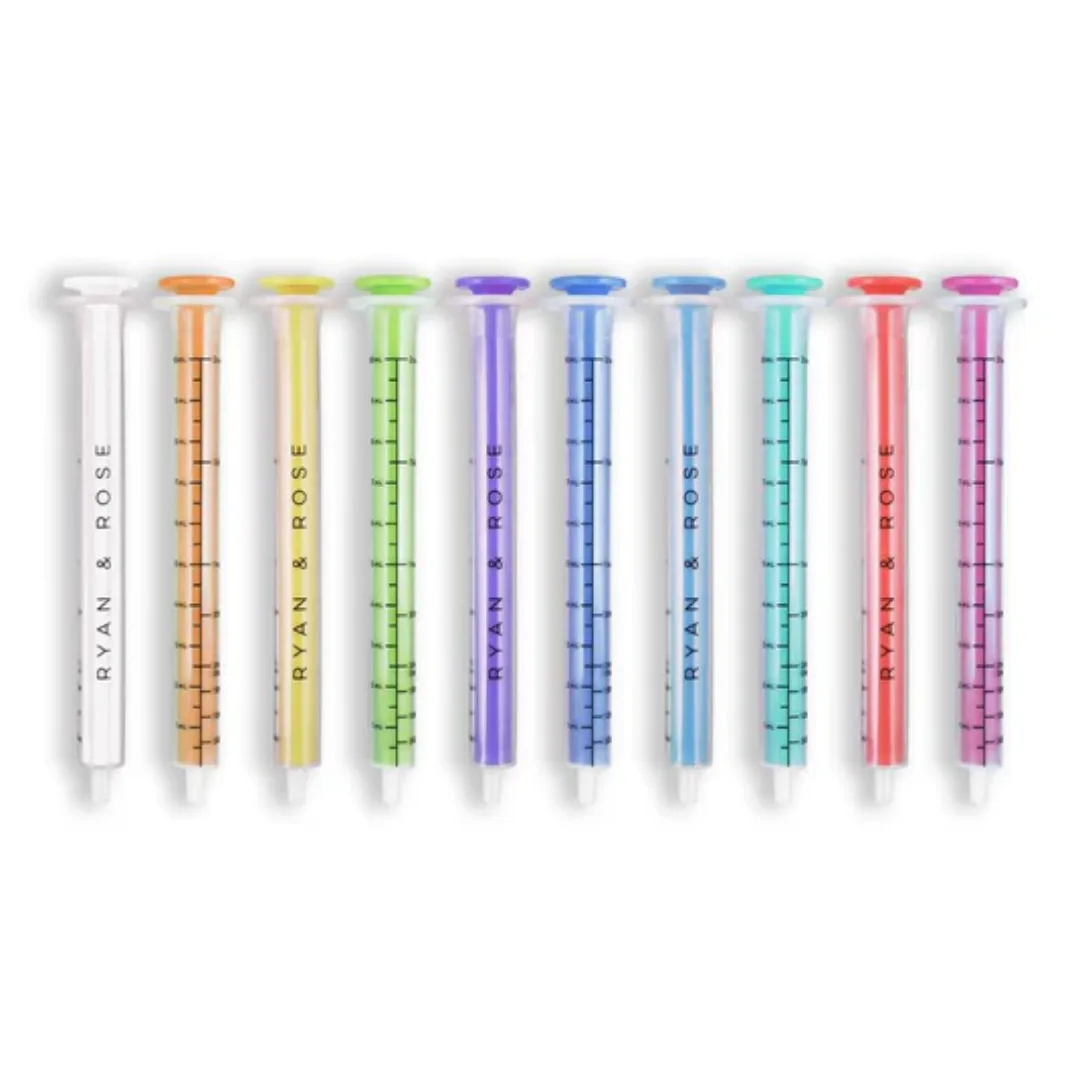
Medication timing is where logs save lives, not just time. Write the exact clock time of every acetaminophen dose, and every ibuprofen dose if your baby is 6 months or older. Infant acetaminophen is dosed every 4 hours, with a maximum of 5 doses in 24 hours.
Stack two doses too close and you're not treating a fever anymore, you're risking an overdose.
Feeds and diapers come next. Track ounces or nursing minutes against a normal day, and count wet diapers over each 24-hour stretch. A hydrated infant typically has 4 to 6 wet diapers a day.
Fewer than that during a fever suggests dehydration, which is one of the most common reasons sick babies end up in the ER.
Red Flags That Turn a Sleep Log Into an Emergency Call
Some findings don't wait for a completed log. If you record any of these, call for help right away.
- Rectal temperature of 100.4°F or higher in a baby under 3 months
- 104°F or higher at any age
- Trouble waking your baby, or extreme limpness when awake
- Grunting, flaring nostrils, or ribs pulling in with each breath
- Fewer than 3 wet diapers in 24 hours, or no tears when crying
- A sunken soft spot on the head
- A rash that doesn't fade when you press on it
- Fever lasting more than 24 hours in a baby under 2 years, or more than 3 days in an older infant
- Any seizure, however brief
Per FDA and pediatric guidance, never give aspirin to a child with a fever because of Reye's syndrome risk. And don't alternate acetaminophen and ibuprofen unless your pediatrician specifically tells you to. Alternation sounds safe.
In practice, it's how dosing errors happen on a bad night.
Common Mistakes Parents Make When Tracking a Sick Baby
The biggest mistake is logging a single temperature and calling it done. A 101°F reading at 7 p.m. means nothing without knowing it was 99.8°F at 3 p.m. and 102.6°F at midnight. Trends drive decisions.
The second mistake is vague language. "She slept a lot" gives a nurse nothing. "Slept 10 a.m. to 1 p.m., woke crying, took 2 ounces, one wet diaper at 1:30" gets a real assessment.
Watch for these other common traps:
- Blaming teething. Teething can nudge a temperature slightly, but it doesn't cause a true fever of 100.4°F or higher. Don't let it delay a call.
- Overbundling before readings. A heavy sleep sack or swaddle can inflate a temperature reading. Let baby settle in light clothing first.
- Forgetting dose timestamps. Write the time down the moment you give it. Memory fails at 3 a.m.
- Tracking too much. More data isn't better. The seven items in the quick answer cover it. Beyond that, you're feeding anxiety, not medicine.
- Ignoring your gut. If your baby seems seriously unwell, don't wait to finish the log. Call. You can describe the rest over the phone.
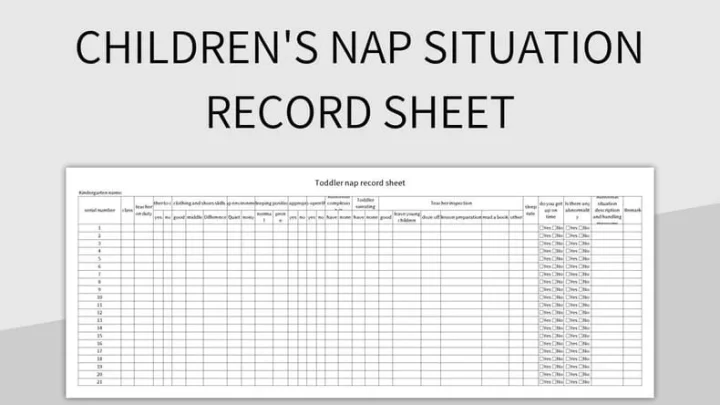
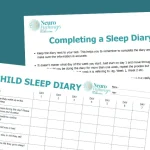
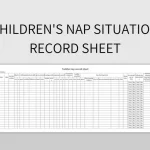
Keep the log where every caregiver can reach it. If a partner, grandparent, or daycare takes a shift, a shared paper sheet or a simple tracking app prevents the most dangerous error of all: two people who each remember a different last dose time.
Real Scenarios: What a Good Log Looks Like in Practice
Abstract advice is hard to follow at 3 a.m., so here's what a well-run night actually looks like. Scenario one: a 7-month-old with a low-grade fever. Mom logs 100.9°F at 6 p.m., gives weight-dosed acetaminophen at 6:15, and notes baby falls asleep at 7:30.
Readings at 10 p.m. and 2 a.m. show 99.6°F and 99.1°F. Six wet diapers that day, normal waking behavior.
That log wins the morning phone call. The nurse sees a fever that responds to medication, normal hydration, and normal arousals. The advice is watchful waiting, no visit needed.
Total tracking effort: maybe ten minutes across the whole night.
Now scenario two, and this is where the log earns its keep. A 9-month-old sleeps 12 hours straight during a 102.5°F fever. On its own, a long sleep sounds reassuring.
But the log shows feeds dropped from 28 ounces to 9, wet diapers fell to two, and when dad checked at 1 a.m., baby didn't fully rouse. Three data points that looked harmless separately spell dehydration plus lethargy together.
That combination triggers the urgent visit. This is exactly why you record trends instead of impressions. The numbers don't panic, and they don't talk themselves out of concern the way exhausted parents sometimes do.
A third pattern worth naming: the rebound. Some babies run a fever for 48 hours, then sleep deeply on the recovery night. The log shows temps normal for 12 hours, feeds climbing back, and wet diapers restored.
Deep sleep with a normalizing log is recovery, not a warning. Same behavior, different context, opposite conclusion.
FAQs: Fever, Sleep Tracking, and When to Worry
Is it normal for a baby to sleep a lot during a fever?
Yes, most babies sleep more when feverish, and extra rest supports the immune response. Normal sick sleep still has arousals: your baby wakes, fusses, takes a feed, and resettles. The warning sign is sleep with no meaningful waking, or a baby you cannot rouse.
If that happens, skip the log and call for help immediately.
How often should I take my baby's temperature during a fever?
Every 4 hours during the acute phase, and always before giving another medication dose. Use a rectal thermometer for babies under 12 months, since it's the most accurate method in young infants. Record the time and number every reading.
Once the fever has been normal for 24 hours, you can space checks out.
Should I wake my baby to check the temperature?
No, not routinely. Deep sleep during illness is expected, and waking for a reading adds stress without changing much. The exception is wake-ability: if you're worried, gently rouse your baby and note how they respond.
A baby who wakes, protests, and resettles is fine. One who stays limp needs immediate evaluation.
Can teething cause a real fever and sleep problems?
Teething may nudge a temperature slightly, but it doesn't cause a true fever of 100.4°F (38°C) or higher. If your baby has a genuine fever with changed sleep, treat it as illness, not teeth. Waiting it out on the teething theory is one of the most common reasons parents delay a call that should've happened sooner.
How long can a fever last before I call the doctor?
Call if a fever lasts more than 24 hours in a baby under 2 years, or more than 3 days in an older infant. Also call sooner if the temperature keeps climbing despite correct medication, or if any red-flag symptom appears. Duration thresholds are a floor, not a waiting period.
Do I need an app to track everything, or is paper fine?
Paper is completely fine, and a simple sheet on the fridge works across every caregiver. Tracking apps like Huckleberry or Cubtale add convenience with timestamps and shared access, but they solve a logistics problem, not a medical one. What matters is that the seven core items get recorded with times, wherever you record them.
Final Verdict: Keep It Simple, Keep It Timestamped, Trust the Trend
Here's the whole system in one place. Seven items, all timestamped: temperatures every 4 hours, sleep sessions with wake-ability notes, medication doses with exact clock times, feeds, wet diapers, and any breathing or skin changes. Paper or app, it makes no difference.
Consistency beats format every time.
The payoff shows up in three places. You'll answer triage questions in seconds instead of fumbling. You'll catch the dangerous combination of declining feeds, fewer wet diapers, and hard-to-wake behavior before it becomes an ER run.
And you'll skip the unnecessary 2 a.m. panic when the log shows a fever responding well.
One last calibration on trust. The log is a tool, not a gatekeeper. If your gut says something is seriously wrong, call first and log second.
The CDC's guidance on infant fever exists for the moments when data and instinct point the same direction, but under-3-month fevers don't wait for either.
Keep the sheet on the fridge, share it with every caregiver, and update it the moment something happens. That's the entire method, and it works.

Similar Posts